Daily Passionate Photography Thoughts

Fruitful thoughts – Short Take – Gulf Today Dt 13 June 2015

Posted on Updated on

Fruitful thoughts

Fruitful thoughts
Fruitful thoughts

To be in the presence of some people is a blessing as they come out with precious thoughts and words that remain everlasting and highly motivating. The other day, I got a repeat chance to be with one such person, Sultan Al Hajji.

After an official function, I was lucky to get a drive back home with him. Several topics came up and at some point of time our talks focused on gardening.

It reminded me of my childhood when we used to plant seeds of coconut, jackfruit and saplings of precious trees like teak or sandalwood in our farms.

There were no campaigns those days to promote environment. Our ancestors were visionaries and they knew the importance of plants and trees and made it a point that children have to play a big role in preserving the wealth of nature.

The acts done those days with a bit of curiosity and compulsion were forgotten over a period of time. We used to even name those trees we planted with our own pet names or names of heroes.

Our talks became emotional and he agreed with me and showed his little garden where the plants are young and growing. People like him who value nature’s wealth for the next generation are rare.

It is holiday time once again and we need to utilise time with children and instil in their minds the importance of preserving nature.

Ramesh Menon

To read it in original, please visit Gulf Today online

Getting ready for Ramadan 2015
Posted on

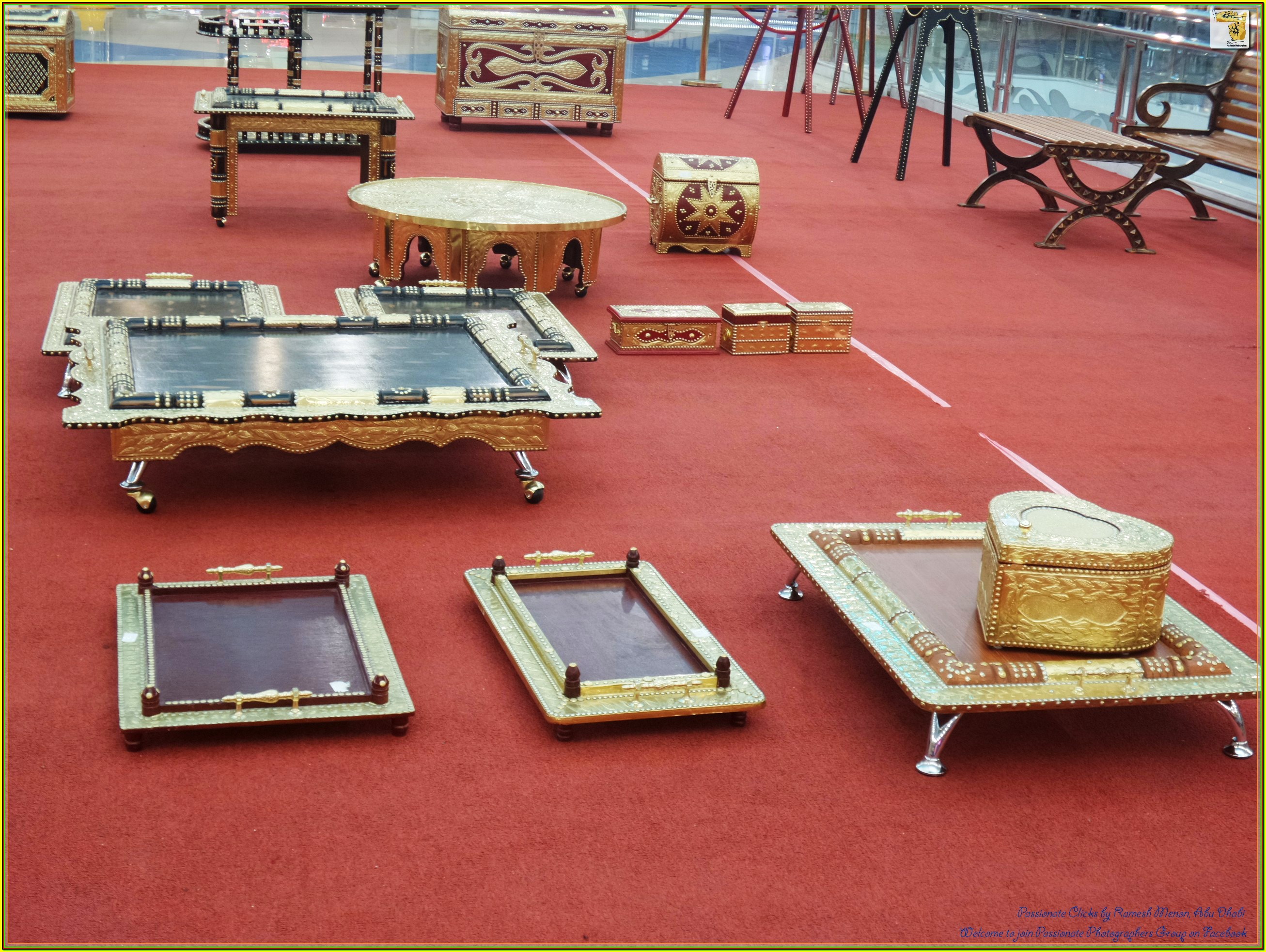
Getting ready for Ramadan 2015

Shops displaying items at an Abu Dhabi shopping mall for Ramadan 2015.

Mind Speaks – Is Life A Rat Race?
Posted on Updated on

Is Life A Rat Race?


A first of its kind parking and play facility was getting completed in our area. The work took a considerably long time as it was a huge structure. Obviously, the worksite had an area for staff accommodation and storage. That opened automatically options for all types of waste to get accumulated in the area. Once the work completed and site was ready to open, the workers accommodations and storage units were moved to another location as planned.

However, there were some silent residents in the area (are they really silent?). None other than a colony of rodents. Now exposed, where do they go? No options other than to migrate to the nearby available residential buildings. Are they a welcomed guests? No and resulted in some work for the respective maintenance staff. They started it immediately without fail.

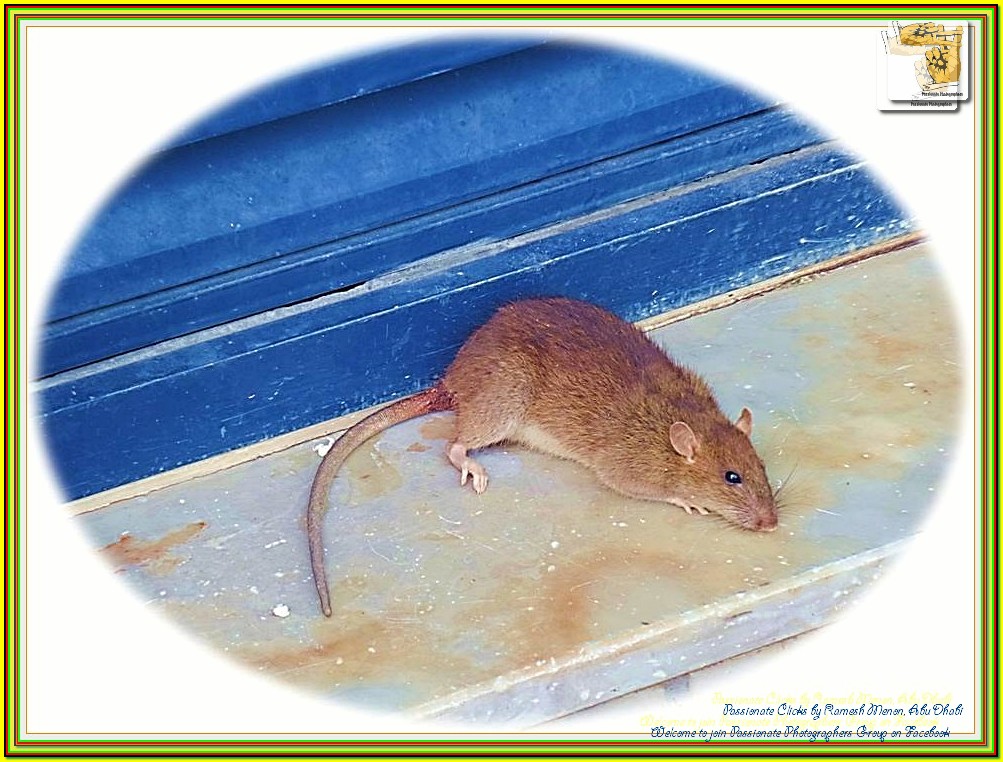
On my way to work one day, I chanced upon this little friend. Its eye was glowing as if it wanted to speak a lot. To run around and escape. But, it was unable. That made me explore why and how it was in that condition. Maintenance staff around told me that they had to keep poisoned rodent biscuits to finish of these unwanted guests.

What was surprising for me was there were many cats in that area, even closer to this one I spotted. None were interested to catch it! Were they afraid of eating a poisoned prey? No, not really was the answer from the ever ready staff who were vigilantly following its end. They said to me that these days the cats in the area are well fed with expensive cat food. So, they have left their traditional predatory instincts and now after a luxurious lift style. Not bad to follow the modern definition of cat and mouse games!

Or is it a natural example of a harmonious living.

All these thoughts happened within a few minutes. As I observed the rodent one more time, it was at the last minute of life in this world. I still felt it was looking at me and wanted to say so many things. At times, many of us might have been at situations watching the last minutes of someone whom we like from a closer view. He or she will realise the value of life and work done and left to be done at that time.
Harmonious living is something we have to now strive for. Till then, you will not wonder if one says, life is like a rat race!

Ramesh Menon, Abu Dhabi
05th June 2015

Summer holidays are over!

Posted on Updated on

Summer holidays are over!
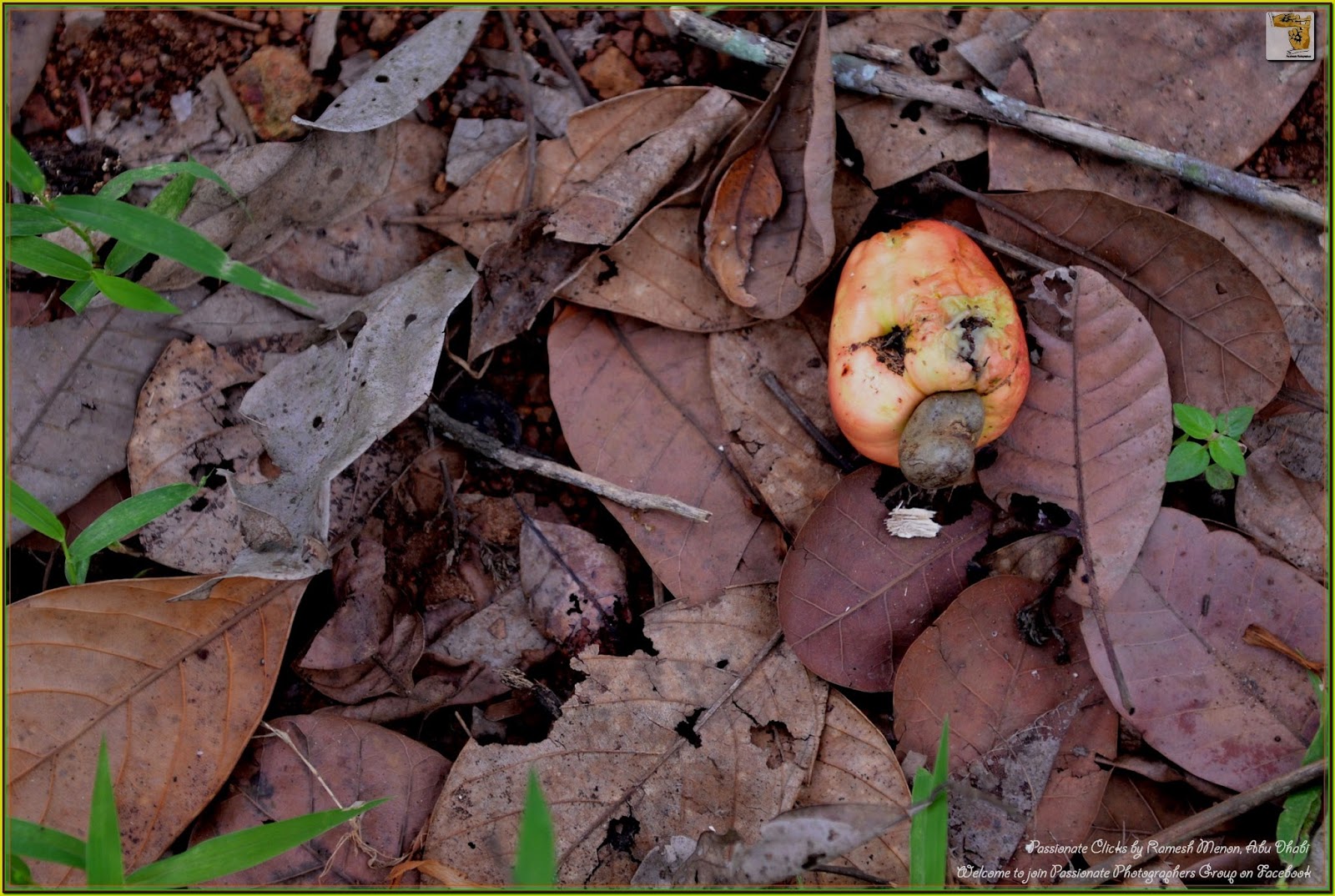
Remembering the childhood days. This fallen cashew fruit with nut reminds me of my childhood days when we children gather together and walk around and scan the plantation areas. Cashew nut is one of our first choice as the fruits are tasty to eat and the nuts collected brings in our extra source of pocket money. A kilo of nuts collected will earn a good money those days sufficient enough to cater a group of children either for a cinema or buy a new football or hire a cycle to ride for a few hours!. Probably few of the luxuries we could opt for those days.
Gone are those days and these days pocket money is not a problem for kids. This whole thought came around when I was having a strawberry fruit which tasted almost similar to a cashew fruit of those days.

If you have not experienced this during your childhood, take your mind during your free time and travel around to those old days when small luxuries gave great feelings compared to the great luxuries of these days which doesn’t even last for the next hour or so!

Best wishes to all those students who are joining the new academic year.

Date Palms – nation’s hidden treasure

Posted on Updated on

A nation’s hidden treasure and a Passionate Photographers delight!
Follow the story at Our Story of the Date Palm Trees

Daily Passionate Photography Thoughts – Do you hear the tinggggg?
Posted on Updated on

Daily Passionate Photography Thoughts – Do you hear the tinggggg?
Dear Friends,
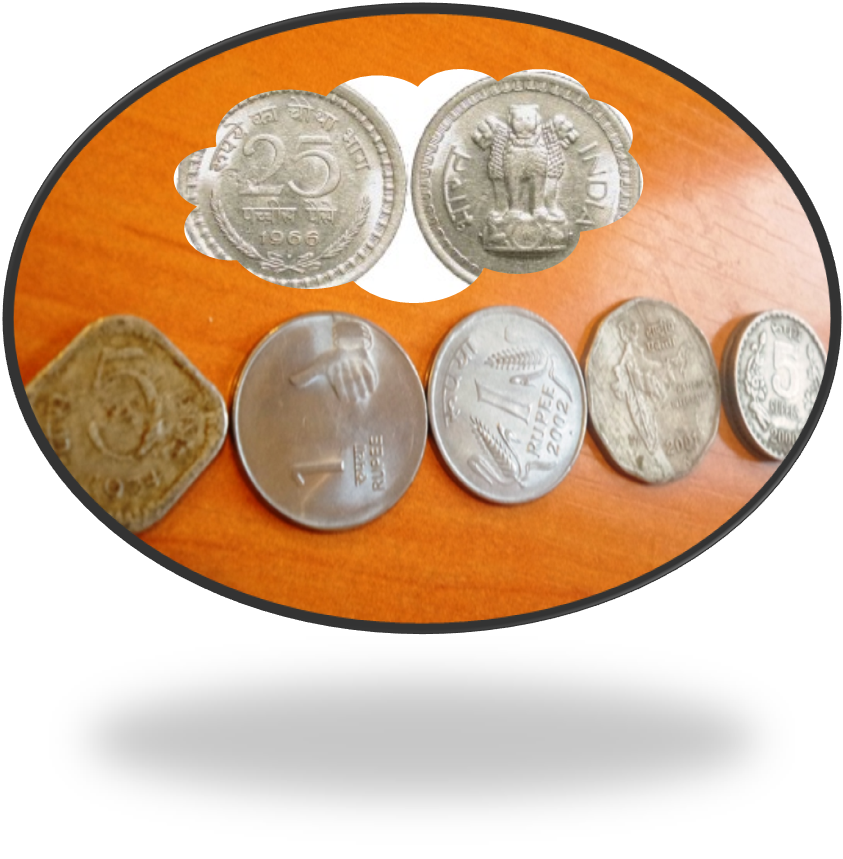
I am thrilled today because my memories are taking me to my childhood days, when I lived at my ancestral home at Oorakam near Trichur within a big joint family amongst a group of children of various ages within the family and surroundings. Not like these days, gifts and pocket money were occasional and we had to wait for either Onam, or Vishu to get a pair of new dress or some money within our pocket for utilising for our own dream requirement. Money those days remained within the boundaries of maximum of a one rupee coin, which was by itself huge. It came to us only during Vishu when we get Vishu Kai neettam (gift of coins by eldest member of the family).
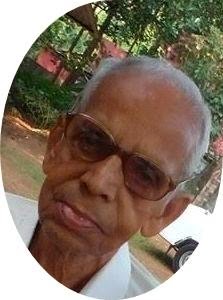
At our home, it was the right of Appettan, who is my grandmothers brother and eldest male member of the family to give this customary gift to all other family members including children. He keeps several coins with him of various denominations within the boundary of one rupee and distribute it to all according to age and his liking. Whatever the denomination we were all thrilled to get that precious gift from him on that auspicious day and very happily wait for it after our daily religious rituals.
Once we have this gift, all the boys group themselves and then go and get a rubber ball or a smaller football, to replace the existing old ones for us to play with. Those days, we used to get a medium 8 to 10 cm diameter sized for a nominal amount, and mostly, it was the only luxurious play item we all shared.
On some odd years, we had special appearances during these Vishu season by other senior male members of the family who were working outside of Kerala. So, as a mark of affection, they also discretely gave us additional coins of bigger denominations, even one rupee itself. This made a huge difference to all of us. We will then group ourselves and run to Devassy’s shop which is in the nearest town, that is Cherpu for a bigger ball, say about 25 cms diameter in size. The generous contribution means a lot. Bigger in size, bigger in temper, and the more reach it has. The “tingggggg” sound it produces when hit makes a huge thrill to all of us and the thrill of it keeps us grouped and cheerful for many days to come.
I am experiencing that odd gift and that tinggg thing in my mind today, by the visit of three little princess who came to see vishukani and get vishu kaineettam from us.

Education in all fields is mainly a self interest process. Many times due to various reasons, we do not get time to study a subject. But a systematic self learning process will take us to greater heights in those fields interesting for us. It is our responsibility to share and teach the new generation what we experienced. 
Let them learn to observe the characters, the nature, and be self sufficient to progress in life ahead. 
God bless you all and enjoy your week ahead by liking what you do and doing what you like.
Ramesh Menon
15th April 2015

Photo Speaks : Home is where the heart is. A curry tree from Kerala.
Posted on Updated on

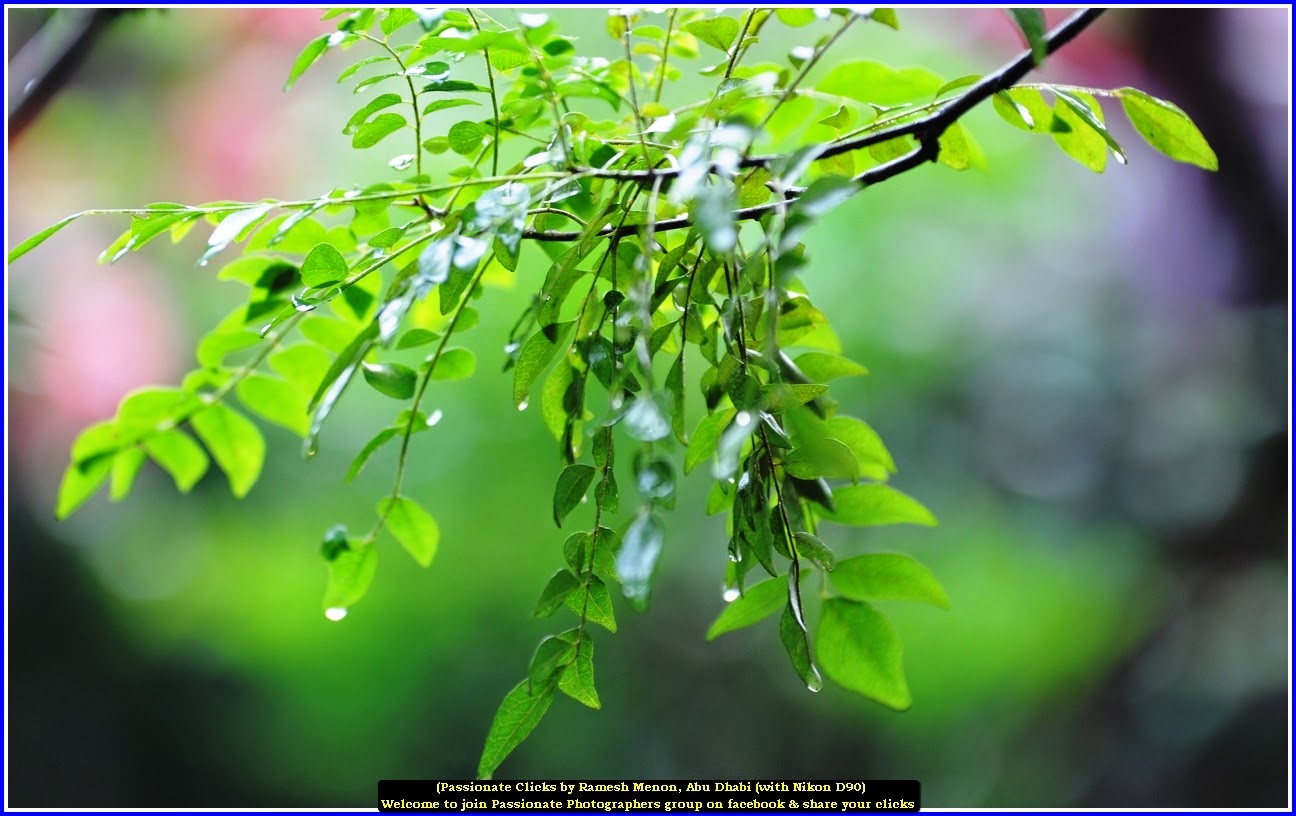
Home is where the heart is. A curry tree from Kerala.


The curry tree (Murraya koenigii or Bergera koenigii) is a tropical to sub-tropical tree in the family Rutaceae (the rue family, which includes rue, citrus, and satinwood), which is native to India and Sri Lanka.
Its leaves are used in many dishes in India and neighbouring countries. Often used in curries, the leaves are generally called by the name ‘curry leaves,’ although they are also literally ‘sweet neem leaves’ in most Indian languages (as opposed to ordinary neem leaves which are very bitter and in the family Meliaceae, not Rutaceae).
Description
The small flowers are white and fragrant.
It is a small tree, growing 4–6 m (13–20 feet) tall, with a trunk up to 40 cm (16 in) diameter. The aromatic leaves are pinnate, with 11-21 leaflets, each leaflet 2–4 cm (0.79–1.57 in) long and 1–2 cm (0.39–0.79 in) broad. The plant produces small white flowers which can self-pollinate to produce small shiny-black berries containing a single, large viable seed. Though the berry pulp is edible — with a sweet but medicinal flavor — in general, neither the pulp nor seed are used for culinary purposes.
The species name commemorates the botanist Johann König.
Uses

The leaves are highly valued as seasoning in southern and west-coast Indian cooking, and Sri Lankan cooking ( කරපිංචා), especially in curries, usually fried along with the chopped onion in the first stage of the preparation. They are also used to make thoran, vada, rasam and kadhi. In their fresh form, they have a short shelf life and do not keep well in the refrigerator. They are also available dried, though the aroma is largely inferior.
The leaves of Murraya koenigii are also used as an herb in Ayurvedic medicine. They are believed to possess anti-diabetic properties. [unreliable medical source?]
Although most commonly used in curries, leaves from the curry tree can be used in many other dishes to add flavor. In Cambodia, Khmer toast the leaves in an open flame or roast it until crispy and then crush it into a soured soup dish called Maju Krueng.
In the absence of tulsi leaves, curry leaves are used for rituals and pujas.
Propagation
Seeds must be ripe and fresh to plant; dried or shriveled fruits are not viable. One can plant the whole fruit, but it is best to remove the pulp before planting in potting mix that is kept moist but not wet.
Stem cuttings can be also used for propagation.
Chemical constituents
Girinimbine structure. Some of the primary alkaloids found in the Curry Tree leaves, stems, and seeds are as follows: Mahanimbine, girinimbine, koenimbine, isomahanine, mahanine, Indicolactone, 2-methoxy-3-methyl-carbazole.
A 2011 study of girinimbine, a carbazole alkaloid isolated from this plant, found that it inhibited the growth and induced apoptosis in human hepatocellular carcinoma, HepG2 cells in vitro.

#‎ClicksandWrites #‎PassionatePhotographers
Text source: Wikipedia
Photo by Ramesh Menon, Abu Dhabi

A pair of tricycles and many points to ponder
Posted on Updated on

Every morning when I go to office, I see a little girl going to her school.  She will be struggling to smile and say good morning as she is yet to awake from her sleep. Her mother will be carrying the bags and bottle and literally carrying her to the waiting bus. Days went on and suddenly one day as I was going to office, I noticed all the three members of the family together. The girl was in a cheerful mood and said to me. The girl said to me uncle, we are leaving for India. I thought, they are going for school holidays. Then the father corrected, no we are leaving for good. I felt sad.

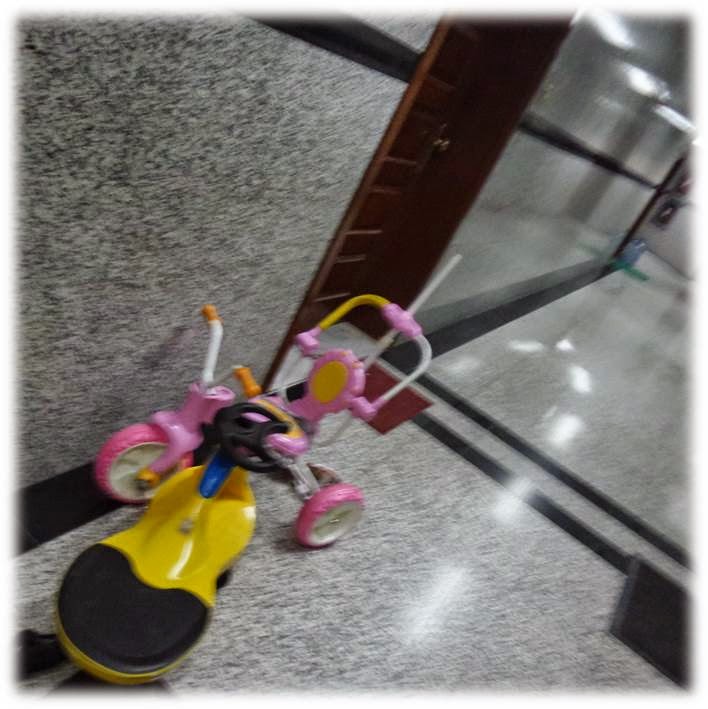
This morning while on to the office, I saw this pair of old tri-cycles at their door steps. Abandoned and reminding of a childhood that had passed away in front of our eyes.

The site brought many thoughts in my mind. The modern age children are victims of several circumstances. When I go to my home in Kerala, I get to see the books, toys and many other items I used during my childhood days. Neatly kept and displayed in my room or many other rooms in my home. The fact that parents remained in one place and availability of place and personnel made those items remain intact for years for me to be reminded of my young age. How many children these days get this privilege? How many parents have time to think about their children and their personal preferences and choices? Even if they do, can they accommodate those demands, if they have a job that makes them move around the world?


Are these the reasons for children becoming non-materialistic and non-emotional? A point to ponder as I wish this little fairy a blessed journey ahead in her home state.

Ramesh Menon, Abu Dhabi
Tuesday, 7th April 2015