Nutmeg – full of medicinal and culinary value
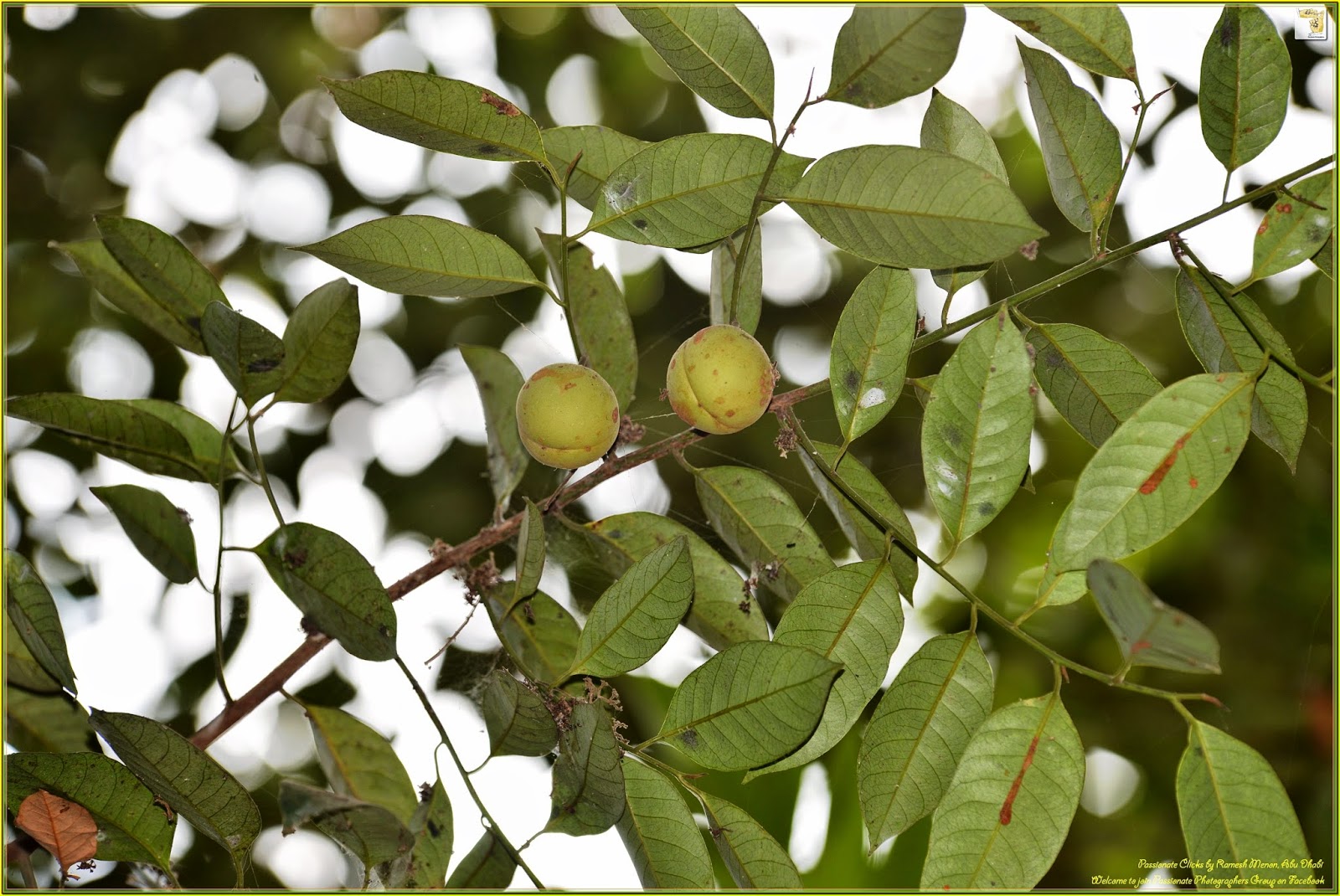
Nutmeg – full of medicinal and culinary value
Nutmeg (also known as pala in Indonesia) is one of the two spices – the other being mace – derived from several species of tree in the genus Myristica.[1] The most important commercial species is Myristica fragrans, an evergreen tree indigenous to the Banda Islands in the Moluccas (or Spice Islands) of Indonesia.
Nutmeg is the seed of the tree, roughly egg-shaped and about 20 to 30 mm (0.8 to 1.2 in) long and 15 to 18 mm (0.6 to 0.7 in) wide, and weighing between 5 and 10 g (0.2 and 0.4 oz) dried, while mace is the dried “lacy” reddish covering or aril of the seed. The first harvest of nutmeg trees takes place 7–9 years after planting, and the trees reach full production after twenty years. Nutmeg is usually used in powdered form. This is the only tropical fruit that is the source of two different spices. Several other commercial products are also produced from the trees, including essential oils, extracted oleoresins, and nutmeg butter.
Culinary uses
Commercial jar of mace
Nutmeg and mace have similar sensory qualities, with nutmeg having a slightly sweeter and mace a more delicate flavour. Mace is often preferred in light dishes for the bright orange, saffron-like hue it imparts. Nutmeg is used for flavouring many dishes, usually in ground or grated form, and is best grated fresh in a nutmeg grater.
In Penang cuisine, dried, shredded nutmeg rind with sugar coating is used as toppings on the uniquely Penang ais kacang. Nutmeg rind is also blended (creating a fresh, green, tangy taste and white colour juice) or boiled (resulting in a much sweeter and brown juice) to make iced nutmeg juice.
In Indian cuisine, nutmeg is used in many sweet, as well as savoury, dishes (predominantly in Mughlai cuisine). It is also added in small quantities as a medicine for infants. It may also be used in small quantities in garam masala. Ground nutmeg is also smoked in India.
In Indonesian cuisine, nutmeg is used in various dishes, mainly in many soups, such as soto soup, baso soup or sup kambing.
In Middle Eastern cuisine, ground nutmeg is often used as a spice for savoury dishes.
In original European cuisine, nutmeg and mace are used especially in potato dishes and in processed meat products; they are also used in soups, sauces, and baked goods. It is also commonly used in rice pudding. In Dutch cuisine, nutmeg is added to vegetables such as Brussels sprouts, cauliflower, and string beans. Nutmeg is a traditional ingredient in mulled cider, mulled wine, and eggnog. In Scotland, mace and nutmeg are usually both essential ingredients in haggis.
In Italian cuisine, nutmeg is almost uniquely used as part of the stuffing for many regional meat-filled dumplings like tortellini, as well as for the traditional meatloaf.
Japanese varieties of curry powder include nutmeg as an ingredient.
In the Caribbean, nutmeg is often used in drinks such as the Bushwacker, Painkiller, and Barbados rum punch. Typically, it is just a sprinkle on the top of the drink.
The pericarp (fruit/pod) is used in Grenada and also in Indonesia to make jam, or is finely sliced, cooked with sugar, and crystallised to make a fragrant candy.
In the US, nutmeg is known as the main pumpkin pie spice and often shows up in simple recipes for other winter squashes such as baked acorn squash.
Essential oils
The essential oil obtained by steam distillation of ground nutmeg is used widely in the perfumery and pharmaceutical industries. This volatile fraction typically contains 60-80% d-camphene by weight, as well as quantities of d-pinene, limonene, d-borneol, l-terpineol, geraniol, safrol, and myristicin. In its pure form, myristicin is a toxin, and consumption of excessive amounts of nutmeg can result in myristicin poisoning. The oil is colourless or light yellow, and smells and tastes of nutmeg. It contains numerous components of interest to the oleochemical industry, and is used as a natural food flavouring in baked goods, syrups, beverages, and sweets. It is used to replace ground nutmeg, as it leaves no particles in the food. The essential oil is also used in the cosmetic and pharmaceutical industries, for instance, in toothpaste, and as a major ingredient in some cough syrups. In traditional medicine, nutmeg and nutmeg oil were used for disorders related to the nervous and digestive systems.
After extraction of the essential oil, the remaining seed, containing much less flavour, is called “spent”. Spent is often mixed in industrial mills with pure nutmeg to facilitate the milling process, as nutmeg is not easy to mill due to the high percentage of oil in the pure seed. Ground nutmeg with a variable percentage of spent (around 10% w/w) is also less likely to clot. To obtain a better running powder, a small percentage of rice flour also can be added.
Nutmeg butter
Nutmeg butter is obtained from the nut by expression. It is semisolid, reddish-brown in colour, and tastes and smells of nutmeg. About 75% (by weight) of nutmeg butter is trimyristin, which can be turned into myristic acid, a 14-carbon fatty acid, which can be used as a replacement for cocoa butter, can be mixed with other fats like cottonseed oil or palm oil, and has applications as an industrial lubricant.
Photo: From home – Ramesh Menon, Abu Dhabi
Text source : Wikipedia
Quiet tribute – Short Take – Gulf Today Dt 21st March 2015
Short Take: Quiet tribute
March 21, 2015, Gulf Today
A short break of two weeks. In a way tried my best to keep silent from as many activities as possible. It was an effort to join a divine bliss. In the process I learnt a lot of things including an increased confidence to practise the art of not to react impulsively to circumstances and realities.
The silence was indirectly to show my tribute to join the sorrow of a friend whose mother passed away. I know the feelings and void created when a person we love a lot in our life suddenly departs. I had experienced it the recent times, when my mother in law and my grandmother passed away. Many times, I was stuck with whom to ask certain things when I needed guidance. Of course, life went on and will.
Motherhood is a special feeling beyond explanation. Back from my leave, at work on a busy morning, I listened to a colleague of mine busily phoning and ordering birthday cake for her son. It was a hectic day and in between the busy tasks, she found time to order the cake specially decorated with her son’s favorite football teams design. She was arranging other gifts too to the little boy.
It brought tears in my eyes as I suddenly remembered, how my mother who was a teacher during my childhood days, come back from her school with a gift, either a shirt or a colouring set. Those days transportation was not easy and she had to change three buses to get back home from the school. It used to be late by the time she reach back home. But even then, she never missed to show her affection and love for us.
A casual talk with my colleagues revealed the general trend with children these days. They are pampered with costly gifts; mobiles, Ipads, laptops and what not. So, it is a big challenge now for parents to offer them with a gift which will remain impressive with the children at least for some amount of time.
Challenges aplenty for the modern day mothers. But, their affection and love will remain forever, however fast modernisation happens. This is a fact proven many times in the world around.
Ramesh Menon
To read it in original, please visit Gulf Today online
Photo Speaks – Bird of Paradise
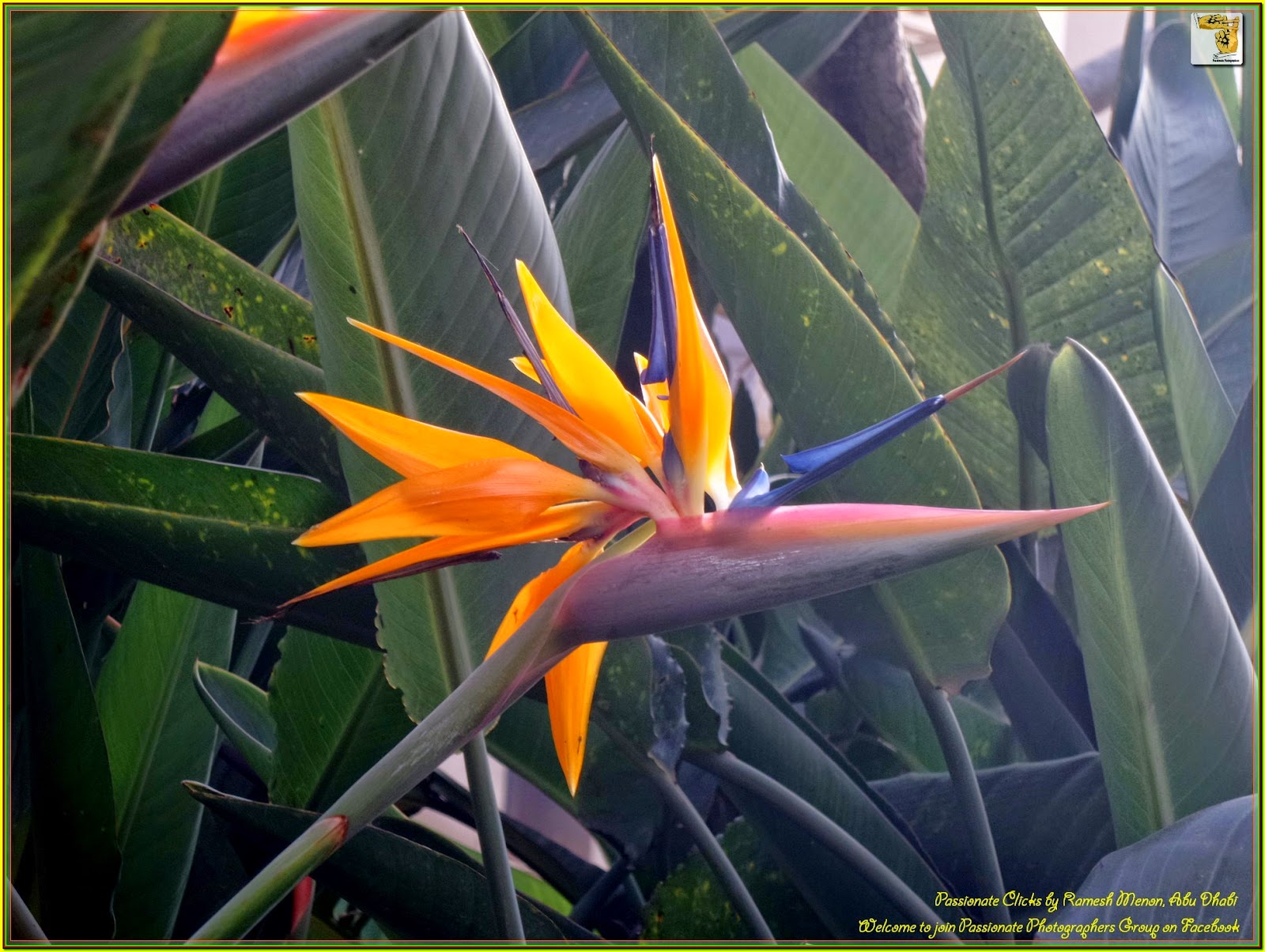
Strelitzia reginae is a monocotyledonous flowering plant indigenous to South Africa. Common names include Strelitzia, Crane Flower or Bird of Paradise, though these names are also collectively applied to other species in the genus Strelitzia. Its scientific name commemorates Charlotte of Mecklenburg-Strelitz, queen consort of the United Kingdom, wife of H.M. King George III. The species is native to South Africa but naturalized in Mexico, Belize, Bangladesh, Madeira Islands and Juan Fernández Islands off the coast of Chile.
The plant grows to 2 m (6.6 ft) tall, with large, strong leaves 25–70 cm (9.8–27.6 in) long and 10–30 cm (3.9–11.8 in) broad, produced on petioles up to 1 m (39 in) long. The leaves are evergreen and arranged in two ranks, making a fan-shaped crown. The flowers stand above the foliage at the tips of long stalks. The hard, beak-like sheath from which the flower emerges is termed the spathe. This is placed perpendicular to the stem, which gives it the appearance of a bird’s head and beak; it makes a durable perch for holding the sunbirds which pollinate the flowers. The flowers, which emerge one at a time from the spathe, consist of three brilliant orange sepals and three purplish-bluepetals. Two of the blue petals are joined together to form an arrow-like nectary. When the sunbirds sit to drink the nectar, the petals open to cover their feet in pollen.
Photo Speaks – Supote tree at home
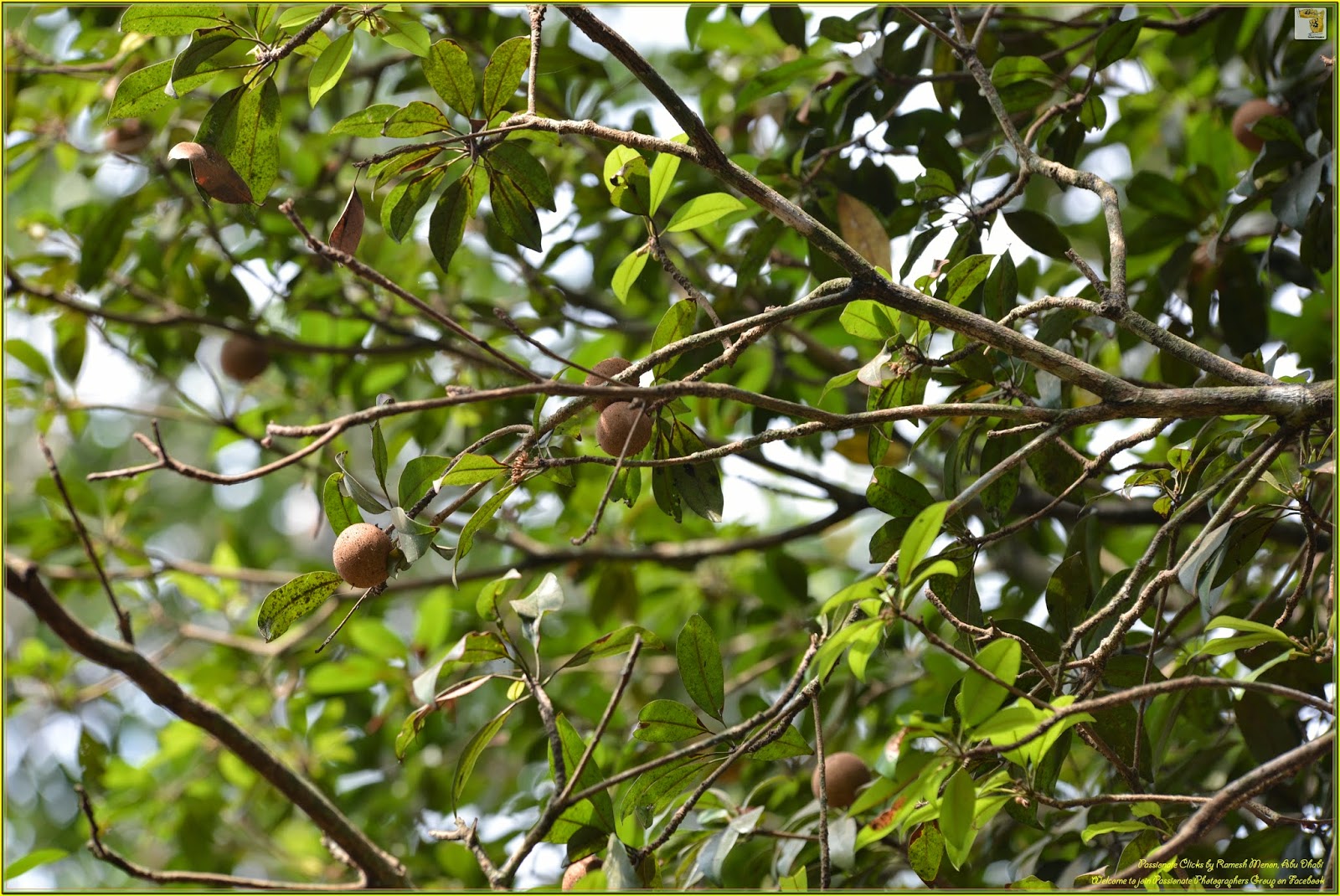
Supote tree at home
More about it:
Sapote (from Nahuatl tzapotl)[1] is a term for a soft, edible fruit. The word is incorporated into the common names of several unrelated fruit-bearing plants native to Mexico, Central America and northern parts of South America.
Some but not all sapotes come from the family Sapotaceae:
Sapotaceae sapotes:
Sapodilla, also called naseberry (Manilkara zapota) is native to Mexico, Guatemala, Nicaragua, Belize, and possibly El Salvador. The Sapotaceae were named after this species.
Yellow sapote (Pouteria campechiana) is native to Mexico and Central America.
Mamey sapote (Pouteria sapota) is from southern Mexico to northern South America.
Green sapote (Pouteria viridis) is native to lowland southern Mexico.
Ebenaceae sapotes:
Black sapote (Diospyros digyna), from eastern Mexico south to Colombia, is probably the original Aztec tzapotl.
Chapote (Diospyros texana) is native to the lower Rio Grande valley region in Texas and Mexico
Other sapotes
White sapote (Casimiroa edulis: Rutaceae) is native to northern and central Mexico, Costa Rica, El Salvador and Guatemala.[2]
South American sapote (Quararibea cordata: Malvaceae) is native to the Amazon rainforests of Brazil, Colombia, Ecuador, and Peru.
Health benefits of sapodilla
Sapodilla is high calories, 100 g provides 83 calories (almost same as that of calories in sweet potato, and banana). In addition, it is a very good source of dietary fiber (5.6 g/100g), which makes it an excellent bulk laxative. The fiber content helps relieve constipation episodes and help protect the mucous membrane of the colon from cancer-causing toxins by firmly binding to them.
The fruit is rich in antioxidant poly-phenolic compound tannin. Tannins are a complex family of naturally-occurring polyphenols that neutralize acids by precipitating proteins. Research studies found that tannins have shown to have potential anti-inflammatory, antiviral, anti-bacterial, and anti-parasitic effects. Hence, these compounds may found useful applications in traditonal medicines such as anti-diarrheal, hemostatic (stops bleeding) and as a remedy for hemorrhoids.
Furthermore, the anti-inflammatory effect of tannins help limit conditions like erosive gastritis, reflux-esophagitis, enteritis, and irritating bowel disorders. Some other fruits that are rich in tannins include pomegranate, persimmon, grapes…etc.
Sapote contains a good amount of antioxidant vitamins like vitamin C (24.5% of recommended daily intake per 100 g of fruit), and vitamin A. Vitamin A is essential for vision. It is also required for maintaining healthy mucus membranes and skin. Consumption of natural fruits rich in vitamin A has been known to protect from lung and oral cavity cancers. So also, consumption of foods containing in vitamin C helps the body develop resistance against infectious agents and scavenge harmful free radicals.
Fresh ripen sapodilla is a good source of minerals like potassium, copper, iron and vitamins like folate, niacin and pantothenic acid. These compounds are essential for optimal health as they involve in various metabolic processes in the body as cofactors for the enzymes.
Source : wikipedia. Photo: Ramesh Menon, Abu Dhabi
Photo Speaks – Is that me you looking for – A Greater Coucal
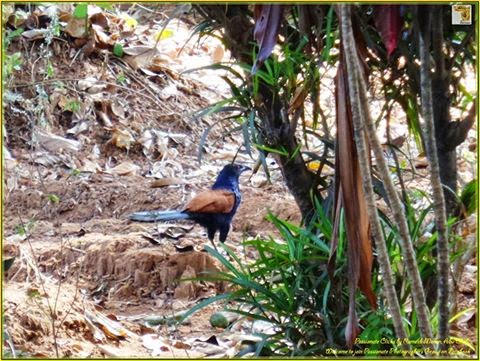
The greater coucal or crow pheasant (Centropus sinensis), is a large non-parasitic member of the cuckoo order of birds, the Cuculiformes. A widespread resident in Asia, from India, east to south China, Nepal and Indonesia, it is divided into several subspecies, some being treated as full species. They are large, crow-like with a long tail and coppery brown wings and found in wide range of habitats from jungle to cultivation and urban gardens. They are weak fliers, and are often seen clambering about in vegetation or walking on the ground as they forage for insects, eggs and nestlings of other birds. They have a familiar deep resonant call which is associated with omens in many parts of its range.



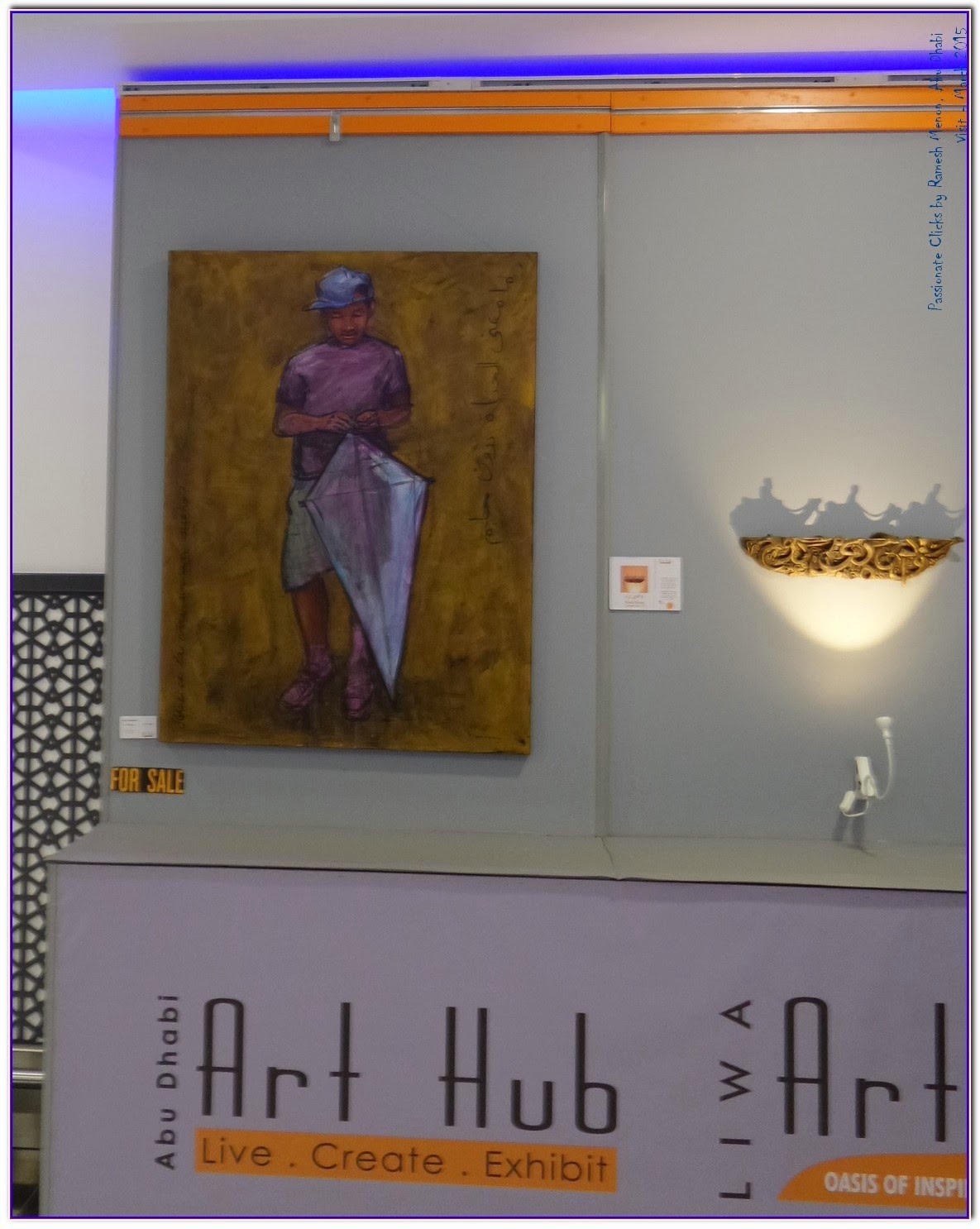
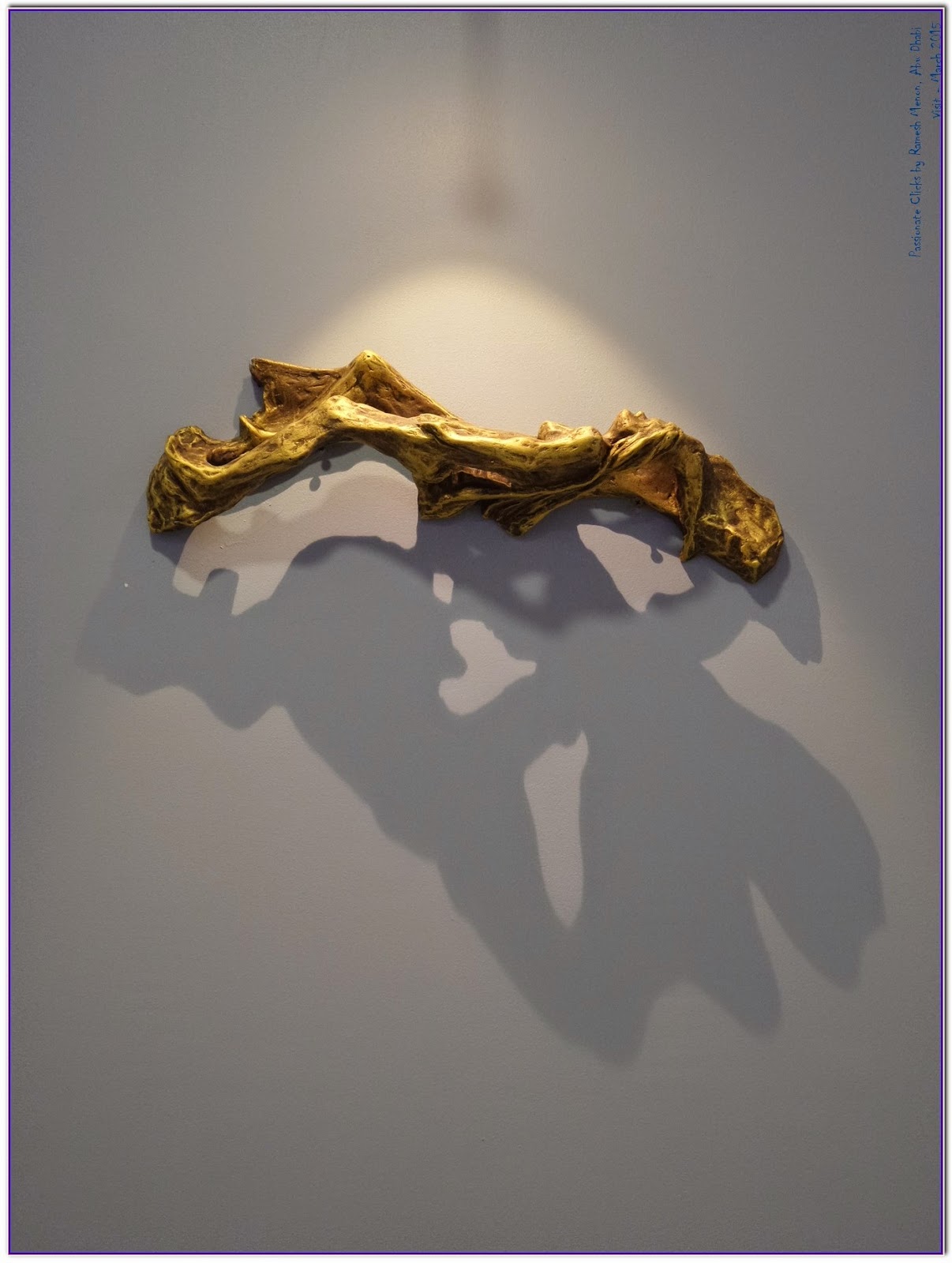
Amazing ART HUB exhibition at Abu Dhabi airport
Amazing ART HUB exhibition at Abu Dhabi airport
If you are travelling via Abu Dhabi airport, do find some time to see the exhibition at Terminal 3



























Walking reminds of an older time – The National Dt 27 February 2015
Walking reminds of an older time
Your article, Taken at walking pace, Abu Dhabi becomes a very different city (February 23), has prompted nostalgic memories of earlier days in Abu Dhabi.
There were limited taxis and buses so most people used to walk to work and back home. This provided the opportunity to see the city progressing and also led to more sun exposure. I believe there were fewer cases of vitamin D deficiency then than there are now.
Back in those days, the electronic gadgets of the modern era did not exist so people lived in the present more. It meant it was easier to meet people, possibly starting long friendships.
Now people are so distracted that I feel concerned when I see them ignoring their own safety by walking or crossing the road while using mobile phones.
I believe The National’s #startwalking campaign will be a great success, but it is also important for the authorities to ensure the streets and pathways are more user-friendly for pedestrians.
Ramesh Menon, Abu Dhabi
To read it in original, please visit The National online
 ClicksandWrites
You must be logged in to post a comment.