Month: October 2007
UAE beat Vietnam in World Cup qualifiers
UAE beat Vietnam in World Cup qualifiers
October 09, 2007
United Arab Emirates earned a crucial one-nil away win over Vietnam in the first round of the Asian leg of the FIFA World Cup qualifiers in Hanoi. UAE came close to scoring in the 14th minute, when Ismail Matar fired in a free-kick but the hosts keeper Duong Son came up with a brilliant save. But the 79th minute of the match saw the solitary goal of the match that came off Saeed Basheer. The two will clash once again in the return leg.
Ten Steps To Make Sure Your Sales Training Works!
Ten Steps To Make Sure Your Sales Training Works!
How do you make sure your salespeople are trained effectively and make it a meaningful learning experience for all concerned?
Think of the following elements as building blocks, as the ten keys to sales training success. They should be kept in mind when planning and implementing any sales training program that you run:
1. Comprehensive
2. Customised
3. Relevant
4. Performance oriented
5. Motivational
6. Modular
7. Easy to test and measure
8. Interactive
9. Cost effective
10. Embraced by top management
Block 1. Sales training should be comprehensive
It should provide, to the greatest extent possible, a total solution encompassing not only specific product sales-related courses, but it should also provide:
* An overall plan, based on broad, fundamental and explicitly stated goals. Obviously, you must think about what you want your salespeople to actually learn. However, try to think what kind of salespeople you want them to become through the training.
* Here are two examples:
– “Our salespeople will create the sort of buying experience that will encourage loyalty from our existing customers and increased purchase intention from our prospects”
– “Our salespeople will assume a more professional behaviour when addressing customer needs, thus creating higher levels of customer trust and confidence. The impact of this effort will be measured and monitored through our customer viewpoint surveys.”
* An assessment tool to ensure that salespeople who are enrolled in the program are properly placed. While the your overall recruiting process is the first screening mechanism for bringing people into sales, closer and more accurate evaluation provided within the sales training system could reveal that an individual is better suited to another staff position.
* A tracking system to monitor progress and measure post- training increases.
* A follow-up agenda to provide reinforcement, as well as additional mentoring and coaching, as needed.
* An ongoing plan for continued development, to ensure that all relevant additional or revised information about your products, marketplace, competition, etc. is quickly assimilated into learning for your salespeople.
Block 2 – Sales training should be customised
It should develop logically out of the dynamics of the specific sales environment in which your salespeople work. To accomplish this, all training should be designed to meet the unique requirements of your company. It should be carefully matched to individual needs, limitations and prerequisites.
Ask what the training programme will cover before your salesperson attends. Discuss the subjects with the salesperson to determine which sections will be most relevant and what questions need to be answered. Ensure the salesperson knows what the objectives of the training are, so that they can customise some of the materials to their own needs.
Block 3 – Sales training should be relevant
It should introduce opportunities for your salespeople to acquire and practice skills in a protected and supportive atmosphere that parallels their real world job responsibilities.
This means that case studies (customer scenarios) should be used extensively. Case studies should, of course, reflect realistic customer environments and interactions, including both successes and failures. If it’s a retail course, ensure the activities will assist your salespeople to develop the retail skills they need for your franchise. If it’s a business oriented course, find out what the activities will enable your salespeople to accomplish.
Block 4 – Sales training should be performance oriented
It should build “bridges” and connect to the real world:
* Before training, discuss with the salesperson how it will fit in with their job-related performance objectives. This should dictate the appropriateness of sales training content, learning activities, and instructional methodology.
* During training, get the salesperson to make sure they use structured techniques for applying knowledge through the use of skill-based practice activities, such as group discussions, planning exercises and role playing.
* After training, make sure salespeople are put in touch with relevant information sources, given job aids, provided with structured coaching/mentoring, taken on joint sales calls with more experienced personnel, etc. This ensures the application and transfer of knowledge and skills to the job.
Block 5 – Sales training should be motivational
All training should inspire enthusiasm by focusing on need-to- know information, presented in sufficient depth to impart both confidence and competence to the salesperson.
When presented in a workshop format, sales training should be conducted by dynamic, experienced facilitators who possess a dependable knowledge of the products or services being sold, a realistic and up-to-date understanding of the selling environment, and expertise in moderating learning sessions for adults.
In other words, good sales training recognises that time spent in training is time away from direct sales activities; therefore, it makes efficient and best use of sales people’s time and energy.
Block 6 – Sales training should be modular
All sales training should fit together and should be composed of stand-alone (although related) modules.
These allow your salespeople to complete only those portions of sales training that are most closely connected to their own specific requirements.
To minimise the time that salespeople will have to spend away from sales, training should be designed to be as concise as realistically feasible.
Block 7 – Sales training should be easy to test and measure
It should allow salespeople to “test out” the parts of the training that target information or skills they already have mastered.
It should also require them to complete only those portions of sales training related to their most pressing areas of need.
You can do this by checking what they learned during your review sessions with them, and then applying the follow up methods discussed in Block 1.
Block 8 – Sales training should be interactive
It should consist of workshops, seminars, peer discussion groups, and similar types of interactive activities that allow for the maximum exchange of ideas and sharing of experiences among participants.
Block 9 – Sales training should be cost effective
It should be designed to maximise the organisation’s investment in training, achieving your company’s key goals with the lowest possible cost per participant.
When calculating costs of training, preview what the salesperson will be able to do in, say, six months.
Then determine the costs of manufacturer training courses, coaching, mentoring, distance learning and other forms of development over that time period and equate the overall investment against desired returns.
That way, you can convince your boss that the training budget will be well spent.
Block 10 – Sales training should be embraced by top management
It should have solid management backing, in order to ensure that all learning ideas and principles are adequately supported.
Remember, salespeople will immediately know the real culture of the company if they are told that they are to go on a training course simply to ‘tick a box’.
Get the Manager to discuss with the salesperson what they learned on the course and how their development is important to the company.
It will only take a few minutes but will show how important the role of training is in the company.
Without this, the salesperson will have the belief that their development is not really important to you, and they are not worth investing in.
** The final cement mix **
These keys hold true regardless of who is providing sales training. Here are some percentages from Training Magazine detailing who is providing sales training in organisations with more than 100 employees:
– 24 percent of training provided by in-house staff only
– 14 percent of training provided by outside suppliers only
– 62 percent of training provided by both
So consider how you can give yourself the best possible opportunities to help your sales people’s development have a firm foundation.
These blocks should help you build a great team spirit and create a positive learning culture within your department.
Like always if you would like help on any aspect of your business please feel free to drop us a line with what you need help on and then my team and I can let you know what we could do for you.
All the best.
By Sreeram CA for CiteHR
Creative sparks – Poem – The Criminal – by Master Suraj Menon

by Master Suraj Menon, Our Own English High School Abu Dhabi
Hyatt International to operate hotel at Abu Dhabi’s Capital Gate
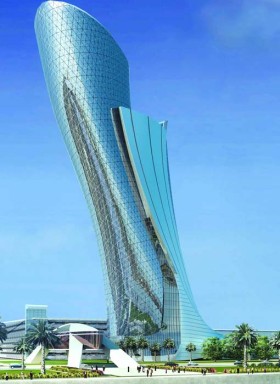
Hyatt International to operate hotel at Abu Dhabi’s Capital Gate Staff Report GULF NEWS Published: October 08, 2007, 23:16
Dubai: Hyatt International will operate a 200 room, 5-star hotel in Abu Dhabi’s Capital Gate building, part of the Abu Dhabi National Exhibition Centre, a statement said yesterday.
The hotel will open in 2009 and will be the first Hyatt operated facility in the UAE capital city. In recognition of its significance and its stature, Hyatt International has named the hotel ‘Hyatt at Capital Centre’. It will be one of the most exclusive hotels in the world. Hyatt International already operates three luxury hotels in Dubai under the brands Park Hyatt, Grand Hyatt and Hyatt Regency.
“Capital Gate is a unique building which will become famous around the world. It was essential that the hotel was operated by an organisation which matched its status, I’m delighted that this operator is Hyatt International,” Shaikh Sultan Bin Tahnoon Al Nahyan, chairman of Capital Centre and Adnec said in a statement
Air Arabia set to land in Bangalore
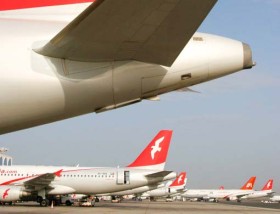
Air Arabia set to land in Bangalore
Staff Report GULF NEWS Published: October 08, 2007, 23:16
Dubai: Air Arabia, the largest low-cost carrier in the Middle East and North Africa (Mena), will begin its service to the south Indian city of Bangalore on October 15, a company statement said yesterday.
The flights will initially operate four times per week between Bangalore and Air Arabia’s hub in Sharjah. From October 29, the frequency will be increased to daily.
Flights to Bangalore will leave Sharjah at 10:50pm local time and arrive in Bangalore at 4:20am local time. Return flights will leave Bangalore at 5:05am local time and arrive in Sharjah at 7:50am local time.
Kyle Haywood, commercial director, Air Arabia said: “Our rapidly expanding route destination network between India and the Middle East answers a growing need for passengers travelling between the two economically vibrant regions. We seek to give those who travel between these two regions low-cost fares along with the highest quality of service possible, whether they travel for business, holidays or to see family and friends.”
Expanding network
Bangalore is Air Arabia’s ninth destination in India, and increases Air Arabia’s total destinations to 37, a destination network that stretches from Eastern Europe, through the Middle East and North Africa, to South Asia.
Bangalore is India’s third most populous city and a major economic hub for the country. With its addition to Air Arabia’s 11 other destinations in South Asia, Air Arabia has become one of the leading low-cost carriers serving this growing region.
Bangalore is one of India’s most dynamic cities, and has been India’s leading centre for information technology, earning the nickname the ‘Silicon Valley of India’. In addition to being at the forefront of India’s technology revolution, Bangalore is also considered the ‘Garden City of India’ due to its lush climate, extensive vegetation and many public parks.
An ancient city, it was first mentioned in literature in the ninth century as part of the Ganga Kingdom. Then it was called ‘Bengaval-uru’ or the ‘City of Guards’.
“We are pleased to add Bangalore to our low-cost flight network within India. With the large Indian expatriate population living in the Gulf countries, this new flight route represents even more low-cost convenience for those who have family, friends and homes in both these regions,” Haywood said.
Air Arabia, established in February 2003 by an Amiri decree, began operations in October of the same year. Based in Sharjah and with a fleet of ten Airbus A320 aircraft, Air Arabia serves 36 destinations across the Middle East, North Africa, the Indian subcontinent and Central Asia.
Al Ain
Al Ain
Known as the Garden City, Al Ain was once a vital oasis on the caravan route to Oman. Situated just 148 km east of the capital, Al Ain boasts several historical forts and archaeological sites. Fascinating insights into its origins can be found at the Al Ain Museum and the Natural History Museum at the University of Al Ain, both of which feature displays on life before the discovery of oil in the region.
The Hili Archaeological Garden has remnants of a Bronze Age settlement dating back to 2500 – 2000 BC. This site is the source of some of the richest archaeological finds in the area, several of which are believed to be more than 4,000 years old. The Jahili Fort, once home to the late ruler Sheikh Zayed bin Sultan Al Nahyan, is notable for its impressive main turret, which has four levels.
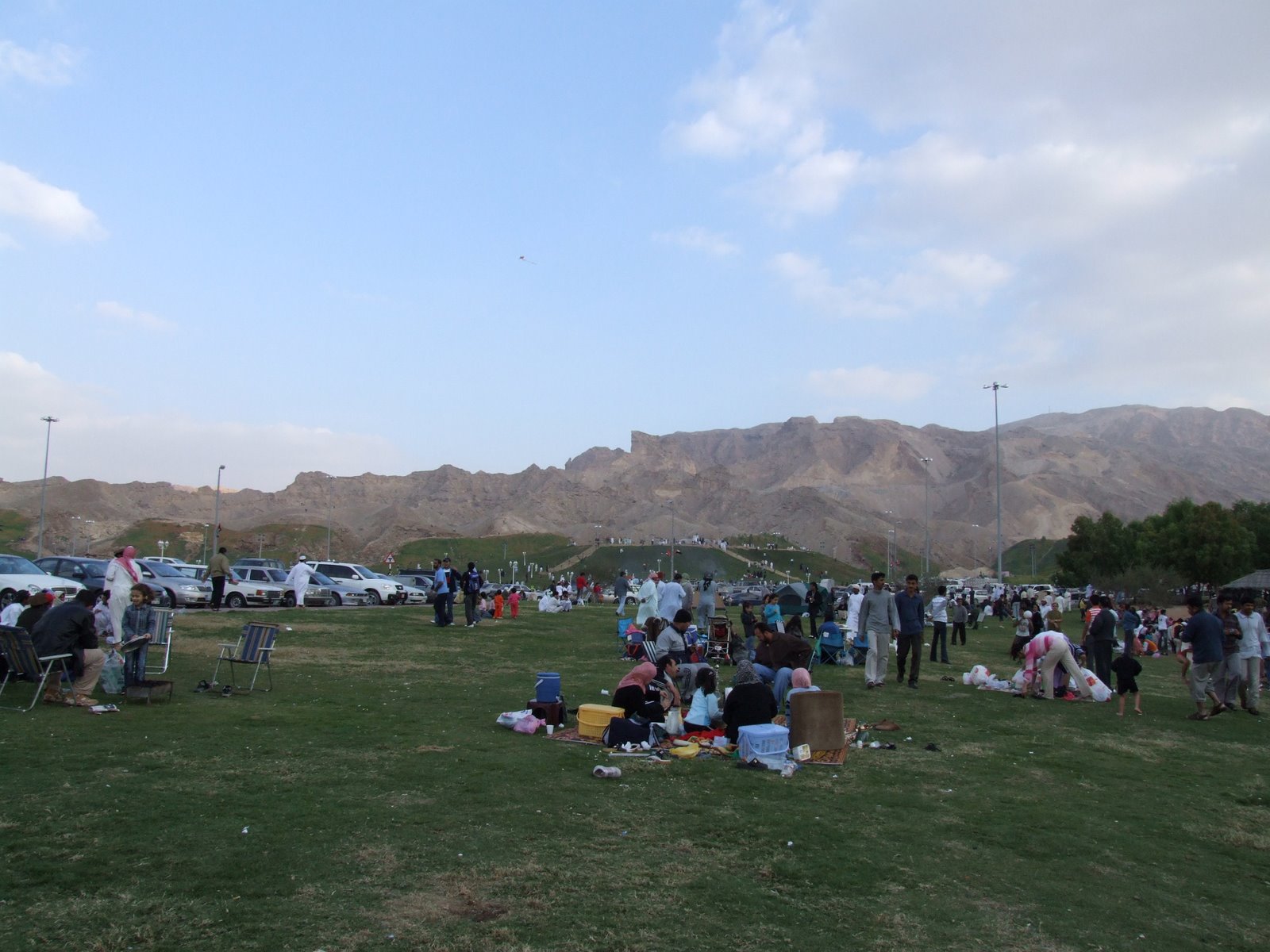
Al Ain is the most fertile region in the country, and its oasis supports a host of palm plantations and working farms. The city’s many parks are all beautifully kept and well worth a visit. Featuring play areas, benches under shady trees, meandering walkways and elaborate fountains, they offer tranquil hideaways for visitors and residents alike.
The Al Ain Zoo and Aquarium, spread over 400 hectares, is one of the largest in the Gulf region. It is home to a wide variety of species, both common and rare, and runs an ongoing breeding programme for endangered animals.
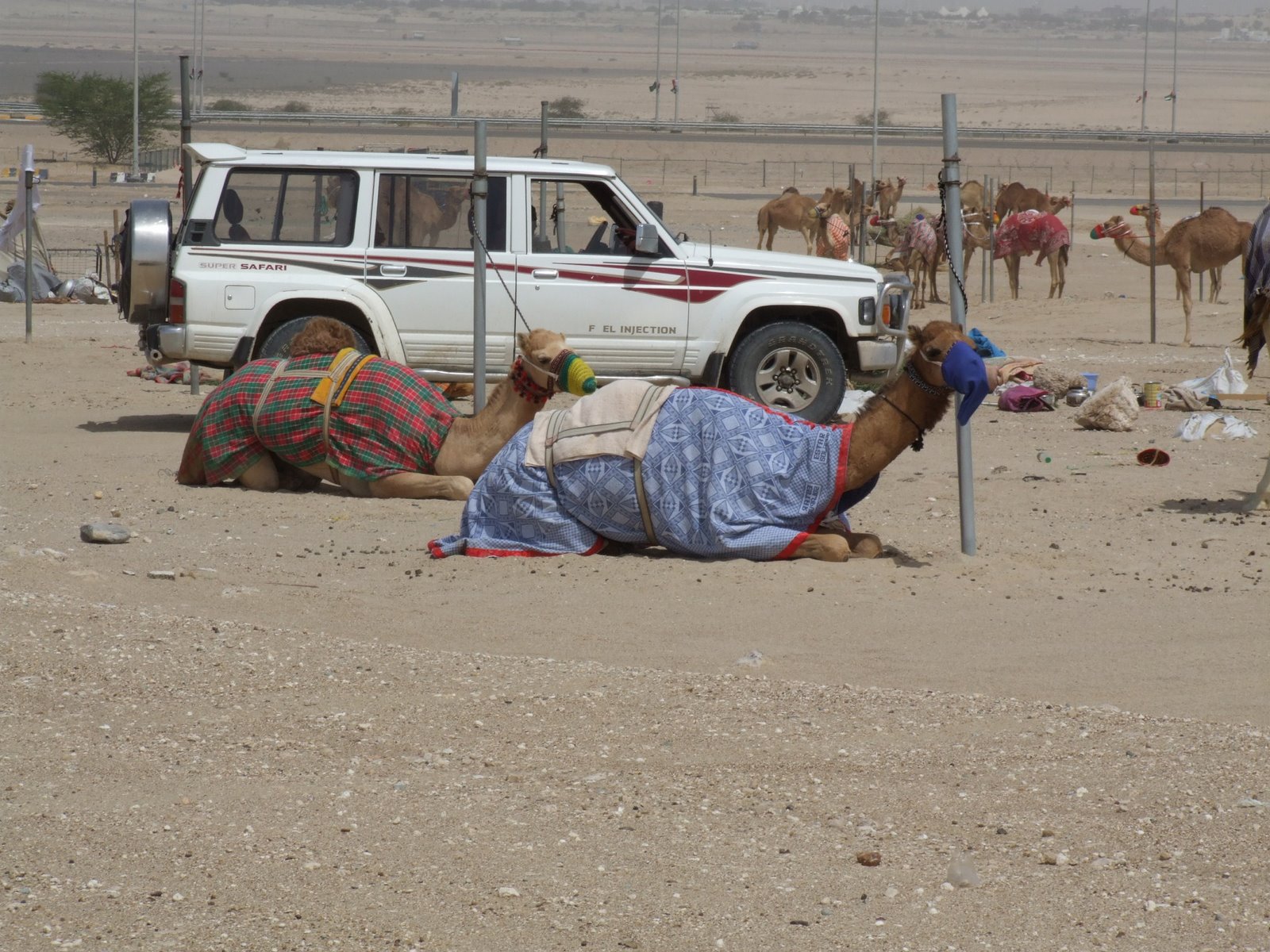
The city’s camel market is well known throughout the country and is the last of its kind. It provides the opportunity to see and hear traders discussing prices and listing the merits of their prized camels. The nearby animal souk is a similar experience, although it specialises in the sale of sheep, goats and other livestock.
Al Ain’s Old Prison affords the best views of the city and its surrounding oasis. It is a lone square turret in the centre of a gravel courtyard, surrounded by high walls. At night this historical building is illuminated, and offers a beautiful view when seen from the nearby camel market.
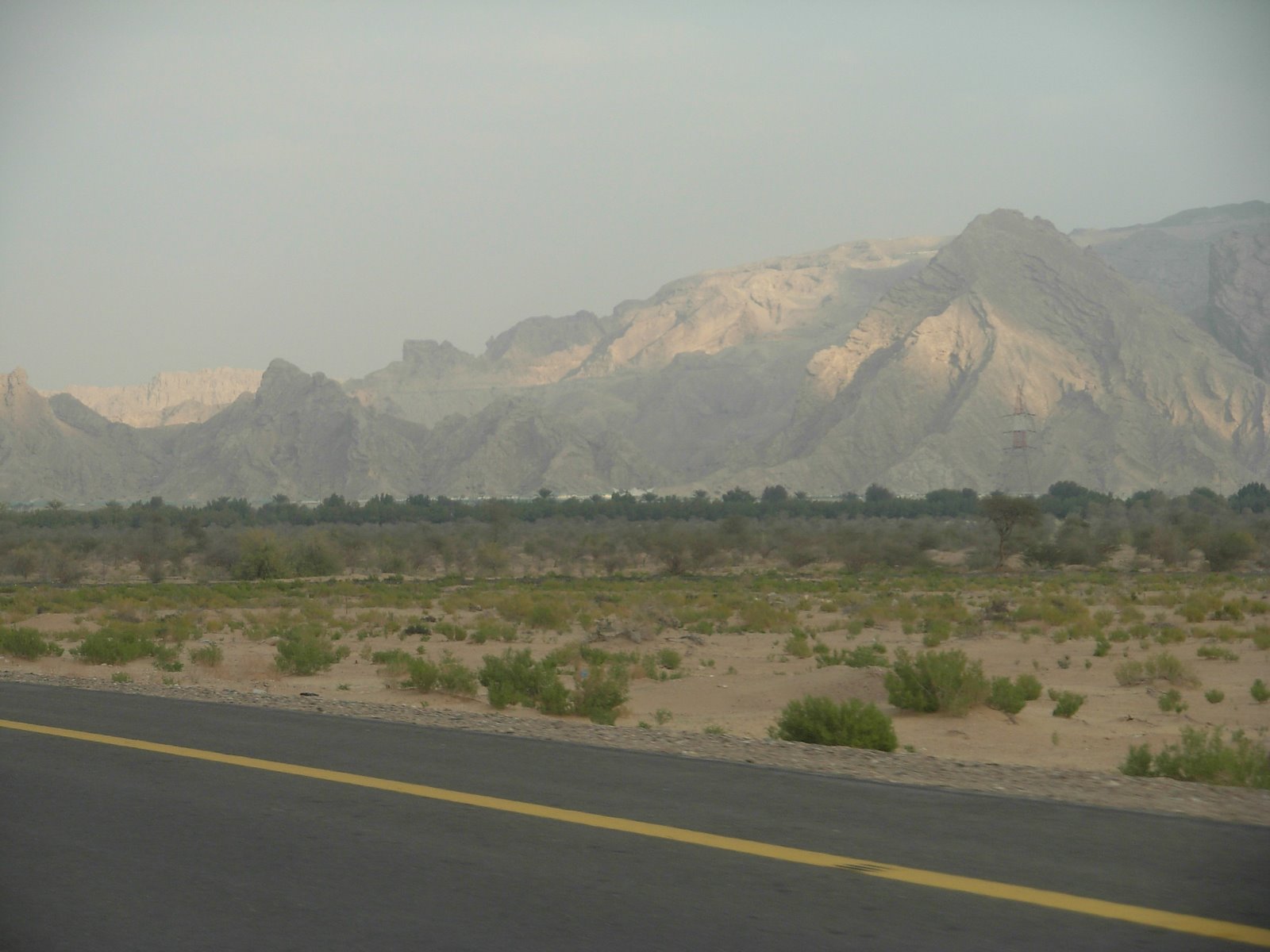
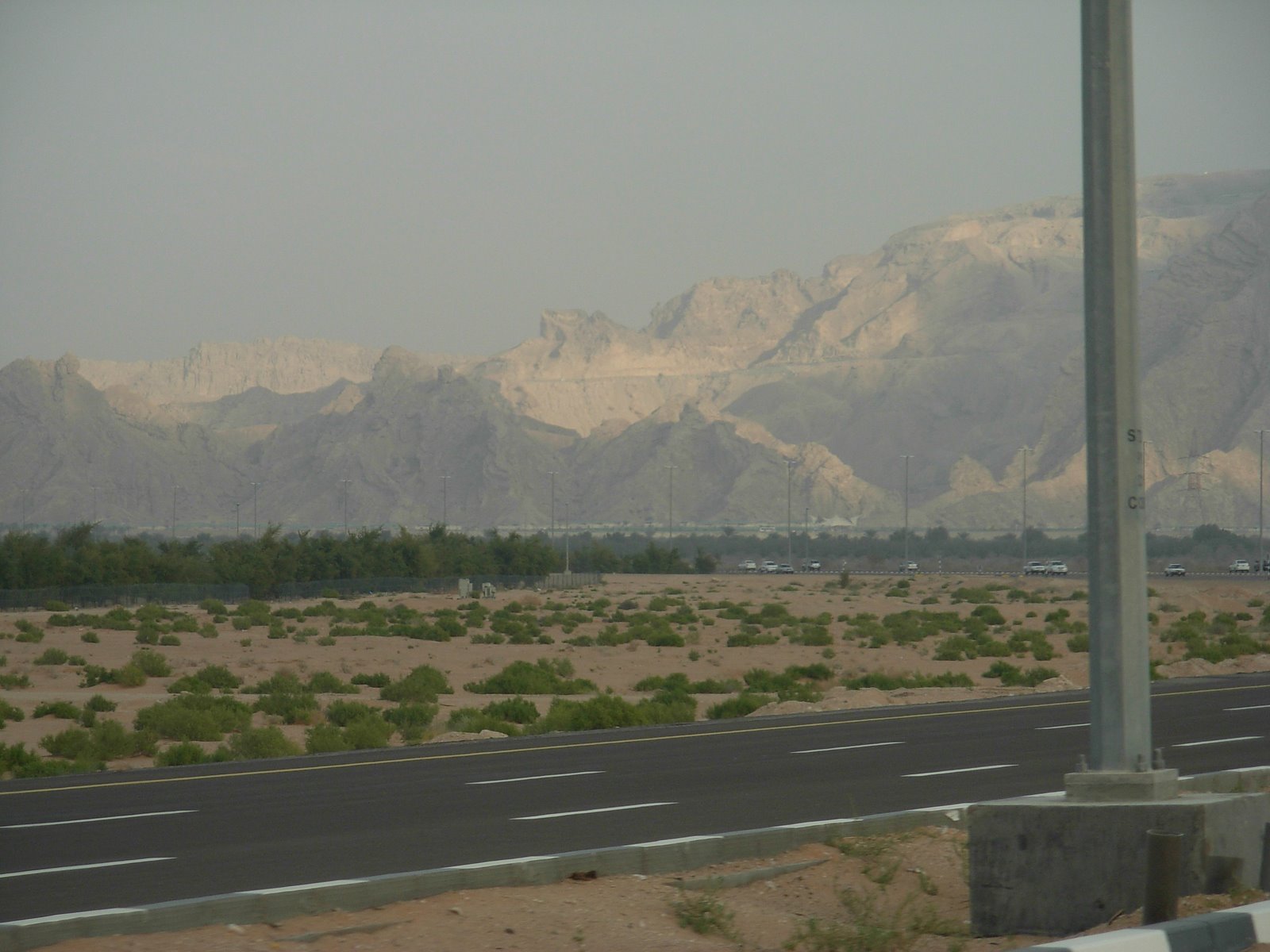
Overlooking the city is the majestic Jebel Hafeet, the highest mountain in the country. A road leads to the summit offering spectacular views in all directions. At its base are Ain Al Faydah natural spring and the Green Mubazzarah tourism resort.
Al Ain Roads & Streets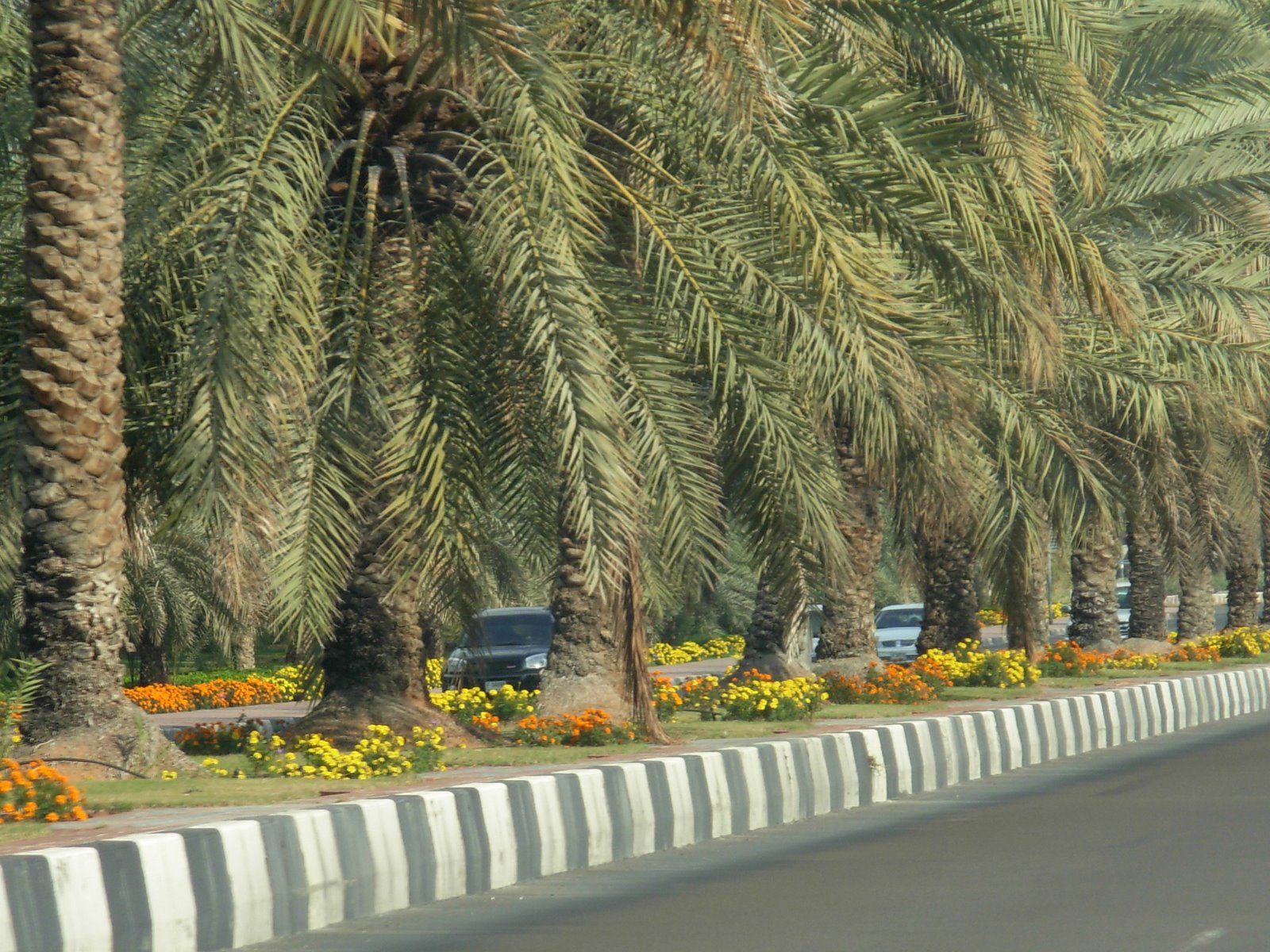
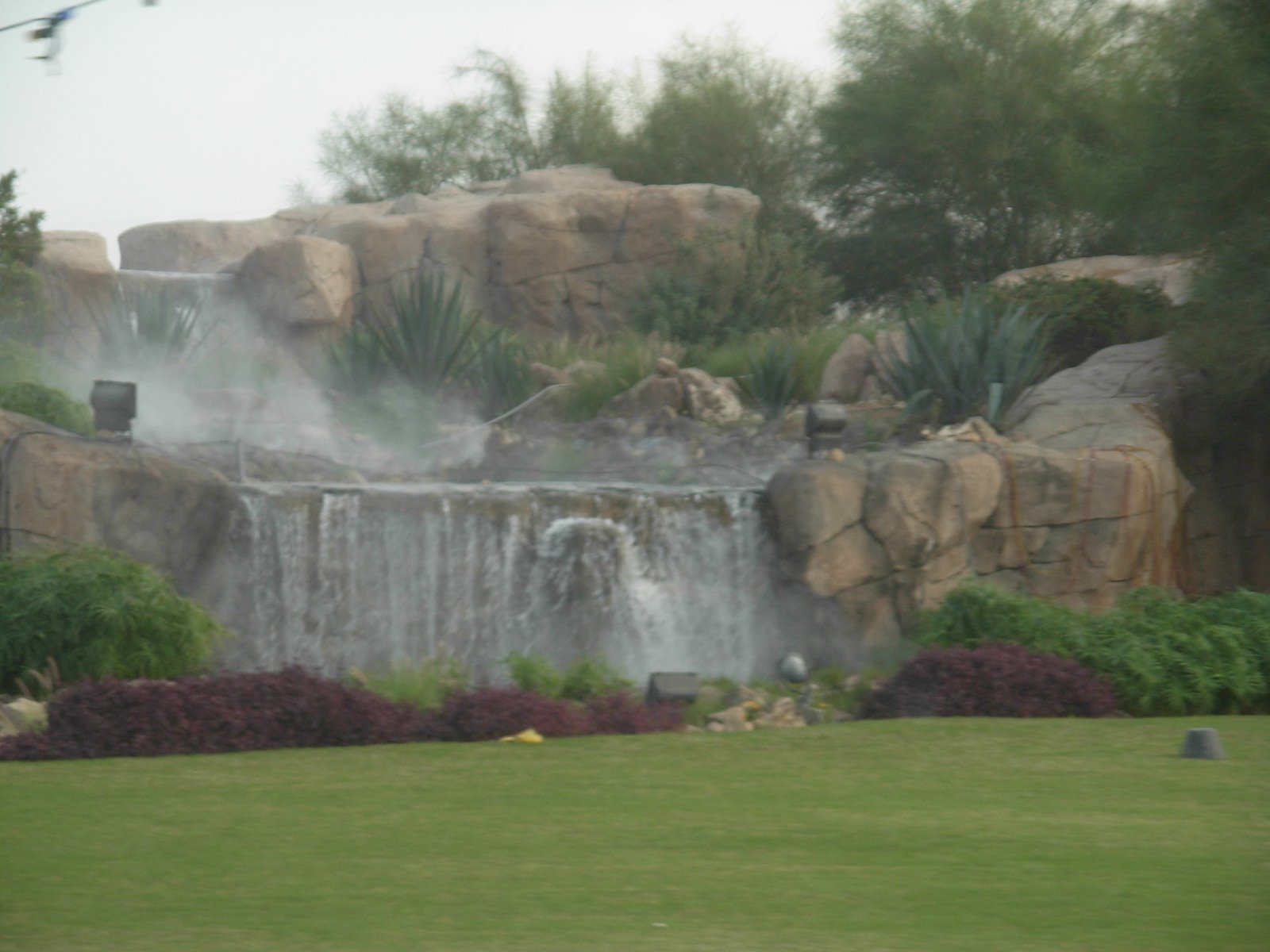

Al Ain Al Faydah – Hot Springs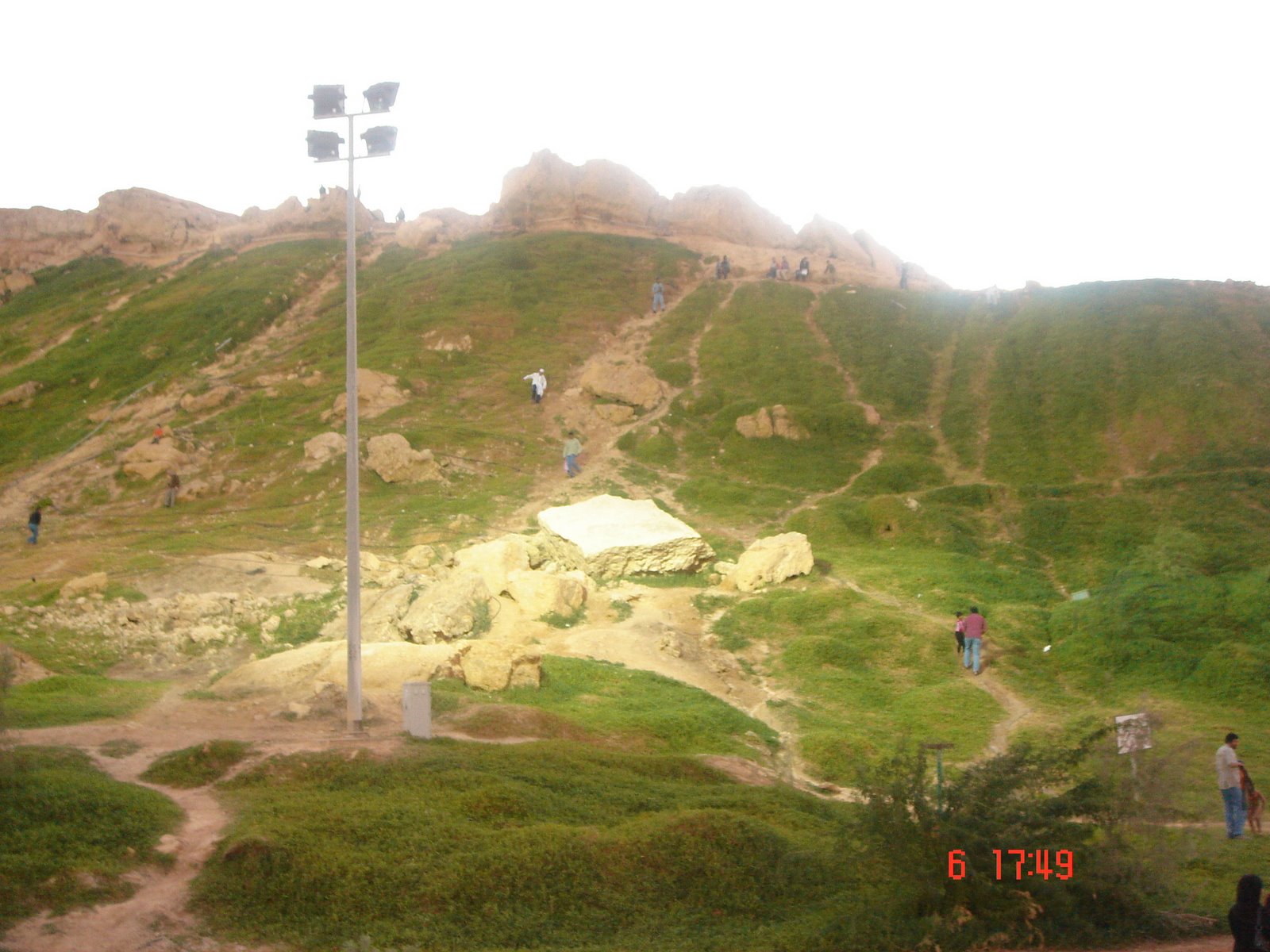
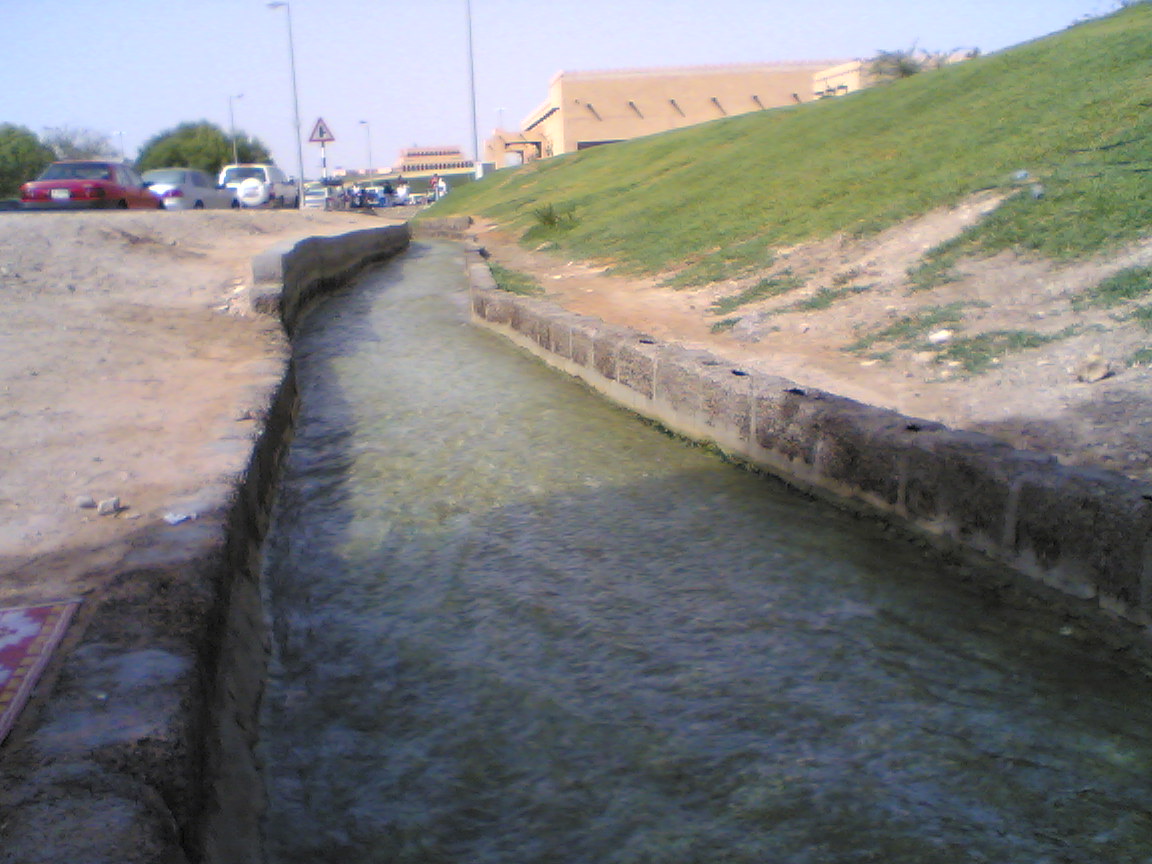
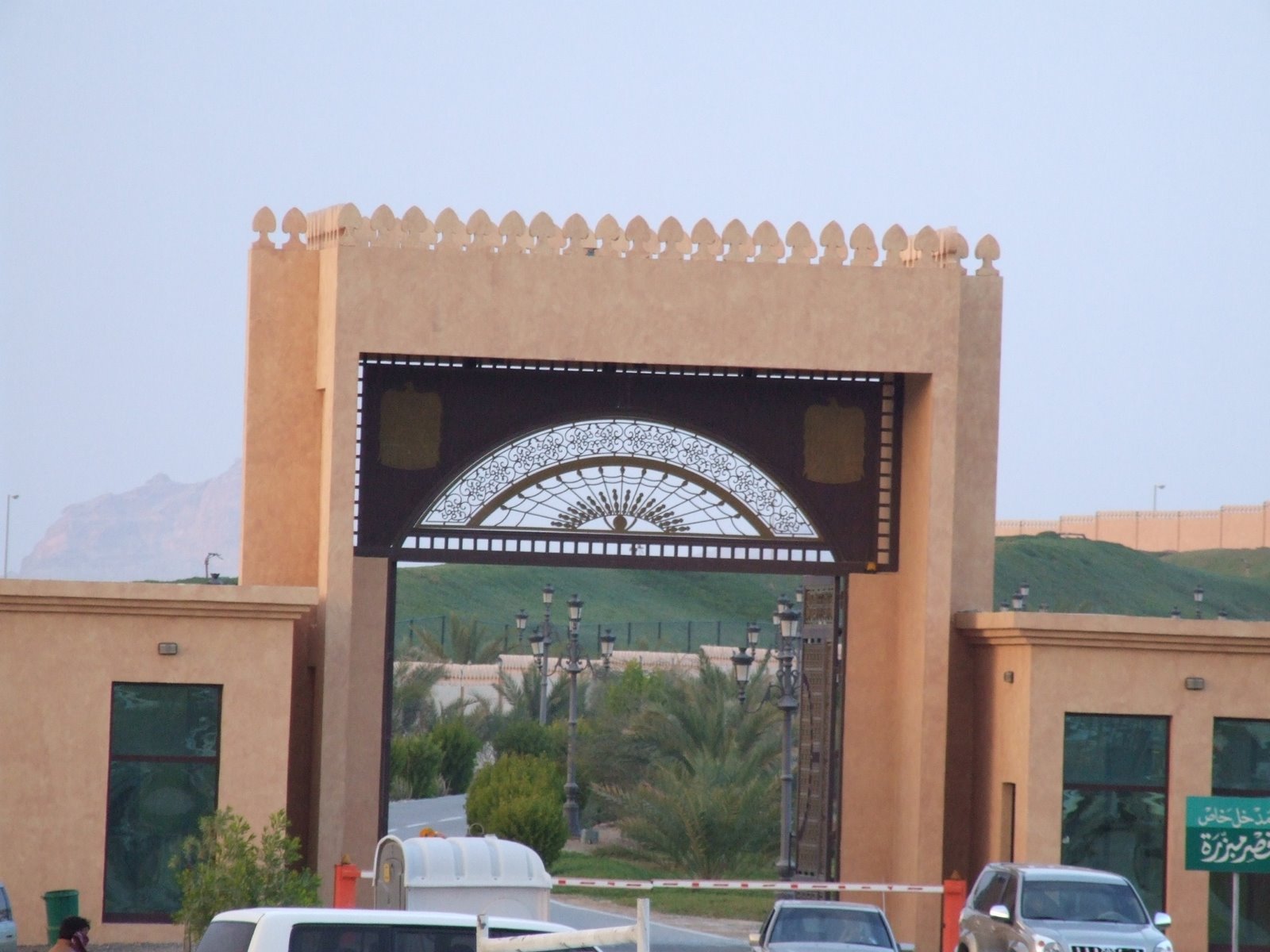
Scenes at Al Wathba Camel Farm on way to Al Ain from Abu Dhabi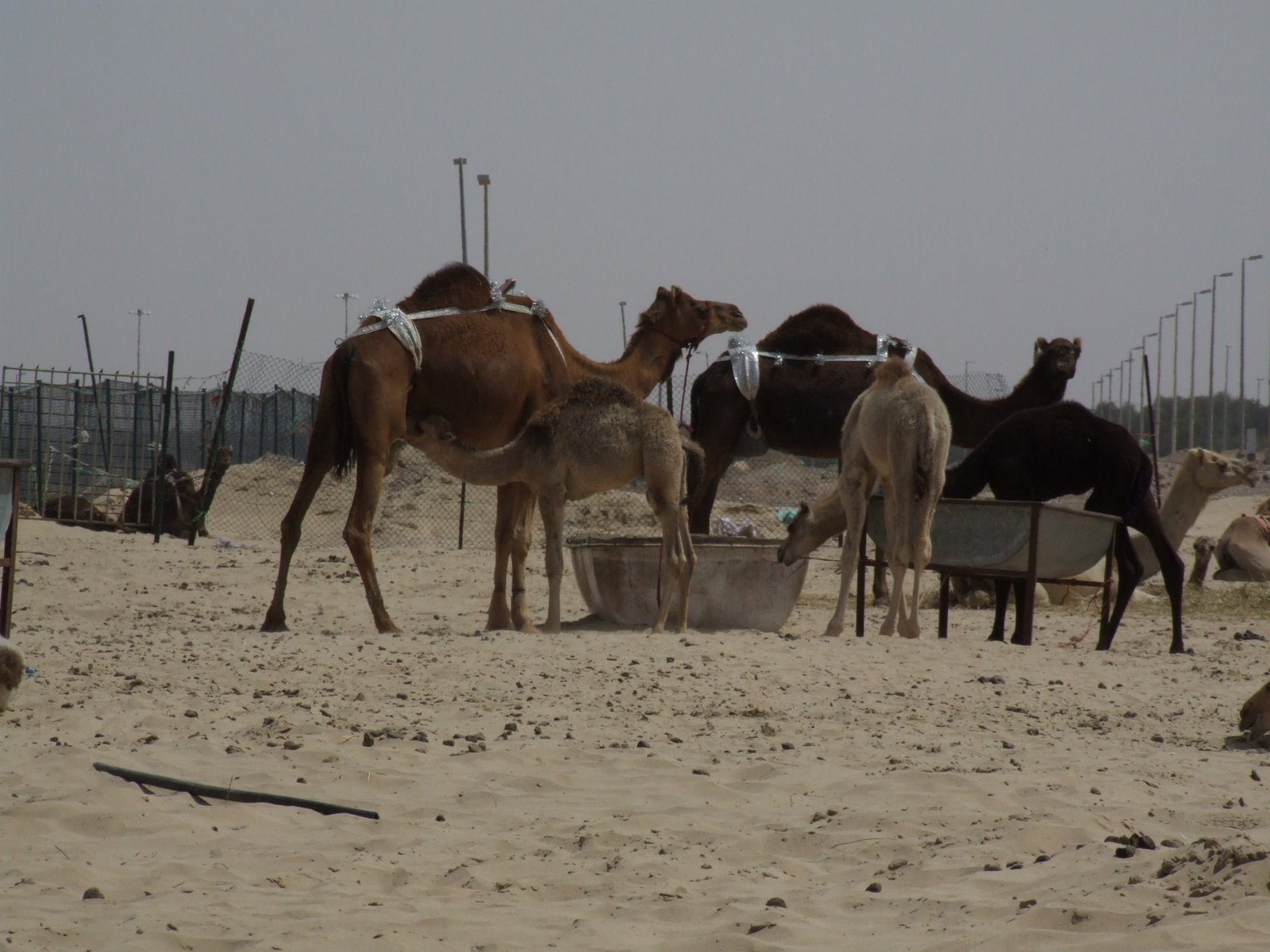
Jebel Hafeet Mountains – Al Ain
Reading Dubai’s road signs
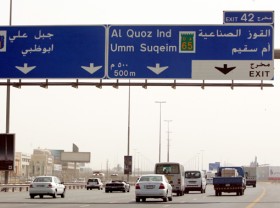
Reading Dubai’s road signs
By Ashfaq Ahmed, Staff Reporter GULF NEWS
The expansion of Dubai warrants the need for a state-of-the-art, simple addressing system for the entire City.
The addressing system should be compatible not only to suit the needs of the residents but also assist visitors in locating address of various places. The system is in place in most areas of the city, but the people are not just using it.
The Dubai Roads and Transport Authority (RTA) has decided to enforce the comprehensive address system in city. The Authority wants residents to shift from landmark based address system to a real address system.
“The system will be enforced because the city is expanding and the landmark based address system will not work in future,” said Engineer Bader Al Siri, Director of the Traffic Department at the Dubai Roads and Transport Authority. Plans to deliver postal mails, parcels, telephone, and water and electricity bills are on the cards.
People dealing with any departments will have to give their full house or office address in future instead of just post box numbers.
Al Siri said the people should know where they live and where they work, including building number, road or street name and number, and the community number. “It is also essential in case of emergencies,” he said.
He said the address system is very easy but people need to change their mindset and should learn the system instead of relying on landmarks to tell their home or office addresses.
The project for the comprehensive address system, including building numbers, road and street names and numbers and the community numbers started in early 1980s. So far, some 69 per cent of the city area has been covered. Some 20 per cent more will be covered in 2006 and 2007 and some more areas in 2008. “It is an ongoing process as the city is expanding, new areas will be covered as they will be developed,” Al Siri said.
Gulf News conducted an indepth study on road signs in Dubai in order to explain to its readers what they stand for, what they mean and how to follow them.
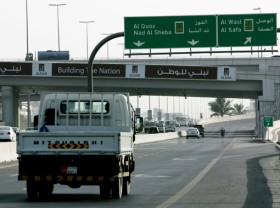
To start with, every one should have the latest edition of the Dubai Tourist Map, which is easily available in shops. The map is particularly required before the start of a trip by an individual, who is not familiar with Dubai roads.
Dubai is currently divided into nine sectors and each sector is further subdivided into a number of communities. There are currently 129 communities in Dubai are expected to reach 150 in a few years time with the development of new areas.
Each community possess a unique three-digit number and name. The Dubai tourist map shows the general location of the community within Dubai. For Example, if the community number is 376, it means that the area is located in Sector 3 and the community number is 76.
All main routes in Dubai are numbered. Highways connecting other emirates or main cities in the UAE are designated as Emirates Route or E-Route. They carry their number within a falcon emblem and possess two or three digits.
Four E-Routes pass through Dubai. They are E 11, connecting Abu Dhabi with Sharjah and Other Northern Emirates, E 44, connecting Dubai with Hatta, E 66 connecting Dubai with Al Ain and E 77 connecting Jebel Ali with Lahbab. The E-routes are the land routes to neighbouring countries as well. For example, E 11 connects the UAE with Saudi Arabia and Oman while E 44 connects the UAE with Oman.
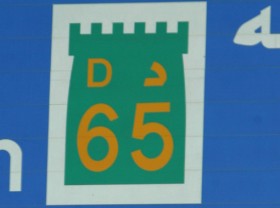
Main roads connecting areas within Dubai Emirates are designated as Dubai or D-Route. They carry a two- or three-digit number in a fort emblem.
D-Routes parallel to the coast are numbered evenly starting from D 94 and decreasing as one goes away from the coast whereas, D-Routes perpendicular to coast are numbered odd and increases as one moves away from Abu Dhabi to Sharjah.
Major roads surround a community and these roads usually possess a name and three-digit number.
Streets within a community possess two digits number (from 1 to 99) and these numbers are repeated in each community.
Buildings on each street are numbered sequentially. Except building numbers, all the information is available in the tourist map to assist drivers to plan his route prior to starting his journey.
Guide signs are placed on all approaches to an intersection and in advance of ramps and all the interchanges on numbered routes. Information containing in the guide signs is essential for the motorist during his journey. These signs help motorist to reach an area/community he is interested in.
Guide signs placed on approaches to intersections display the numbers of the intersecting routes, direction to be taken in order to reach to the intersecting routes and the name of the area or community where the route ends physically.
Each numbered route is associated with the destination that is the community name where the route ends physically along with a major intermediate destination. Motorist should know that guide signs placed on the roads will not display all the areas names through which the route passes.
In addition to the numbered routes, signs that provide assistance to motorist to facilities like hospital, parks, shopping centres, hotels, etc are called supplemental destination signs.
Special signs are placed on roads to guide motorists to these places. Information contained on these signs display the name of that facility along with their symbols and the direction to be taken in order to reach that facility.
Community maps are placed at the main entrance of the community and at locations where people can park and look at it. To help find your way every map has an arrow to show where you are currently located. It also shows other facilities located within that area like schools, parks, gas stations, mosques, parking lots and post offices.
Inside each community, each street is identified by a sign containing the street number and name. Street number signs are placed at all turnings into a community from the main road and all junctions within a community. Street number signs also contain community number.
A building number plate is placed near the main entrance of a building. Odd numbers are allocated for buildings on left of the street and even numbers are on the right.
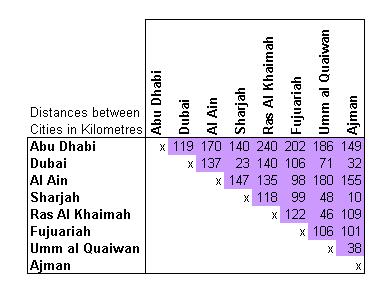
Distance between different Cities in UAE
All is not lost: 12 rules that can save you further losses
All is not lost: 12 rules that can save you further losses
With the markets sliding leaps and bounds, you need to keep your calm and find ways to cushion the free fall. In a book review of Zurich Axioms, our expert Kanu Doshi, talks about 12 strategies that can help you reduce your loss.
Reviewer’s Note:
The author (Max) son of a very wealthy Swiss citizen by name, Franz Heinrich, (whom Americans preferred to call Frank Henry), jotted down all the principles of speculation strategies, particularly in stocks, adopted by his father and his father’s several other Swiss friends to make large fortunes on the Wall Street in USA in roaring Eighties. Principles perfected by these Swiss gentlemen have therefore been called “Zurich Axioms” by Max.
Enumerated below are twelve major principles and sixteen minor ones with brief comments by Kanu Doshi on each of them:
First Major Axiom: On Risk
“Worry is not a sickness but sign of health. If you are not worried, you are not risking enough.”
Adventure is what makes life worth living. Every occupation has its aches and pains. The rich have to worry about their wealth. But, if there is a choice between remaining poor and worry-free, the selection is obvious. It is better to be wealthy and worried than to be worry-free and poor.
Minor Axiom I:
“Always play for Meaningful Stakes.”
If you invest Rs. 1000 and your investment doubles, you have only Rs. 2000 and are still poor! So if you want to be rich, you must increase your stakes.
Minor Axiom II:
“Resist the allure of diversification”.
Firstly, diversification negates the earlier principle of playing for meaningful stakes. Secondly, it may keep you where you began so that your gains on few will cancel out the losses on the other few. Thirdly, it entails keeping track of many more items leading to confusion and occasional panic.
Second Major Axiom: On Greed
“Always take your profit too soon.”
Lay investors having made the investment tend to stay too long on it out of greed for higher profits. But, one must conquer this weakness and book profits soon. If one is less greedy for more profits one will take in more. Don’t stretch your luck. In effect, it suggests, SELL sooner than later.
Minor Axiom III:
“Decide in advance what gain you want from the venture, and when you get it, get out. Decide where the finish line is before you start the race”.
This is self explanatory and hence needs no comment.
Third Major Axiom: On Hope
“When the ship starts to sink, don’t pray, jump”
This axiom is about what to do when things go wrong. Learn how to accept a loss. One should accept small losses to protect oneself from big ones. When the market starts falling, sell, take your money and run!
Minor Axiom IV:
“Accept small losses cheerfully as a fact of life.”
Expect to experience several smaller losses while awaiting a large gain.
Fourth Major Axiom: On Forecasts
“Human behavior cannot be predicted. Distrust anyone who claims to know the future, however dimly.”
The story of a monkey throwing darts on the stock exchange page of a newspaper, to select the companies to buy, and coming out a winner is too well known to be recited. Recent news from London, further proves the truth, when an untrained chemist’s stock selections, in a widely publicised contest open to all and sundry, registered higher appreciation over several full time highly qualified fund managers’ well researched selections. Human events cannot be predicted by any method by anyone and, hence, don’t trust anybody’s predictions.
Fifth Major Axiom: On Patterns
“Chaos is not dangerous until it begins to look orderly.”
The truth is that the world of money is a world of patternless disorder and utter chaos. This axiom is a commentary on Technical Analysis – a branch of investment strategies based on charts and patterns. The fact is, no formula that ignores own intuition’s dominant role can ever be trusted.
Minor Axiom V:
“Beware the Historian’s Trap”.
This is based on the age old but entirely unwarranted belief that history repeats itself.
Minor Axiom VI:
“Beware the Chartist’s Illusion”.
Life is never a straight line. Let us not be hypnotised by a line on a chart.
Minor Axiom VII:
“Beware the Co-relation and Causality Delusions.”
Don’t be taken in by coincidences in the market.
Minor Axiom VIII:
“Beware the Gambler’s Fallacy.”
There is a gambling theory which suggests that one should put small stakes initially and test their luck, and if these turn out well one should go for big stakes on the dice table. But this is not correct. It only shows that winning streaks happen. But nothing is orderly about it. You can’t know how long it will last or when it will strike.
Sixth Major Axiom: On Mobility
“Stay away from putting down roots. They impede motion”.
You may feel socially comforting to have roots. But in financial life, roots can cost a lot of money. Have a flexible approach while investing. This axiom implies a state of mind.
Minor Axiom IX:
“Do not become trapped in a souring venture because of sentiments like loyalty and nostalgia.”
Do not develop emotional attachment to your investment. You should feel free to sell when desired.
Minor Axiom X:
“Never hesitate to abandon a venture if something more attractive comes into view.”
Never get attached to things, but only to people. Otherwise it hits your mobility. Never get rooted in an investment. You should remain footloose, ready to jump away from trouble or into a profitable opportunity as and when circumstances demand.
Seventh Major Axiom: On Intuition
‘A hunch can be trusted if it can be explained.’
A good hunch is something that you know but you don’t know how to recognise it. When a hunch hits you, try to locate some data in your mind for any familiarity. Then only should you act on it.
Minor Axiom XI:
‘Never confuse a hunch with a hope’.
Be highly sceptical. Examine every hunch with extra care.
Eight Major Axiom: On Religion and The Occult
‘It is unlikely that god’s plan for the universe includes making you rich’.
You can’t only pray that you should be made rich. You will have to work at becoming rich. Mere prayers will not suffice.
Minor Axiom XII:
‘If Astrology worked, all astrologers would be rich.’
This is self explanatory. Don’t trust predictions.
Minor Axiom XIII:
‘As superstition need not be exorcised, it can be enjoyed provided it is kept in its place.’
In your day-to-day financial matters, act rationally. But, when buying a lottery ticket, give it a full play to amuse yourself.
Ninth Major Axiom: On Optimism and Pessimism
‘Optimism means expecting the best, but confidence means knowing how you will handle the worst. Never make a move if you are merely optimistic.’
In poker and a lot of other speculative worlds, things are never as bad as they seem – most of the times they are WORSE.
Confidence comes not from expecting the best but from knowing how you will handle the worst. Optimism can be treacherous because it makes you feel good.
Tenth Major Axiom: On Consensus
‘Disregard the majority opinion. It is probably wrong’.
It is likely that the Truth has been found out by a few rather than by many.
Minor Axiom XIV:
‘Never follow speculative fads. Often, the best time to buy something is when nobody else wants it.’
This is the best way to get a good stock cheaply.
Eleventh Major Axiom: On Stubbornness
‘If it doesn’t pay off the first time, forget it’.
If at first you don’t succeed, try and try again and you will succeed in the end. This is good advice for spiders and kings but not for ordinary persons with regard to financial matters. Every trial is a costly error.
Minor Axiom XV:
‘Never try to save a bad investment by averaging down.’
If the price of the stock goes down after your purchase don’t buy more to bring down’ the average cost of your total holding. Investigate why the price went down rather than put good money in a bad bargain.
Twelfth Major Axiom: On Planning
‘Long-range plans engender the dangerous belief that the future is under control. It is important never to take your own long-range plans, or other people’s seriously.’
This is self explanatory and hence needs no comment.
Minor Axiom XVI:
‘Shun long-term investments.’
If possible try to stay away fro long-term investments. The author noticed that the Swiss group never took a long-term view of their stock purchases. They always sold out as soon as their targeted profit was achieved.
How to Stay Alert While Driving
How to Stay Alert While Driving
Driving drowsy is as dangerous as driving drunk. Numbers are hard to pin
down, but experts at the U.S. Department of Transportation put conservative
estimates at 40,000 injuries and 150 fatalities per year as a result of
drivers’ sleepiness.
Steps:
1. Get a good night’s sleep, and plan around your body clock so you drive
at the times of the day when you are most alert.
2. Take a 10- to 15-minute break to exercise, stretch or walk briskly
after every 2 hours you drive.
3. Let someone else do a share of the driving. Divide the driving into
blocks of no more than about 4 hours for each driver.
4. Eat regularly to keep blood-sugar levels even, but be mindful of what
you eat. A candy bar won’t help much once the initial sugar buzz wears off.
To stay alert, the body requires good nutrition.
5. Drink coffee or tea (or another form of caffeine) for a temporary fix.
Keep in mind that caffeine does not take the place of adequate sleep.
6. Don’t drink alcohol.
7. Avoid medicines that make you drowsy, including antihistamines, some
antidepressants, cold and cough medications, and some prescription
medicines. If the label warns, “Do not operate heavy machinery,” you are
being warned not to drive a car.
8. Learn to recognize drowsiness. Among the signs: You keep yawning, your
head nods, your mind wanders, you feel eyestrain, or your eyes want to
close or have trouble staying focused. It all means that you need a break
from driving.
9. Take a nap if you’re sleepy, even if you can’t get to a bed. You’ll
have to judge your surroundings, but you’re probably safer napping for a
half-hour in a locked car pulled over to the side of the road than you are
driving drowsy.
Tips:
Some drugs cause drowsiness for the first few days, so take extra care
when you start taking any new medicine.
Warnings:
If you ignore signs of drowsy driving, you not only put yourself at risk,
but also your passengers and everyone else on the road.
Watch for signs of a sleep disorder: falling asleep at inappropriate times
(such as at a movie theater), snoring loudly, feeling tired when you wake
up, or disrupting sleep because of breathing problems (a condition called
obstructive sleep apnea).
Careless driving cited for rise in fiery crashes
Careless driving cited for rise in fiery crashes
By Bassam Za’za’ and Alia Al Theeb, Staff Reporters GULF NEWS Published: October 07, 2007, 23:06
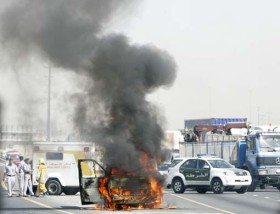
Dubai: Five people have been killed in separate traffic incidents in 24 hours, with three burning to death in a horrific crash yesterday.
Three people, believed to be two Colombians and an Omani, burnt to death in a collision on the Dubai-Al Ain road. A driver, believed to be Omani, was speeding in his four-wheel drive when he lost control and rammed into a car (carrying the other victims) which was parked on the shoulder ahead of the sixth interchange on the Dubai-Al Ain road. The accident took place at about 11am.
“The strong impact tossed the vehicles 98.1 metres before the three victims were burnt completely. The suspected Omani driver seems to have been fatigued, sleepy or was busy with something inside his vehicle when he lost control and rammed the other car. Investigations are ongoing to identify the victims and the causes,” Salah Bu Farousha, Head of the Traffic Public Prosecution, told Gulf News two hours after the accident.
No braking signs
The impact pushed the vehicles from the right-hand lane into the hard shoulder of the road before they were burnt completely, he explained.
Preliminary investigations showed that the driver of the four-wheel drive wasn’t paying attention as he did not try to brake but rammed into the other vehicle, Bu Farousha revealed to Gulf News. The Head of Traffic Public Prosecution called on motorists to refrain from parking their cars in a dangerous manner on shoulders of roads, especially on highways, without using warning lights.
In an accident on Saturday, a Russian woman driver ran over a man who was trying to cross Emirates Road. In a separate accident on Saturday, a motorcyclist was killed as he was speeding and riding his motorbike recklessly. As a result, he lost control and his motorbike skidded near Al Khawaneej Roundabout on the road toward Sharjah.
Dubai: Third fatal accident in about 10 days
This is the third major accident involving more than three casualties in about 10 days on Dubai roads. In the first accident, a minibus swerved on Emirates Road and seven workers from Thailand who had just arrived were killed on the spot.
The second accident happened in a Karama tunnel when a speeding car hit the kerb and overturned.
The car exploded in flames and burnt within 90 seconds, killing five men in it.
 ClicksandWrites
You must be logged in to post a comment.