UAE
Al Ain
Al Ain
Known as the Garden City, Al Ain was once a vital oasis on the caravan route to Oman. Situated just 148 km east of the capital, Al Ain boasts several historical forts and archaeological sites. Fascinating insights into its origins can be found at the Al Ain Museum and the Natural History Museum at the University of Al Ain, both of which feature displays on life before the discovery of oil in the region.
The Hili Archaeological Garden has remnants of a Bronze Age settlement dating back to 2500 – 2000 BC. This site is the source of some of the richest archaeological finds in the area, several of which are believed to be more than 4,000 years old. The Jahili Fort, once home to the late ruler Sheikh Zayed bin Sultan Al Nahyan, is notable for its impressive main turret, which has four levels.
Al Ain is the most fertile region in the country, and its oasis supports a host of palm plantations and working farms. The city’s many parks are all beautifully kept and well worth a visit. Featuring play areas, benches under shady trees, meandering walkways and elaborate fountains, they offer tranquil hideaways for visitors and residents alike.
The Al Ain Zoo and Aquarium, spread over 400 hectares, is one of the largest in the Gulf region. It is home to a wide variety of species, both common and rare, and runs an ongoing breeding programme for endangered animals.
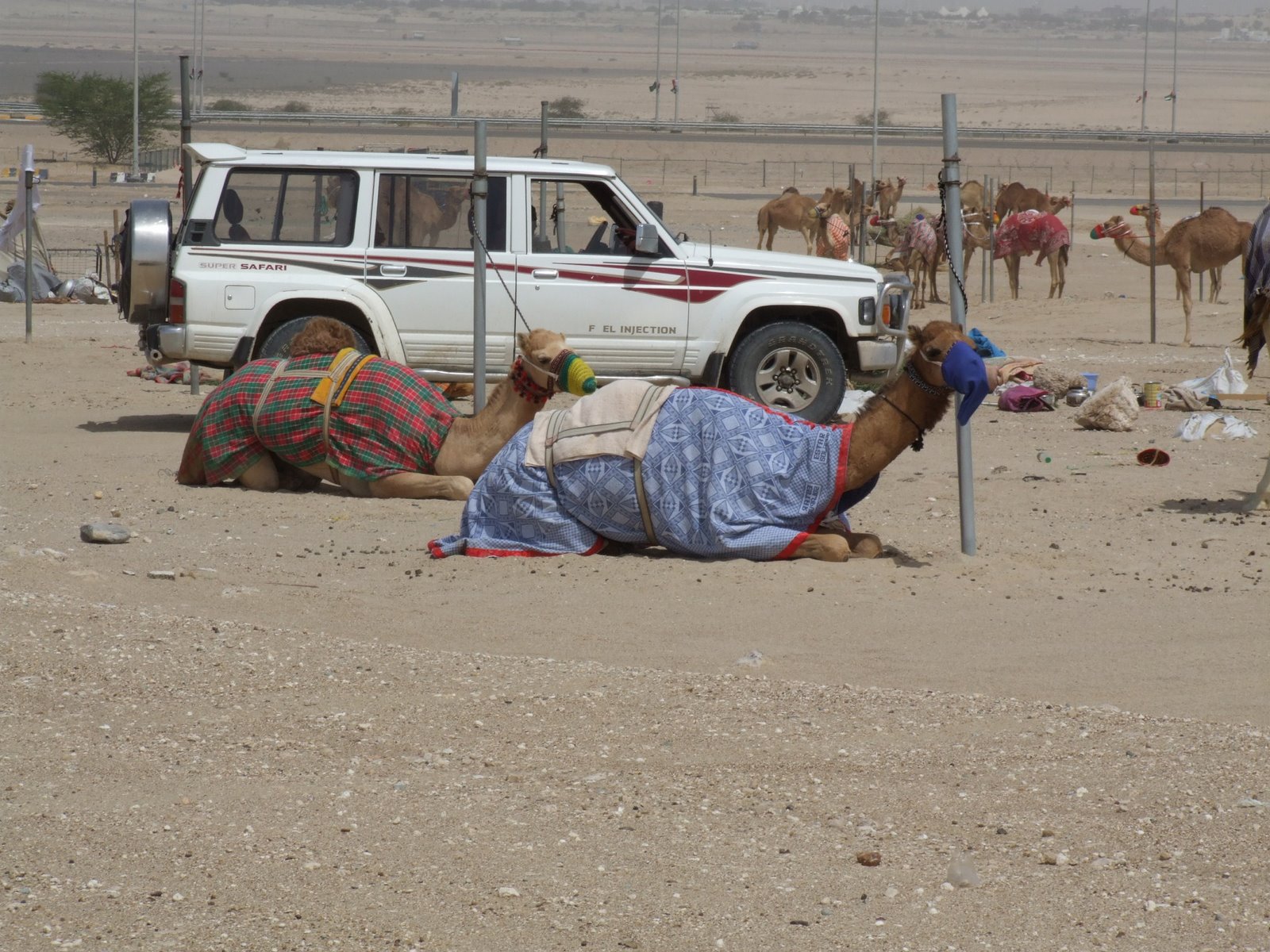
The city’s camel market is well known throughout the country and is the last of its kind. It provides the opportunity to see and hear traders discussing prices and listing the merits of their prized camels. The nearby animal souk is a similar experience, although it specialises in the sale of sheep, goats and other livestock.
Al Ain’s Old Prison affords the best views of the city and its surrounding oasis. It is a lone square turret in the centre of a gravel courtyard, surrounded by high walls. At night this historical building is illuminated, and offers a beautiful view when seen from the nearby camel market.
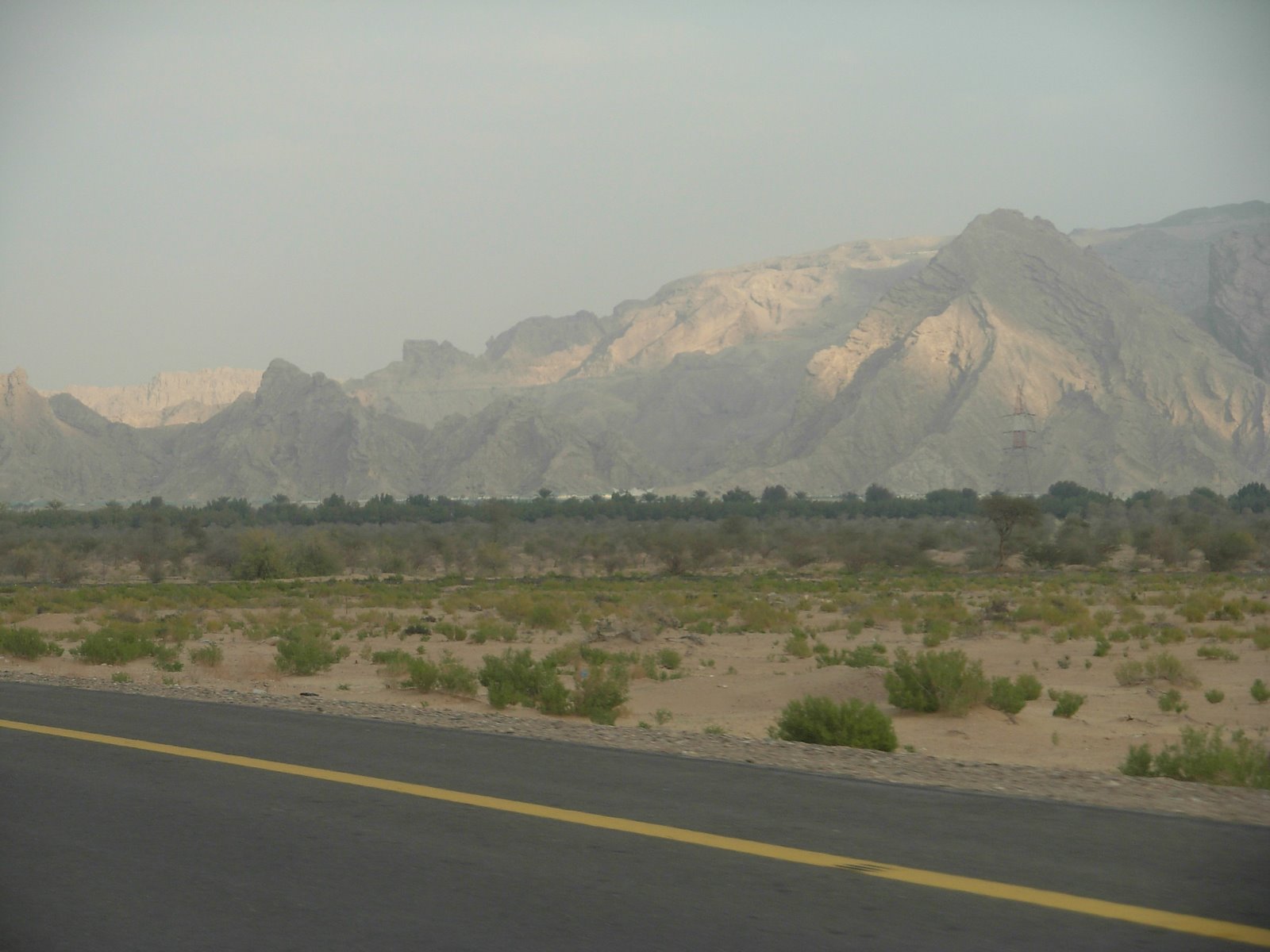
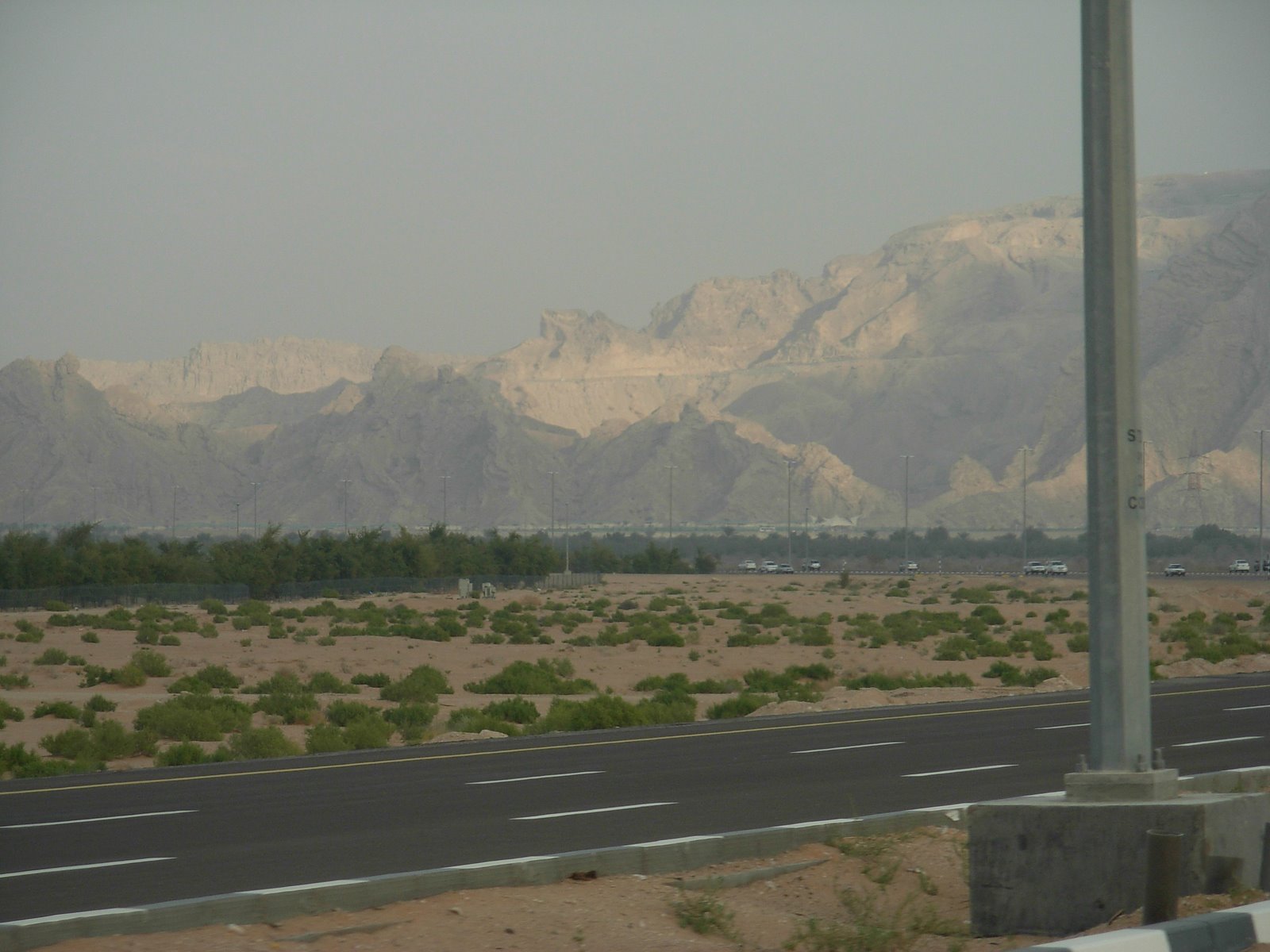
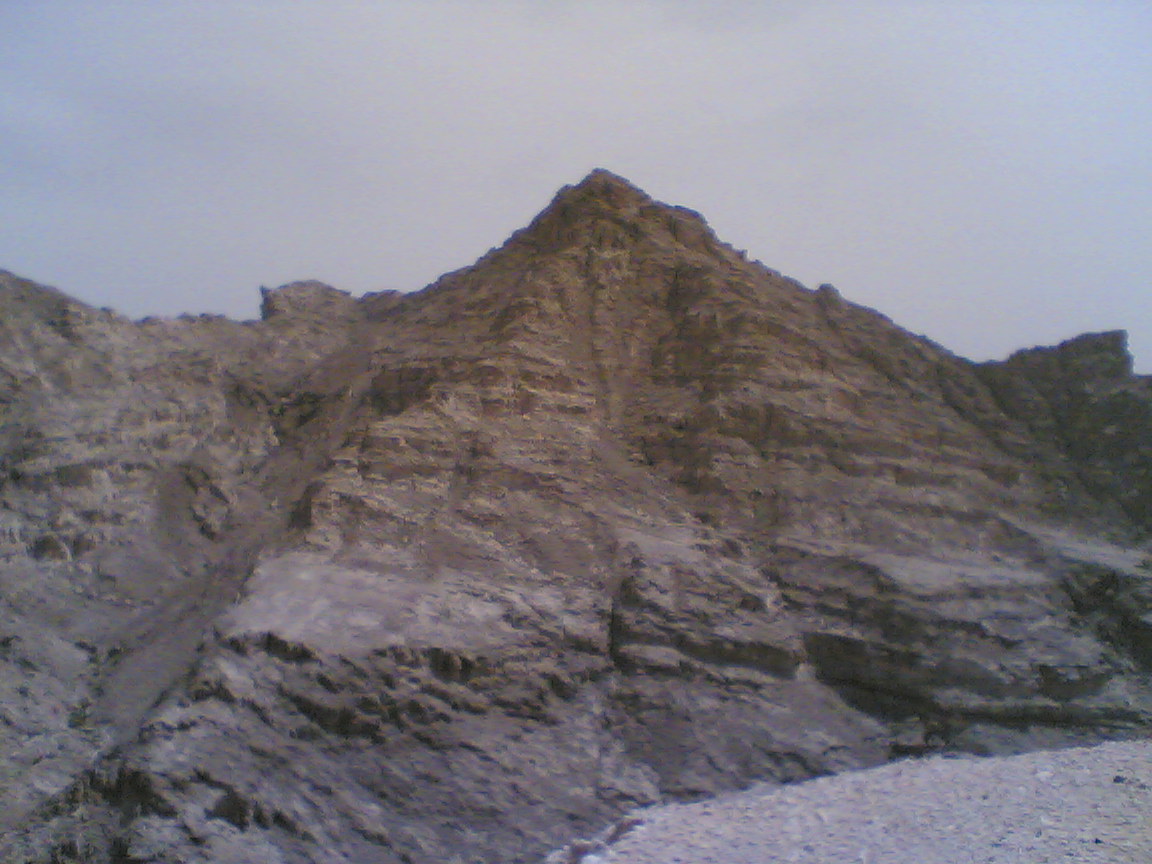
Overlooking the city is the majestic Jebel Hafeet, the highest mountain in the country. A road leads to the summit offering spectacular views in all directions. At its base are Ain Al Faydah natural spring and the Green Mubazzarah tourism resort.
Al Ain Roads & Streets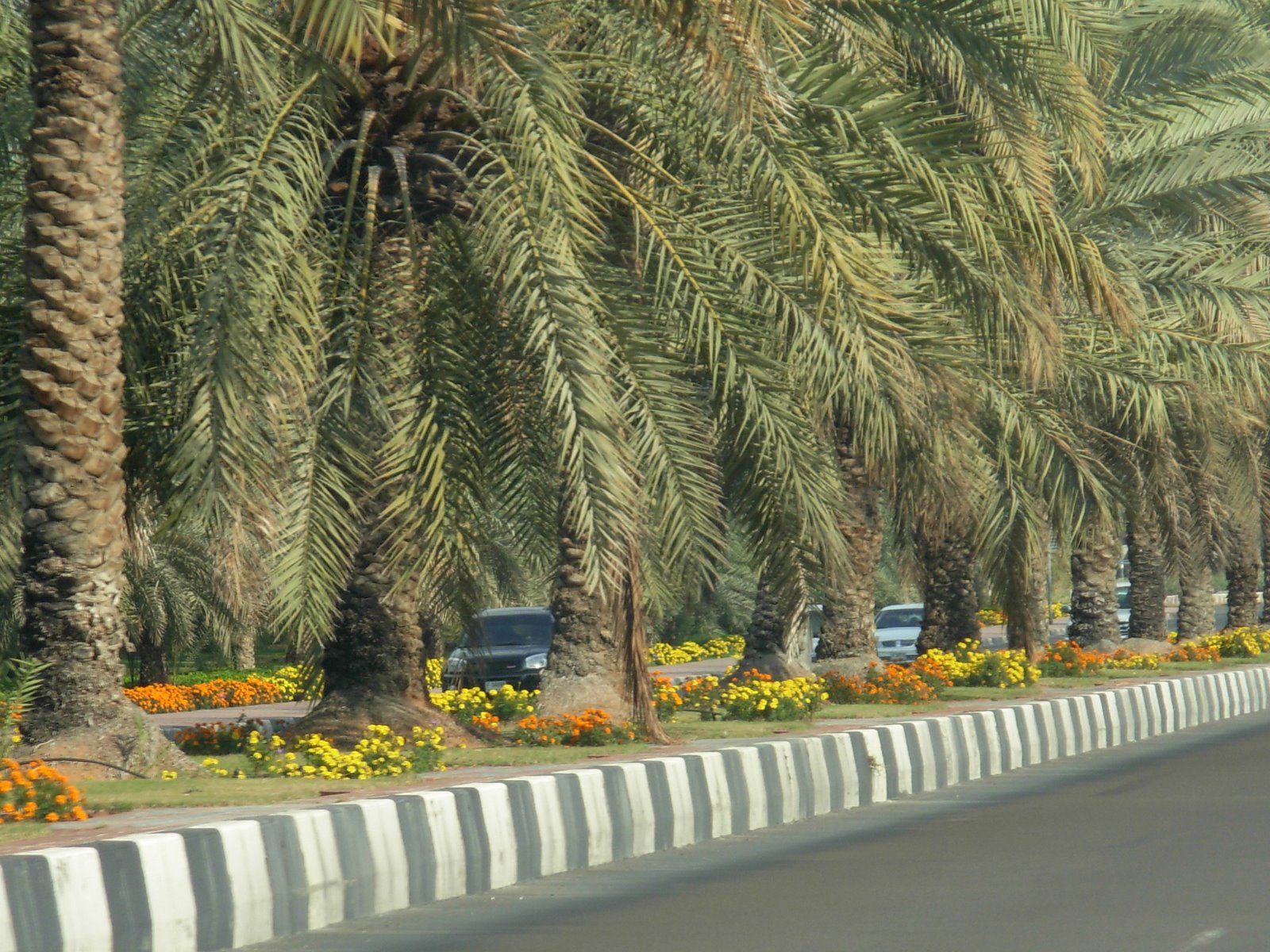
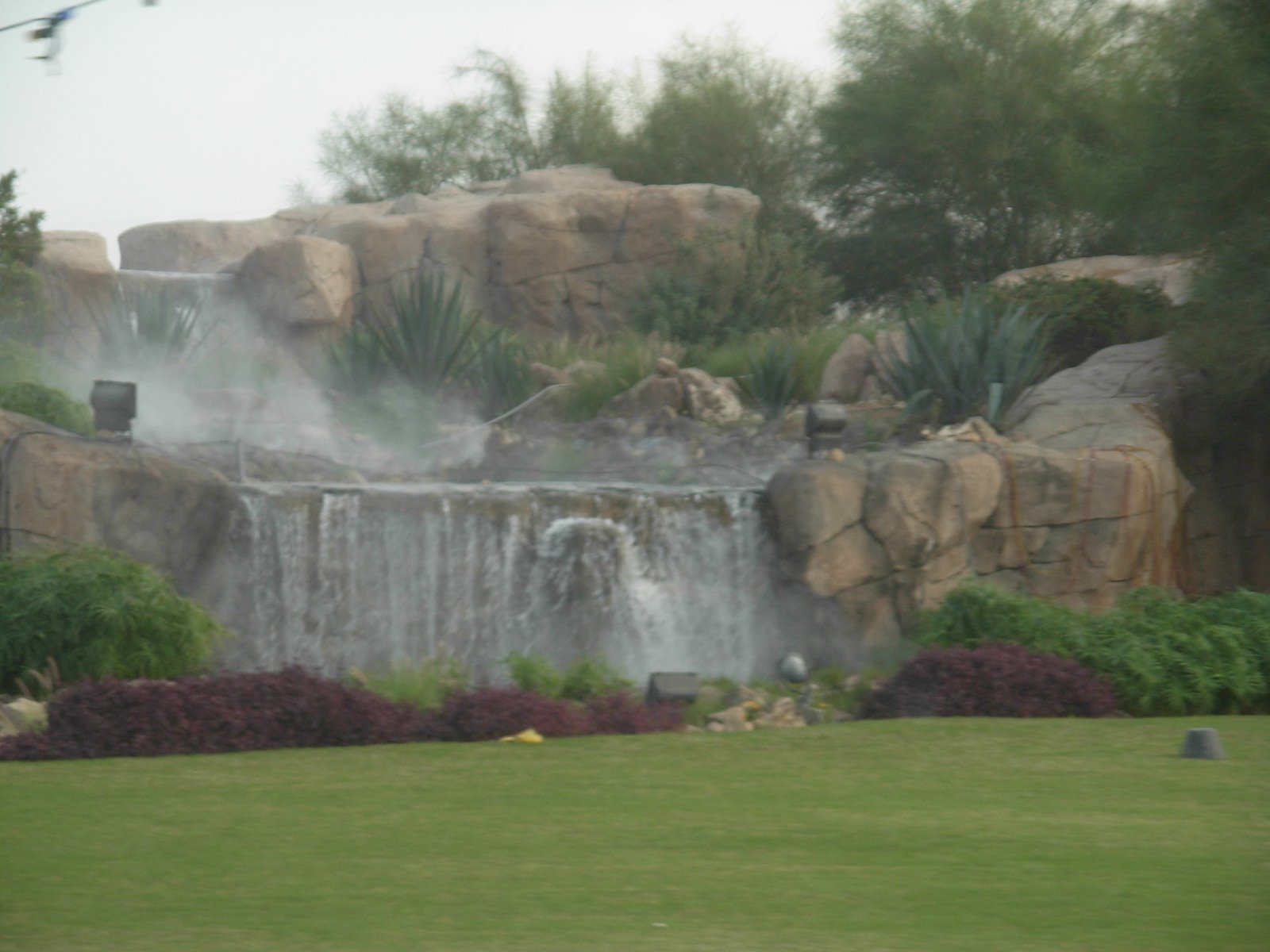

Al Ain Al Faydah – Hot Springs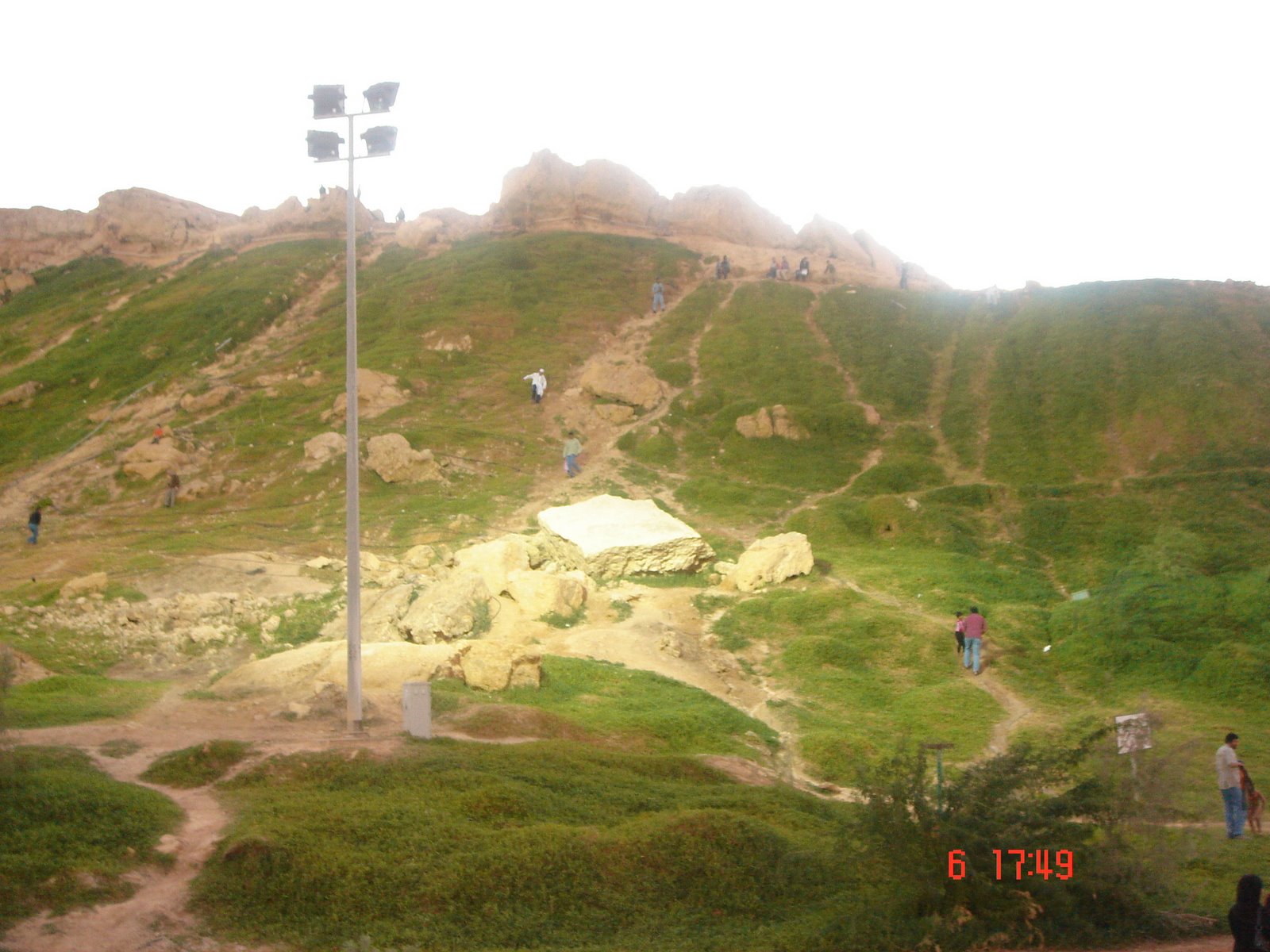
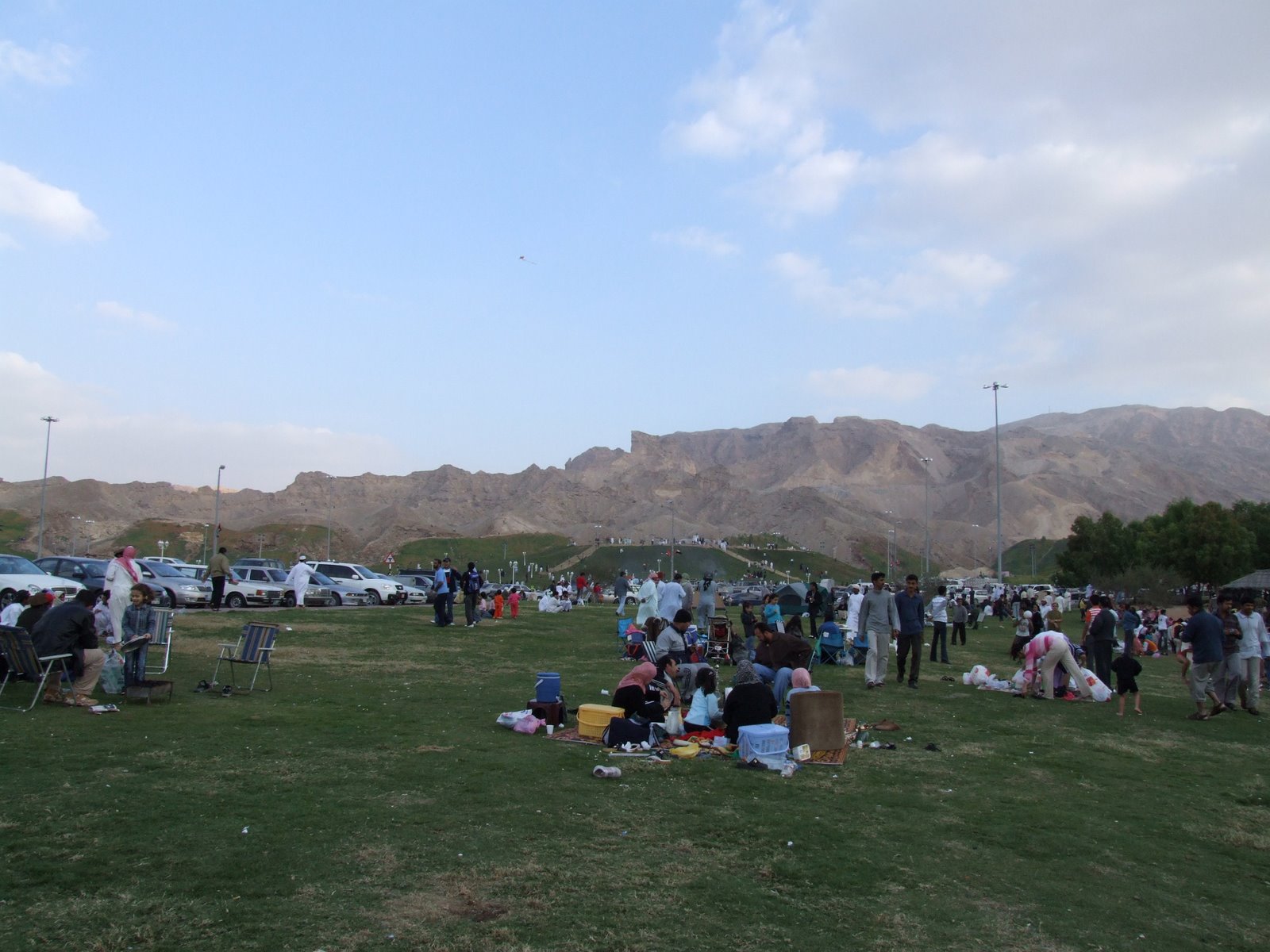
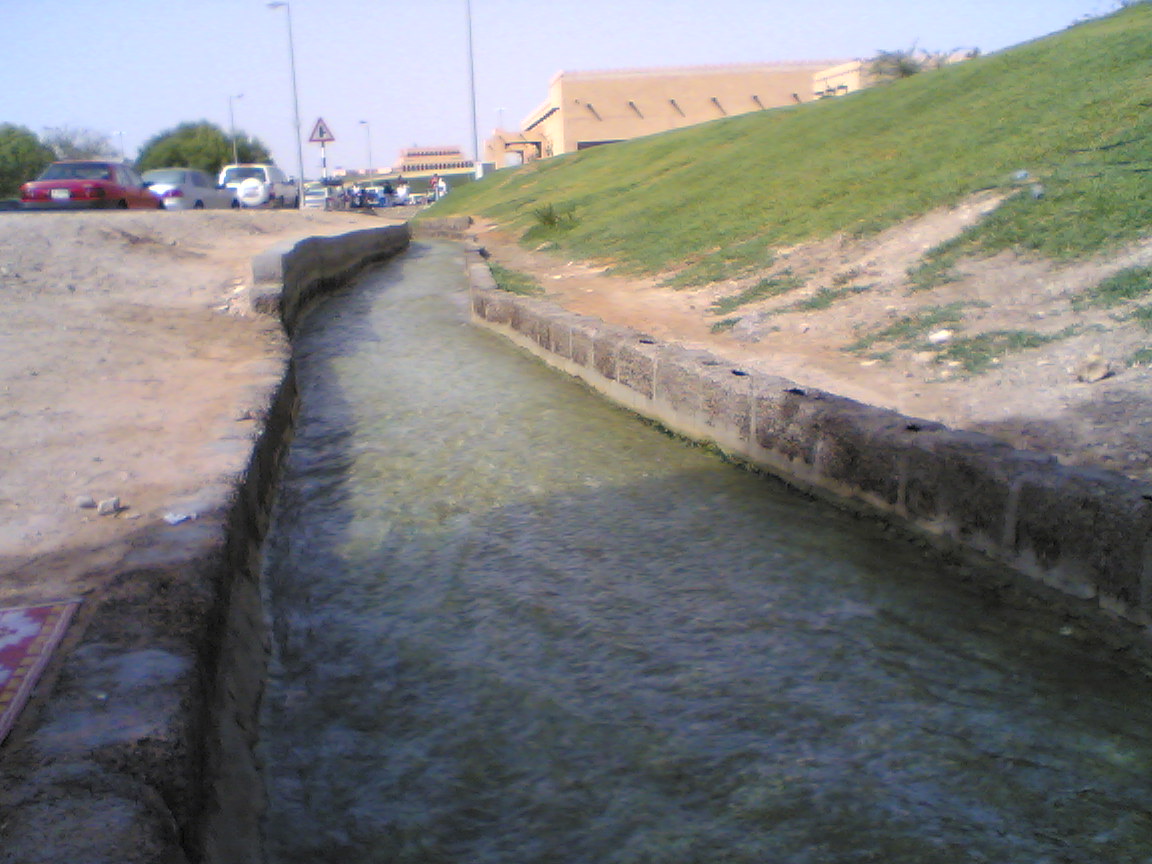
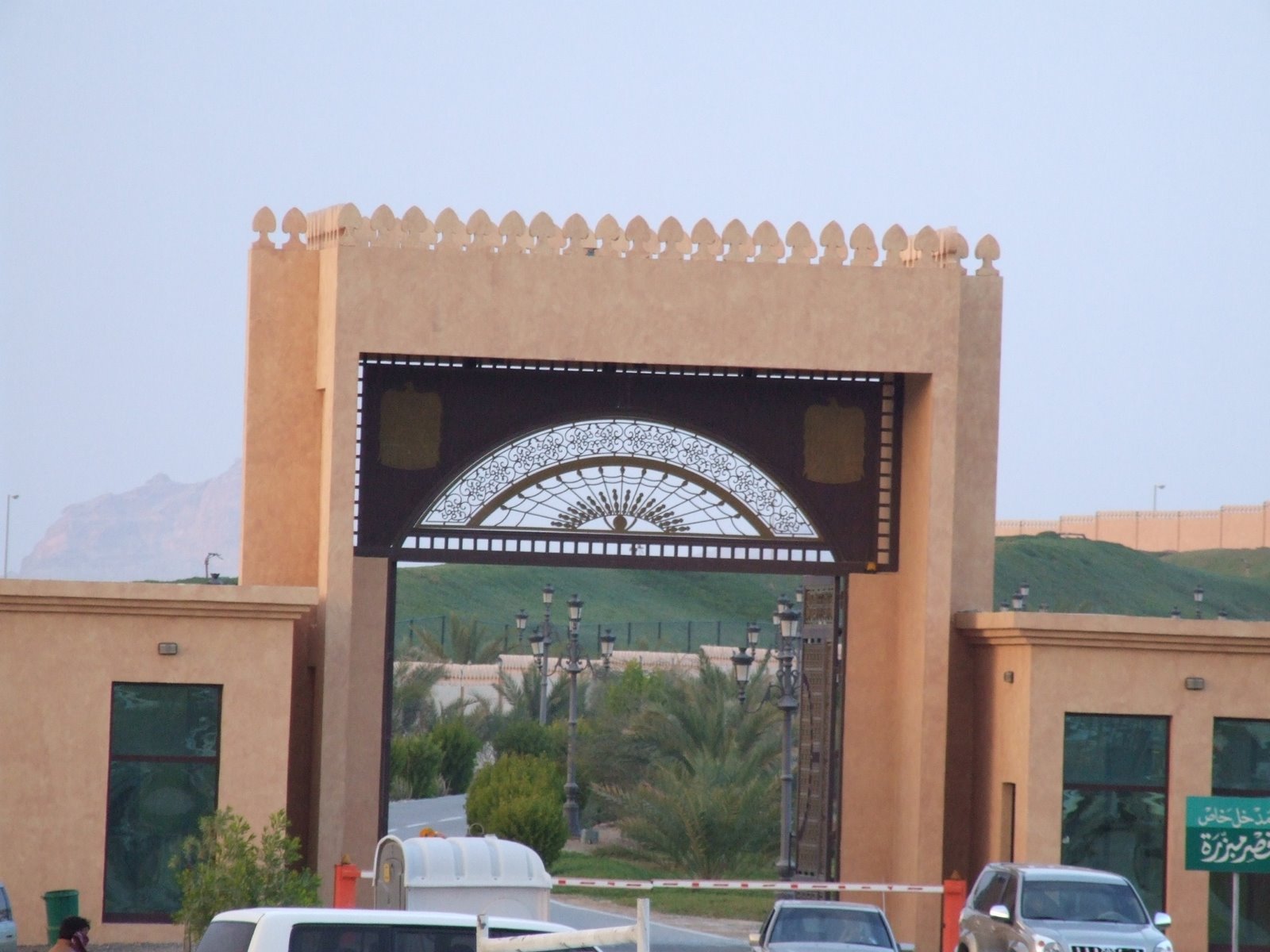
Scenes at Al Wathba Camel Farm on way to Al Ain from Abu Dhabi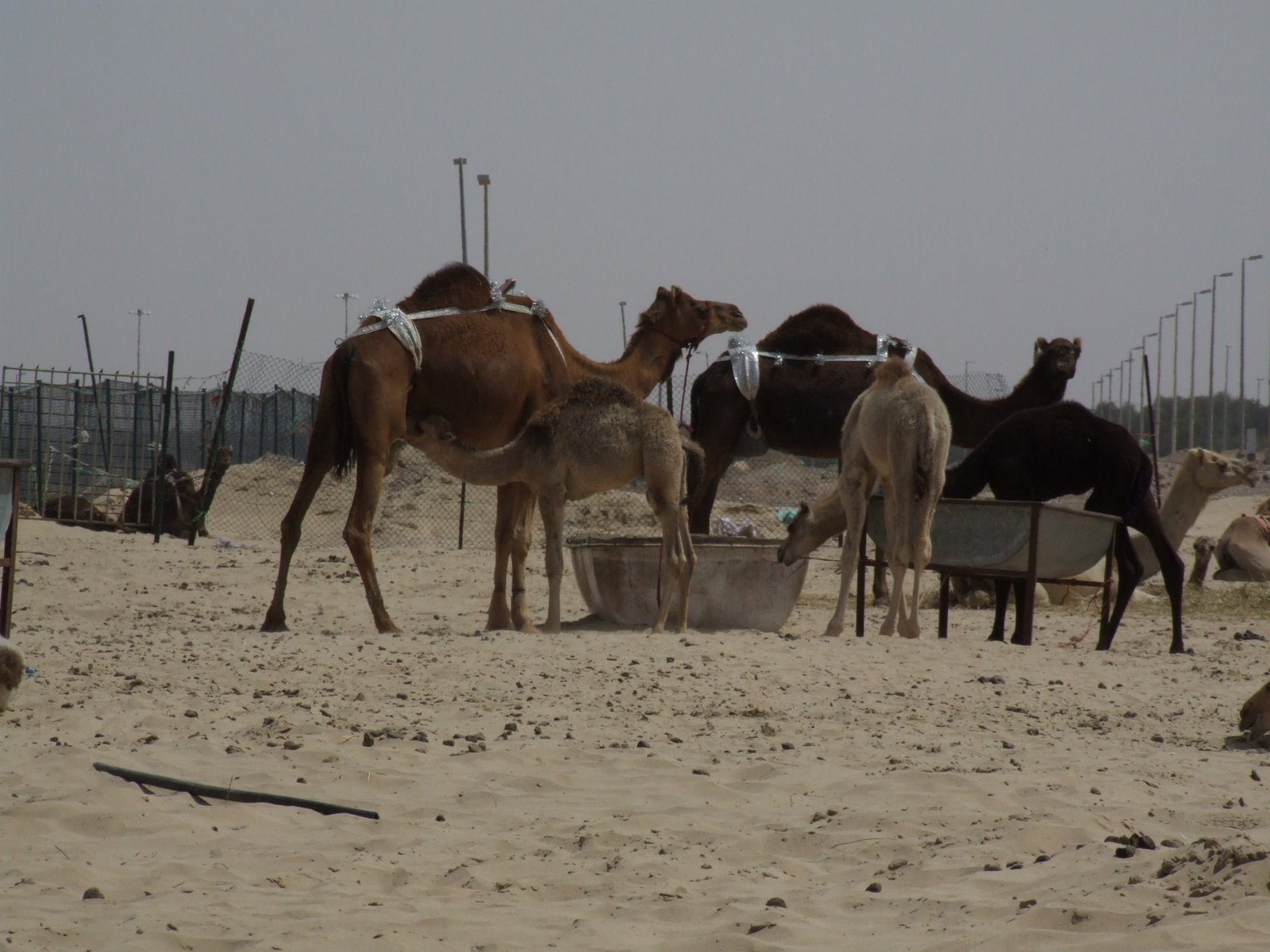
Jebel Hafeet Mountains – Al Ain
Reading Dubai’s road signs
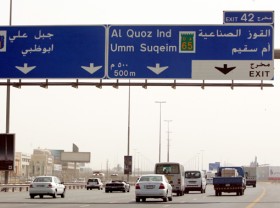
Reading Dubai’s road signs
By Ashfaq Ahmed, Staff Reporter GULF NEWS
The expansion of Dubai warrants the need for a state-of-the-art, simple addressing system for the entire City.
The addressing system should be compatible not only to suit the needs of the residents but also assist visitors in locating address of various places. The system is in place in most areas of the city, but the people are not just using it.
The Dubai Roads and Transport Authority (RTA) has decided to enforce the comprehensive address system in city. The Authority wants residents to shift from landmark based address system to a real address system.
“The system will be enforced because the city is expanding and the landmark based address system will not work in future,” said Engineer Bader Al Siri, Director of the Traffic Department at the Dubai Roads and Transport Authority. Plans to deliver postal mails, parcels, telephone, and water and electricity bills are on the cards.
People dealing with any departments will have to give their full house or office address in future instead of just post box numbers.
Al Siri said the people should know where they live and where they work, including building number, road or street name and number, and the community number. “It is also essential in case of emergencies,” he said.
He said the address system is very easy but people need to change their mindset and should learn the system instead of relying on landmarks to tell their home or office addresses.
The project for the comprehensive address system, including building numbers, road and street names and numbers and the community numbers started in early 1980s. So far, some 69 per cent of the city area has been covered. Some 20 per cent more will be covered in 2006 and 2007 and some more areas in 2008. “It is an ongoing process as the city is expanding, new areas will be covered as they will be developed,” Al Siri said.
Gulf News conducted an indepth study on road signs in Dubai in order to explain to its readers what they stand for, what they mean and how to follow them.
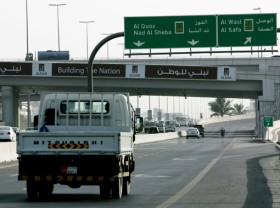
To start with, every one should have the latest edition of the Dubai Tourist Map, which is easily available in shops. The map is particularly required before the start of a trip by an individual, who is not familiar with Dubai roads.
Dubai is currently divided into nine sectors and each sector is further subdivided into a number of communities. There are currently 129 communities in Dubai are expected to reach 150 in a few years time with the development of new areas.
Each community possess a unique three-digit number and name. The Dubai tourist map shows the general location of the community within Dubai. For Example, if the community number is 376, it means that the area is located in Sector 3 and the community number is 76.
All main routes in Dubai are numbered. Highways connecting other emirates or main cities in the UAE are designated as Emirates Route or E-Route. They carry their number within a falcon emblem and possess two or three digits.
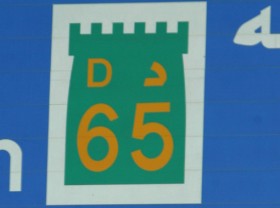
Four E-Routes pass through Dubai. They are E 11, connecting Abu Dhabi with Sharjah and Other Northern Emirates, E 44, connecting Dubai with Hatta, E 66 connecting Dubai with Al Ain and E 77 connecting Jebel Ali with Lahbab. The E-routes are the land routes to neighbouring countries as well. For example, E 11 connects the UAE with Saudi Arabia and Oman while E 44 connects the UAE with Oman.
Main roads connecting areas within Dubai Emirates are designated as Dubai or D-Route. They carry a two- or three-digit number in a fort emblem.
D-Routes parallel to the coast are numbered evenly starting from D 94 and decreasing as one goes away from the coast whereas, D-Routes perpendicular to coast are numbered odd and increases as one moves away from Abu Dhabi to Sharjah.
Major roads surround a community and these roads usually possess a name and three-digit number.
Streets within a community possess two digits number (from 1 to 99) and these numbers are repeated in each community.
Buildings on each street are numbered sequentially. Except building numbers, all the information is available in the tourist map to assist drivers to plan his route prior to starting his journey.
Guide signs are placed on all approaches to an intersection and in advance of ramps and all the interchanges on numbered routes. Information containing in the guide signs is essential for the motorist during his journey. These signs help motorist to reach an area/community he is interested in.
Guide signs placed on approaches to intersections display the numbers of the intersecting routes, direction to be taken in order to reach to the intersecting routes and the name of the area or community where the route ends physically.
Each numbered route is associated with the destination that is the community name where the route ends physically along with a major intermediate destination. Motorist should know that guide signs placed on the roads will not display all the areas names through which the route passes.
In addition to the numbered routes, signs that provide assistance to motorist to facilities like hospital, parks, shopping centres, hotels, etc are called supplemental destination signs.
Special signs are placed on roads to guide motorists to these places. Information contained on these signs display the name of that facility along with their symbols and the direction to be taken in order to reach that facility.
Community maps are placed at the main entrance of the community and at locations where people can park and look at it. To help find your way every map has an arrow to show where you are currently located. It also shows other facilities located within that area like schools, parks, gas stations, mosques, parking lots and post offices.
Inside each community, each street is identified by a sign containing the street number and name. Street number signs are placed at all turnings into a community from the main road and all junctions within a community. Street number signs also contain community number.
A building number plate is placed near the main entrance of a building. Odd numbers are allocated for buildings on left of the street and even numbers are on the right.
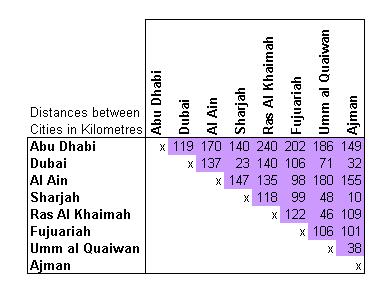
Distance between different Cities in UAE
Careless driving cited for rise in fiery crashes
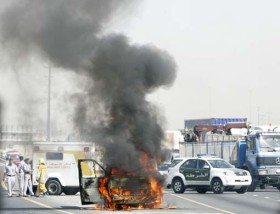
Careless driving cited for rise in fiery crashes
By Bassam Za’za’ and Alia Al Theeb, Staff Reporters GULF NEWS Published: October 07, 2007, 23:06
Dubai: Five people have been killed in separate traffic incidents in 24 hours, with three burning to death in a horrific crash yesterday.
Three people, believed to be two Colombians and an Omani, burnt to death in a collision on the Dubai-Al Ain road. A driver, believed to be Omani, was speeding in his four-wheel drive when he lost control and rammed into a car (carrying the other victims) which was parked on the shoulder ahead of the sixth interchange on the Dubai-Al Ain road. The accident took place at about 11am.
“The strong impact tossed the vehicles 98.1 metres before the three victims were burnt completely. The suspected Omani driver seems to have been fatigued, sleepy or was busy with something inside his vehicle when he lost control and rammed the other car. Investigations are ongoing to identify the victims and the causes,” Salah Bu Farousha, Head of the Traffic Public Prosecution, told Gulf News two hours after the accident.
No braking signs
The impact pushed the vehicles from the right-hand lane into the hard shoulder of the road before they were burnt completely, he explained.
Preliminary investigations showed that the driver of the four-wheel drive wasn’t paying attention as he did not try to brake but rammed into the other vehicle, Bu Farousha revealed to Gulf News. The Head of Traffic Public Prosecution called on motorists to refrain from parking their cars in a dangerous manner on shoulders of roads, especially on highways, without using warning lights.
In an accident on Saturday, a Russian woman driver ran over a man who was trying to cross Emirates Road. In a separate accident on Saturday, a motorcyclist was killed as he was speeding and riding his motorbike recklessly. As a result, he lost control and his motorbike skidded near Al Khawaneej Roundabout on the road toward Sharjah.
Dubai: Third fatal accident in about 10 days
This is the third major accident involving more than three casualties in about 10 days on Dubai roads. In the first accident, a minibus swerved on Emirates Road and seven workers from Thailand who had just arrived were killed on the spot.
The second accident happened in a Karama tunnel when a speeding car hit the kerb and overturned.
The car exploded in flames and burnt within 90 seconds, killing five men in it.
Gulf funds drift away from dollar
Gulf funds drift away from dollar
By Babu Das Augustine, Banking Editor GULF NEWS Published: October 07, 2007, 00:04
Dubai: Asset diversification by the Gulf sovereign wealth funds and the possibility that the Organisation of Petroleum Exporting Countries (Opec) will change the pricing of oil from the dollar to another currency could mean more trouble for the dollar.
The dollar has been losing its charm as a reserve currency due to its persistent weakness against a host of other international currencies.
The September non-farm payrolls report on Friday showed 110,000 jobs were created in the US last month. Although the dollar reacted positively to the news and gained initially, the rally quickly fizzled.
Amid the dollar’s free fall following the half per cent interest rate cut in September, Qatar last week said its $50 billion sovereign wealth fund has cut its exposure to the dollar by more than half to about 40 per cent of its portfolio.
“While the opportunities are growing, the risk levels of Asian assets have come down substantially in recent years,” Ronnie Chan, chairman of Hang-Lung Properties Hong Kong, told Gulf News recently.
Analysts see the admission by Qatar as a signal that regional state-owned funds are moving away from the dollar.
Oil pricing
“Qatar has admitted that its investment fund has been diversifying their portfolios to compensate for the decline of the dollar. It would be naive to think that other Gulf funds are loyal to the dollar at the cost of heavy portfolio losses,” said a Dubai-based investment banker.
During the past 12 months, companies, mainly state-owned investment arms and private equity firms from the GCC, have quietly acquired more than $50 billion in assets worldwide with Asia’s and Europe’s shares together accounting for more than 55 per cent.
The state-owned Kuwait Investment Authority, with assets of more than $150 billion, last year increased the Asian share of its portfolio to 20 per cent from 10 per cent.
Although gulf central banks have been discussing asset diversification in the past two years, there hasn’t been any evidence of a major shift. The size of assets held by Gulf central banks are relatively small compared to the funds managed by the state-owned investment funds.
According to IMF estimates, global investment funds managed by governments control an estimated $2.5 trillion, outstripping hedge funds. Morgan Stanley estimates these assets could rise to $12 trillion by 2015, roughly the size of the US economy. Gulf countries account for a major share of these funds.
Currency market analysts believe that the gulf sovereign funds’ gradual move away from the dollar is a precursor to Opec opting for a different currency in which to price oil.
“If the dollar were to lose its lustre as a reserve currency this could prove disruptive to the global financial system,” Merrill Lynch said in a research note.
“Pricing oil in dollars might have made sense when there was a paucity of other relatively stable currencies and when the Middle East imported more from the US – but not any-more,” said an analyst.
Buildings cannot be turned into hotel
Buildings cannot be turned into hotel
By Samir Salama, Bureau Chief GULF NEWS Published: October 07, 2007, 00:05
Abu Dhabi: Landlords cannot evict tenants to change their business from residential buildings to hotel apartments, according to a senior official.
“Changing the business from residential building into hotel apartments is not a legal ground to evict tenants,” said Mohammad Rashid Al Hameli, chairman of the Abu Dhabi Rental Disputes Resolution Committee.
Al Hameli said under the law, landlords cannot ask tenants to vacate unless in specific cases, including approved demolishing, for personal use, tenant’s failure to pay the rent, subletting the property without the approval of the landlord or violating public norms.
He added in the case of demolishing the building, tenants must be given a grace period of not less than six months to vacate. “If the landlord failed to live in the property he vacated for personal use for three months or re-rented it to another party, the tenant can complain to the committee.”
Many residents complained that unscrupulous landlords attempted to evict them after obtaining permits from the civic body to refurbish the buildings and then rent out flats to new tenants not bound by the rent cap.
Al Hameli said tenants should not obey any eviction order issued by landlords or any authority unless the order is approved by the Rental Disputes Resolution Committee.
On how to deal with eviction notices, Al Hameli advised tenants to receive any such notice “but sign clearly that the notice was received but the eviction order was rejected. Then at the end of the tenancy contract, the tenants can submit a complaint to the committee and deposit the rent or any installment of it as per the contract’s terms in cash, so that the contract can be renewed.”
Mohammad A.R., a long time resident teacher, asked the Rental Dispute Resolution Committee to issue clear guidelines for tenants to understand their rights especially circumstances in which they can be evicted from the building.
Compensation
Mohammad said that many buildings were given to hotel operators by the landlords on yearly lump sum rental basis in order to convert the building into hotel apartments.
He asked whether this is part of re-renting the property and whether the tenants can raise their complaints in this case.
He warned landlords that the committee is monitoring eviction rules granted under what is seemingly legal grounds and later proved to be fake. “If a tenant is evicted on any reason and later finds that the landlord has re-rented the property and violated the rent cap rule, he or she can file a complaint and the committee will return the tenant to the property and or order the landlord to compensate him or her.”
Photo Speaks – City Image Monitoring
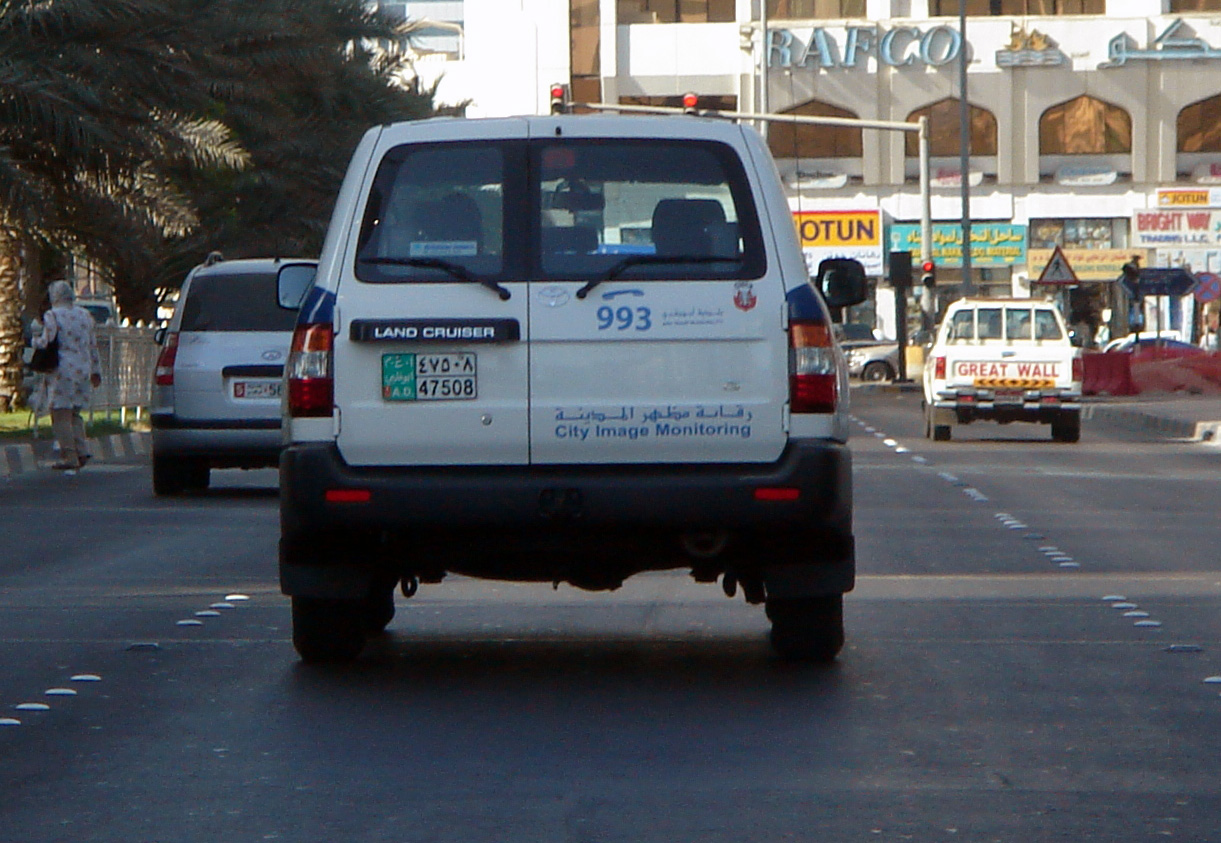
Abu Dhabi Municipality gives a lot of emphasise on keeping the city clean. As part of their new initiatives they have introduced several teams to monitor the environment. Here is one such unit in motion on the roads of Abu Dhabi.Keep a watch, spitting or throwing garbage on the road – a good amount of fine will be your call.
Dirham needs 35pc surge against dollar: experts
Dirham needs 35pc surge against dollar: experts
By Isaac John (Deputy Business Editor)KHALEEJ TIMES 6 October 2007
DUBAI — Predicting a 30 per cent possibility for an imminent revaluation of the UAE dirham, monetary experts said the UAE currency needed a significant appreciation of 35 per cent against dollar to regain its intrinsic strength in relation to other currencies.
Gary Dugan, Chief Investment Officer, Global Wealth Management, Merrill Lynch, told Khaleej Times that the GCC currencies needed to appreciate by around 35 per cent to reduce excessive savings. “In the shorter term, we expect the UAE or Qatar will move to peg versus a basket of currencies this year.”
According to Pradeep Unni from Vision Commodities Services, the UAE currency has lost 55.09 per cent against euro since 2001 — from Dh3.34, the euro is now selling at Dh5.18. Against, the British pound, dirham has lost 38 per cent in the same period, with the exchange rate surging from Dh5.41 in 2001 to Dh7.48, while against the Indian rupee, dirham has lost 24 per cent since May 2002 — dropping from Rs13.32 to Rs10.73 per dirham at present.
Despite UAE Central Bank’s insistence that it would neither opt for a revaluation of dirham nor move away from the US dollar peg, currency experts and economists believe that the likelihood of an imminent revaluation of the UAE dirham is 30 per cent.
Currency strategists said a revaluation of the dirham, which is currently estimated to 30 to 35 per cent undervalued against the US currency, could also provide investors a nice bonus on a property purchased in the UAE compared to parking that investment in a US dollar deposit account.
While affirming that an upward adjustment of dirham to the US dollar will be increasingly likely unless inflation begins to slow more noticeably next year, economists are of the view that there is increasing pressure on the UAE monetary authorities to drop dollar peg and switch to a basket of currencies as Kuwait and Syria have done. “Such a move will ward off any further inflationary trends by strengthening the dirham against other currencies,” they contend.
However, experts warn that the UAE has to undertake a series of currency realignments to ensure the true value of its currency. “While most of the UAE’s exports (oil and gas) are priced in dollars, the country’s biggest share of imports comes from non-dollar zone. A steadily falling US dollar is thus aggravating inflation which last year hovered above 10 per cent due to higher cost of imported goods, a steep surge in rents and other living expenses.”
Dugan said the dollar looked set for further weakness. “We believe that dollar weakness comes from both cyclical and structural factors. Cyclically the US economy is set to be one of the weakest in 2008. Structurally the US economy is still facing the twin deficits of a current account and fiscal deficit. Also the weakness of the dollar has gained some momentum that may extend through the fourth quarter of 2007.”
Danger on the roads

Gulf News conveys readers thoughts and fears on Road Safety
President His Highness Shaikh Khalifa Bin Zayed Al Nahyan grants Dh370m for endowment drive
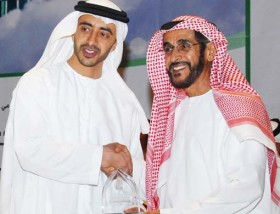
Shaikh Abdullah honoured key sponsors, philanthropists and winning students in the endowment campaign for their support and contribution to the drive.
Khalifa grants Dh370m for endowment drive WAM Published: October 03, 2007, 23:52
Abu Dhabi: President His Highness Shaikh Khalifa Bin Zayed Al Nahyan granted Dh370 million for the endowment campaign organised by the General Authority for Islamic Affairs and Awqaf.
The grant was announced during a ceremony held on Tuesday under the patronage of General Shaikh Mohammad Bin Zayed Al Nahyan, Abu Dhabi Crown Prince and Deputy Supreme Commander of the UAE Armed Forces.
Shaikh Abdullah Bin Zayed Al Nahyan, Foreign Minister, honoured key sponsors and philanthropists and the winning students in the endowment campaign for their support and contribution to the success of the campaign. He presented mementos, cash prizes and certificates of appreciation.
The campaign, launched on the first day of Ramadan, aims at reviving the Sunna Waqf and helping alleviate the burden of the poor and the needy.
It sponsors orphans and needy students and poor people. It also provides healthcare, helps to build and renovate mosques.
Dr Hamdan Musallam Al Mazroui, chairman of the authority, said: It gives me great pleasure to honour the participants in the endowment campaign.
The sponsors of the campaign will help to fulfil its maximum potential, Al Mazroui said. The ceremony began with the national anthem presented by students of the Emirates School in Abu Dhabi, followed by recitation of some verses from the Quran in the presence of Islamic scholars and preachers invited by Shaikh Khalifa to give lectures during Ramadan.
Al Mazroui hailed Shaikh Khalifa, His Highness Shaikh Mohammad Bin Rashid Al Maktoum, Vice-President and Prime Minister of the UAE and Ruler of Dubai, and Their Highnesses the Supreme Council Members and Rulers of the Emirates for their generous support to Islamic endowments.
The campaign, launched on the first day of Ramadan, aims at reviving the Sunna Waqf and helping alleviate the burden of the poor and the needy.
Upholding family values
Upholding family values
By Manal Alafrangi, Staff Writer GULF NEWS Published: October 03, 2007, 23:52
There is a certain universality when it comes to the term “family values” but because the concept itself is rooted in individual cultures, ideals and morals can come across as different. So then, what happens when people of different creeds and nationalities live in one society? Do they agree on what constitutes family values? Do they share the same ideals and principles?
According to our latest survey, there is a concern when it comes to cultural values being present in the UAE. That is, more than two thirds of our respondents feel family values are being eroded in the UAE. This opinion is particularly high amongst Arabs, excluding Emiratis (73 per cent). Moreover, 62 per cent of those surveyed feel people in the UAE are courteous and respectful to others but there is a difference of opinion amongst the various nationalities; 71 per cent of Emiratis compared to 39 per cent of Westerners.
Similarly, Arabs (excluding Emiratis) and Asians are also split on whether they think UAE residents have a community spirit. Emiratis and Westerners on the other hand are on opposite ends of the spectrum with the former saying they do and the latter saying they don’t.
That is one of the main conclusions from the latest Gulf News survey undertaken by YouGov-Siraj where by 1,191 people answered questions on family, growing old, and challenges to family time. (Of the total surveyed, 119 were Emiratis, 147 other Arabs, 168 Westerners, 669 Asians, and 88 others).
We asked our respondents who each of them considers to part of their own family. Across all nationalities, ‘parents’, ‘brothers and sisters’ and ‘spouse’ top the family member ladder. ‘Children’ and ‘grandparents’ are not far behind in the family members consideration set. Interestingly, despite no blood connection, 25 per cent believe friends are family and 16 per cent find employed household staff to also be part of family.
Who do they live with? More than half of our respondents say they currently live in the UAE with their spouse- this is clearly observed among Westerners and Asians (75 per cent and 63 per cent respectively) as compared to Arabs (42 per cent). Moreover, both Arabs and Asians seem to have more of their parents living with them in the UAE compared to Westerners. Arab scores are largely observed among Emiratis (6 in 10 Emiratis vs. nearly 3 in 10 other Arabs).
On the other hand, almost 1 in 10 lives alone in the UAE. This is primarily because their families live in different countries (numbers being highest amongst Western and Asian respondents). Some respondents simply say that they “prefer to live alone” (with 2 in 10 Emiratis saying so).
There is unanimity amongst our respondents when it comes to caring for their elderly parents. 95 percent said they would be supportive towards helping their parents as they grow older and become dependent upon others for help. What options would they seek in such a scenario? Nearly 6 out of 10 say they would nurse them at home themselves. But a closer look reveals that while 60 per cent of Arabs and 67 per cent of Asians feel this way, only 34 per cent of Westerners feel the same.
Instead, 40 per cent of Westerners say they would employ a nurse at home. Sending elderly parents to a nursing home proved the least popular option for our respondents.
Through this survey, we got an insight as to why respondents would consider helping their elderly parents. The overwhelming majority say they would do it out of love for their parents. 7 in 10 say it is because they feel a sense of gratitude to be repaid to parents and many feel it is expected of them to be with their family.
Our respondents are equally supportive of their spouse’s parents with 92 per cent saying they would care for them as the need arrives. Across all nationalities, Asians tend to be more supportive in assisting spouse’s elderly parents (95 per cent of Asians vs. 89 per cent for Arabs and 85 per cent for Westerners). Half of the respondents claimed they would be willing to nurse their spouse’s parents at home by themselves however, among Westerners, scores are directionally low.
As of now, over two thirds of our respondents prefer to live with their families than to live by themselves. This is especially the case with Asian respondents (82 per cent). What’s more, respondents aged 30-49 are more likely to want to live with family than younger respondents (aged below 30).
We asked UAE residents to peer into the future when they themselves become elderly; what then would they prefer their living arrangements to be? 48 per cent say they would like to with their own grown up children – assuming they had any. It should be noted that of the total, only 23 per cent of Westerners feel this way compared to 52 per cent of Arabs and 53 per cent of Asians..
Another option is to live in a nursing home or a retirement village. While it has proved unpopular amongst the Arab and Asian respondents, 27 per cent of Westerners choose it as their preferred option.
An extended family has its benefits. The majority of our respondents feel having them around is advantageous namely for emotional support. They also improve family bonding and help maintain a sense of belonging. But by the same token, having an extended family means a lack of privacy and lack of personal space for the majority of our respondents- irrelevant of their demographic profile.
Working life affecting private life
Our respondents are split on whether their or their partner’s working life has impacted their private life. 39 per cent said it has impacted their private life a lot, while 30 per cent say the impact has been small. A closer look at the survey shows that more females claim their partner’s working life has greatly impacted their private life. On the other hand, 16 per cent find there has been no impact whatsoever.
Fifty six per cent have at least 1 child in their household. They say that on average, they spend 3 hours and 50 minutes with their children on a typical work day. Emirati parents tend to spend fewer hours with their children as compared to other Arabs.
On average, it is likely that parents waste 5 hours and 4 minutes without being with their children due to work related issues outside of regular office hours or other commitments. Such work related issues include traffic congestion, which is by far, the most recalled factor that makes people stay away from being with their families (this is clearly observed among Asians). Shopping, socialising, and going to the gym are also reasons that feature lightly on the survey.
Importance of family values
UAE residents believe that family values are important in today’s world. Asians in particular have the highest scores when it comes to this conviction. We asked our respondents if they thought their family values are being eroded here in the UAE. Close to two thirds said yes. This opinion was particularly high amongst other Arabs (73 per cent). The three main reasons behind this are: lack of time for families to be together, economic pressure, and lack of parental guidance.
Other explanations including lack of proper role models and having too many temptations also feature prominently on the survey.
So then, how do our respondents generally feel about people in the UAE? Are they courteous and do they have a community spirit? Sixty-two per cent of those surveyed said yes but there is a difference of opinion amongst the various nationalities; 71 per cent of Emiratis compared to 39 per cent of Westerners.
 ClicksandWrites
You must be logged in to post a comment.