About Me
NRI fights for voting rights
NRI fights for voting rights
By BEGENA P PRADEEP, Posted on » Sunday, May 31, 2009
http://www.gulf-daily-news.com/NewsDetails.aspx?storyid=251855
BAHRAIN resident Sihas Babu is hoping to rewrite Indian law by winning the right for millions of people to vote.
The 35-year-old has already filed a landmark case in India against an act in the Indian Constitution, which does not allow Non-Resident Indians (NRIs) to take part in national or state elections.
Although he is effectively waging a one-man campaign, any victory would be celebrated by Indian expatriates around the globe.
He filed a case in the Kerala High Court against India’s Election Comm-ission, the Kerala State Government and Indian Central Government last Monday.
The Indian public can only vote in an election if they live in a constituency in India, while government employees posted abroad are the only expats who can vote.
Mr Babu, a manager at a building materials company, told the GDN he decided to file the case after flying home to vote in recent parliamentary elections, only to find his name had been taken off the electoral roll.
“The clauses in Section 19 and 20 of the Indian Constitution’s R P (Representation of the People) Act, 1950, does not allow us NRIs any voting rights if we have been away from India for more than six months,” he said.
“I went to Kerala on April 9 to take part in the parliamentary elections but was told that my name had been removed from the list of voters.
“The Election Commission’s presiding officer will check with all constituencies if the person is a resident of that particular constituency – this is how my name was removed.
“However, I know of many NRIs whose names are still on the list just because they have the influence with different political parties.
“NRIs play such an important role in developing India and there is so much money coming into the country from Indians working abroad.
“But when it comes to choosing leaders and a government who will be responsible for making decisions affecting NRIs as well, we are nowhere in the picture.
“This is not at all acceptable and it’s about time things changed.
“We should also have the right to choose our leaders.
“The government may argue that NRIs are not being allowed to vote to avoid malpractices of voting with a fake identity and double voting.
“But technology is so advanced these days that such practices can be caught or avoided.”
Mr Babu claims to be the first person to file a case against the Indian government with a view to overhauling its domestic law.
The court has now given the state and central governments, as well as the Election Commission, a month to respond to the case.
“This law was drafted in 1950 and with changing times, necessary amendments should be made,” said Mr Babu.
“I contacted leading Kerala High Court lawyer Kaleeswaran Raj and filed a case on May 25.
“If the concerned parties reject the petition, it is up to the court to pass the verdict of whether to change the clause or not.
“However, if the court rules against me, I will take the case to the Supreme Court of India.”
Mr Babu has lived in Bahrain for around 15 years and is now hoping to drum up support for his case among Indian associations and clubs here.
More links to this news:
http://www.indlaw.com/search/news/default.aspx?9391191f-1933-489c-8456-16176278ce05
If you feel NRIs should have voting rights and support his move, please generate necessary momentum to this move. Mark your opinion (vote Yes/No) in the poll at the left side of this page.
Malayala Manorama Jeevajalam photo competition – winners list

Sincere thanks to all those who voted for the photo taken by me.
http://www.manoramaonline.com/advt/Environment/jeevajalam_winners/index.htm
Regards,
Ramesh Menon
When prison is not the right penalty
When prison is not the right penalty
Mahmoud Habboush, THE NATIONAL, 22 APRIL 2009
Last Updated: April 21. 2009 / A minister yesterday said that two types of common offences – traffic violations and antisocial behaviour – could soon be punishable by community service.
A draft law was recently approved by the Cabinet that would give courts the power to order people convicted of minor crimes to work in the community instead of serving jail time.
Speaking to members of the Federal National Council yesterday, Sheikh Saif bin Zayed, the Minister of Interior, for the first time specified the category of offences and types of community service that could be included.
It remained unclear, however, exactly what crimes would be covered.
Referring first to antisocial behaviour, he said community service could help address the fact that the federal Government had no plans to follow some emirates in introducing a code of conduct.
He was responding to a question by an FNC member from Abu Dhabi, Ahmad al Dhahiri, who complained about the lack of a federal code of behaviour.
Dubai, for instance, has introduced such a code. Among other things, it says that people can be warned or fined for public displays of affection.
In severe cases, they can face jail terms and deportation.
The emirate’s code also calls for people to respect the local culture and religion, and urges visitors to avoid wearing clothing that “exposes parts of the body”.
“The ministry has taken an important step which is the alternative penalty law that will be brought before your council … soon,” Sheikh Saif said.
“Community service was suggested for simple crimes committed by individuals instead of sending them to prison.
“People who face penalties are members of the society, and sometimes prison doesn’t achieve the punishment that the Government is seeking, and therefore community service is suggested.”
Responding to a suggestion by Mr al Dhahir that the Interior Ministry distribute a booklet explaining to foreigners how they should behave in the UAE, Sheikh Saif said: “I can’t make people read the criminal law.”
Instead, he said, a new department at the ministry, expected to start operating in the second quarter, would be responsible for promoting respect for the law.
He suggested it would take some time to educate visitors: “We can’t educate people in one or two years.”
Turning to community service for traffic offences, Sheikh Saif said: “They would be sent to schools to talk to pupils about their mistakes or would be told to spend time in the emergency rooms at hospitals to see for themselves the danger of their actions.” In the US and the UK, among other countries, community service is imposed for a range of offences.
Service can involve working in teams with other offenders, tidying up scenic spots, removing graffiti or carrying out anti-crime measures, such as installing gates and security locks. Others could be ordered to work in charity shops, for instance.
Also during yesterday’s session, the Minister of Health, Humaid Mohammed Obaid al Qattami, promised that more jobs would be created in the coming year for doctors and nurses in hospitals and clinics across the country.
Mr al Qattami was answering a question by Salem al Naqbi, a member of the Federal National Council from Sharjah, who said that Emirati doctors were doing jobs that were below their qualifications. The member also said hospitals and clinics were understaffed.
The minister said measures were being taken to “improve the conditions” of ministry staff. He said the ministry had more 1,766 job openings in 2008, most of which have been already filled.
“Hopefully, in co-operation with the Ministry of Finance in the coming weeks the conditions of more than 700 employees will be improved,” Mr Qattami said.
The FNC members also passed a draft amendment of some articles of a 2006 law on the banning of production, storage and use of chemical weapons. It calls for the creation of a national committee to monitor and regulate the use of dangerous chemical substances and chemical weapons. The committee would be also responsible for enforcing the law.
Shaping the future of news – GULF NEWS initiative

in
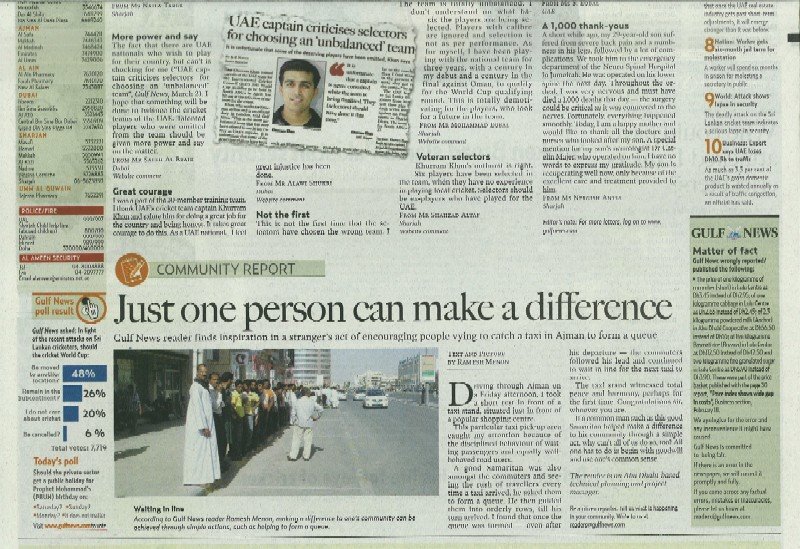
Just one person can make a difference
Just one person can make a difference
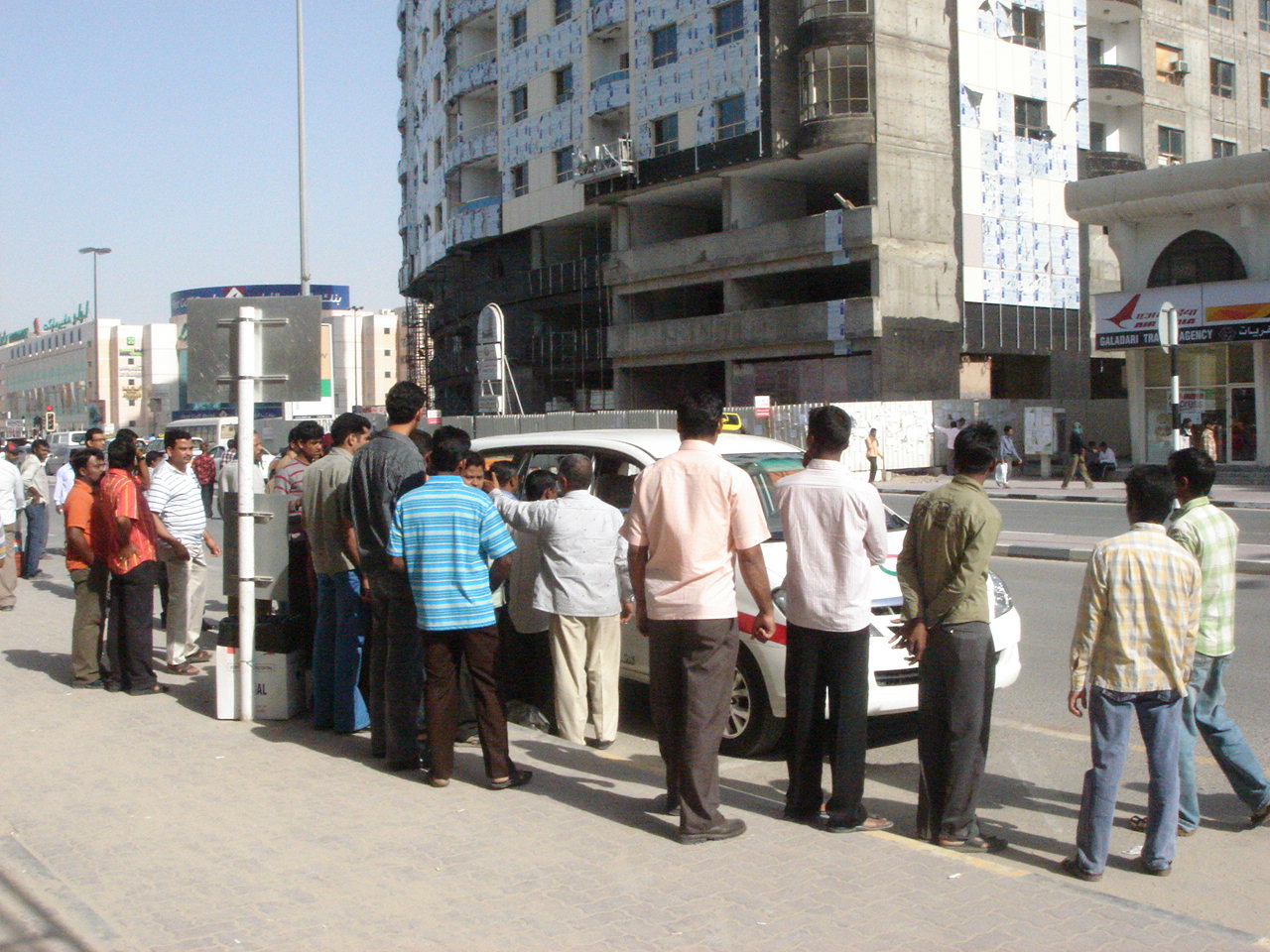
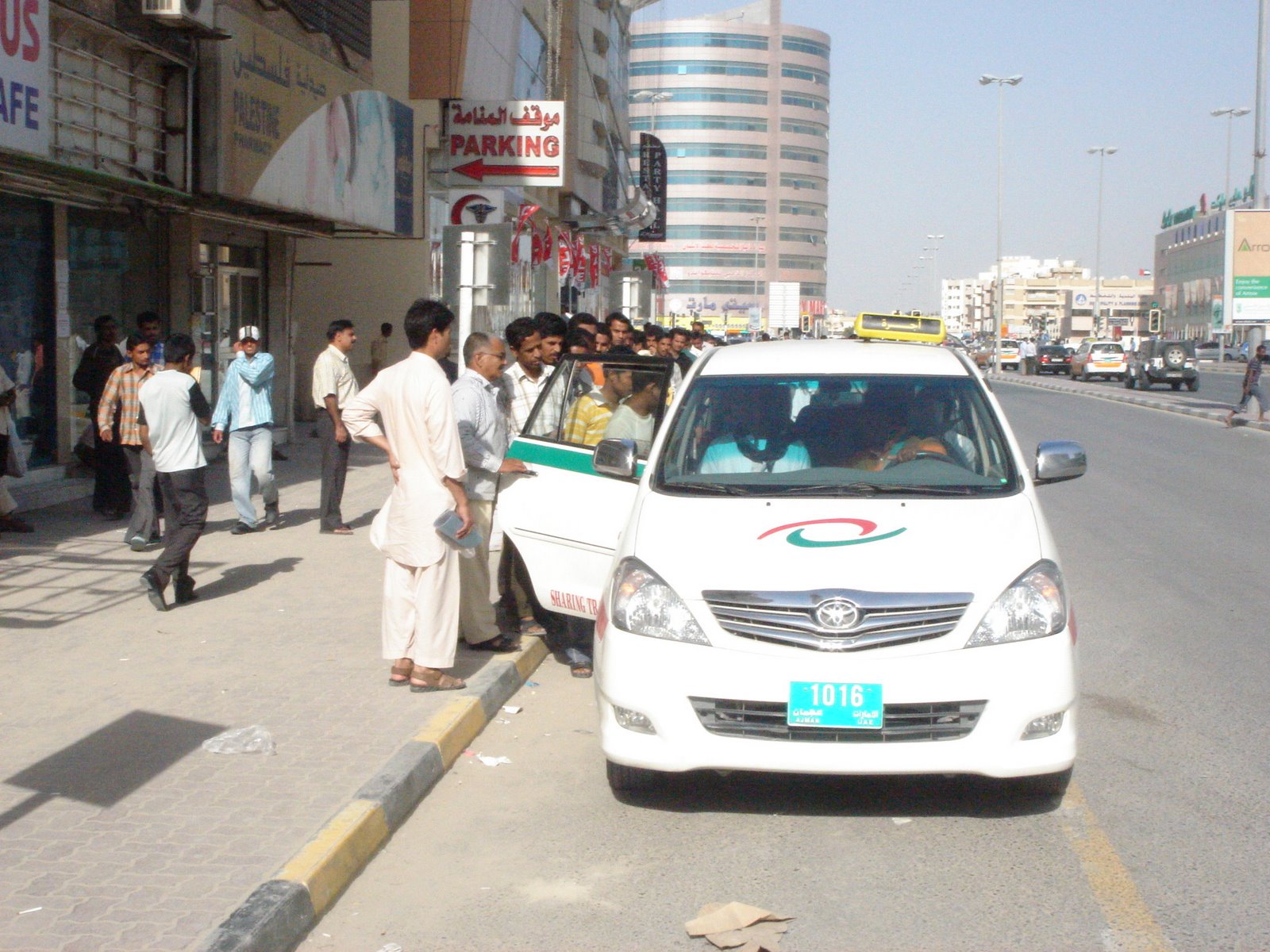
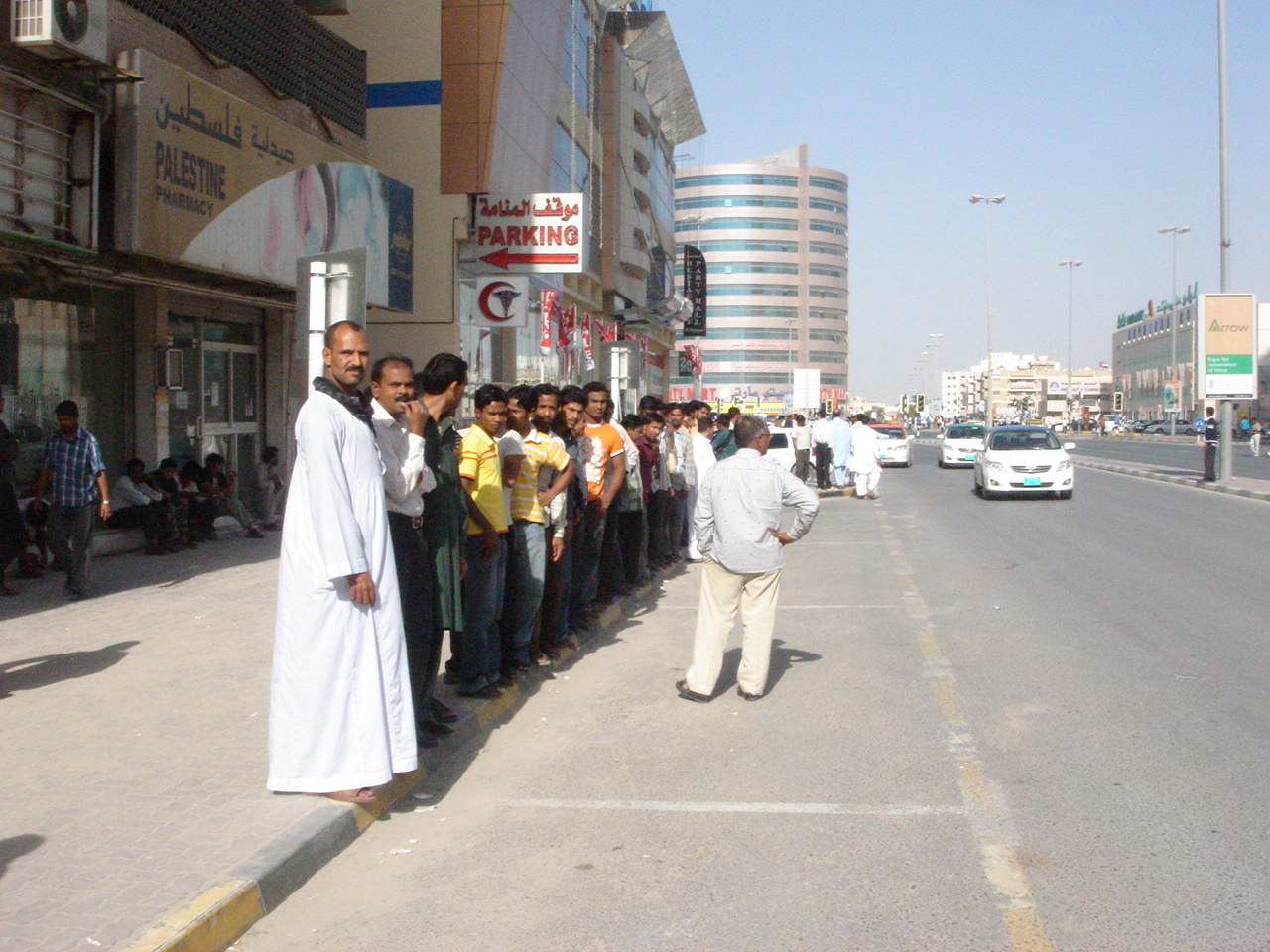
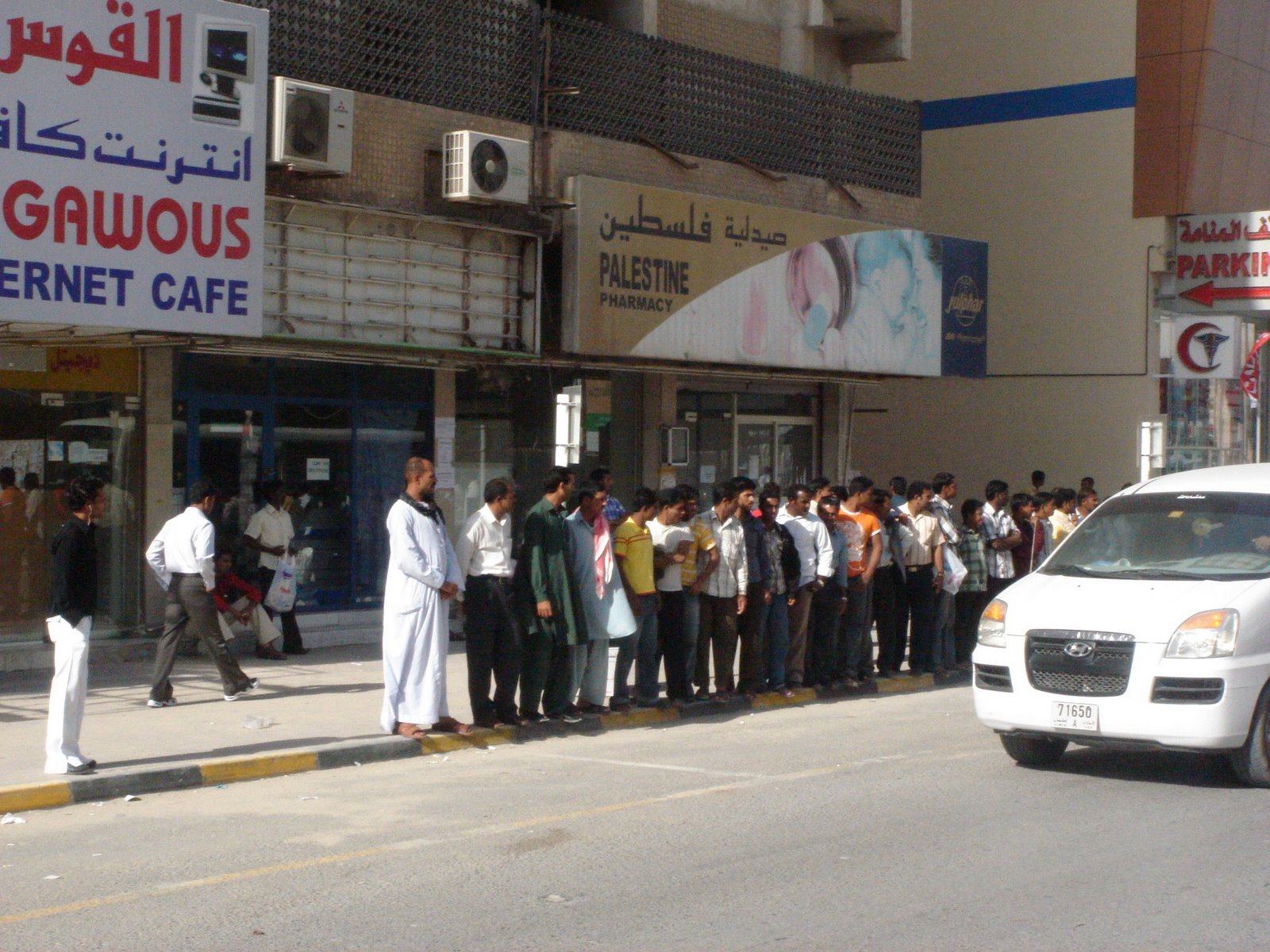
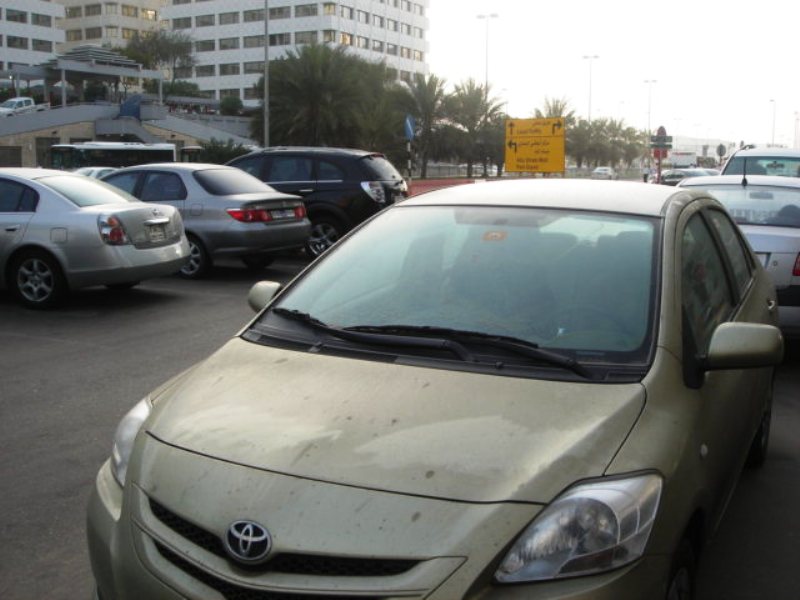
The on-going road development works and the parking worries give me occasional opportunities these days to travel by the Abu Dhabi Bus or Taxi during office hours and outside. I consider this as an opportunity to move away from my driving responsibilities and also from the crazy road behaviours for some time and opportunistically utilise the view and life around from a different angle and height. However, many times, these waiting, ends up in frustration looking at the senseless behaviour of fellow road users to rush in for the taxi or the bus, irrespective of others who have been waiting there before them. Like the situation in the movie Saveage Harvest, it reminds me of a predatory instinct in human being each time it happens. However, a chance drive to a city suburb in Ajman on a Friday afternoon made me realise it is not the case everywhere. I was waiting after a sumptuous lunch from a restaurant inside my car and noticed this act of decency by a group of ordinary passengers most of them labourers working in camps. As usual, my camera did not miss the opportunity of recording a series of precious acts and opportunity for me to promote TQM and Positive Thinking values around. Watching them, I thought, how good it be, if the same social conscience and sense prevailed with the fellow users in the more cosmopolitan cities like Abu Dhabi and Dubai.
Immediately after the visit, I send the story to Gulf News for their new section Community Report, with a different version. Yeah, English is one language which we can manipulate according to our moods and swings. Thank you Gulf News for accepting it and continuing to allow me to test my writing skills. Together, it proves, You too can make Us create a world of difference.
The photos will tell you the complete story.
QUEUE PLEASE and Have a great week-end.
Ramesh Menon
05 03 2009








- ← Previous
- 1
- 2
 ClicksandWrites