Blue eyes spell success

Blue eyes spell success
Monday,20 August 2007 20:7 hrs IST /Malayala Manoram
New York: Success lies in the colour of your eyes, and those with blue ones are likely to achieve more in life than their peers as they tend to study more effectively and perform better in exams, says a study conducted by US scientists. The study did not mention anything about people with black irises.
The tests showed that brown-eyed people had faster reaction time, but those with lighter eyes appeared to be better strategic thinkers.
Brown-eyed people succeeded in activities such as football and hockey, but lighter-eyed participants proved to be more successful in activities that required skills in time structuring and planning such as golf, cross-country running and studying for exams, the scientists said.
Louisville University professor Joanna Rowe, who conducted the tests, said the results suggested an unexplored link between eye colour and academic achievement.
“It is just observed, rather than explained,” she told ‘Herald Sun’. “There’s no scientific answer yet.”
Bedfordshire University senior psychology lecturer Tony Fallone, who has also studied eye colour, believed it should be taken more seriously as an indicator of personality and ability.
Blue-eyed academic successes include Stephen Hawking and Marie Curie who twice won the Nobel prize, for physics and chemistry.
Blue eyes contain low amounts of melanin within the iris stroma. The type of melanin present is eumelanin. People with blue eyes are relatively common throughout Europe and other areas with populations of European descent, such as Canada, the United States, Australia and some countries of the Middle East. Iranian states such as Afghanistan and Iran also have somewhat uncommon occurrences of blue-eyed people.
There are also populations in northern India and Pakistan that have naturally occurring blue eyes, although this is extremely rare. Throughout the rest of the world they are relatively rare. Around eight percent of the world’s population has blue eyes.
As melanin production generally increases during the first few years of life (especially if exposed to the sun), the blue eyes of some babies may darken as they get older. In the case of blue-green eyes, they must be more blue than green to be considered blue. Aqua blue is a good example of eyes that are more blue than green.
Why Smart People Make Dumb Money Mistakes
Why Smart People Make Dumb Money Mistakes
We are programmed to get our money decisions wrong. But we can still win
Monika Halan and Rajesh Kumar / Outlookmoney.com
The house I did not buy at Rs 46 lakh three years back now costs Rs 1.1 crore.
The Rs 5,000 I put in a mutual fund three years ago is now worth Rs 15,000. I regret not putting in Rs 5 lakh.
The best-performing fund slipped as soon as I bought it.
I sell a stock after holding it for years, and it begins to fly like a kite the day I sell it.
My neighbour got a super price for his land; I did not for mine.
I have the wrong insurance policy, but am holding on to it.
The price of my car dropped a week after I bought it.
I feel unlucky with my financial decisions. Here I am, a perfectly normal sort of a person with a good job, a great family, in control of most of my life. Except for one thought that rankles in my overall feeling of well-being. I feel that I constantly take financial decisions that are not so cool.
If you find any of the above even a little bit familiar, take heart, most of us feel exactly the same way. Did you know that the human mind is programmed to fall into some behavioural traps that cost us big money? A relatively new branch of Economics, called Behavioural Finance, lays down a paradigm that is different from traditional Economics, where all people were rational, all economic choices were the best possible, and markets were mostly in equilibrium. This meant there was a perfect world out there, where men were calculating machines with zero emotions such as fear, greed, regret and anticipation, and with perfect information about all products, services and prices at all points of time. But when psychologist-economist Daniel Kahneman won the 2002 Nobel Prize for his work in Behavioural Finance, this more real branch of Economics came centrestage. And it is now accepted that the human mind is programmed to make big money mistakes due to habit—and emotion-driven actions. Though the scope of behavioural finance is much wider, we shortlist the five most common behaviour patterns that most often cost you a lot of money. And tell what you can do to sidestep these traps.
Mental Accounting
We tend to use mental short-cuts to decode everyday life. These rules of thumb make us put money into different mental accounts, preventing us from seeing the overall picture. Sometimes this works to our advantage—putting money in sacrosanct mental buckets like insurance premiums, tax saving instruments, and so on. But sometimes these buckets cause harm. How do you use the money that a money-back insurance policy throws up periodically? Most people tend to blow up that money instead of treating it as a return on their investment to be used to meet a financial goal, or for further investing. Similarly, a dividend, or tax refund is often used frivolously by ordinarily responsible people. A good way to get over this is to quickly bank the cheque and wait for some time. This waiting period can allow mental accounting to kick in so that we treat this money as part of our savings and not something to be blown up.
Mental accounting does not snare us only while spending, it traps us into sub-optimal investing decisions as well. While working out overall asset allocation, we forget to include the provident fund, the Public Provident Fund and endowment insurance polices in the process because they are not seen as part of our decision-making process but as something that’s pre-decided. We then divide the rest of the surplus money between debt and equity. No wonder that the average equity in household savings is a mere 5 per cent, the rest going into debt products (Handbook of Statistics on Indian Economy, Reserve Bank of India). Since equity has given an average annual return of over 16 per cent in the last 26 years, such mental blocks bring down our capacity to create wealth by leaving too much in low-return instruments.
Way out. So, do remember to look at your total savings—fixed and unfixed. Take a look at the full asset allocation pie and then divide your funds between debt and equity.
Loss Aversion and Sunk Cost
We hate to lose. The distress that each lost rupee causes is twice as high as the pleasure we get from each rupee gained. This is actually good because it prevents us from gambling away our retirement funds or the money we save for our kids’ education. But there is a big flipside to this. We tend to hold on to the wrong consumer and financial products. Why? Because the act of throwing the rotten thing out would bring home the loss and make us ‘feel’ dumb. To prevent that feeling, we stuff new but tight shoes at the bottom of the shoe rack, and a new but useless mixer-juicer at the back of the kitchen cupboard. Similarly, you hold on to losing shares and funds. People who invested Rs 10,000 in Bajaj Hindustan, a sugar stock, in May 2006, would be left with just Rs 2,943 today. If, on the other hand, they had cut losses and moved the money to the Sensex even after losing 25 per cent at the end of May 2006, their investment would be at Rs 11,000 today.
Use the loss aversion argument carefully, for it does not work for fundamentally sound stocks. Sometimes an overall fall in the market brings down the price of strong stocks. That, in fact, is the time to buy more rather than book losses.
Linked to this is the sunk cost trait. We go on putting good money after bad in, say, car or washing machine repair. Aren’t we all familiar with spending recurrent amounts on ‘fixing it’ when a new appliance would have cost less? Loss aversion looks nasty when we see what it does to our investment behaviour. Take, for example, our fetish for buying a new insurance policy every year. The only life cover one needs is a term plan, but the agent keeps selling you a useless policy every year. But do you discontinue the 4-per-cent-return money-back and endowment polices even when you discover that they are garbage? Most people continue paying premiums and say they are doing so because they have already invested for a few years.
Way out. The first mantra is to learn to cut losses and move on, but it should be used selectively for investments and products that are genuine losers. The second strategy is to have a well-diversified portfolio. It would be less subject to such mental traps as it would be more stable than individual stocks or funds.
Status Quo Bias and Regret Aversion
Since we hate to lose, we go to great lengths to avoid the feeling of regret and don’t want to take on the responsibility of a wrong financial decision. This is called regret aversion. In the ‘Status Quo Bias and Regret Aversion’ test (on the left), the two people are in the same situation, but the second person feels worse because he blames himself for a wrong financial decision.
Having been through many situations where our financial decisions were proven wrong (selling a stock just before it became a kite, buying a house at the tail end of a property bubble, buying a gadget to see its price halving a week later), we fall into the status quo bias trap, or the desire not to change anything much with our financial lives so that we don’t get to a position where we regret taking faulty financial decision.
Several cash-poor but asset-rich senior citizens fall into this category. Some of them are 100 per cent invested in debt instruments and real estate. They see real estate and stock prices zooming, but are unable to take the call of selling some of the real estate they are holding selectively to get more cash and invest the rest in stocks. They feel that real estate prices may go higher and stockmarket investments may go wrong anytime.
Way out. An overall asset allocation and portfolio diversification approach makes us look at portfolio return rather than individual product returns.
Anchoring
This is when we hang on to a number, fact or return figure that has no bearing on the overall investment or spending decision. When property prices began zooming up in 2003, some of us postponed our purchase decision till they ‘settled down’. We watched prices rise more than 100 per cent without doing anything, for we were ‘anchored’ to the earlier prices. While this sort of anchoring can really break a family’s wealth creation stride, a smaller, but more insidious hurt comes in the monthly grocery bill. You may have seen this sale gimmick: ‘Cheap Basmati Rice: 5-kg bag now selling at Rs 210, down from Rs 350’. But this is Rs 42 a kg on sale, down from Rs 70 a kg. You anyway get basmati rice at Rs 40-42 a kg. When we buy more or unnecessary products and services because they are ‘cheaper’ or ‘free’, we use up money that could have been used for wealth creation. A simple way out it to use the calculator to break ‘sale’ prices down to per kg or per gram or per litre to skip the anchoring trap.
Another example is a stock going at, say, Rs 1,500 that someone recommends. You consider buying it, but don’t. When it reaches Rs 1,800, and you see that the company is going great guns, you say, “I should have bought it at Rs 1,500”. That you didn’t is one mistake, another would be to not buy it at Rs 1,800. You could fall into this trap while renting out your house. You may want the older, higher rent for your property even when overall rents have gone down. As a result, you may forego rent while still paying tax on the imputed rental on the second home.
Way out. To beat this mental trap, you can look for a current benchmark and not the one that is implicitly suggested, or even better, look at a realistic lifetime return that will make you happy. This is specially useful while evaluating the performance of your portfolio, fund and, even, unit-linked insurance policy.
Money Illusion
We have a tendency to ignore the effect of inflation on our money choices. Take, for example, the way an average insurance agent sells you a policy. His pitch to you is: Put in Rs 1 lakh every year for 15 years and get back Rs 25 lakh. Sounds great, till you remove the money illusion. The annual return here is a nominal 6.9 per cent. Factor in inflation at 6 per cent and you are left with a return of just 0.9 per cent. Other fixed return instruments like fixed deposits (FDs) and bonds also fall prey to this trap. We think FDs are giving us 9 per cent return nowadays. But, at 6 per cent inflation, the real return is just 3 per cent. Allow taxes in and the return is even lower.
Way out. Look at returns after taking into account inflation and taxes. To get the real returns, consider all the costs and taxes that apply to an investment, then reduce the return rate by the expected inflation number—about 6 per cent in India. You will find then that the stockmarket index gives the best long-term, low-cost real return. If you had invested Rs 10,000 in the Sensex in 1979, it would be worth over Rs 12.6 lakh today; a bank FD would have fetched Rs 1.58 lakh on the same amount.
Another way money illusion hurts is when inflation keeps eroding the real value of a life or non-life cover. If we assume an inflation rate of 5 per cent, a 25-year life cover of Rs 10 lakh would be half as effective after 15 years since Rs 10 lakh then would be able to buy only what Rs 5 lakh does today. This is one reason why our insurance covers need periodic reviews.
You can be more in control of your financial life if you know the traps that you are programmed to fall into. The real challenge is to use these five behaviour traits as two-way weapons. Wherever possible, use their good points to your advantage, while being careful about their stings. Let not your financial journey be one of remorse and regrets, but of hope and conquests.
With reports from Anagh PAL, Kayezad E. Adajania, Pankaj Anup Toppo and SUNIL DHAWAN
Wake up – it’s end of summer of holiday’s
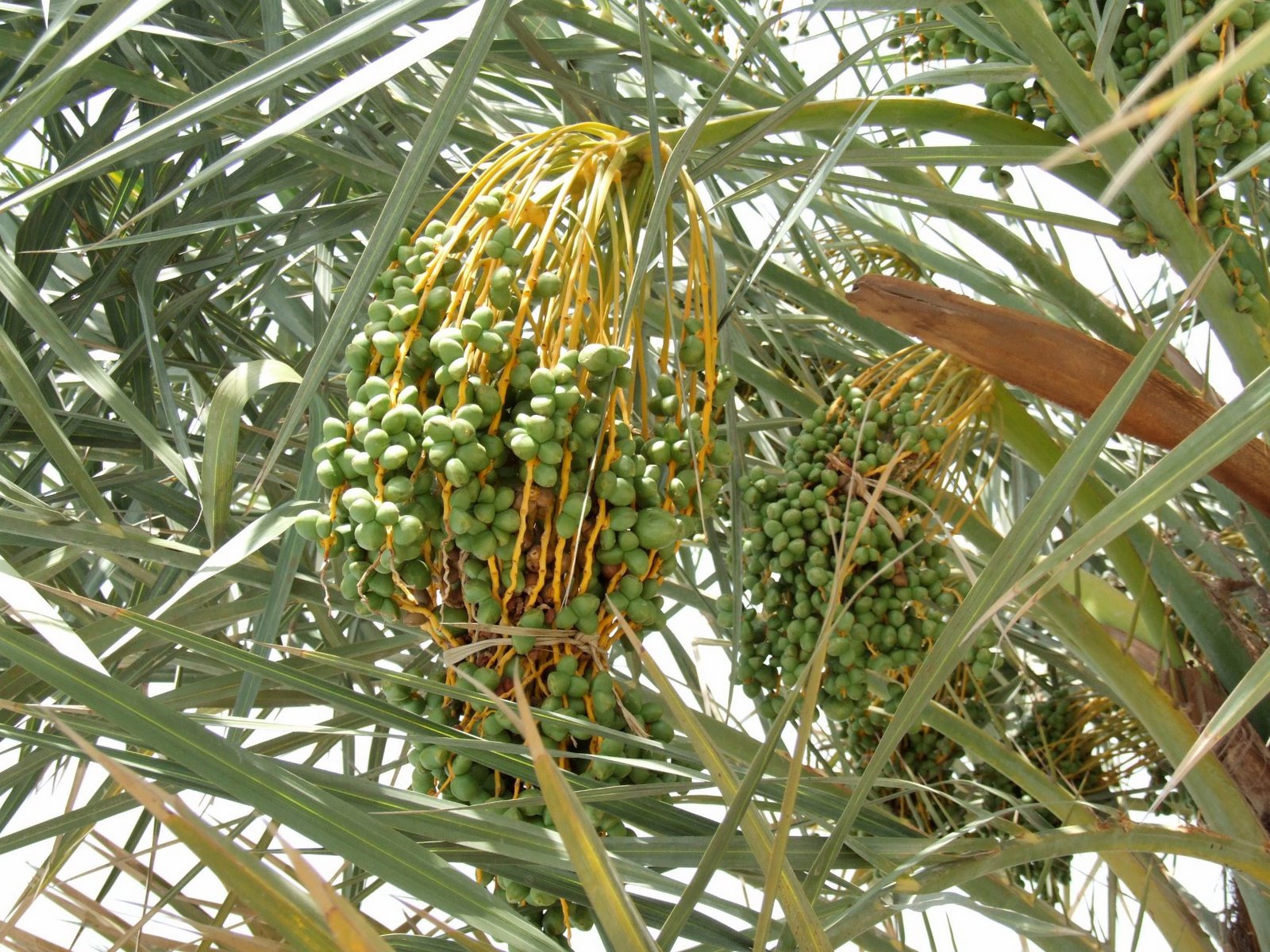
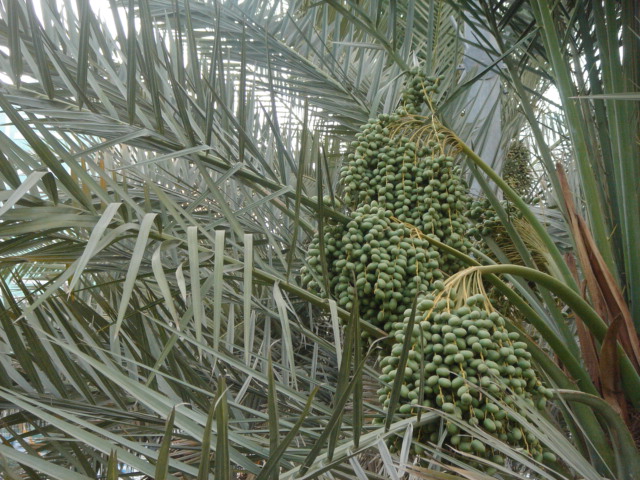
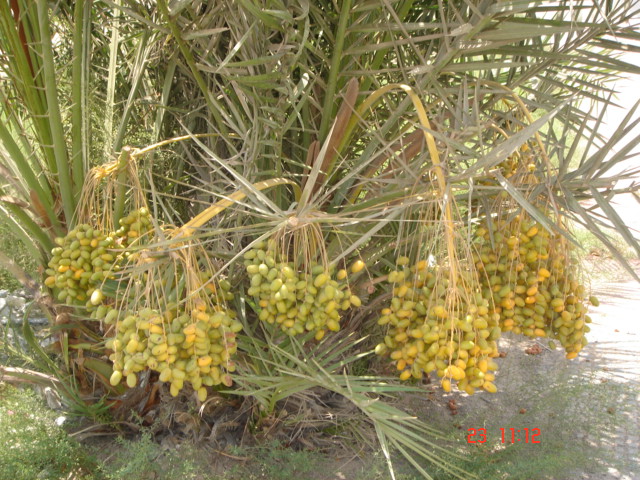
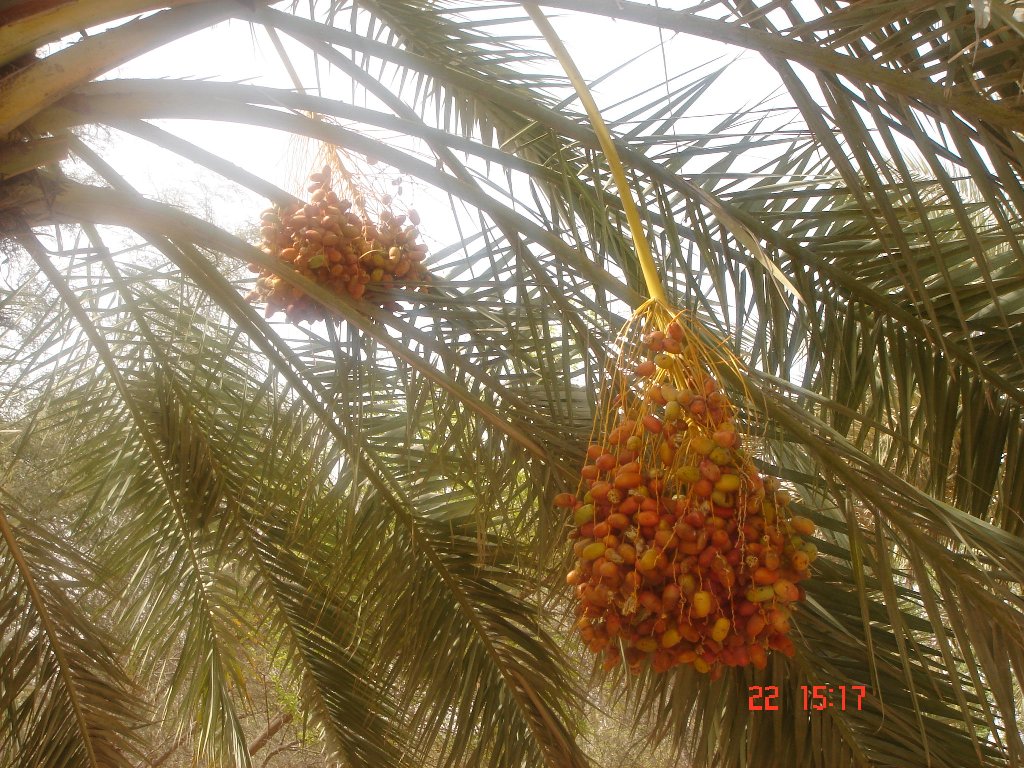
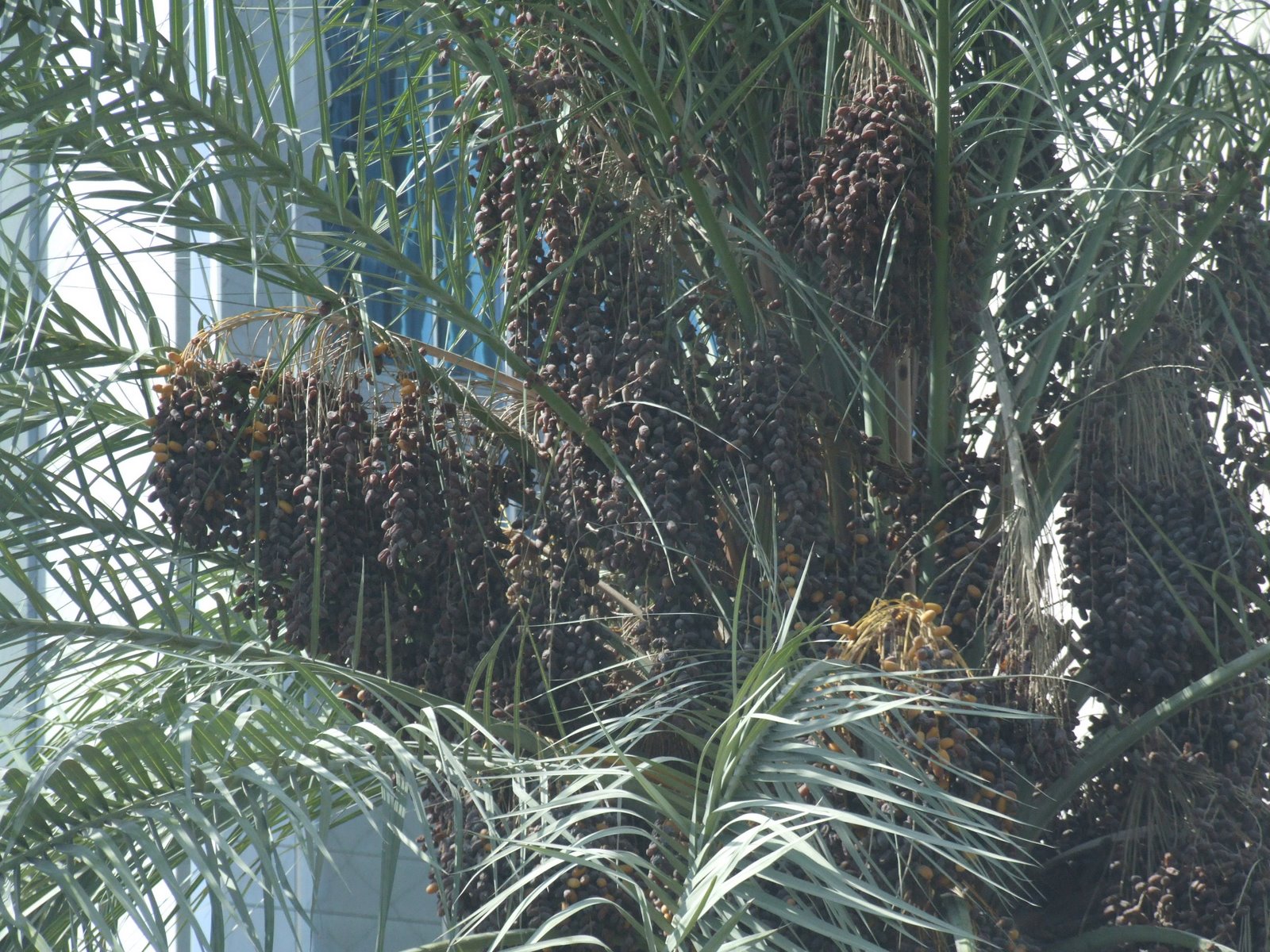
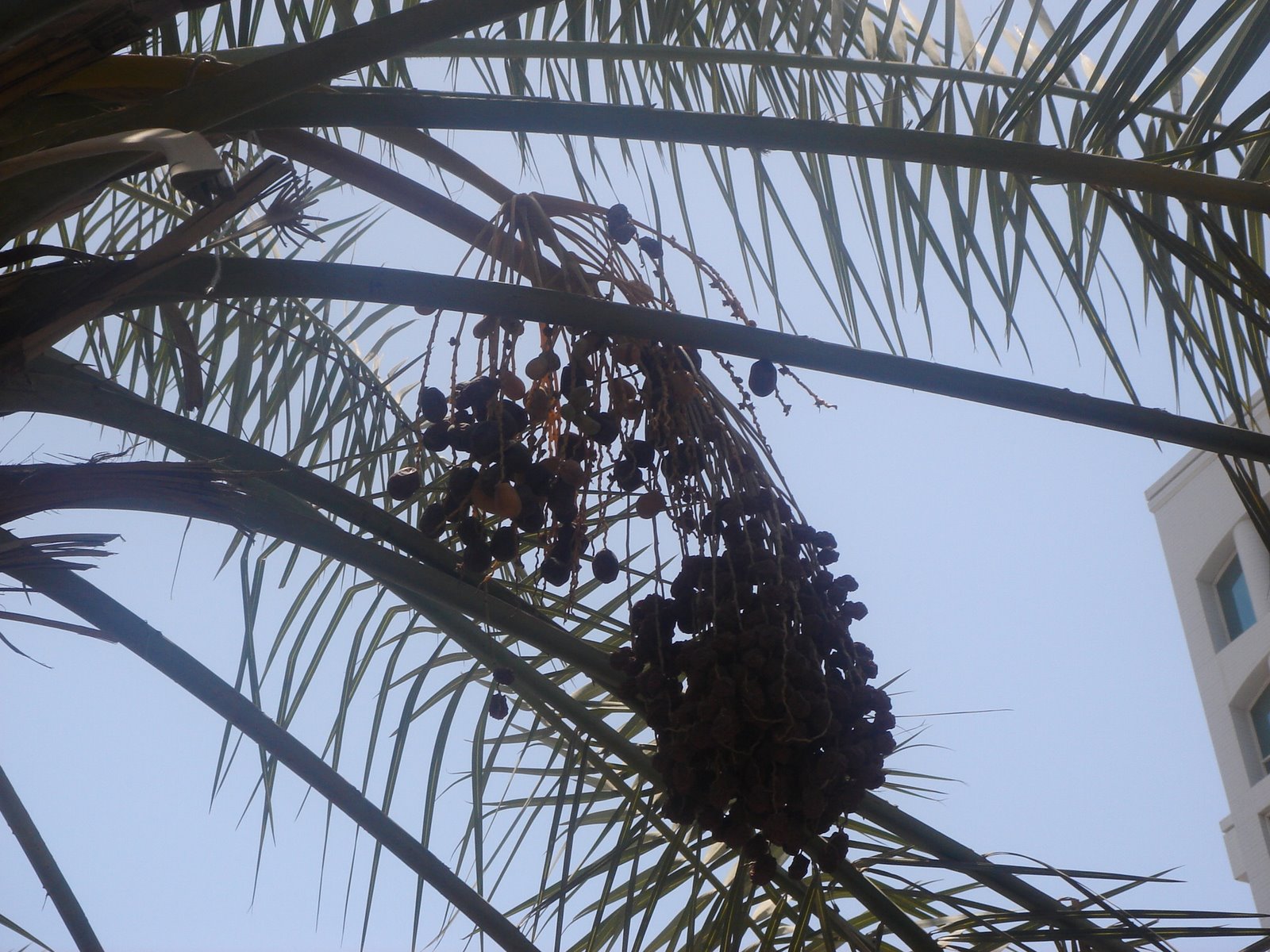
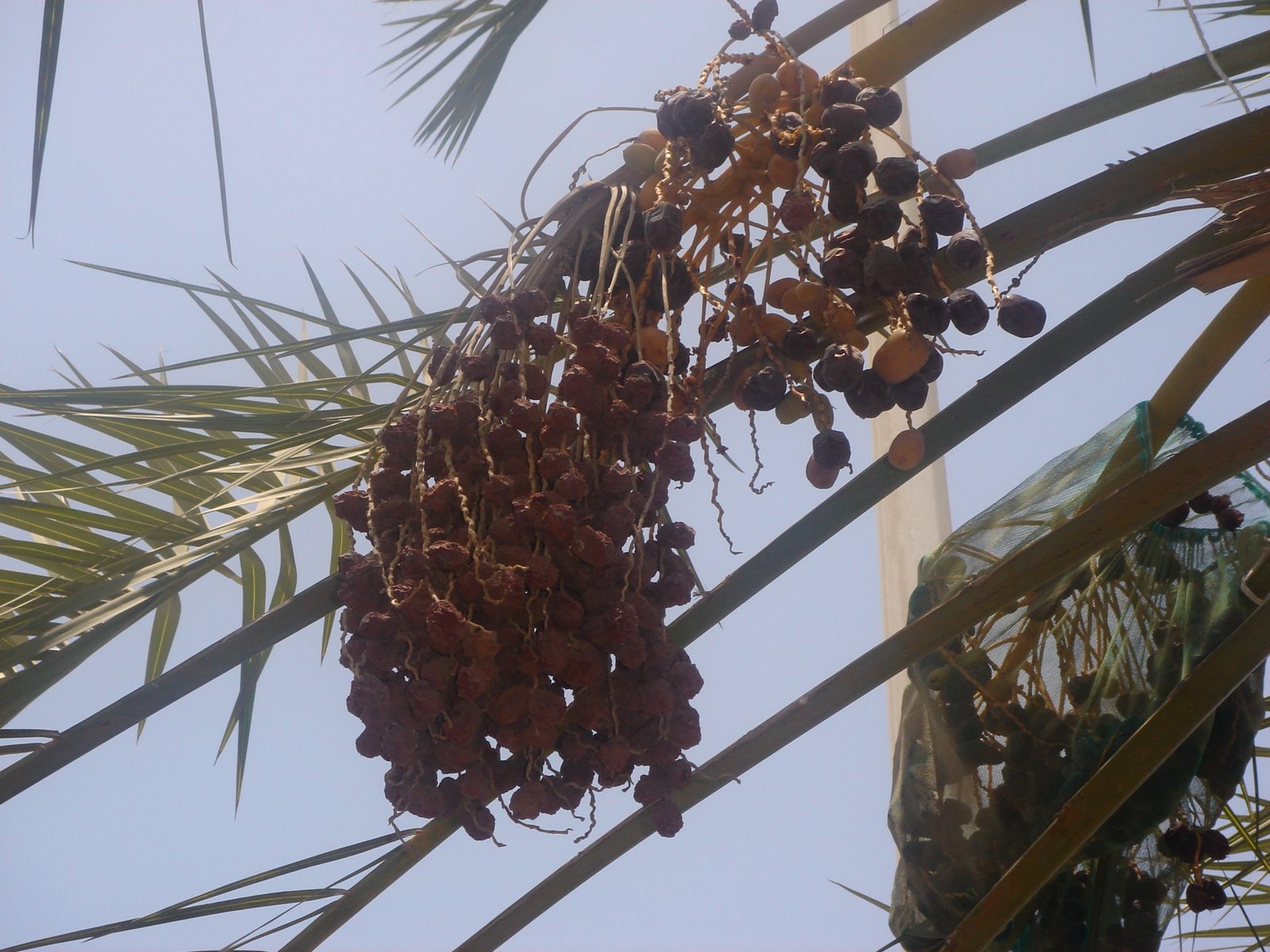
August 2007 is coming to an end. So fast the summer holidays got over. You don’t believe it – Look what the date palm trees tell you. From the time it flowers, it tells you that your summer holidays are here and the summer is near by, and to the time it grows in full when it tells you to pluck it and take it home to give to your loved ones, and to the time it fully ripen and falls down, when it indicates that your holidays are over and it’s time to get back to serious work once again. It also tells you that the Holy month of Ramadan is nearing and get ready for a period of religious fervour. Yes, it’s just another way of natures signage to warn you the seasonal changes and the activities ongoing and ahead.








UAE Essentials – Enrolling at university

Enrolling at university
By Bassma Al Jandaly, Staff Reporter/GULF NEWS Published: August 10, 2007, 23:43
Dubai: The UAE offers a wide-range of courses at its various universities. Academic programmes here include diplomas, degrees as well as post-graduate studies.
A student may also enrol for professional training to gain an internationally recognised certificate. Most of the universities in the UAE are open to both citizens and expatriate residents and foreign students.
Some colleges and universities in the UAE are open only for Emiratis such as the UAE University in Al Ain and the Higher Colleges of Technology. All the other universities, colleges and educational institutions are open to everyone.
Expatriate students can be admitted to universities here if they hold a General Secondary School Certificate and they should obtain required amount of marks in the high school certificate exams for admissions. Universities usually start their academic year in September.
The UAE educational system comprises of a variety of academic institutions and training institutes that offer programmes in various fields.
There are a few government universities and colleges in the country where admission is restricted to Emiratis only.
But the enrolment at many of the several private educational institutions is open to any student of any nationality from any country who meets the admission requirements of that specific university.
Students can also choose any programme and enrol in it. Those programmes are depending on the academic, technical and professional degree the students select.
If one wanted to apply at any university, college or educational institution here, he or she should choose the programmes they are interested in, depending on their marks.
The first step for the student is to be sure that the institution is willing to accept you. The institution will review the student’s academic background to determine if he or she is likely to succeed in its programme.
Each UAE institution sets its own admission standards. Some practices are common to many institutions; however, under-graduate and graduate admissions to the universities may vary from one institution to the other, also from one programme of study to another.
Student’s visa
Students who are living abroad can obtain a student’s visa and study at one of the universities in the country.
To enrol in an university here, the student visa is provided by all colleges and universities and also a few training institutes.
Some institutions may require all admission procedures and fees to be paid before visa issuance procedures can be started. Visa issuance procedure at the naturalisation department normally takes 10 to 30 days.
The administrative expense for a student visa is around Dh1,500 for a 3-year visa.
Some of the open universities
-Zayed University (ZU), which has campuses in Abu Dhabi and Dubai, which was earlier for Emirati women only.
-American University of Sharjah (AUS).
-American University of Dubai (AUD).
-Sharjah University.
-Ajman University of Science and Technology.
-Abu Dhabi University (ADU), which opened its doors in 2003.
-Al Ain University, which accepted its first students for the academic year beginning in September 2006.
-Al Hosn University in Abu Dhabi, opened in 2005. This new private university, which is supported by Abu Dhabi Holding Company (ADHC), will initially be operating from two separate premises for men and women. Starting with three faculties — Engineering, Business and Arts and Social Sciences — Al Hosn University will offer a unique set of disciplines, some of which are being introduced for the first time in the UAE.
-Abu Dhabi chapter of the Sorbonne University established in 2006.
-Dubai multi-university complex in Knowledge Village, established in 2003 in the Dubai Free Zone for Technology and Media, houses more than 200 companies and institutes for training and education. It offers undergraduate, postgraduate, MBA and PhD programmes in fields such as computing, technology, business management, life science, fashion and media.
In addition, there are also several professional and technical institutions such as the Emirates Institute for Banking and Finance, the Abu Dhabi National Oil Company Career Development Centre, the Dubai School of Government, and The Emirates Aviation College for Aerospace and Academic Studies.
UAE Essentials – Ensuring welfare of all in the country

Ensuring welfare of all in the country
By Bassma Al Jandaly, Staff Reporter/GULF NEWS Published: August 18, 2007, 00:04
Dubai: UAE as an Islamic country is keen on protecting human rights and to treat people equally and without prejudice and considers the welfare of all people here as its top priority.
The country’s constitution contains a number of rights and the various aspects of freedom residents can enjoy.
So whether you are an Emirati, an expatriate living in the UAE for many years or whether you are on short visit to the country, all your rights are protected.
If your rights are violated in any way by another person, company or institution, whether government or private, there are places you can approach to get a helping hand.
Labour dispute
If you are either an unskilled labourer or an educated employee working for any organisation in the private sector here which violated your rights, you can visit the labour department if you are living in Sharjah, Ajman, Fujairah, Ras Al Khaimah or Umm Al Quwain.
The labour dispute section will sort out the problem with the employer whatever the problem is. If the case is not solved, it will be transferred to the court.
If you are in Dubai, you will have more options such as complaining to the labour dispute section at the Ministry of Labour or the Labour Court, and you can call the hotline of the Permanent Labour Committee.
You can also approach the Dubai Police Human Rights Department, which sometimes accept cases from outside the emirate.
Employees in Abu Dhabi can complain directly to the Labour Ministry at the Labour Dispute Section in case they feel their rights are violated in any way. The case will be studied and the problem sorted out, or if it cannot be done, it will be transferred to the court.
In addition to that, workers and employees of government or public departments can also approach any of the police stations or courts in his or her emirate who can help and guide them.
Emirati employees can complain at Tanmia, regarding issues which offend their rights at work. This organisation takes care of not only getting employment for Emiratis but also follows up their issues.
Tenants
Tenants who have problems with their landlords in any emirate, can approach the Municipality Rent Dispute Committee to file complaints. The Committee will study the case and a decision will be taken to help protect the tenant’s rights.
If a woman is abused or tortured by relatives, the husband or family members, a newly-formed organisation, the Dubai Abused Women and Children’s Organisation, will be able to help soon, or by a similar named body in Abu Dhabi.
Some expatriate communities here have set up their own charity foundations, such as the Indian community, Egyptian and others. Such foundations are licensed by the authorities here.
Long arm of the law
The National Committee to Combat Human Trafficking and the anti-human trafficking department at the Dubai Police are open to receive complaints from the public regarding cases related to recruitment, transportation, transfer or harbouring of illegal persons.
Cases they will look into also include holding people by means of threat or use of force, or other forms of coercion, abduction, fraud, deception, abuse of power or of position, taking advantage of the vulnerability of the person, or the giving or receiving of payments or benefits to achieve the consent of a person having control over another person for the purpose of exploitation.
Stiff penalties against human traffickers range from one year to life and include fines ranging between Dh20,000 up to Dh1 million. They may face life sentence if the trafficker has created, organised, run, assumed a leading role in, or solicited others to join an organised criminal gang, or if the victim was a female, child under 18 years, or special needs person .
One can call 999 for emergency. If one is calling from a mobile phone and want to contact 999 they should dial the code of the emirate they are contacting.
One can file a complaint online at the Human Rights Department on http://www.dubaipolice.gov.ae or contact 04-2692222; 04-2014342; 04-2014343; 04-2014344; 04-201434 or 04-2014346 or Fax: 04-2014180 or by mail to PO Box 1493 Dubai, UAE.
Useful numbers
Abu Dhabi Police: 02-4461461; Al Ain Police: 03-7079999; Dubai Police: 04-6099999; Sharjah Police: 06-5631111; Ajman Police: 06-7409999.
Massive fire breaks out at Sharjah port

Massive fire breaks out at Sharjah port
By Sunita Menon and Bassma Al Jandaly, Staff Reporters/GULF NEWS Published: August 18, 2007, 01:28
Dubai: A massive fire raged on Friday night in Sharjah’s Port Khalid area, sending flames dozens of feet high.
The fire is believed to have started at a biscuit factory at the adjacent industrial area and spread to a depot of Emirates Lube Oil Company in the port, police and eyewitnesses said.
“We heard a loud explosion and soon a huge fire broke out,” an eyewitness told Gulf News.
Police said the fire started at around 11pm. Police immediately cordoned off the area around the depot and sealed all entry points on the Creek.
Firefighters and Civil Defence officers from Sharjah as well as Dubai and Ajman rushed to the spot to battle the blaze.
There were no immediate reports of casualties or estimated damages. Civil defence workers were fighting the blaze at the time of going to press.
System to monitor ministries
System to monitor ministries
Gulf News Report/Published: July 14, 2007, 23:31
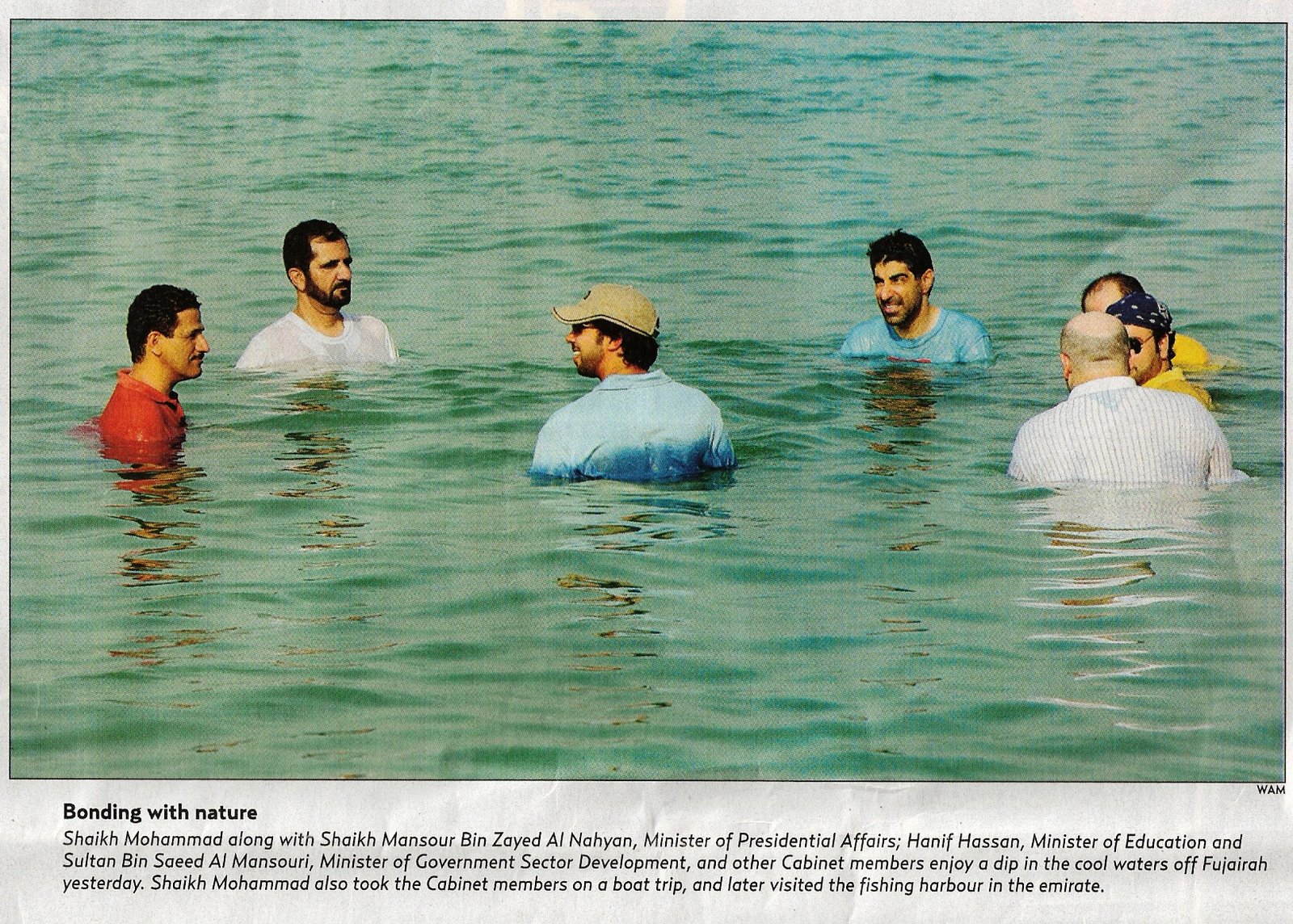
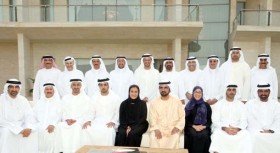
Dubai: His Highness Shaikh Mohammad Bin Rashid Al Maktoum, Vice-President and Prime Minister of the UAE and Ruler of Dubai, has announced the setting up of a special team of “mystery clients” and an integrated system of performance management to monitor ministries’ achievements and ensure proper implementation of the federal government strategy.
The announcement was made at a Cabinet meeting, held in an informal setting in Dadna in Fujairah yesterday, and was attended by Shaikh Hamdan Bin Zayed Al Nahyan, Deputy Prime Minister.
The two-day Cabinet meeting reflects Shaikh Mohammad’s keenness to adopt a flexible approach in government administration and follow up the progress of work on the government strategy that was approved by President His Highness Shaikh Khalifa Bin Zayed Al Nahyan in April.
The Cabinet reviewed the strategic action plans for 2008-2010 along with creative initiatives and key programmes adopted by ministries to achieve the strategy’s goals.
Shaikh Mohammad expressed satisfaction at the team spirit demonstrated by the ministerial working groups and termed it one of the most significant achievements of the strategy.
He also stressed the need to implement programmes and initiatives according to the specified timeframes and keep updating them to achieve better results and keep pace with the UAE’s rapid economic growth in the last few years.
During the meeting, Shaikh Mohammad announced that an integrated system is being developed to keep track of the performance of all ministries and ensure that the strategy’s recommendations are being implemented.
The Prime Minister’s Office was tasked with preparing the performance reports which will be submitted to Shaikh Mohammad. 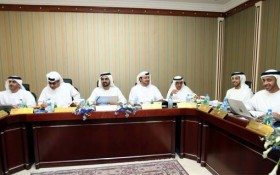
Stress on e-governance
As part of the system, a special team of “mystery clients” – government officials whose identity will not be disclosed – will be formed to monitor performance of ministries, and will directly report to Shaikh Mohammad.
He also called for widening the e-government programme and bringing 50 per cent of public services into e-services by the end of 2008 and 90 per cent by the end of 2010. He urged ministries to work towards achieving at least 70 per cent customer satisfaction.
Key decisions: What the Cabinet decided to implement
Establish an integrated system for performance management
Set up a special team of mystery clients
Implement action plans of government strategy within specified timetables
Widen e-government programmes and converting 50 per cent of public services into online services by 2008
Achieve 70 per cent of customer satisfaction for all ministries
2m passengers to use water buses
2m passengers to use water buses
By Ashfaq Ahmed, Staff Reporter/GULF NEWS Published: August 16, 2007, 23:12
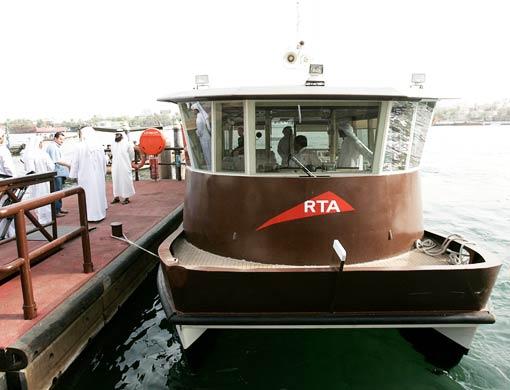
Dubai: The first route of the water bus linking Al Sabkha Station in Deira with Al Gubaiba Station in Bur Dubai was launched on Thursday.
The water bus service is part of the Roads and Transport Authority’s (RTA) strategic plan to provide an alternative mode of water transport to commuters.
The service is also part of the first phase of the marine public transport project launched by the Marine Agency of the RTA, which has earmarked Dh1.5 billion to have integrated water transport services to implement its marine transport strategic plan 2020.
Passengers
“More than two million passengers are expected to use water buses during the first year of its operation. The number is expected to grow to six million in the future with the introduction of more buses,” said Khalid Al Zayed, Acting Chief Executive Officer (CEO) of the Marine Agency at the RTA.
He said the water bus will complement the existing traditional Abra service on the Dubai Creek. Around 20 million passengers use the Abra service every year.
The water bus will also be used by passengers to cross the creek. But unlike Abras, the water bus is air-conditioned and has comfortable seating with safety features. It can be used by people with special needs.
However, passengers using the Abra pay only Dh1 to cross the creek while they will have to pay Dh4 for the same journey but in the comfort of air-conditioning.
Initially, 10 water buses will operate on four routes serving five stations on both sides of the Dubai Creek.
It will be run from five stations including: Sabkha and Baniyas on the Deira side of the creek and Al Gubaiba, Dubai Old Souq and Al Seef Street stations on the Bur Dubai side.
The first route was launched yesterday whereas the three other routes will be operational from September.
Eight out of 10 buses will be used for passengers to cross the creek while two water buses will be reserved for tourists. The water bus for tourists will be available from Al Seef Station every 30 minutes. 
Integrated plan
They will operate seven days a week for 17 hours every day from 6am to 11pm with 10 minutes headway time between trips during morning peak hours from 7am to 9am and 15 minutes interval during off peak hours.
Al Zahed said: “The water transport is part of the integrated public transport plan to curb traffic congestion on roads. It will serve the congested central business districts of Deira and Bur Dubai.”
According to RTA studies, Dubai’s coastline has increased from 70km to 360km due to new off shore developments such as Palm Jumeirah, Palm Jebel Ali, The World, The Business Bay and the Dubai Water Front.
The studies project that around 62 million people are expected to use the public water transport by 2020.

 ClicksandWrites
You must be logged in to post a comment.