No News
Green is healthy and friendly, admits winner
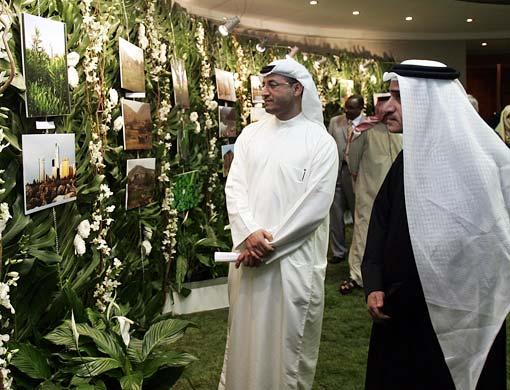
Dr Sulaiman Al Jassem (right), Vice-President of Zayed University, and Majid Al Mansoori, Secretary General of Environment Agency-Abu Dhabi, takes a tour after inaugurating the exhibition in Abu Dhabi.
Green is healthy and friendly, admits winner
By Dina El Shammaa, Staff Reporter GULF NEWS Published: January 08, 2008, 00:25
Abu Dhabi: A student who won a photo competition to highlight the importance of conserving the environment says staying green is staying healthy.
Thirty-eight students from different universities and higher education institutes participated in a three-day Environment Photography Competition known as “Environment & Development Integration Not Collision.”
Various artworks related to environmental problems in the UAE were on show. It was part of a college communication capstone project.
“We were impressed with the photograph entries submitted by the youth. They reflected a sense of environment and the need to safeguard it from rapid development in a very creative way. The photos bring to light an important reminder that our lifestyle affects the UAE environment on a daily basis. Nothing captures the imagination like a good photograph. It is one of the best ways to promote environmental awareness,” said Majid Al Mansouri, Secretary General, Environment Agency-Abu Dhabi (EAD).
Theme selection
The theme for the competition was selected by students from the College of Communication & Media Sciences to focus on the impact of adopting a new lifestyle and its effect on the UAE environment – such as daily construction and pollution.
The competition was in two categories; single photographs which allowed participants to submit one single photograph expressing the theme. This photo had to embody an important message describing the relationship between the environment and humans.
The second category involved a series of photographs which allowed participants to submit up to three photos to communicate a story. The series of conceptual and related photos should offer the viewer insight into the world where he/she should be able to better understand their environment.
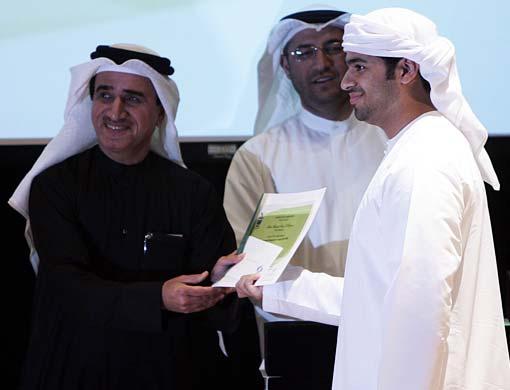
The winners werehonoured at a ceremony jointly organised by Zayed University and the EAD on Sunday handing over
Prizes for the two categories were as follows: the single photo first prize of Dh12,000, second prize Dh6,000 and third prize Dh4,000. The series photos first prize of Dh12,000, second prize Dh6,000 and third prize Dh4,000.
Ahmad Al Marzouqi, UAE University, won first prize for the Single Category for his ‘We are friends -Palms and buildings’ photo.
“The whole idea of taking that picture was to encourage the country to stay green while developing new projects and buildings. Green is healthy and friendly,” said Al Marzouqi.
The student told Gulf News he plans to buy new components to enhance his photography hobby with the award. He presently uses a Canon 350D. His other hobbies are football and internet surfing.
Full time, part time, undergraduates and graduate students of all nationalities from different universities were encouraged to participate in the competition by submitting their artworks on line to http://www.ephoto.award.com and a team of five judges selected the winners.
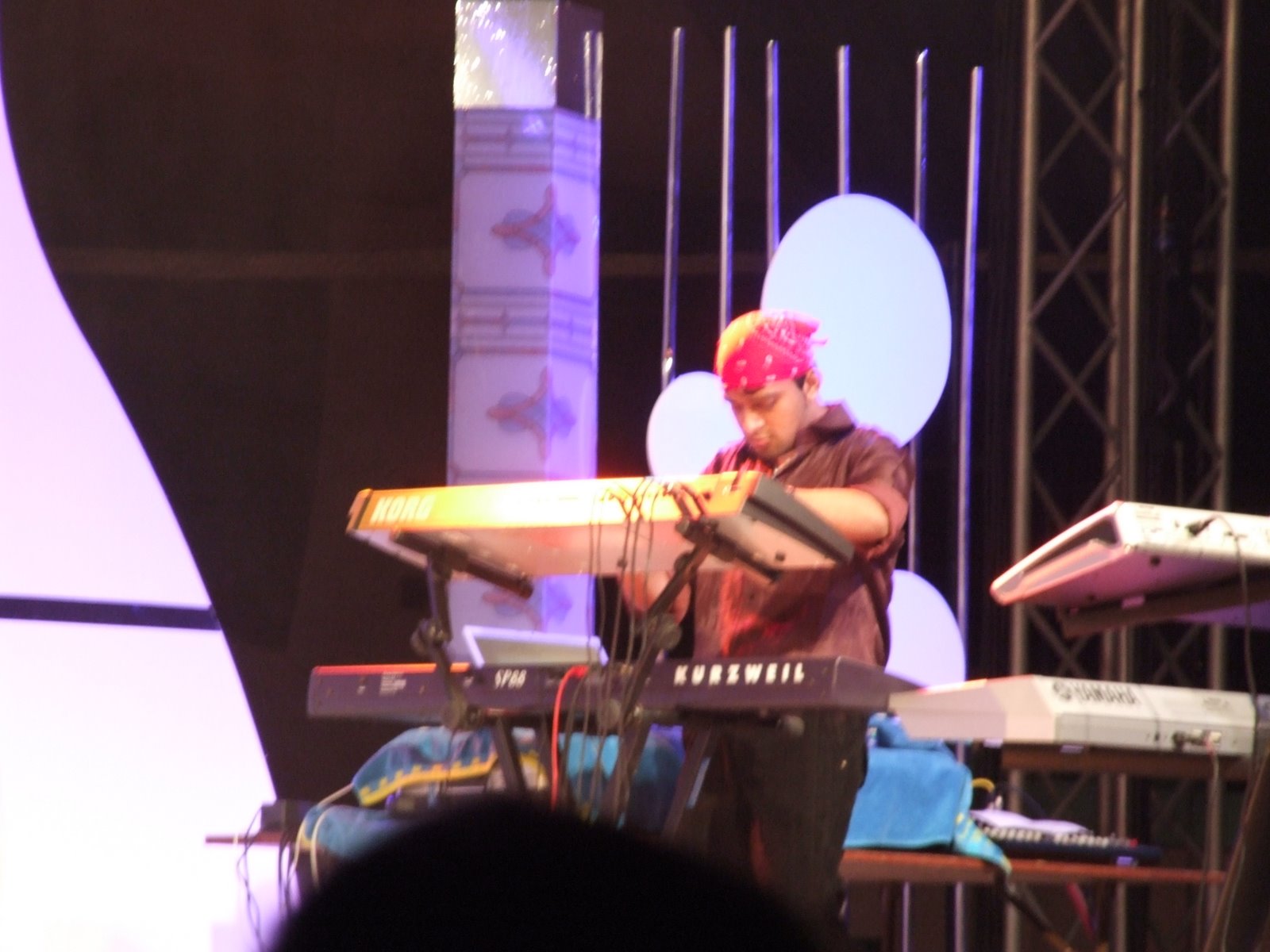
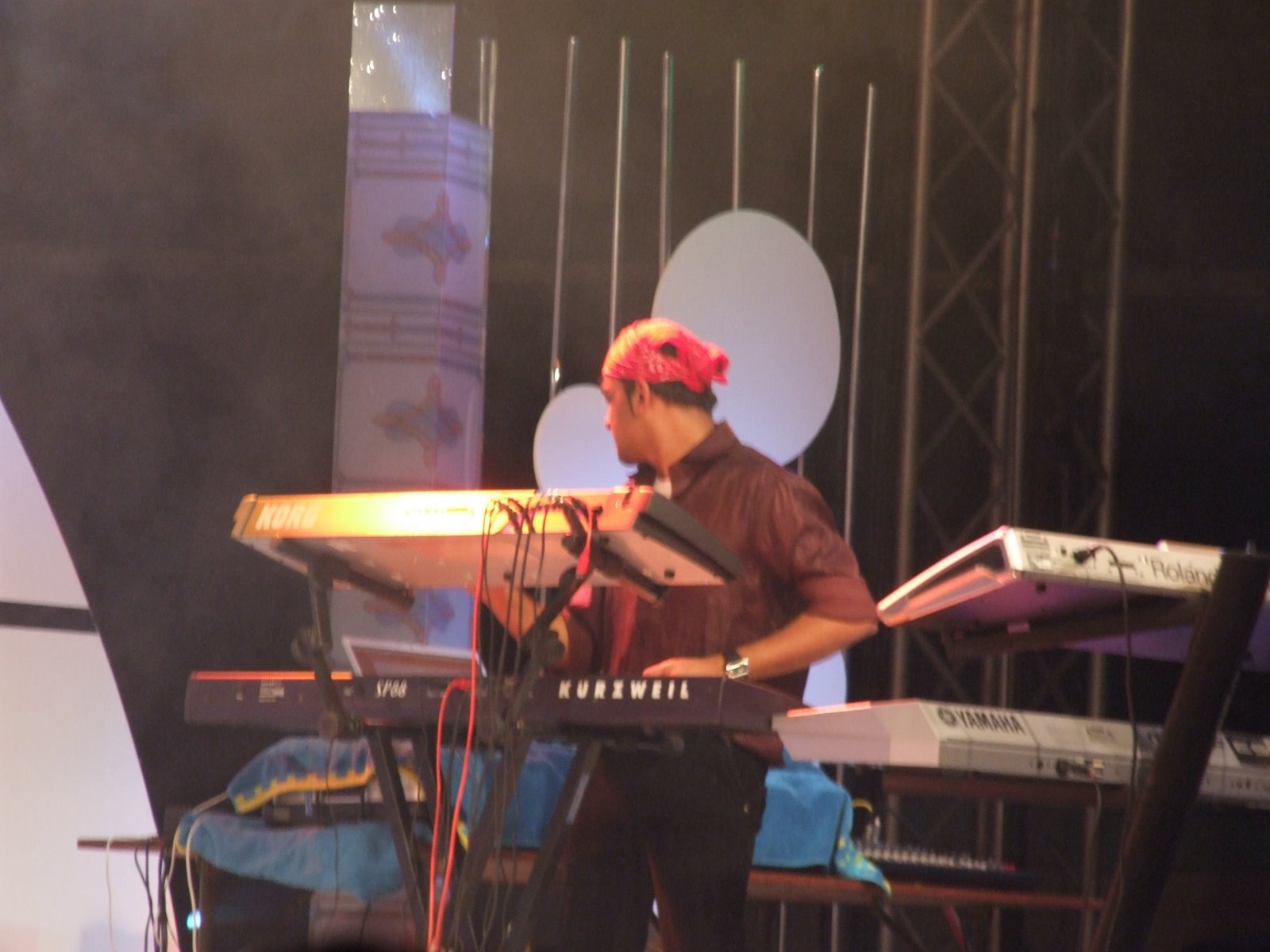
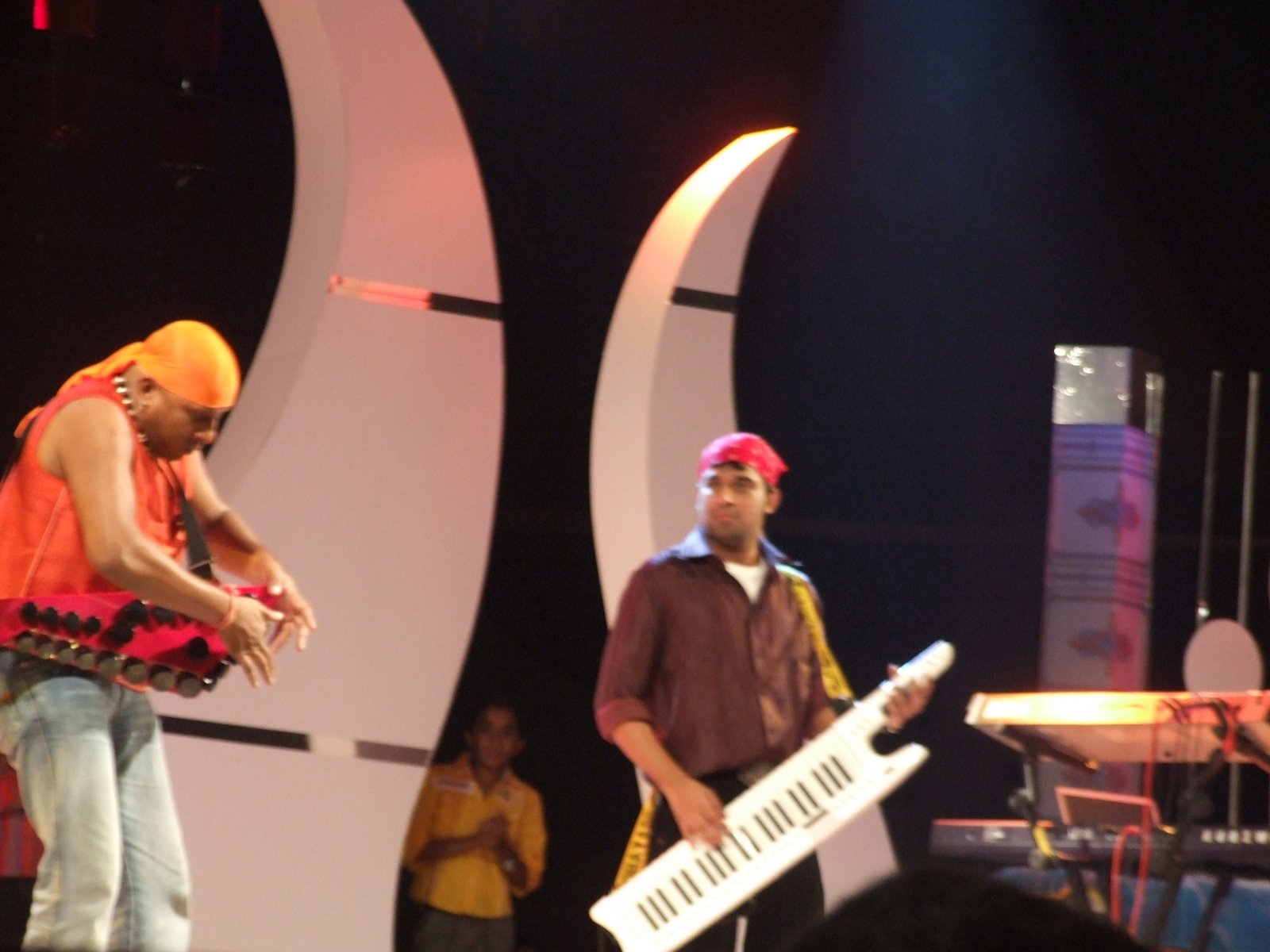
Stephen (Amrita TV) on Keyboard – a musical magician
Dear all,
I am proud to present you a musical magician Mr. Stephen on keyboard. Stephen is the key behind many of the successful programmes by Amrita TV.
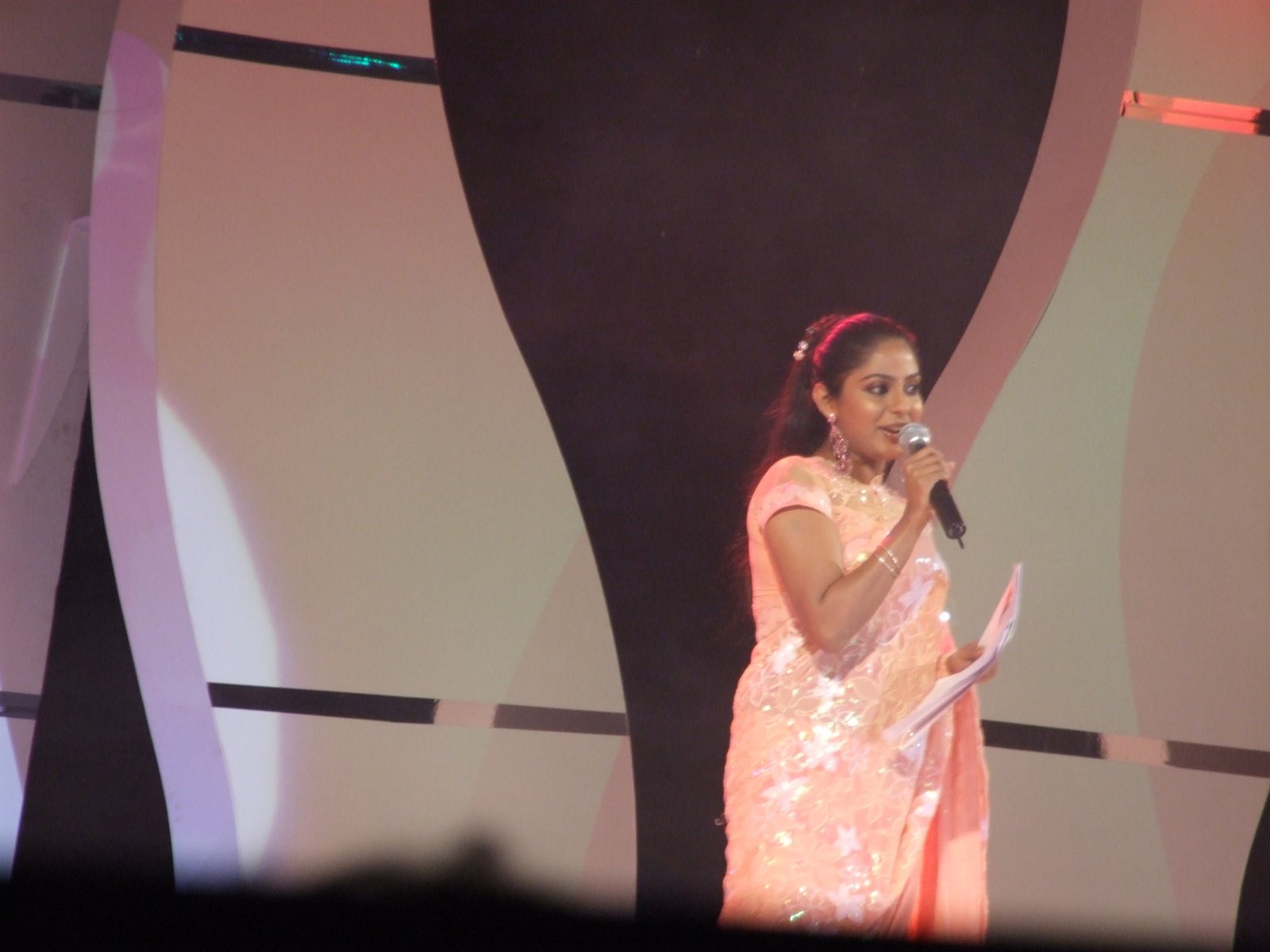
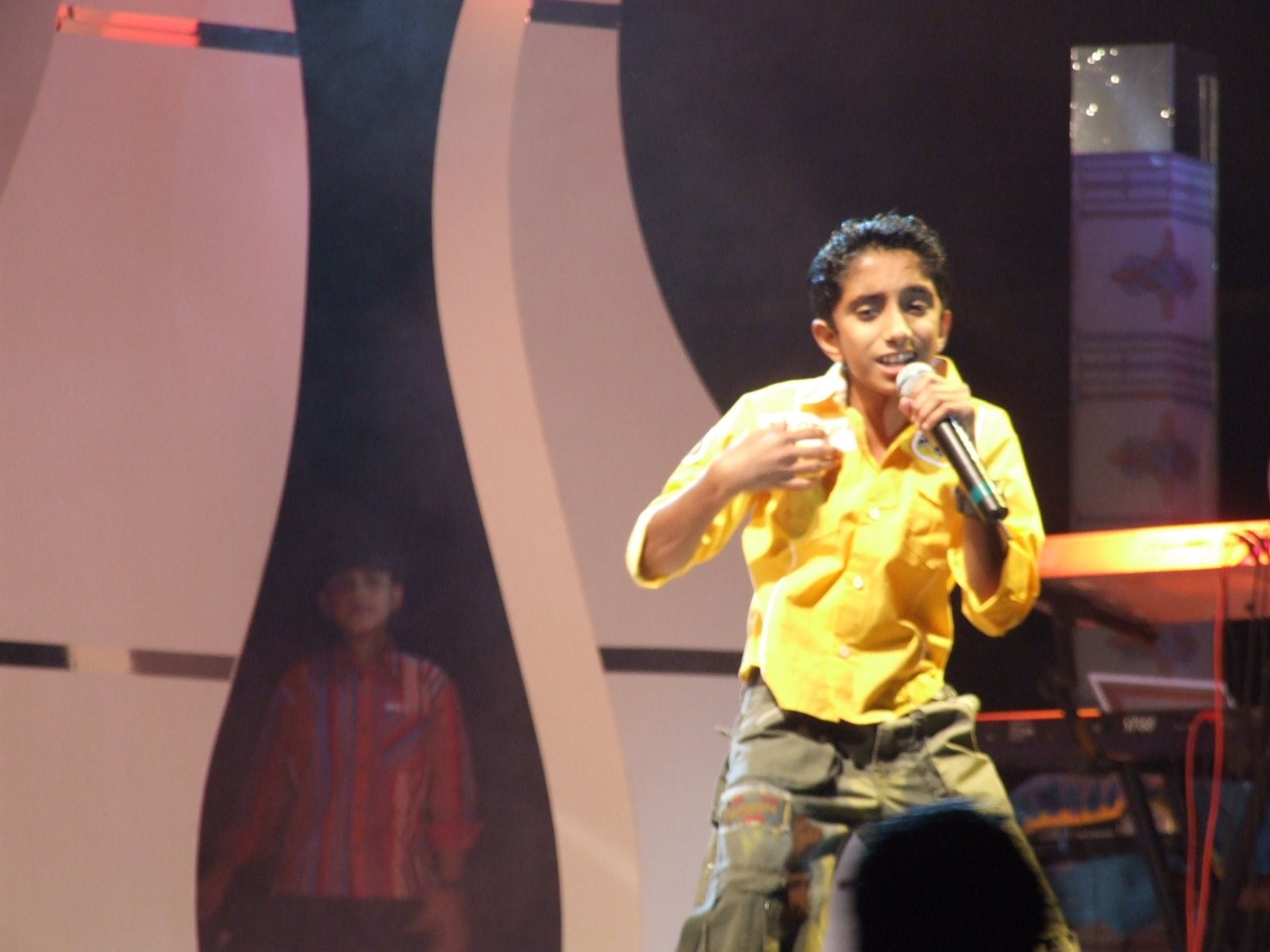
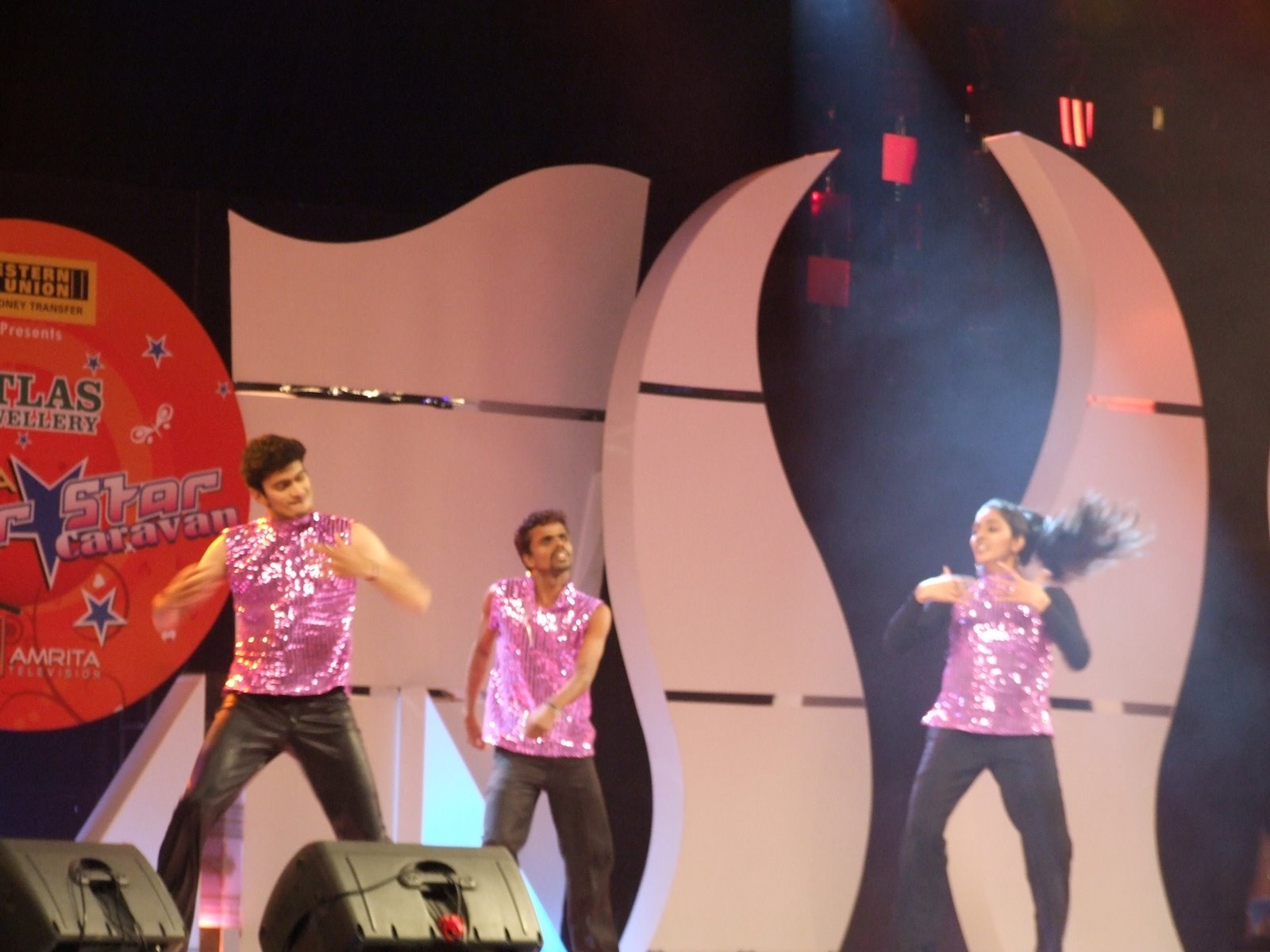
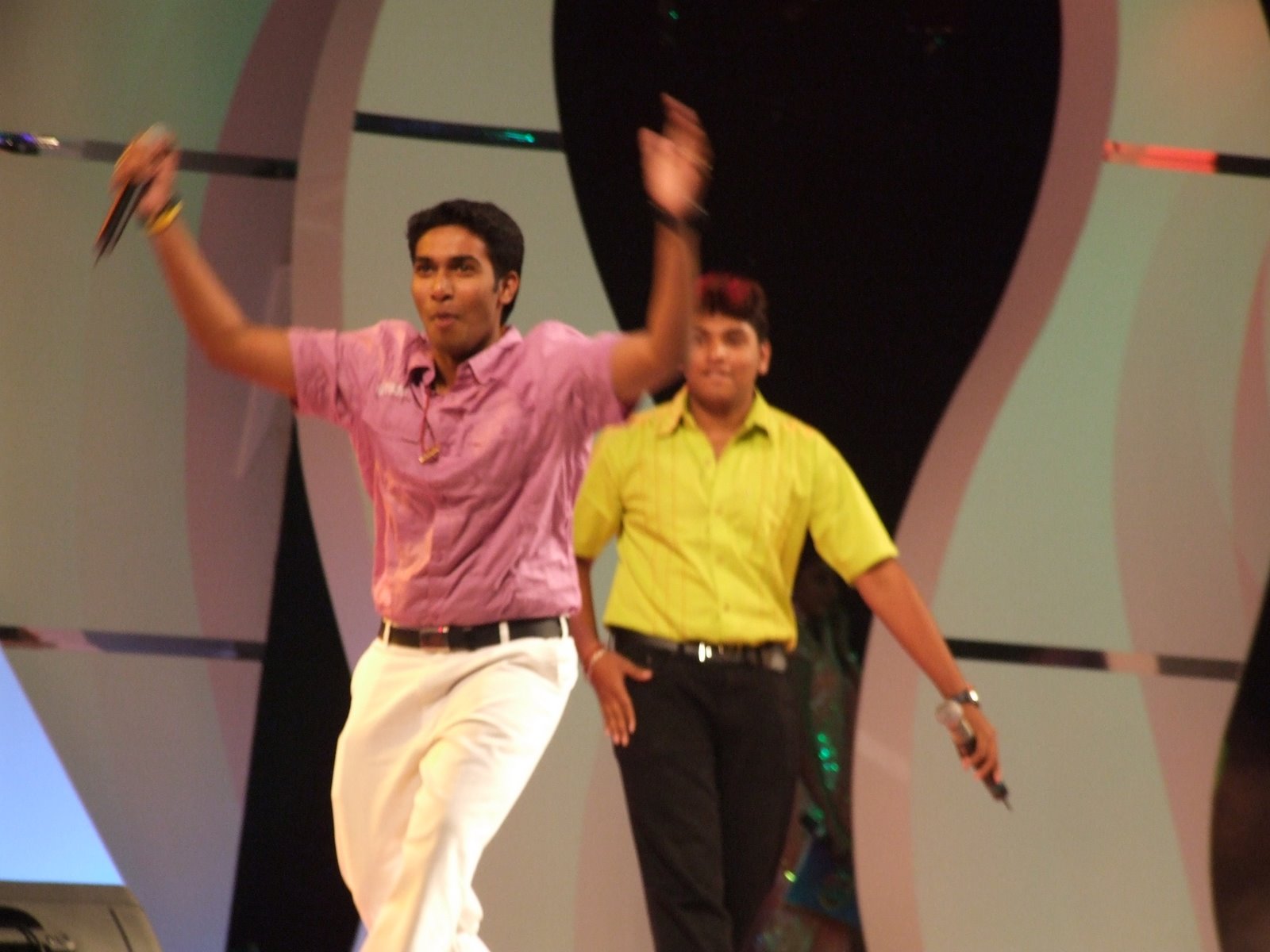
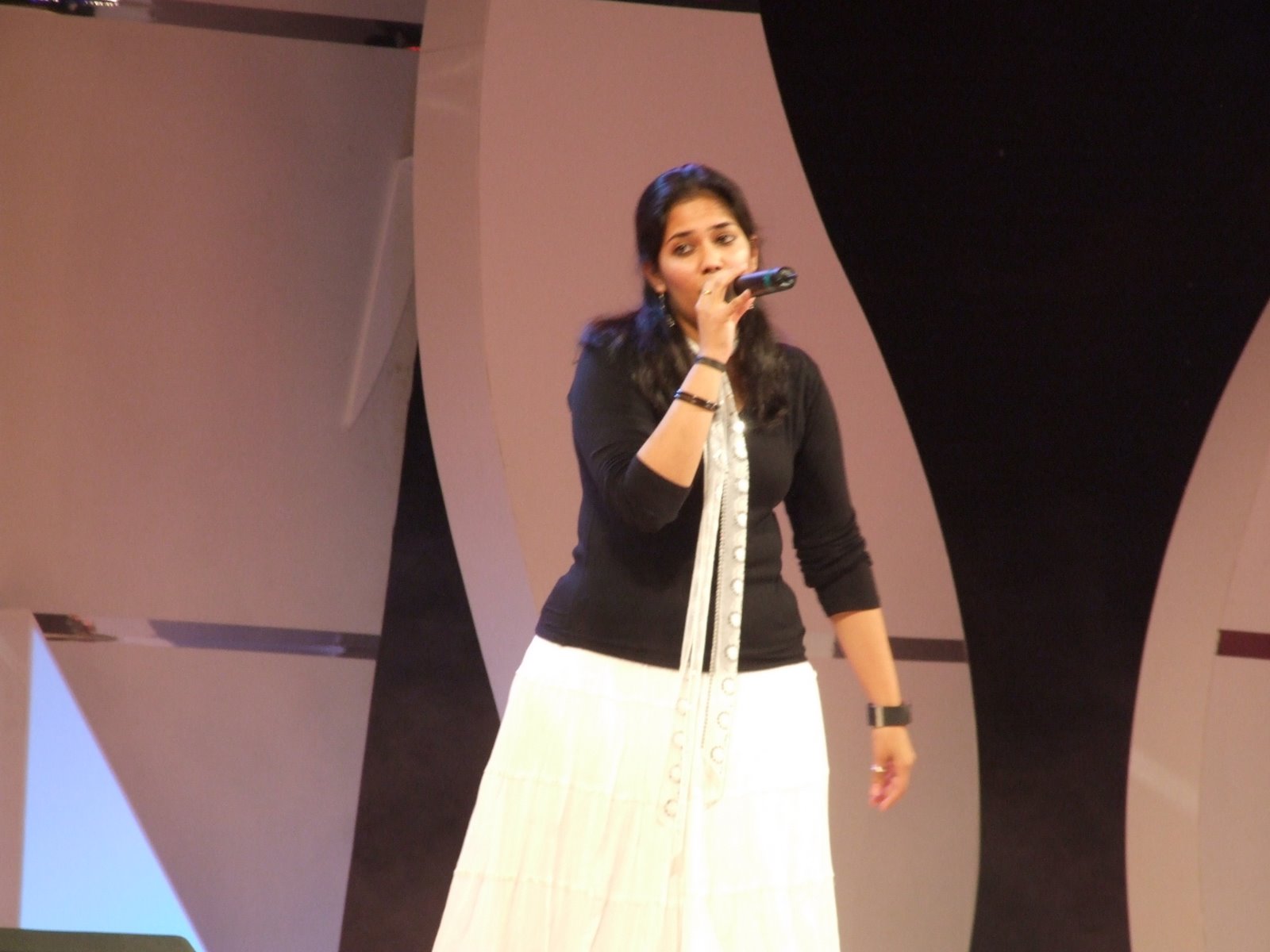
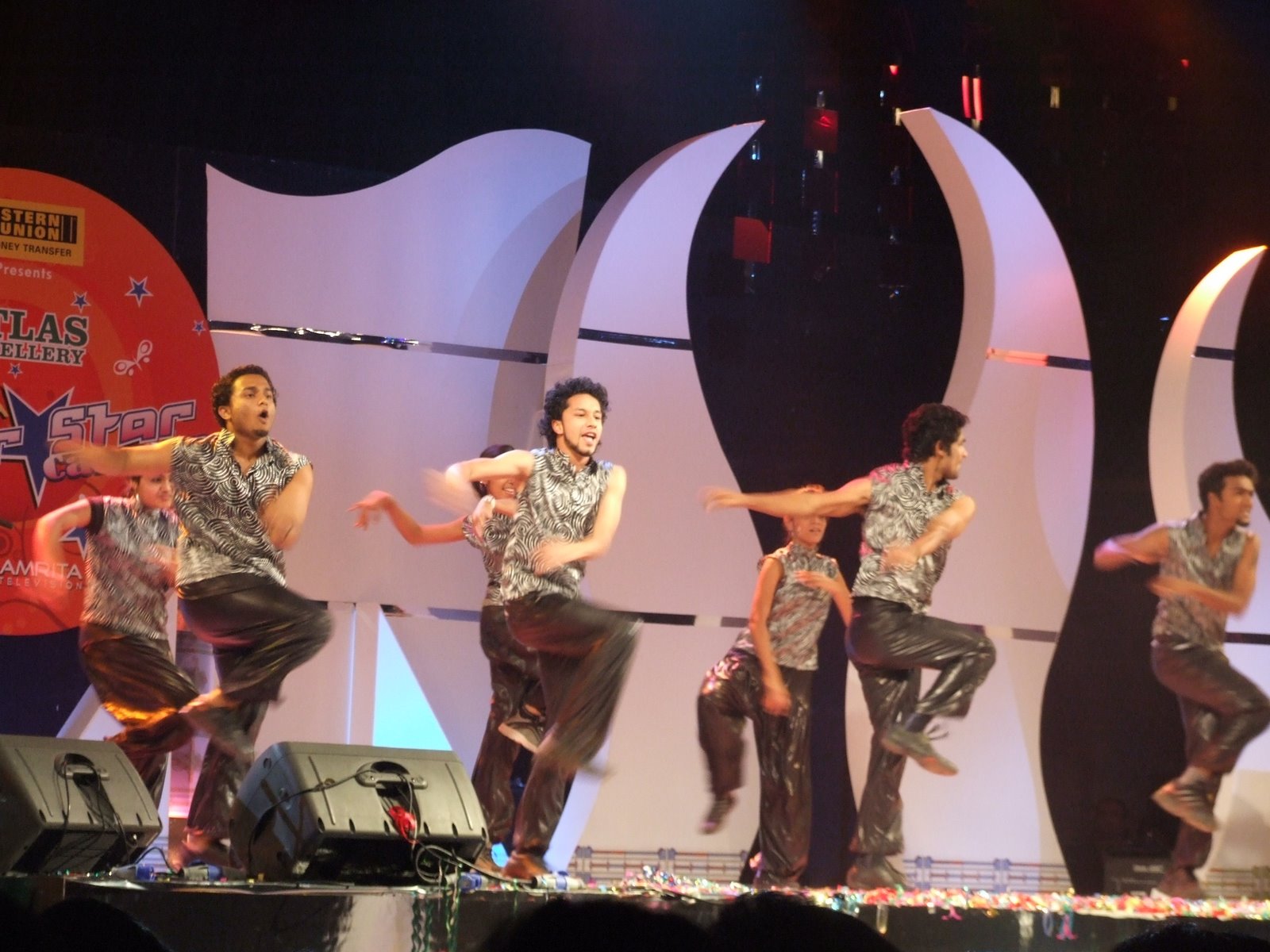
Here is a glimpse of his magic from the Superstar Caravan show held at Al Nasr Leisureland Dubai on 28th December 2007.
http://www.youtube.com/watch?v=cMjxTVx31KU
More uploads on demand and your sustained interest.
Ramesh Menon
The end of a long, enlightening journey: Sashi Tharoor
The end of a long, enlightening journey: Sashi Tharoor
Seventeen instalments ago we embarked in this space on a quixotic scheme: to compile a glossary of things Indian, “a sense of what we have in common: the assumptions, the habits, the shared reference-points that constitute the cultural and intellectual baggage of every thinking Indian.”
We have ploughed through the alphabet, with tongue yoked firmly to cheek, and here we are at last at the final furrows on our brow (and the last letters of the alphabet).
But before we get there, as faithful readers have reminded me, there are a couple of other terms I should have defined for our glossary that I didn’t before their alphabet slipped away.
Call Centres: The quintessential symbol of India’s globalisation. While traditional India sleeps, a dynamic young cohort of highly skilled, articulate professionals works through the night, functioning on US time under made-up American aliases, pretending familiarity with a culture and climate they’ve never actually experienced, earning salaries that were undreamt of by their elders (but a fraction of what an American would make) and enjoying a lifestyle that’s a cocktail of premature affluence and ersatz westernisation transplanted to an Indian setting.
Critics argue that this is “coolie work” (see my column of April 15 this year) but it’s transforming lives, boosting our economy and altering our society. When the story of the New India is written, call centres will have to play a large part in the narrative.
IITs: Are perhaps Jawaharlal Nehru’s most consequential legacy: they epitomise his creation of an infrastructure for excellence in science and technology, which has become a source of great self-confidence and competitive advantage for India today. Nehru’s establishment of the Indian Institutes of Technology has led to India’s reputation for engineering excellence, and its effects have been felt abroad, since the IITs produced many of the finest minds in America’s Silicon Valley and Fortune-100 Corporations. Today, an IIT degree is held in the same reverence in the US as one from MIT or Caltech. There are not too many Indian institutions of which this can be said.
Back to our final entries: Villages: Are where two-thirds of Indians still live. They are, for the most part, neither the dregs of misery they are sometimes portrayed to be (living conditions in our city slums are surely far worse) nor the idealised self-sufficient communities our Gandhians wish they were (there are too many inequalities and vested interests, and too few opportunities, for that). Our villages are just as susceptible to the encroachments of change, to the influence of the nearest movie theatre, to the ideas of the loudest politician, as any of our cities. They have simply lasted longer, and changed slower, because neither the attempts nor the resources have been geared for dramatic transformation. But village India is changing — few villages can claim to be identical in every respect to the way they were even a decade ago — and the pace of change can only accelerate. As urbanisation proceeds apace, within the lifetime of many of the readers of this column, villages will no longer house a majority of India’s population. And then, to borrow from Edward Luce, if Gandhiji hadn’t been cremated, he would surely have rolled over in his grave.
Weddings: Are the classic Indian social event, glittering occasions for conspicuous consumption, outrageous overdressing and free food. In a culture where marriage is a family arrangement rather than a legal contract, the wedding is the real opportunity to proclaim a new relationship to society, and brings together friends, business contacts, relatives and spongers in orgiastic celebration of the act of union. Beneath the surface bonhomie and backslapping jollity, however, lurk the real tensions, as the bride’s father asks himself, “Are the groom’s party really happy with the dowry? Can i trust the chap who’s collecting the presents?”
Xerox: Xerox machines are a relatively new feature of Indian life. The cost of photocopying, though it has been dropping, is still prohibitive enough to dissuade all but companies, scholars and the occasional spy from resorting too freely to it. But the existence of so many roadside sheds with Xerox machines in them is, like our STD booths, a contribution of Indian democracy to the popularisation of technology.
Yes-men: Known north of the Vindhyas as chamchas, yes-men have existed throughout Indian history and will no doubt continue to do so. Their role is sanctified by the tradition of deference, the power of position, the fact of overpopulation and the alternative of unemployment. No one with money, power or position moves alone when he can be accompanied by a host of sycophants ready to echo his every nod. Yes-men are not necessarily at the bottom of the social scale; the role can be played at various levels. Thus, a peasant can be a yes-man to a contractor who is a yes-man to a landlord who is a yes-man to a party boss who is a yes-man to a chief minister who is a yes-man to a cabinet member who is a yes-man to the prime minister… At no stage in the process does anyone actually think anything other than, “What does my boss want me to think?” Fortunately for the country, somebody up there values the word no.
Zoroastrianism: See Parsis. (This is part of the typical Indian habit of observing the letter of an undertaking, while violating its spirit. It is also known as having the last laugh.)
By: Shashi Tharoor
4 Indians win media awards in Dubai
4 Indians win media awards in Dubai
29 Dec, 2007, 1235 hrs IST, PTI
DUBAI: Four Indians have been awarded by a Dubai-based media group for excellence in fields like animation and photography.
Among the total 11 winners of Ibdaa Media Student Awards 2007, presented at a gala ceremony held at Dubai Media City Amphitheatre here, were Santosh Nayak from Sir J J Institute of Applied Art who won in the Animation category and Sagar Pitale from L S Raheja School of Art for Graphic Designing.
Besides, Varun Dahisaria from Rachana Sansad College of Applied Arts, India, came first in Digital Photography and Derryk Mas carenhas from Rizvi College of Arts, India won the award for Print Advertising.
Shaikh Maktoum bin Mohammed bin Rashid Al Maktoum, Chairman of Dubai Technology and Media Free Zone Authority presented the awards on Thursday evening.
The students were selected from more than 2,200 media student entries across the globe, including from Egypt, India, Iran, Lebanon, Pakistan, Philippines, the UK and the UAE for the sixth edition of the award.
Besides cash prizes, the winners were also awarded internship opportunities with leading media organisations such as CNN, MBC, CNBC Arabia, Xische, Team Y&R, Motivate Publishing, Nikon, Saatchi & Saatchi, Leo Burnett and Arabian Radio Network (ARN).
Mohamed Al Mulla, director, Dubai Media City, and coordinator general of the Ibdaa Awards, said, “The awards mark the pinnacle of achievement for the talented youngsters and their remarkable creative skills. This recognition will lead to promising careers with top media organisations, not just for the winners but for all the short-listed participants as well.”
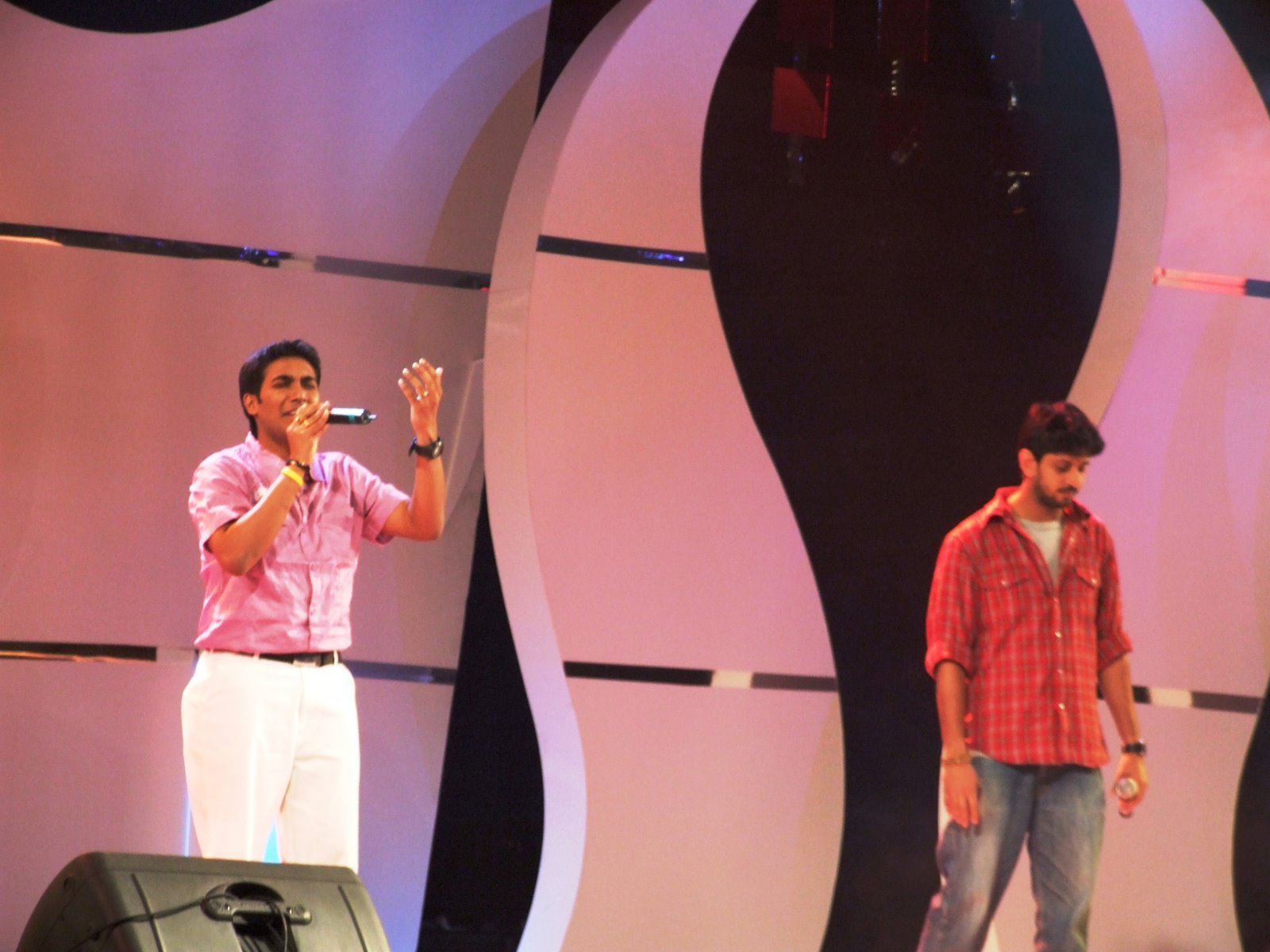
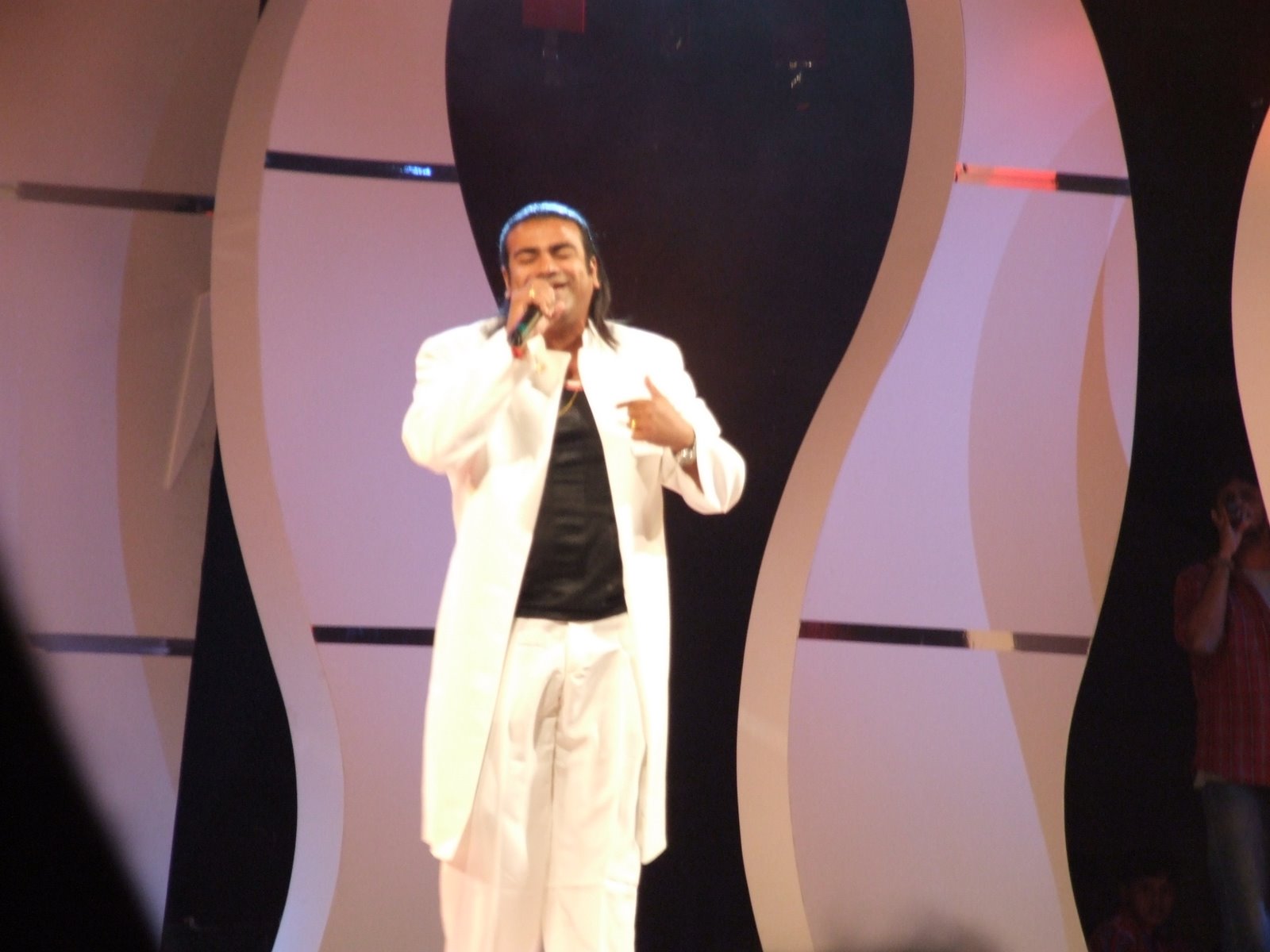
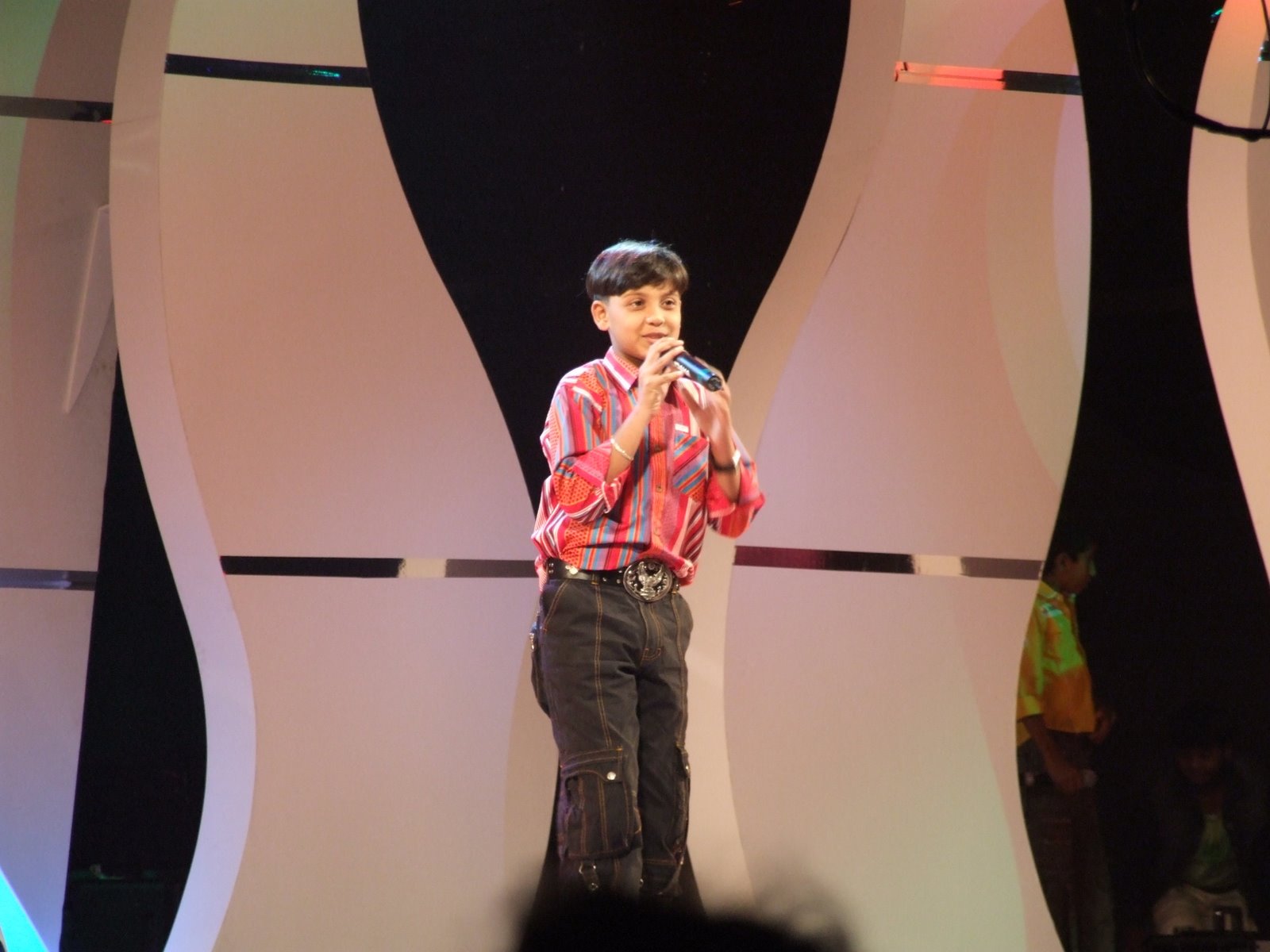
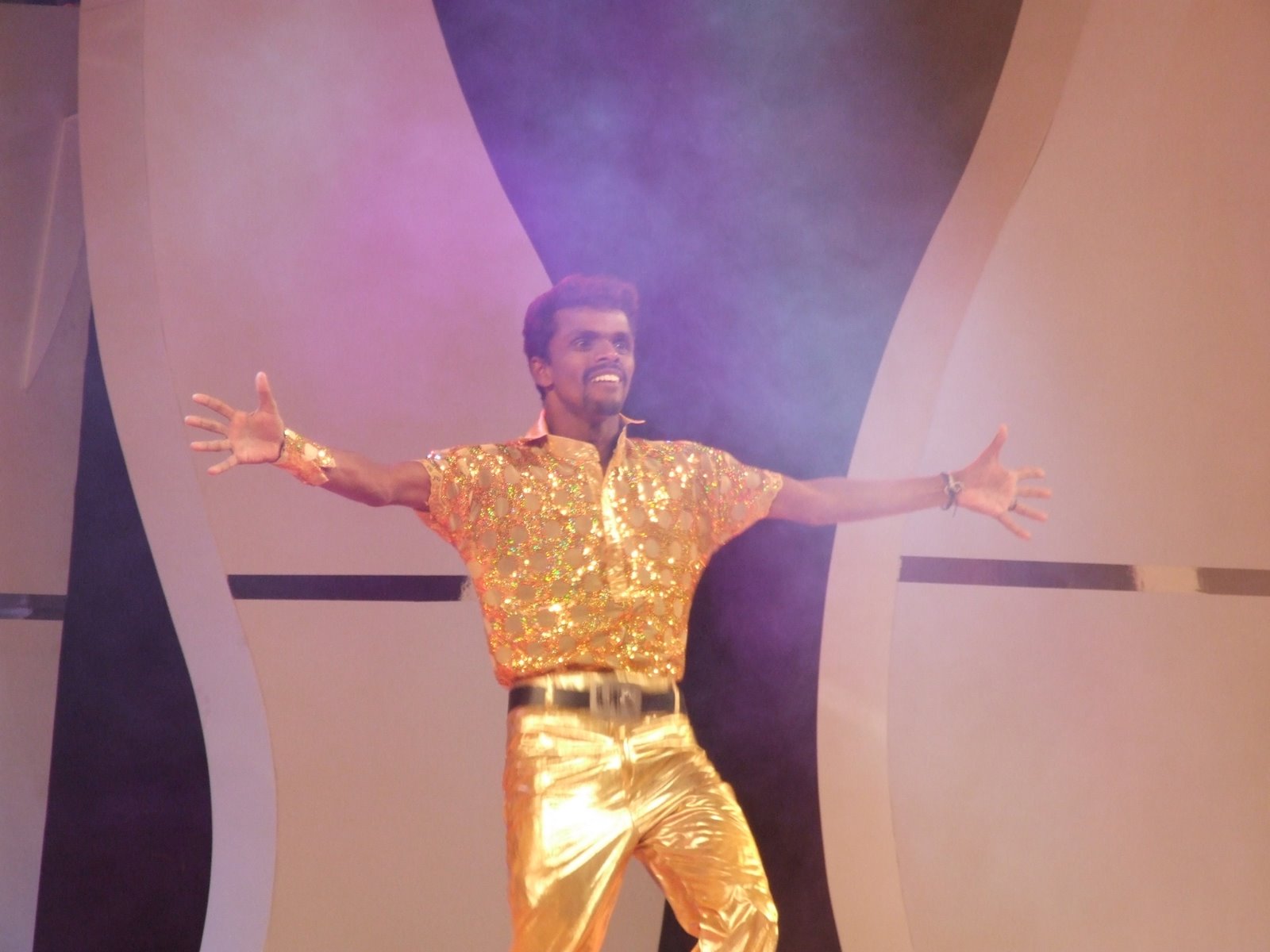
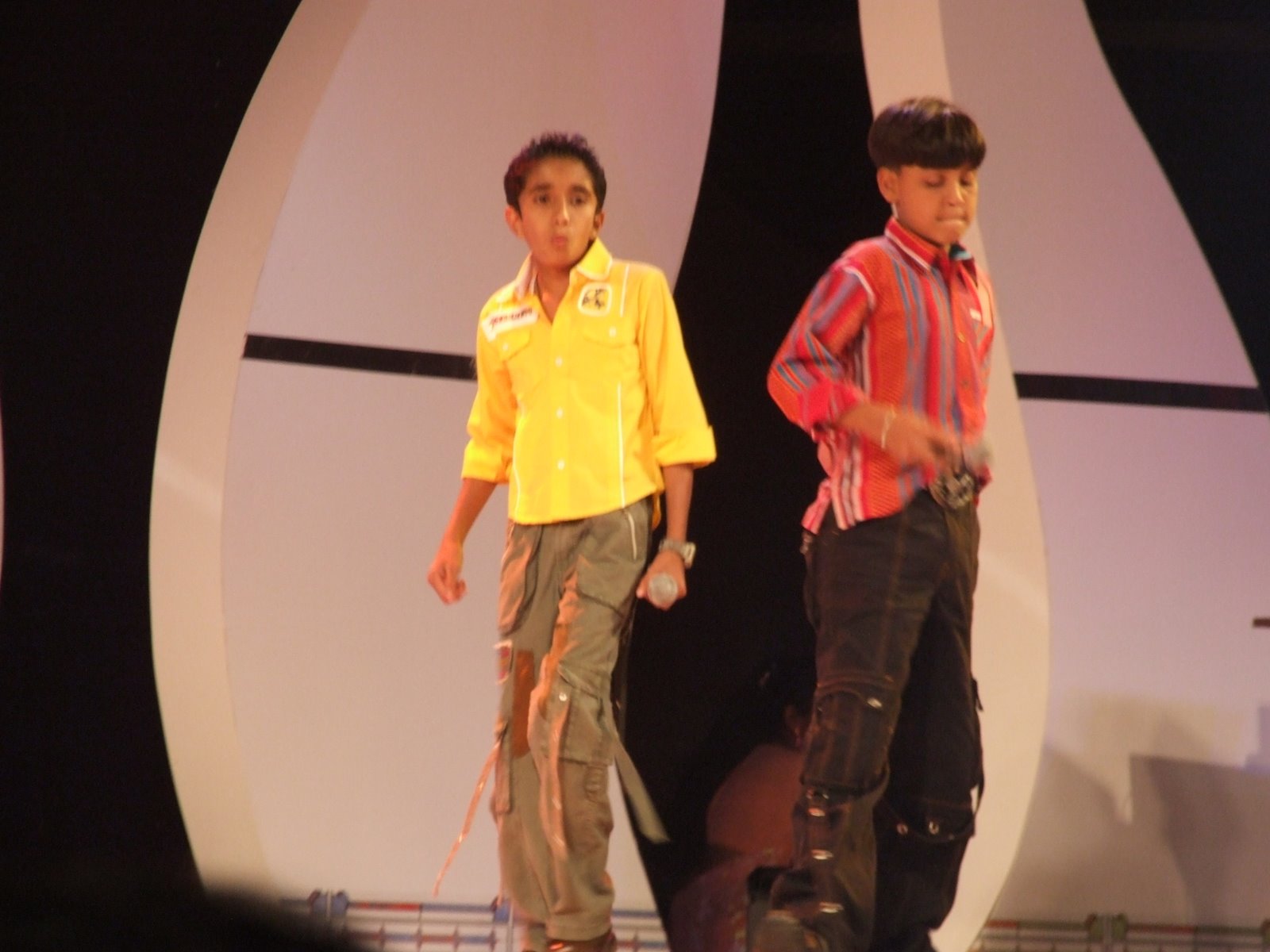
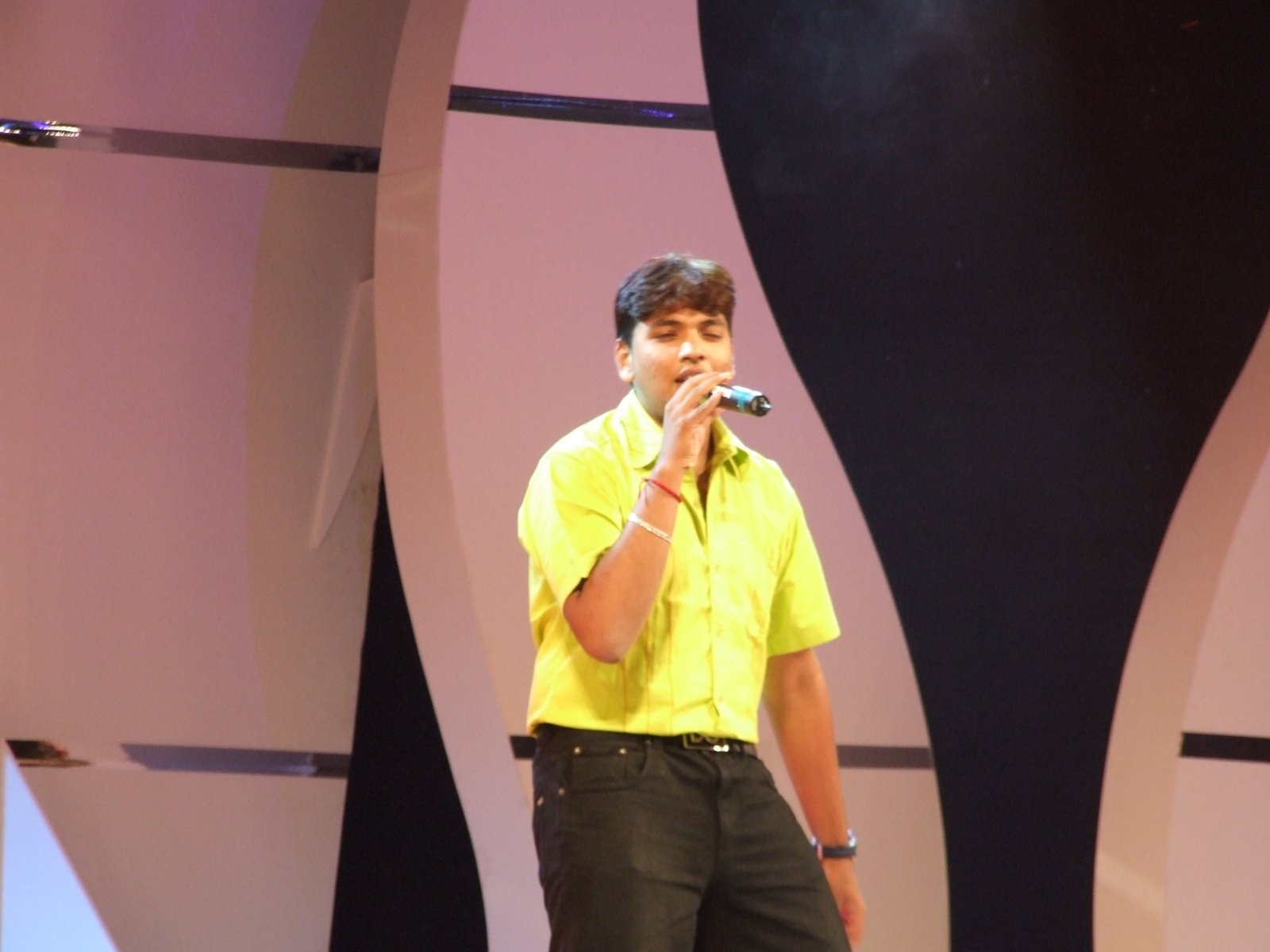
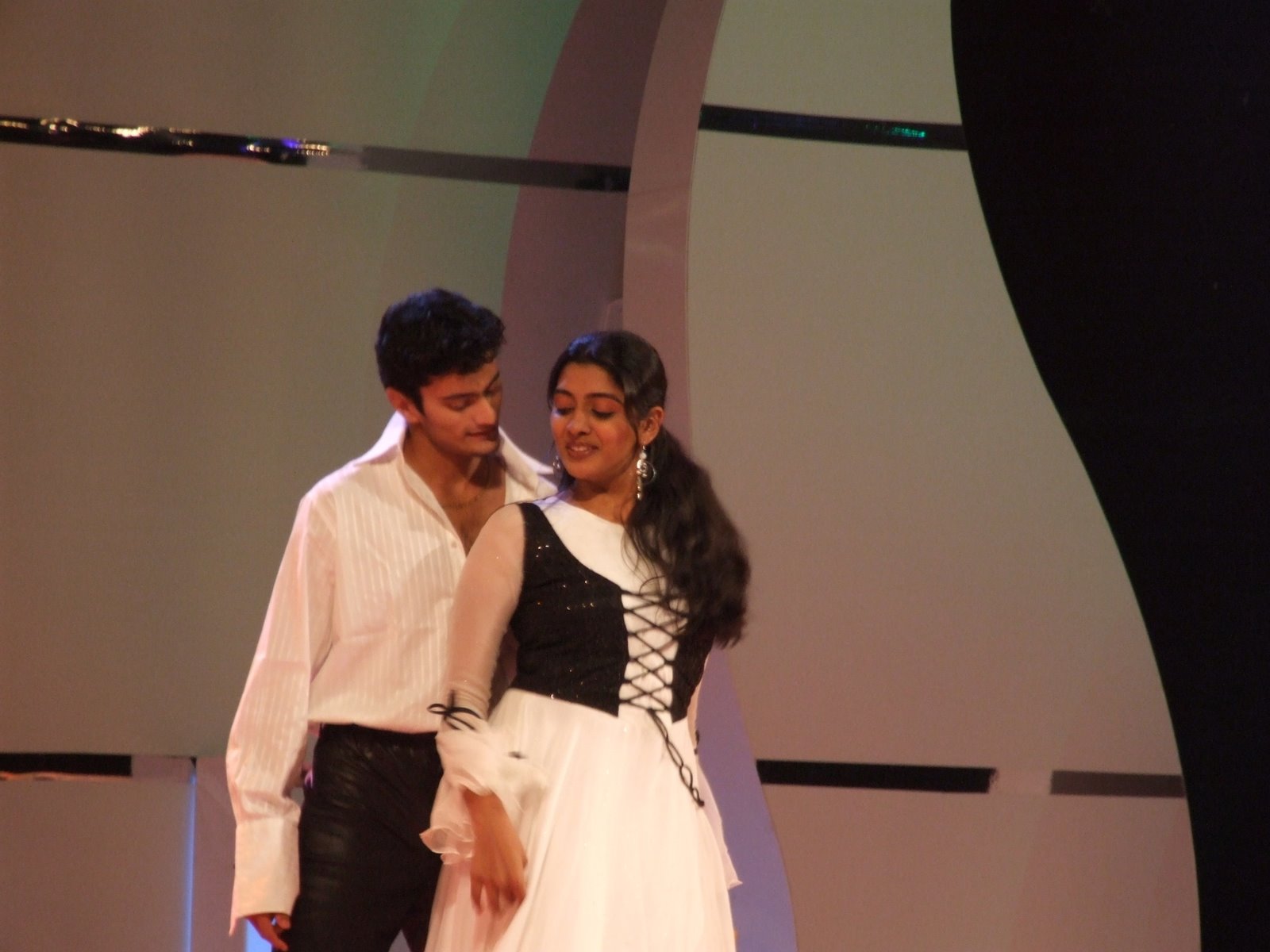
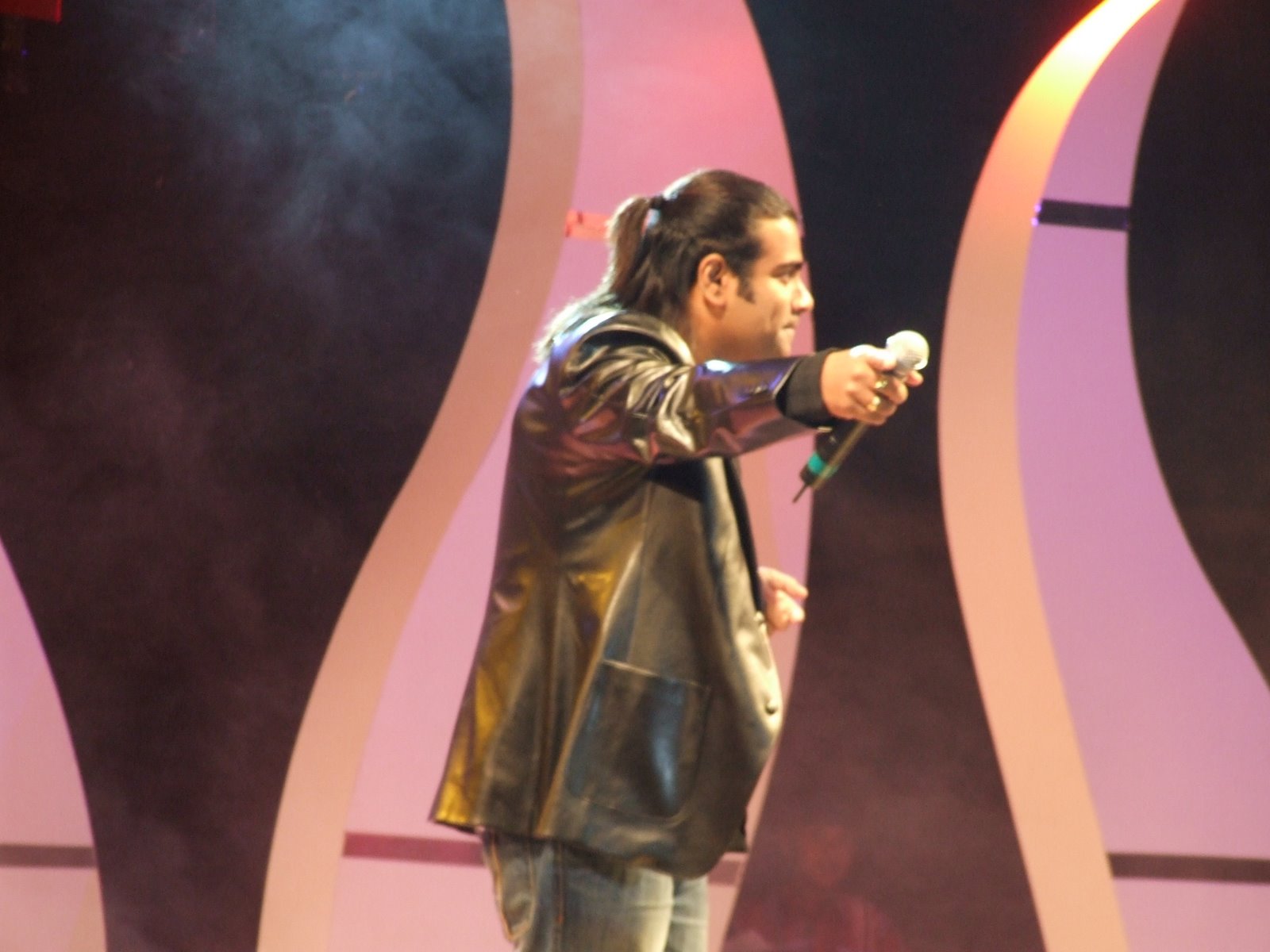
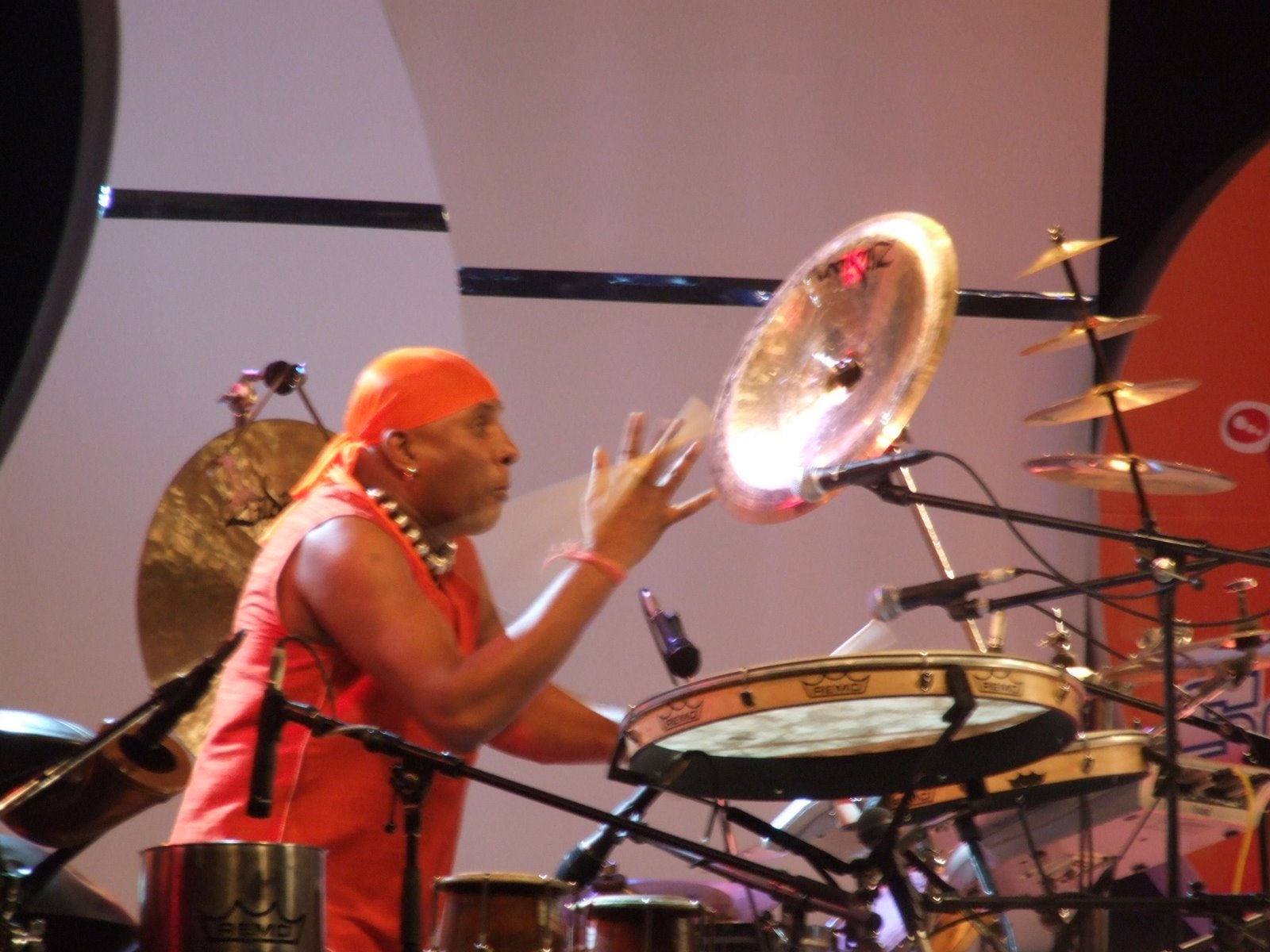
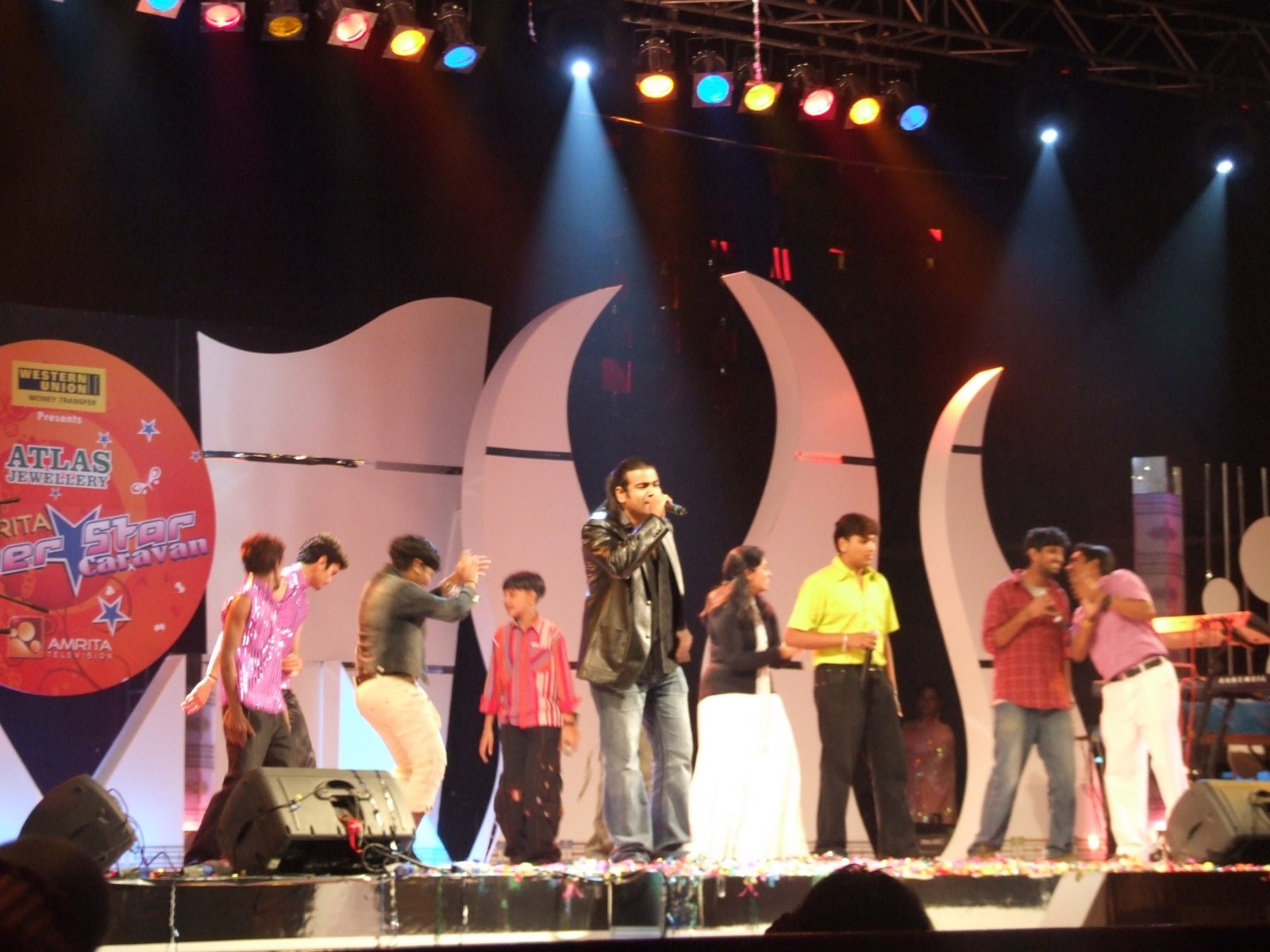
Amrita Super Star Caravan in Dubai – 28 December 2007
Dear all,
Excellent, enthralling, everlasting – words are not enough to express the sheer joy of watching the young dynamites as well as the Superstars perform live. And what a performance by Shivamani to end the show.
May AMMAs blessings and God’s grace be with all these talented stars to perform better and better in the coming years too.
Ramesh Menon
28122007





Movie Review – Taare Zamin Par

Movie Review – Taare Zamin Par
Every Child is Special
Dear friends,
Do not miss watching this movie. Excellent one to end 2007 Indian Hindi movies on an ever high note. Every working parent should watch this and for all those who dictate their way with their children this will be a great lesson. Congratulations to Amir Khan and the young Darsheel Safary and also to Tisca Chopra and Vipin Sharma for brilliantly living their roles throughout. Good songs and photography too.
Take all those kids and loved ones along.
Regards,
Ramesh Menon
http://www.team1dubai.blogspot.com
If it’s Tuesday, it must be the night of poets
If it’s Tuesday, it must be the night of poets
By Silvia Radan (Our staff reporter/KHALEEJ TIMES)27 December 2007
ABU DHABI — After the success of the previous edition, the second session of the Million Poet Competition opened on Tuesday night in the capital, in the presence of General Shaikh Mohammed bin Zayed Al Nahyan, Crown Prince of Abu Dhabi and Deputy Supreme Commander of the UAE Armed Forces.
The competition, organised by the Abu Dhabi Authority for Culture and Heritage (ADACH), is taking place at Al Raha Beach Theatre on a weekly basis, every Tuesday. The 48 competitors who have been chosen from an impressive list of 10,000 applicants were all present on stage on the first night, to open the 15-week long live show.
Just like in the previous session, the poets, both men and women, come from all over the Gulf region and beyond, but their poetry, either modern or traditional, is in Arabic language and style.
Each Tuesday night, eight competitors recite their verses and the judges pick two winners, while the public also chooses its two favourites, voting through SMS, which is announced the following week.
By the end of the 15 rounds, 24 poets will be left in the competition, but only one will be crowned the Million Poet, receiving not only the prestigious title, but also Dh1 million.
The previous session, which ended in March this year, was the highest rated show in the Gulf region and it became the latest hit on a TV series.
Creativity + : MASTERPIECE:
MASTERPIECE:Sand artist Sudarshan Pattanaik carved the image of Mother Mary with infant Jesus in front of a church on the ocassion of Christmas at Puri beach. (PTI)
Creative wavelengths
Creative wavelengths
By Shalaka Paradkar, Staff Writer GULF NEWS Published: December 21, 2007, 02:31
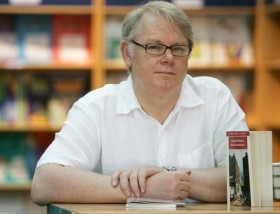
The task of a radio dramatist is … challenging. Aside from working within the limitations of the medium he also needs to compete with its much flashier, more attractive cousin – the television. But, says Nick Warburton, who has straddled both media, it’s all about storytelling and that is the role of his life.
Radio, they say, is a theatre of the mind, and television the theatre of the mindless.
Television supplies one with images to go with a story; radio allows an audience to create their own images from what they hear.
Writing for radio can be liberating: there are no fancy sets or dazzling costumes to worry about when scripting a period piece or science fiction saga.
The writer decrees the story is set in, for instance, the 11th century or the 23rd, and from then on, it’s the audience’s imagination which takes over.
The physicality of the actors also does not matter. They can be of any shape or size or height (or a lack of it), wearing designer clothes or a pair of faded jeans or a potato sack … All that matters is their voice.
If all this makes you think that writing for radio can be immensely satisfying and liberating, you may
not be far off the mark. But you must realise that it can also be considerably challenging.
Success is not easy in this field, thanks in no small measure to radio’s shrinking audiences and the overarching, Godzilla-like presence of television channels.
Nick Warburton is one of an endangered species: a highly successful radio dramatist. Warburton has written more than 50 scripts for radio, including Conversations from the Engine Room (joint-winner of the BBC/Radio Times Drama Award in 1985); adaptations of Tolstoy’s Resurrection, Father and Son by Edmund Gosse, the children’s classic Moonfleet and Lark Rise by Flora Thompson.
A Grove of Straight Trees was short-listed for the BBC/Radio Times Drama Award in 1993, and A Soldier’s Debt was the BBC entry for the 1999 Prix Italia.
He is also a fairly successful television writer, having scripted immensely popular series such as Doctors, Holby City, EastEnders and Born and Bred.
He straddles the divide between radio, television, stage and novel writing with consummate ease. Seven novels for children and young adults have been published, as have short stories and stage plays.
Among his children’s books are The Thirteenth Owl, To Trust a Soldier, Ackford’s Monster and Lost in Africa. He has run courses on creative writing in the UK, in West Africa for the British Council and in Dubai.
Warburton was in the UAE to conduct creative writing classes for school teachers at The Magrudy’s Educational Resource Centre in Dubai. Here he was among his own: Warburton was a primary school teacher for 10 years, before he took the plunge into full-time writing.
Little wonder then that his advice for Dubai’s aspiring writers was born of his own experience: “It seems to me from the people I have been talking to, that there are a lot of people here who are keen on writing. I would say to them, have a go at it, keep trying. You will never know until you have tried.”
I
The education I got … was very formal. We were not encouraged to look at plays – and plays are mostly what I do now. Theatre was a peripheral interest really. We did not come from a privileged background, so I did not go to the theatre much, perhaps just the occasional visit to the pantomime.
As a child, when people asked me what I wanted to be, I would say a policeman or a farmer. Later on, when
I realised those were unreasonable vocations for me, I thought I would be a teacher, work in a library, close to books.
And, in fact, a teacher is what I became. But I always wanted to be a writer, and eventually, I decided I would have to try to be a writer.
I don’t think too much of the audience when I write. It’s not that I don’t care about them, I do.
But you get involved in the story… therefore what you don’t think about is, “What shall I do next to please them”. (This is odd because part of what you do is playing a game with the audience, an imaginary game.) I prefer to get completely absorbed in the story.
I don’t deny myself reading books. I buy more books than I am able to read, it’s an indulgence.
I am also passionate about … cricket. The BBC broadcasts ball-by-ball coverage of every Test match involving England. It’s called Test Match special.
Part of the tradition is they invite a guest on the Saturday of the match. So I got to be Christopher Martin-Jenkins’ guest in View from the Boundary on Test Match Special this July, England v. West Indies at Headingley – it was the highlight of my career.
I had written a cricket-based radio play, entitled Lawn Wars, about a man who tries to bowl the perfect off-break.
Me
Me and school
I can hardly remember a time when I did not want to be a storyteller. When I first knew what stories were, at a very early age, I thought it would be a very wonderful thing to do. But there were very few people where I lived, who told stories for a living. Certainly no one in my family.
Storytelling was the sort of thing you kept as a secret, as a private wish.
I grew up in Woodford, an ordinary suburban area just outside London. I had a happy, ordinary childhood. I didn’t get along too well with my brother (we do now!) – we were too close in age and too different in temperament.
My sister is much younger. One of the things I remember particularly well is our holidays when we went to the Norfolk coast. We had seaside holidays, but also country holidays – where we could run free.
When reel-to-reel tape recorders came in, we managed to save enough to get one. My friend and I, a pair of
11-year-olds, would disappear into our shed, make up stories with sound effects (like a ruler twanging), and record these stories.
They were silly stories, but I suppose (the idea of) working in radio generated quite early in my life.
At school, I was a slow student, dreamy, not very capable, not very good at many things. I liked doing pictures and writing stories – and I thought I wasn’t going to get far with either of these.
Those days we had an exam at 11 – if you passed it, you went to grammar school. If you failed, which a majority did, you went to a secondary modern school. I failed.
But along the way you meet teachers who are keen on their subject, especially English teachers, who loved the language, the stories, the books, and that conveyed itself to me. Many of them took an interest in their pupils.
I had several teachers who were like mentors to me.
I never studied writing. After high school, I went to a training college, to train to be a teacher. I was always interested in writing.
But I had to get a proper, paying job, so I went into teaching – not from any desire to be a teacher. Though later on I did get interested in teaching, and liked it. I taught primary school for 10 years, teaching children everything: games, English, needlework even.
I tried to write at night after teaching in the daytime. But I was quite burnt out creatively and tired (because) teaching is quite a demanding job. It wasn’t until I stopped teaching that I had the chance to write properly.
Me and becoming a writer
My wife Jennifer – whom I met and married when I was teaching – and I discussed it. She knew what I wanted to do, I couldn’t have done it without her. It would have been impossible. She made it possible.
We talked about how I would feel if I got to be 60, and had not even tried to do what I really wanted to do. I thought I would be very disappointed, to put it mildly. So we decided that I would try and give writing two years, and see what I could do in two years. I had never attempted this, I had nothing published.
In 1979, I resigned from my teaching job and went to see my head teacher, a wonderful man called Harold Holt. I told him I wanted to resign, and not because I had another job, but because I wanted to be a writer.
He gave me my first commission – a play that the children could stage next year. It wasn’t much money, but it was a wonderfully supportive gesture.
I wanted to get a professional commission in those two years, and right at the end of it, I did. I got to write a radio play.
We had little savings, since we were not paid much in those days. Jennifer was still teaching, so we lived on her salary. I got a part-time job which enabled me to provide “bread and milk”.
I had self doubts, yes, wondered all the time. But I loved doing it. I did not know what to do: whether I wanted to write a play or a book. I went for short courses to learn writing.
Mostly I picked up enthusiasm from these classes. There’s not a great deal you can learn about how to do it. There are some things you can learn, but you have to be able to do it in the first place, I suspect. In that time, the more I wrote, the keener I was on writing.
Me and radio plays
After my radio play was accepted at the end of the two years, it was enough for me to carry on. The commission seemed like a lot at the time, it was about £300.
The play was called The Colonel’s Wife. It came to me in a dream. I changed a few things, wrote it out and sent it to the BBC who bought it. It wasn’t easy to break into radio then. There were no training courses.
Unlike now when there are university courses and guidance from the BBC. They were, however, open to people sending them scripts. That was a good thing.
After that I continued to write and have ideas for radio plays, as that was the first thing that was accepted. In 1985, I entered the BBC competition called the BBC/Radio Times Drama Award.
I was declared joint winner for my play, Conversations From the Engine Room. That play made a huge difference. There was a cash prize, and they also broadcast the play.
It gave me a lot of confidence. Someone at the BBC then recommended me to get an agent. I got an agent, and that helped me bag proper writing jobs.
There is a strong, faithful and limited audience for radio in the UK. There’s also the World Service. Under recent cuts, the World Service’s drama output is being cut back. It’s a regrettable, backward step.
The BBC is independent from the government, they have their own funding through the license fee and therefore they provide an independent voice.
They can do culturally refreshing, educative things which do not require, or are restricted, by advertising. It would be great to see public service broadcasting in other countries as well.
Me and scriptwriting for television
The transition to television came almost by accident. I was, and still am, very happy writing for radio. A producer I had worked with had moved on to television. She phoned me and told me of someone who was looking for a writer for a new TV show they were producing.
When you are a freelance writer, you say yes. You don’t turn things down, especially at the beginning. So I agreed. It was for a series called Doctors. I sent them some ideas, they liked one and asked me to turn it into a script. They liked it, and I ended up writing for TV.
Script editors move from show to show. My script editor moved to Holby City, so I did and ended up doing a stint there. That was followed by Eastenders, then Born and Bred. Now I am back to Holby City.
In television, the most frustrating part is that you have to realise you are part of a team. That can be a very big team. It can also be rewarding in itself.
But if you have got your own voice, things that you want to say, it’s harder to say those things on television. That’s why I prefer radio. You can say all sorts of things on radio, and there’s someone there prepared to listen to you, at least in the first instance.
The series, Jewel in the Crown, is an example of good television at its best. I don’t watch much television. I watch what I have to watch.
Me and the job of writing
The hardest part is that commissions can be few and far between. Now it’s just the opposite for me. I have got too much to do. It’s very difficult for me to balance the number of commissions.
I have a lot of plays I have to write for Christmas and beyond. Which is fantastic. I am always reminding myself of how lucky I am.
But that can also get relentless, you never get a break from it. But that’s the life of a writer.
I don’t know how I stay creative despite all the pressure. It’s partly because I waited so may years before I started writing, I still have a lot of energy.
Mostly because I still love doing it. It’s never a chore to go in and start writing. I love the opportunities it presents – especially with scripts – to work with other people – directors, actors, producers.
I am a member of the Writers Guild and Society of Authors. They are a kind of unions of writers, so the writer’s voice, though its quite a small voice, is heard.
Solidarity among writers is quite important. Although I am not a very active union person, I think belonging is important.
I have an office in the garden of my home and another in town (Cambridge, UK). I cycle to work, I get there before 9 am and I am usually there till 7 pm, seven days a week (unless I have to go for recordings).
I try and keep a disciplined working life. What I can’t do is sit around and wait for inspiration. I don’t think writers should do that either, or they would never get much done. Even on days when it is hard.
Myself
What is a writer’s role in society?
You can get a bit too grand about this. A writer, in the end, is a storyteller. I would go a bit further and say, people need stories and storytelling. Stories help people understand each other and themselves; at their best, stories help people to reconcile themselves to themselves.
You can very easily say to yourself there are many more important things to do in life, and there are. Jobs where you actually make a difference or where you save lives, or like Jennifer as a teacher who makes a huge contribution to young children in a positive way.
I don’t do that. But I would still argue that stories are important. You don’t come across a culture where there are no stories. Telling and re-telling stories is my role in my life.
Where would you draw the line?
I have never been asked that question, and it is a difficult one to answer. The story is important and I think you have to be true to it. And that means avoiding cheap effects.
It’s hard to say more than that really. I am interested in all sorts of stories from all over the place and all around me. I don’t know if there is an area I wouldn’t write about.
I wouldn’t write about issues I wouldn’t politically agree with – not necessarily as party politics, but cheap, exploitative stuff. I don’t think I have said the final word on any issue.
There isn’t anything that I have written out of my system.
 ClicksandWrites
You must be logged in to post a comment.