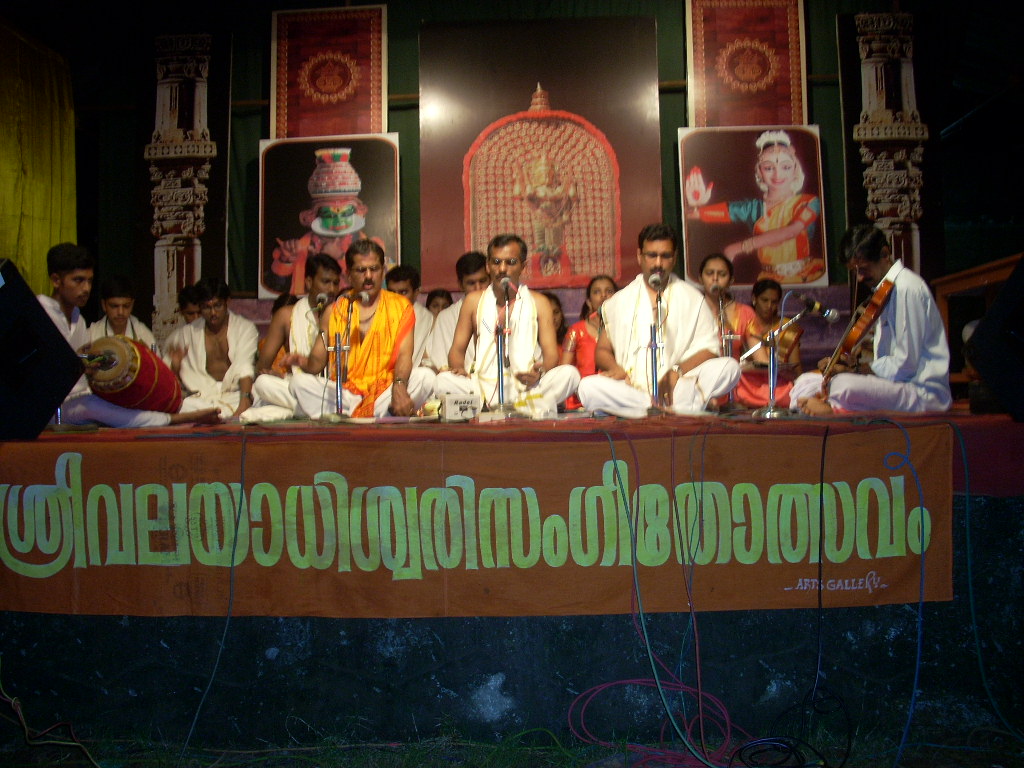
Events Covered and Reviews

Photo Speaks – Mahanavami Maholsavam at Urakam Ammathiruvadi Temple, Thrissur

Posted on Updated on

Photo Speaks – Mahanavami Maholsavam at Urakam Ammathiruvadi Temple, Thrissur
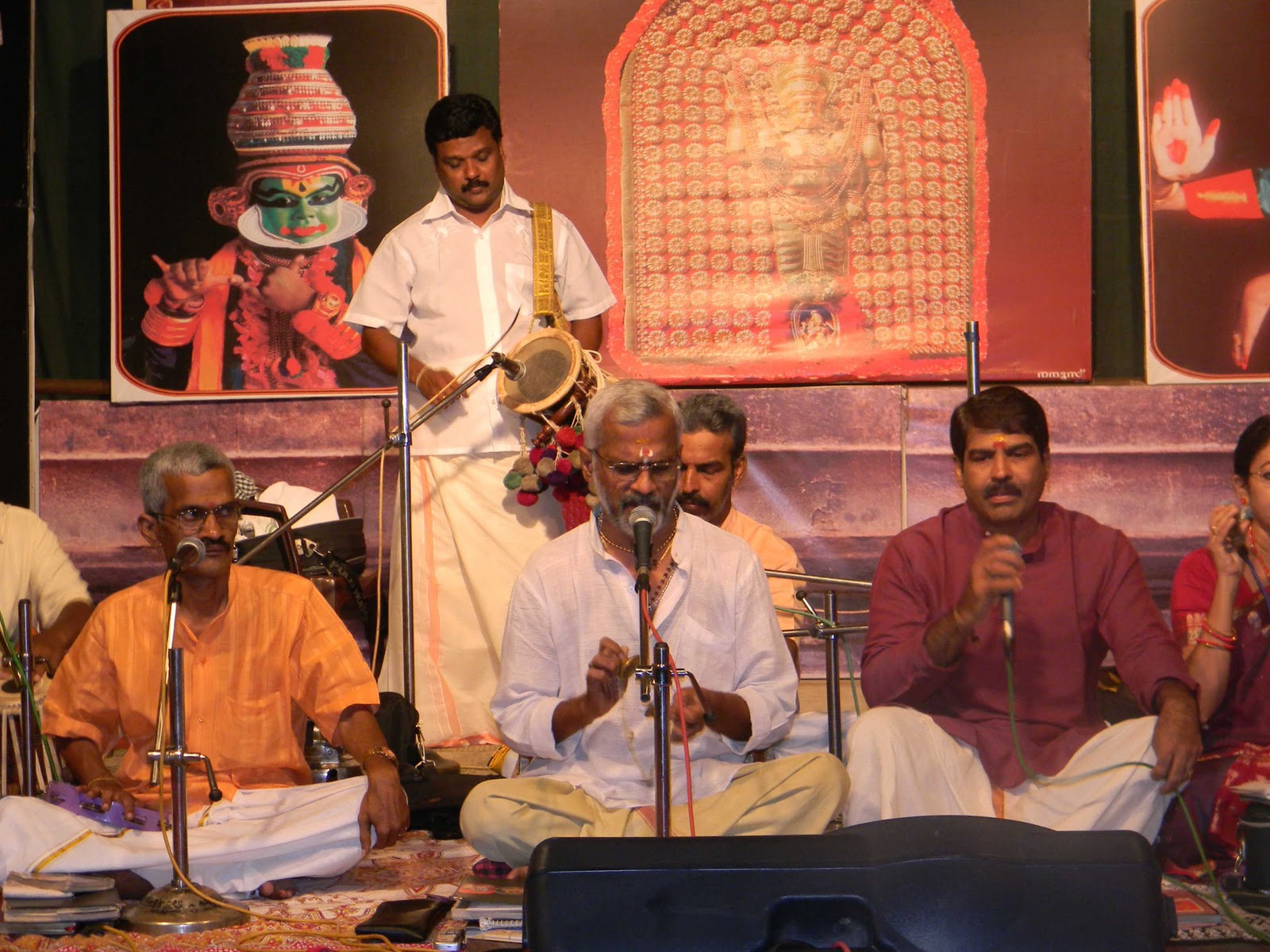
Photos provided by urakathammathiruvadiksethra upadeshakasamathi

Significance of Navaratri, Mahavanavmi and Vidhyaarambam

Posted on Updated on

Significance of Navaratri, Mahavanavmi and Vidhyaarambam
(Ezhuthiniruthal)

9 – day Navratri festival begins on the first day of the Shukla Paksha of the Ashwayuja/ Ashwina month (Ashwayuja Padyami). In 2008, Navratri begins on 30th September, Tuesday. On this day, in Northern States and in Karnataka and certain extent in Andra Pradesh and Tamil Nadu, a ceremony called ‘Durga Kalash Sthapana’ is done with utmost devotion. Shri Durga Mahaanavami will be celebrated on 8th October. The festival of Navratri ends on 9th October, Thursday. On this day, devotees celebrate Dussehra / Dasara. It is also called Vijaya Dashami day where children are initiated to the world of learning and knowledge in the presence of goddess Saraswathi at temples or in front of gurus in gurukulas / schools of knowledge.

Navratri ” literally means “nine nights.” Navratri is celebrated twice a year, once at the beginning of the New Samvatsar (Hindu New year) in Summers and again at the onset of winter. Navratri or Navratra are therefore known as Chaitra Navratra and Shaardey Navratra on the basis of their occurrence. These nights are devoted to the reverence of Goddess Durga (Maa Durga) who exists in many forms and is the manifestation of the absolute energy that pervades the Universe. During these days and nights prayers are offered to Mother Goddess.

The Shrimad-devi Bhagwat mentions the significance of puja done during the Navratri. Devi Mahaatmya and other texts invoking Goddess Durga are cited during thir period of nine days. According to puraanas if a person worships Goddess during this period then he is blessed with virtues of all kinds and all his sins are forgiven.
During Navaratri, we invoke the energy aspect of God in the form of universal mother Maa Durga, which literally means the remover of miseries of life. Maiya is also known as Shakti as she is the source of all energies in the world. It is this energy, which helps God to proceed with the work of creation, preservation and destruction.
In Shiv Puraan, Lord Shiva says that he is Shav(meaning Dead) without the powers of Shakti (his wife and the ultimate source of energy). In other words, we can say that even God is motionless, absolutely changeless without the divine support of Maa Durga.
In Bhagwat puraan, Lord Vishnu says that he is incomplete without his better half. He blesses those who worship his wife Maa Mahalaxmi. It is for this reason the world says Radhey-Krishna and Sita-Raam and not Raam-Sita or Krishna – Radhey.
The worship of Mother Goddess can be dated back to Indus Valley Period wherein the statue of Mother Goddess clearly mentions the presence of her supremacy. This is a true example of importance given to females in Idian culture and religion.
Durga or the destructive aspect of the divine mother is worshipped during the first three nights. On the succeeding three knights, her protective aspect of Lakshmi and on the last three nights, her knowledge aspect or Saraswati are worshipped. The significance of this order is that first durga destroys all the evil propensities lurking in the minds of her devotees; then lakshmi implants divine qualities in the devotees’ minds and finally saraswati bestows true knowledge to her devotees. The tenth day known as Vijaya Dasami, commemorates the victory of knowledge over ignorance of goodness over evil.

Importance of each day of Navratri:

1st – 3rd day of Navratri

On the first day of the Navaratras, ‘Kalash Shthaapna. is done in the puja room.These initial days are dedicated to Durga Maa, the Goddess of power and energy. Her various manifestations, Kumari, Parvati and Kali are all worshipped during these days. They represent the three different classes of womanhood that include the child, the young girl and the mature woman.

4th – 6th day : Lalita Panchami

4th – 6th day of Navratri During these days, Lakshmi Maa, the Goddess of peace and prosperity is worshipped. On the fifth day which is known as Lalita Panchami, it is traditional, to gather and display all literature available in the house, light a lamp or ‘diya’ to invoke Saraswati Maa, the Goddess of knowledge and art.

Final days: Durga Ashtami Puja

These final days belongs to Saraswati Maa who is worshipped to acquire the spiritual knowledge. This in turn will free us from all earthly bondage. But on the 8th day of this colorful festival, yajna (holy fire) is performed. Ghee (clarified butter), kheer (rice pudding) and sesame seeds form the holy offering to Goddess Durga Maa.

Mahanavami Puja. Navratri ends.

The festival of Navratri culminates in Mahanavami. On this day Kanya Puja is performed. Nine young girls representing the nine forms of Goddess Durga are worshiped. Their feets are washed as a mark of respect for the Goddess and then they are offered food mainly consisting kala chana, halwa and poori. Then after new clothes or gifts by the worshiper. This ritual is performed in most parts of the country.

Vijaya Dashmi

After the three days of Puja, in Dashami , in the last day, a tearful farewell is offered to the Goddess. Most of the community pujas postpone the farewell as long as possible and arrange a grand send-off. The images are carried in processions around the locality and finally is immersed in a nearby river or lake. Vijaya Dashami is an event celebrated all over the country.This day also marks the return of Lord Ram to Ayodhya after 14 years in exile

This is also the day when most of the Malayalees do the Vidyaarambam or Ezhuthiniruthal ceremony to initiate children to the world of learning and knowledge.

Panachikkadu saraswathi temple, Thiruvullakkavu Sri Dharmashastha temple, Chottanikkara Devi temple and Paravur Mookambi temple are well known places where Vidyarambam ceremonies are conducted in an elaborate and systematic manner. Kollur Mookambika temple is also very significant amongst all art and music lovers, as well as educationist.

Even if it is a hindu tradition, now it is followed by other religions too to start the formal education of children on this auspicious day dedicated to Vidhya Devi.

At temples, it will be the chief priest and his assistants who takes initiative to start this knowledge initiating process to the child by first writing on the tongue with a golden ring a sloka/or small prayer dedicated to saraswathi and then holding the hands of the child, the priest makes him write on sand or on rice the same slokas. This is also done in schools of knowledge by gurus.

Normally, they (the priests or the gurus or elders) with soft and careful hands and with prayers and good thoughts in mind, make the child write the following words on his tongue:

Om

Hari Shree Ganapathaye Namah Avignamasthu

Children and elders who already have started their education may write the above and then followed by the below mentioned prayers:

Om Sree Gurubhyo Namah
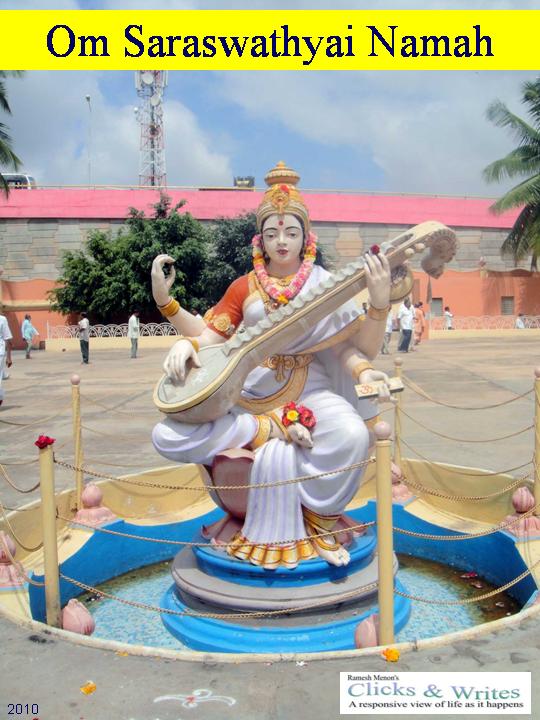
Om Sree Saraswathaye Namah

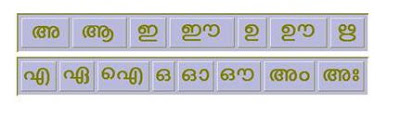
And if you know Malayalam the following first few letters of the language

or the alphabets of any language you know for example, English, Hindi, French etc. and then followed by numerals starting from 0 to 9 etc.

Vijaya Dashmi day is also very auspicious and many children are initiated into the world of music and arts on this day.

For those readers who wish to learn or start learning Malayalam, the following site is very useful.

http://www.geocities.com/malatutor/

May I take this opportunity to wish all my readers blessings in abundance from the goddess of knowledge to continue and sustain knowledge (all types of it ) from all sources.

You may please visit the following link to see in detail how Navarathri/Mahanavami is celebrated at Urakam Ammathiruvadi Temple, Thrissur District Kerala.

http://clicksandwrites.blogspot.com/search/label/Events%20-%20Mahanavami%20Maholsavam%20at%20Urakam%20Ammathiruvadi%20Temple

വിദ്യാരംഭം – 17.10.2010

Posted on Updated on

വിദ്യാരംഭം – 17.10.2010

മഹാനവമി കാലത്ത് ഏറ്റവും പ്രധാനമായ ഒരു കാര്യമാണല്ലോ വിജയദശമി ദിവസ്സം നടത്തുന്ന വിദ്യാരംഭം. കൊച്ചു കുട്ടികളെ എഴുത്തിനിരുത്തുക എന്ന ചടങ്ങ് അന്നേ ദിവസം കേരളത്തിലും മറ്റു സംസ്ഥാനങ്ങളിലും വളരെ വിപുലമായ രീതിയില്‍ നടത്തി വരുന്നു. സാധാരണയായി അടുത്തുള്ള സരസ്വതി ക്ഷേത്രത്തില്‍ വച്ചാണ് ഈ ചടങ്ങ് കേമമായി നടത്തി വരുന്നതു. തൃശൂര്‍ ജില്ലയിലെ തിരുവള്ളക്കാവ്, തുഞ്ചന്‍ പറമ്പ്, പിന്നെ ശ്രീ മൂകാംബിക ക്ഷേത്രം എന്നിവിടങ്ങളില്‍ അന്നേ ദിവസ്സം ഈ ചടങ്ങിനു വലിയ തിരക്ക് കാണാറുണ്ട്. അമ്പലങ്ങളിലെ മേല്‍ശാന്തിമാരോ, ഗുരുനാഥന്‍മാരോ, തറവാട്ടിലെ കാരണവന്മാരോ മുന്‍കൈ എടുത്തു, അന്നേ ദിവസ്സം അക്ഷരമാലയിലെ ആദ്യാക്ഷരങ്ങള്‍ കുട്ടികളുടെ നാവില്‍ മോതിരം കൊണ്ടു എഴുതി അവരുടെ കൈ പിടിച്ചു മണലിലോ അരിമണിയിലോ എഴുതിക്കുന്നു.


സാധാരണയായി താഴെ കാണുന്ന വിധത്തില്‍ എഴുതി കൊണ്ടാണ് ഈ എഴുത്ത് അല്ലെങ്കില്‍ വിദ്യയുടെ അദ്ധ്യാക്ഷരം ചൊല്ലി കൊടുക്കല്‍ നടത്തുന്നത് :

ഓം
ഹരി ശ്രീ ഗണപതയേ നമ: അവിഘ്നമസ്തു

ഇതു ഏറ്റവും ചെറിയ കുട്ടികളുടെ നാവില്‍ എഴുതി തുടങ്ങുന്ന സമയത്തു. കുറച്ചു മുതിര്‍ന്നവര്‍ മേലെ എഴുതിയവ കൂടാതെ:

ഓം ശ്രീ ഗുരുഭ്യോ നമ:
ഓം ശ്രീ സരസ്വത്യൈ നമ:

എന്നിവയും, കൂടെ, മലയാളത്തിലെ അക്ഷരങ്ങളും (ഉദാഹരണത്തിന്)

പുറമെ, ഇംഗ്ലീഷ് അക്ഷരമാല ക്രമങ്ങളും കൂടാതെ, പൂജ്യം മുതല്‍ ഒന്‍പതു വരെയും, പിന്നെ മറ്റു ഭാഷകള്‍ അറിയുന്നു എങ്കില്‍ അവയിലെ അധ്യക്ഷരങ്ങളും അന്നേ ദിവസ്സം അരി മണിയിലോ മണലിലോ എഴുതാം. കൂടാതെ സന്ഗീതോപകരണങ്ങളും, വായ്പ്പാട്ട്, ചിത്രരചന, കഥയെഴുത്ത്‌ എന്നിങ്ങനെയുള്ള എല്ലാ കലാ വിരുതുകള്‍ക്കും അന്നേ ദിവസ്സം ഗുരുക്കന്മാരില്‍ നിന്നു ആരംഭം കുറിക്കുന്നത് ശുഭകരം ആണ്.

മലയാളം പഠിക്കണം എന്ന് താത്പര്യം ഉള്ളവര്‍ക്ക് താഴെ എഴുതിയ വെബ് സൈറ്റ് നല്ല ഒരു മാര്‍ഗ ദര്‍ശി ആണ്.

http://www.geocities.com/malatutor/

ജാതി മത ഭേദമെന്യേ എല്ലാവരിലും സരസ്വതി പ്രസാദം വളരട്ടെ.

രമേഷ് മേനോന്‍
17.10.2010

Photo Speaks – Mahanavami Maholsavam at Urakam Ammathiruvadi Temple

Posted on Updated on

Photo Speaks – Mahanavami Maholsavam at Urakam Ammathiruvadi Temple

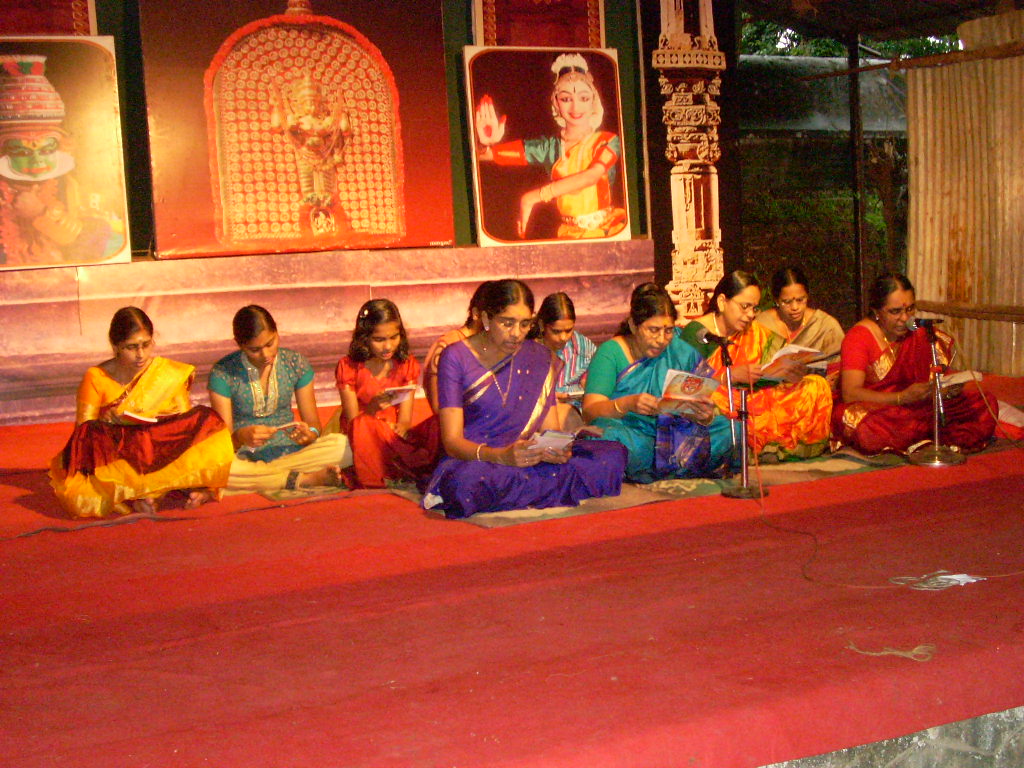
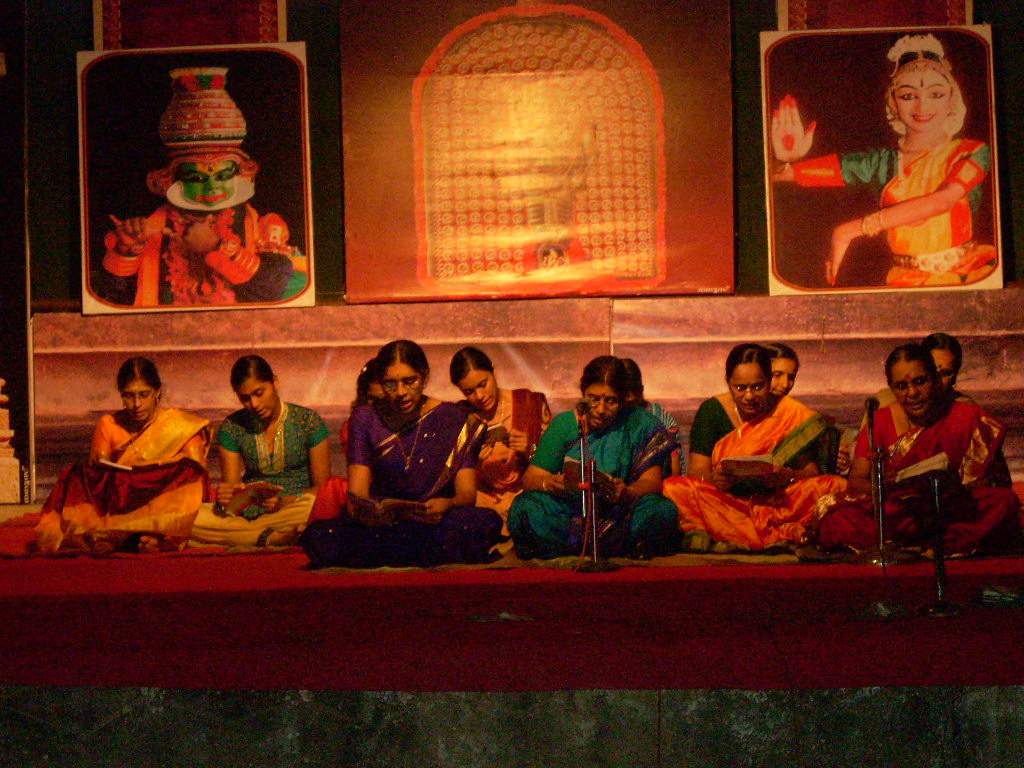
Lalitha Sahasranama japam by devotees from Anandappuram on the day of Poojaveppu.

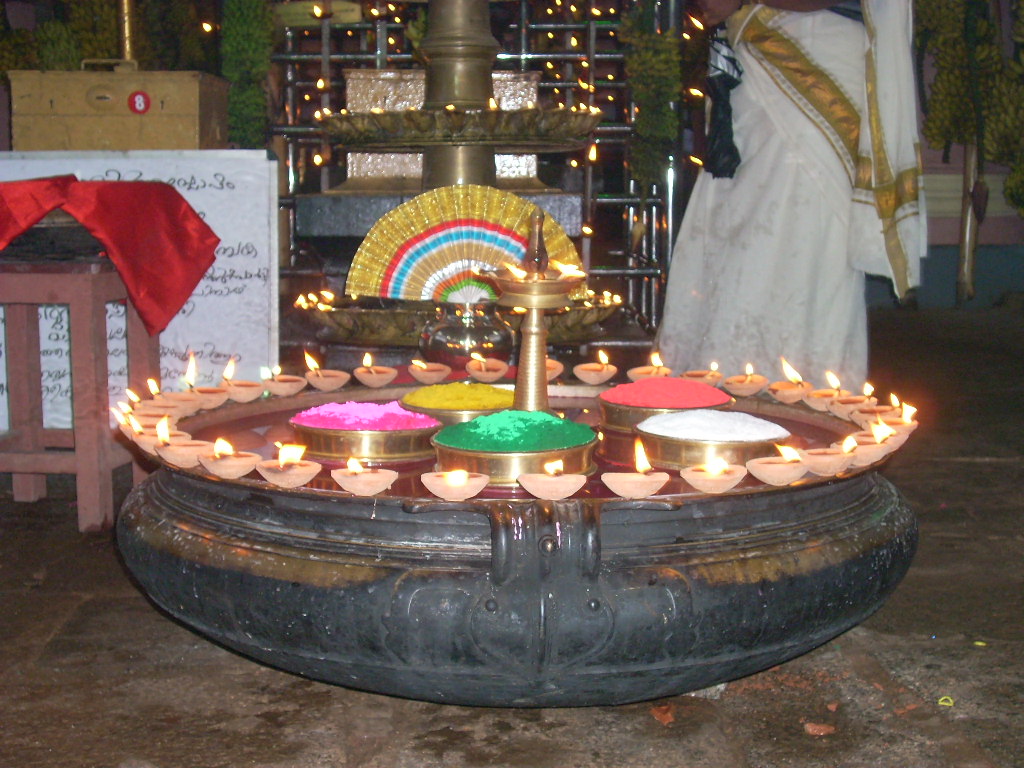
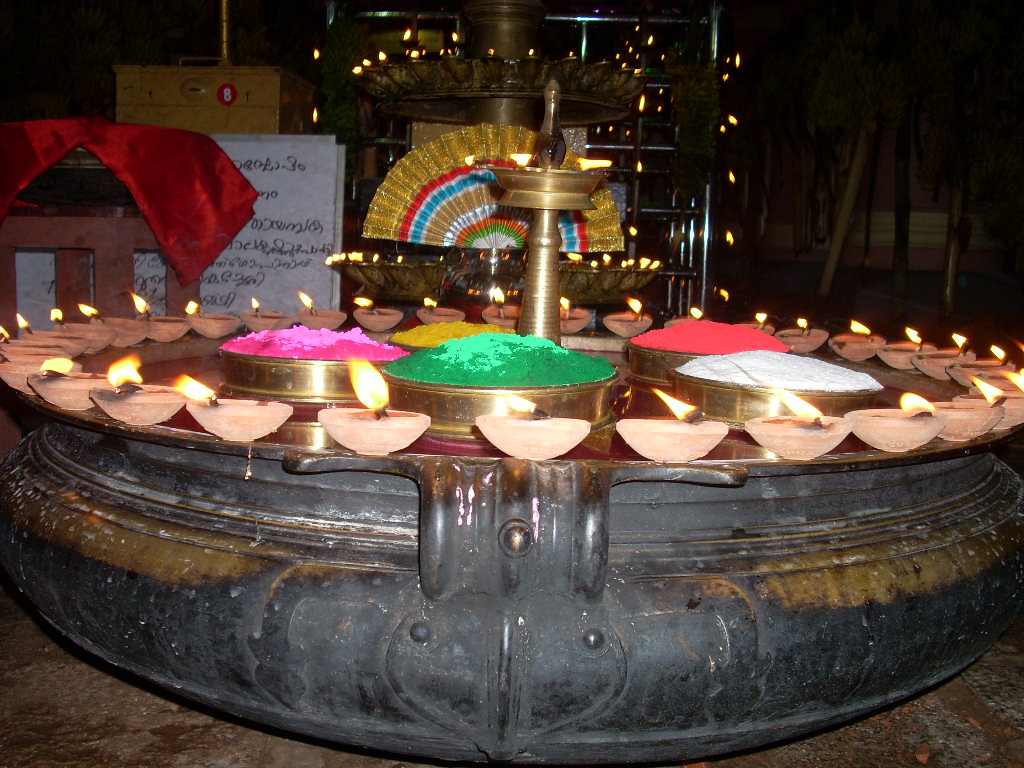
Lamp decorations with different colors in front of the main nada.


A child devotee fully immersed in prayers.

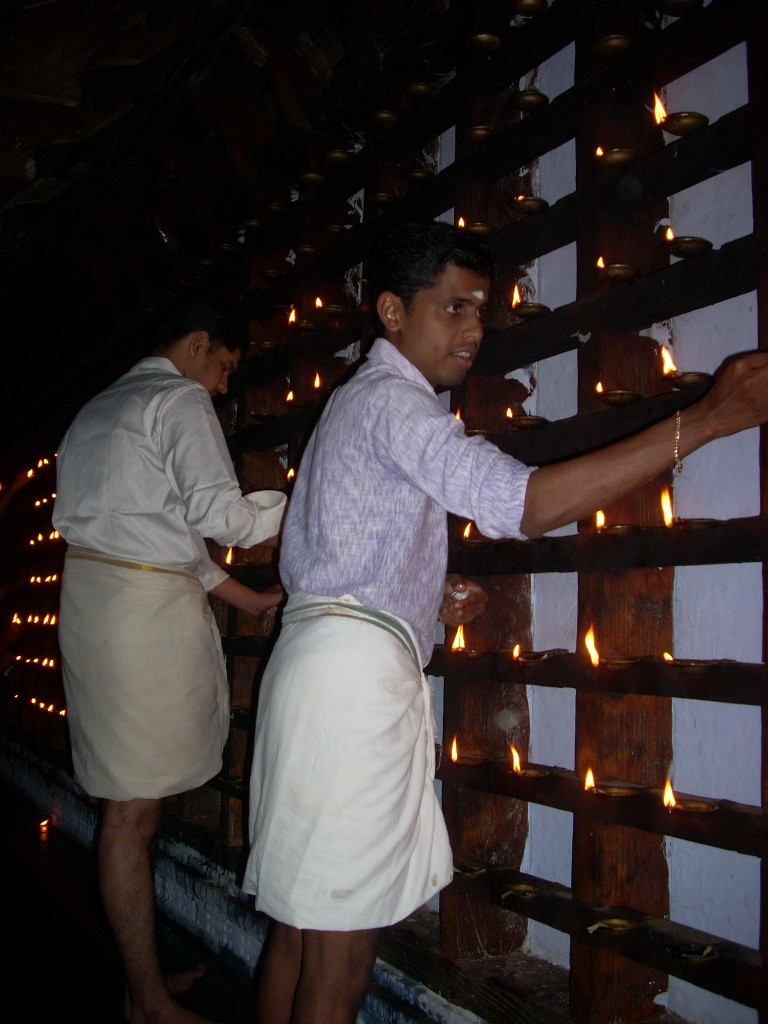
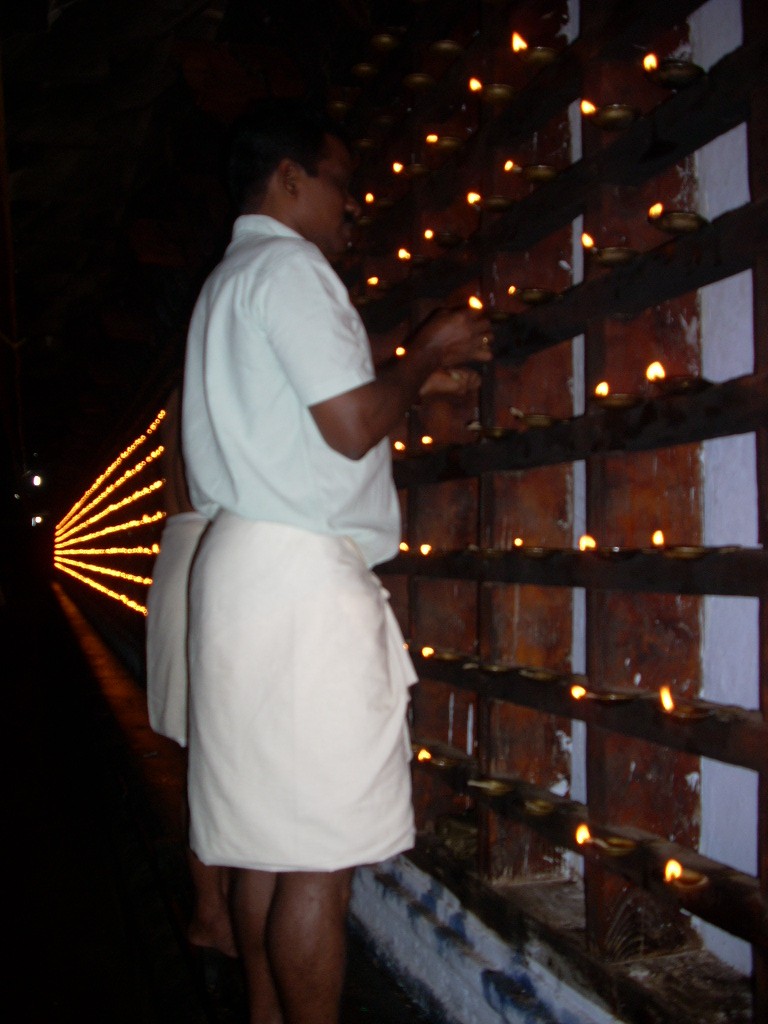
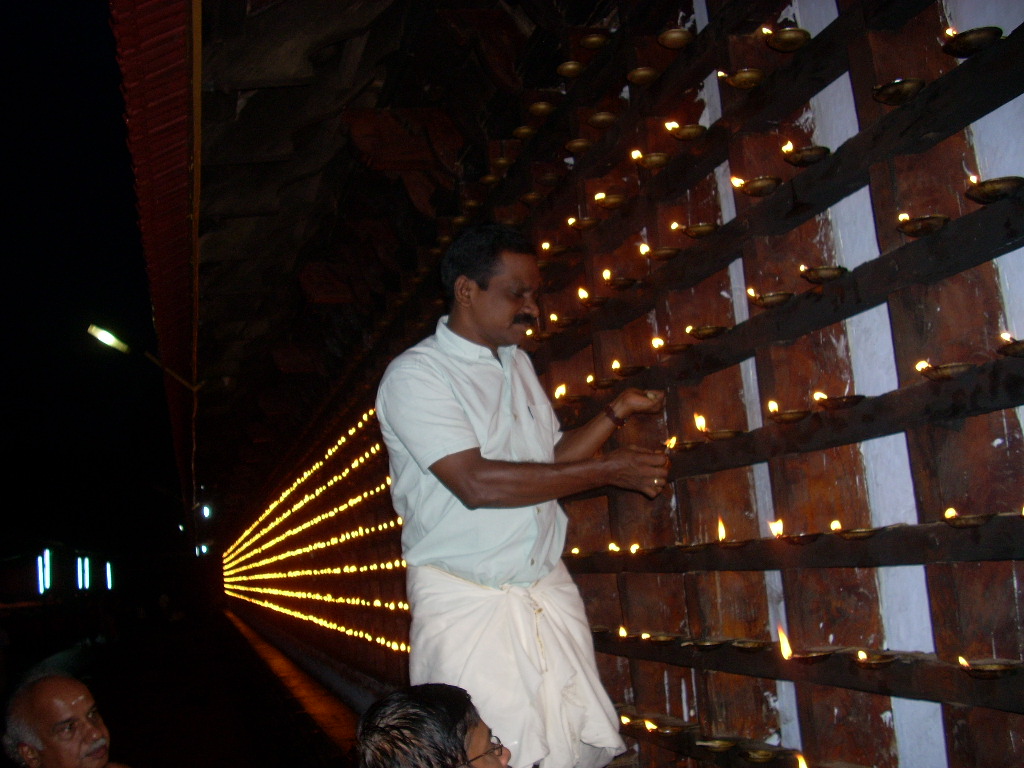
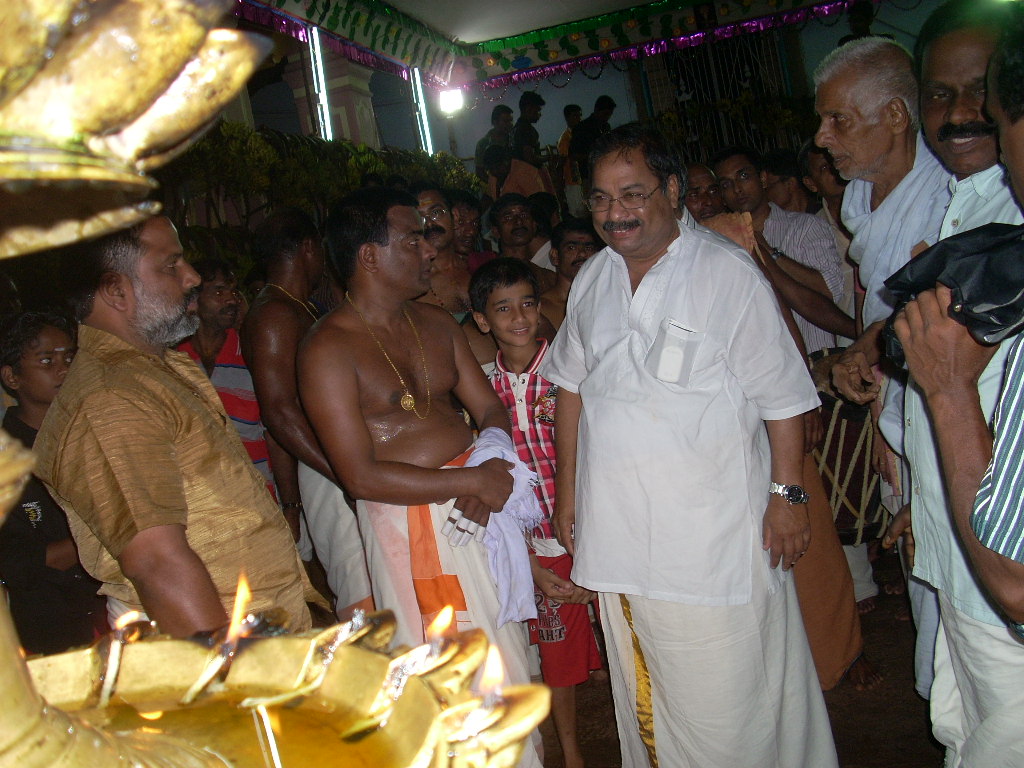
Lighting the lamps at vilakkum madam

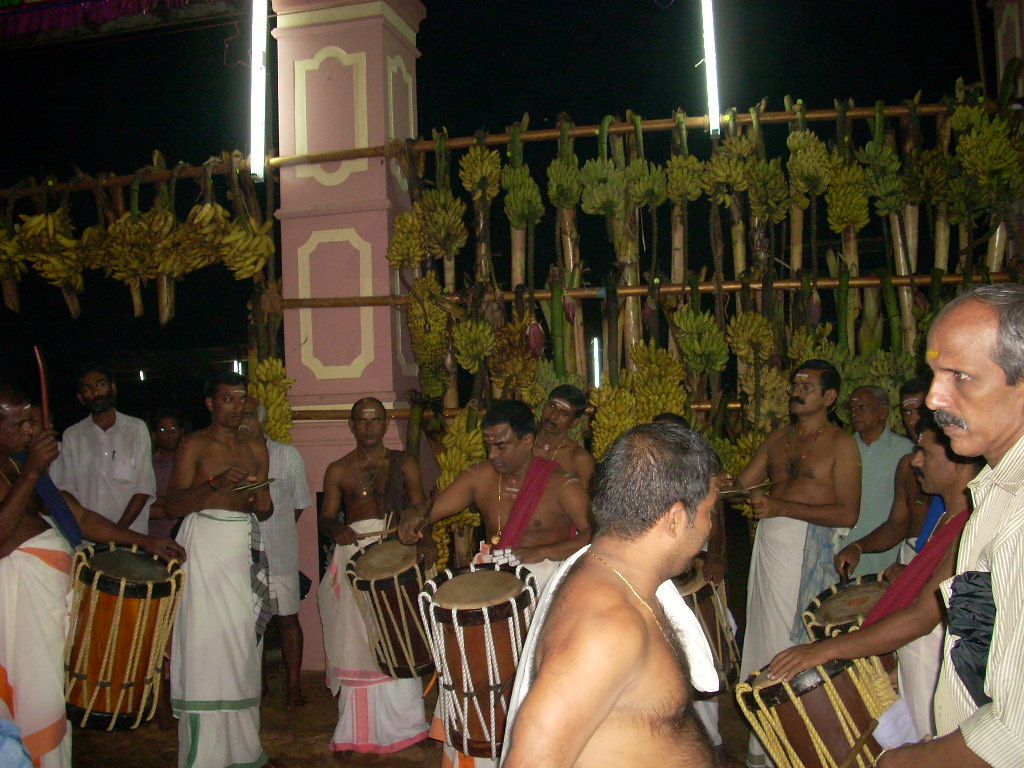
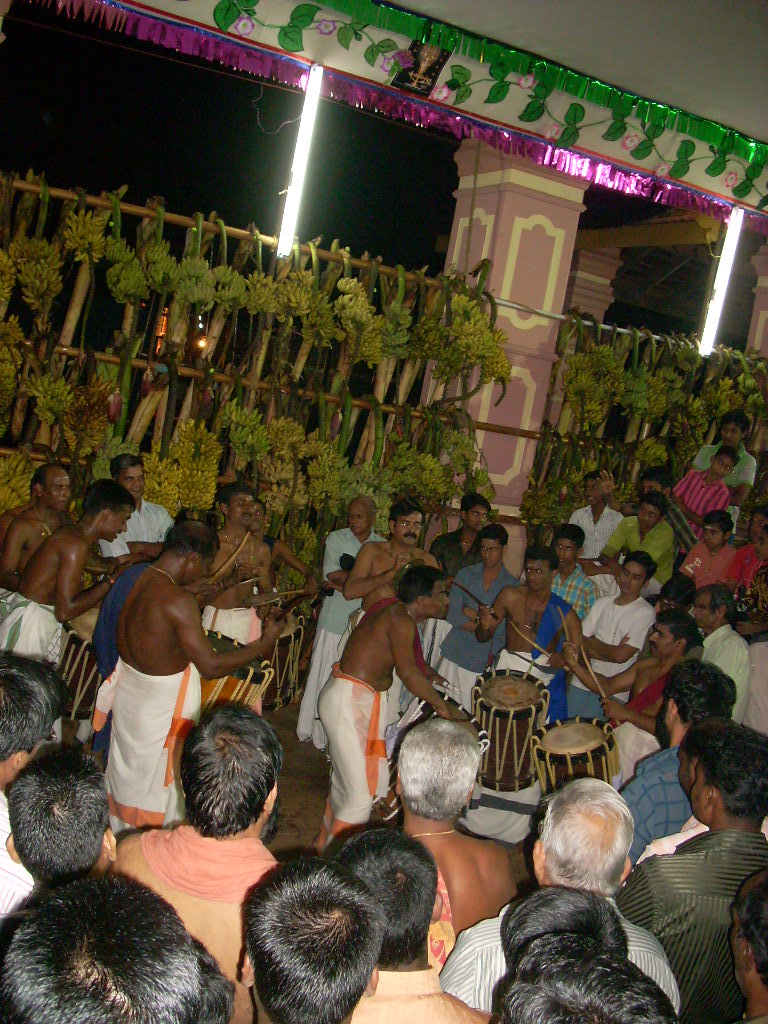
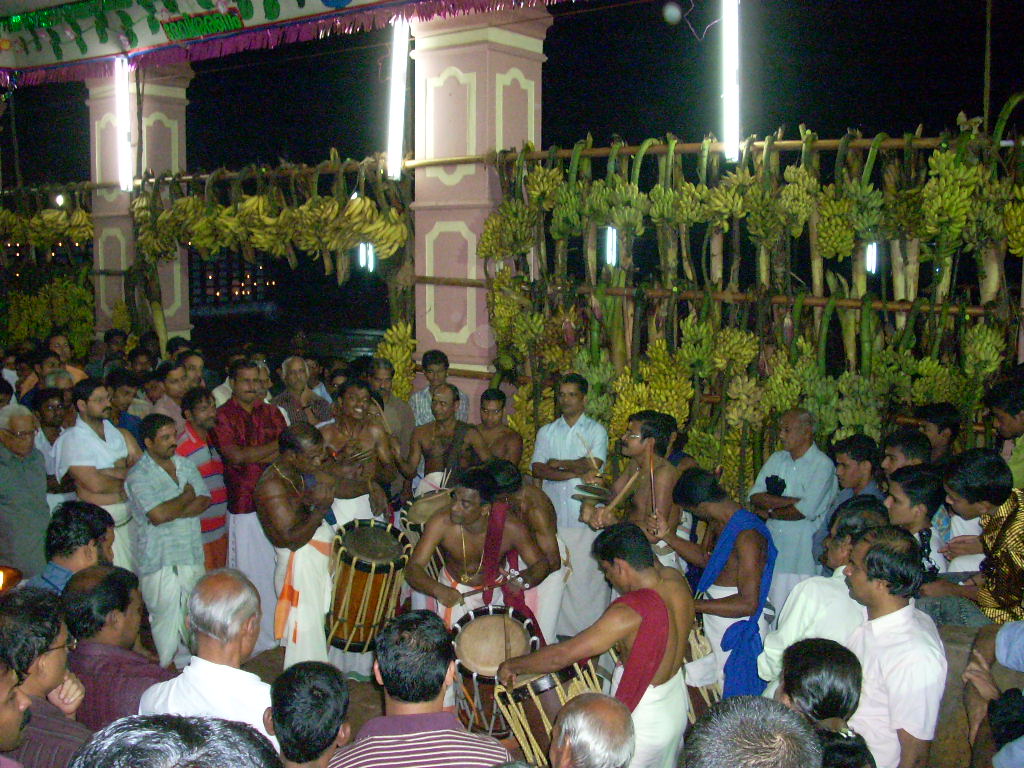
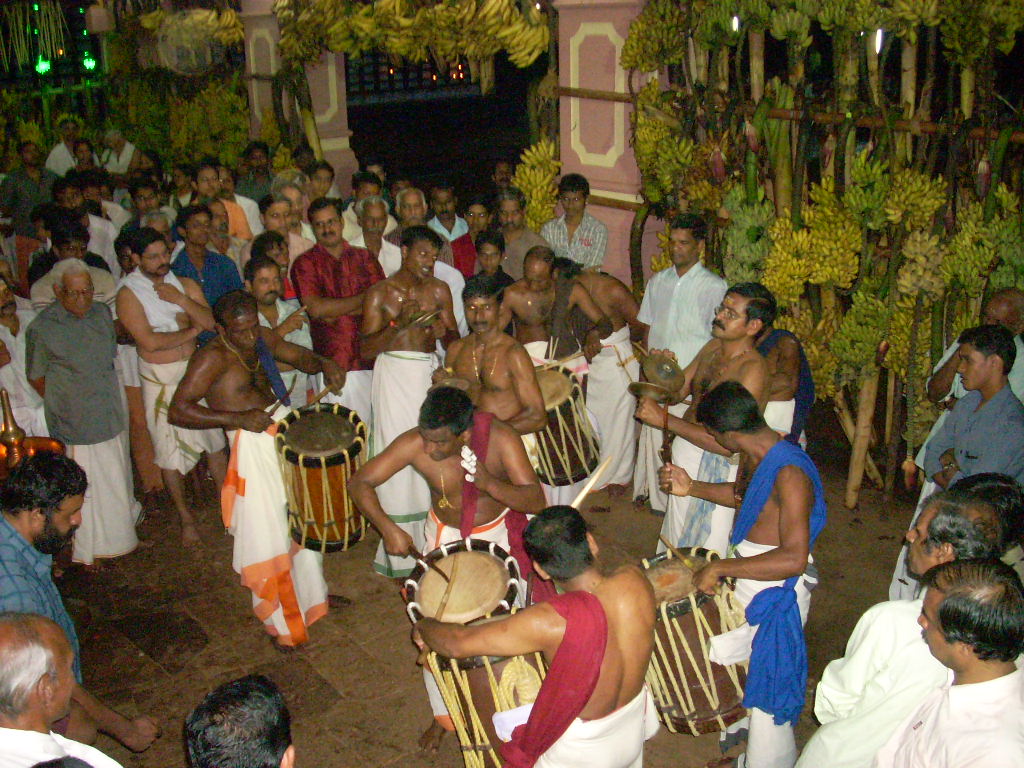
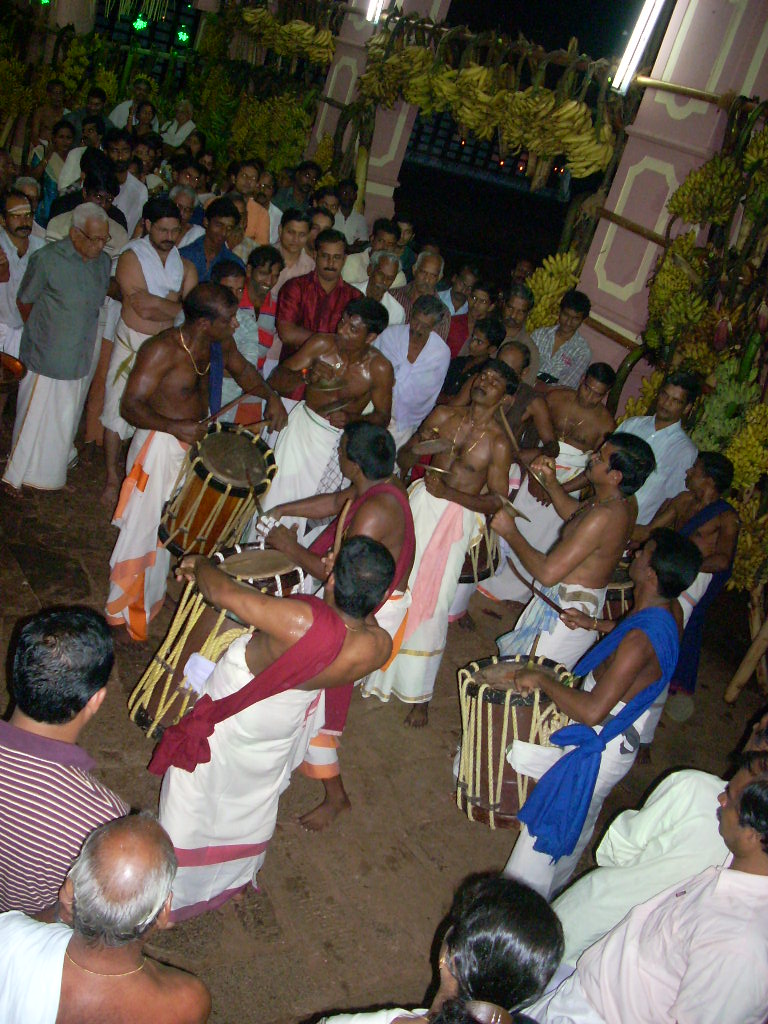
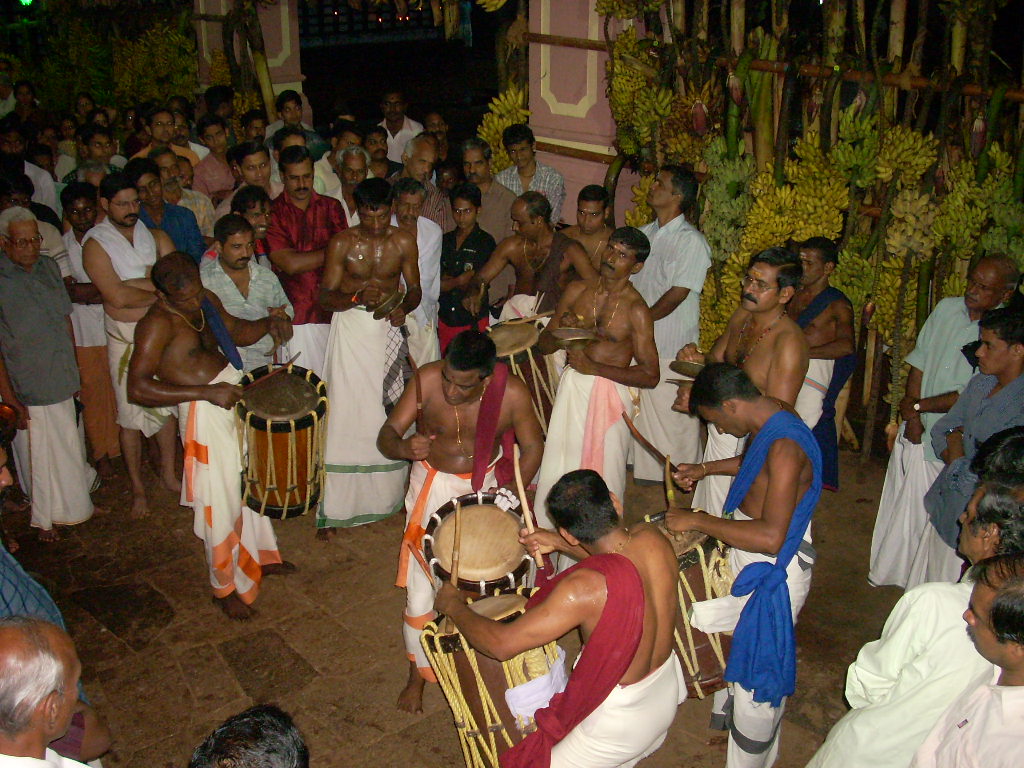
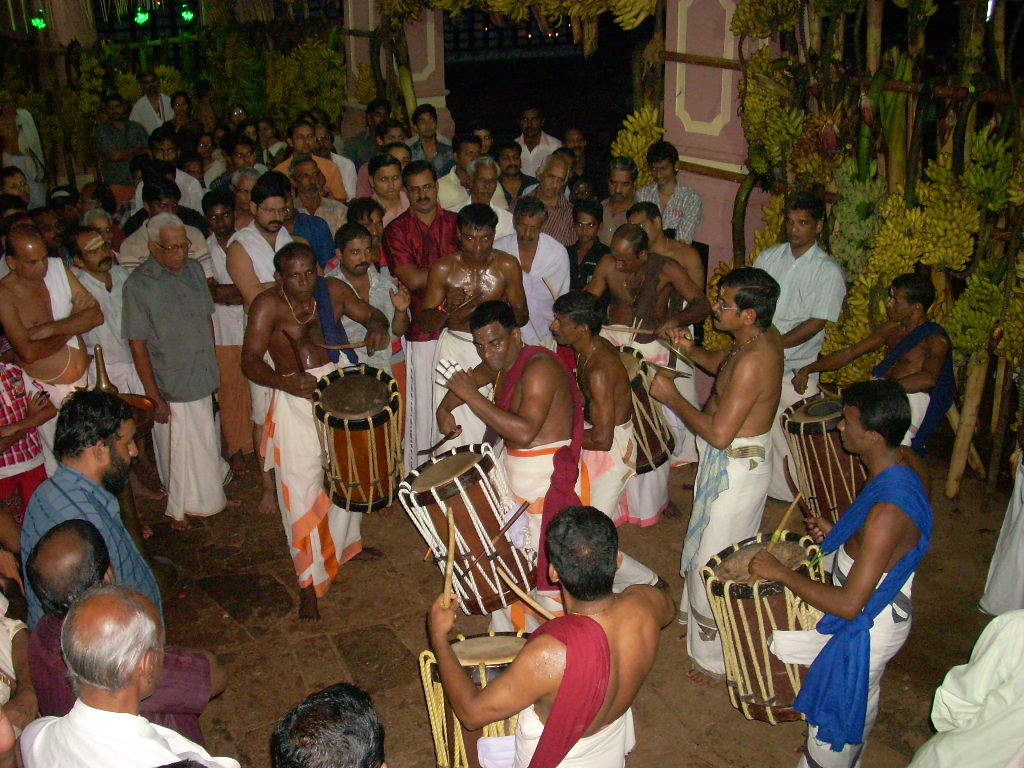
An enthralling performance of Thaymbaka by Kalpathi Balakrishnan and party. Huge crowd of devotees exited and enjoyed the peformance.

Photos provided by urakathammathiruvadiksethra upadeshakasamathi

Photo Speaks – Mahanavami Maholsavam at Urakam Ammathiruvadi Temple

Posted on Updated on

Photo Speaks – Mahanavami Maholsavam at Urakam Ammathiruvadi Temple


Photos provided by urakathammathiruvadiksethra upadeshakasamathi

Blog Action Day 2010 – 15 October 2010 – Theme – Water

Posted on

Dear Friends,
If interesting, you may register your blog and create a post related to the above theme in your blog and link it to this blog initiative. The post should be published only on 15th October 2010

http://blogactionday.change.org/

Blog Action Day is an annual event held every October 15 that unites the world’s bloggers in posting about the same issue on the same day with the aim of sparking a global discussion and driving collective action.

Our goal

First and last, the purpose of Blog Action Day is to create a discussion. We ask bloggers to take a single day out of their schedule and focus it on an important issue.

By doing so on the same day, the blogging community effectively changes the conversation on the web and focuses audiences around the globe on that issue.

Out of this discussion naturally flow ideas, advice, plans, and action. In 2007 with the theme of the environment, we saw bloggers running environmental experiments, detailing innovative ideas on creating sustainable practices, and focusing their audience’s attention on organizations and companies promoting green agendas. In 2008 we covered the theme of poverty, and similarly focused the blogging community’s energies around discussing the wide breadth of the issue from many perspectives and identifying innovative and unexpected solutions. Last year, the conversation around climate change brought our voices around the globe to discuss an issue that threatens us all and mobilized tens of thousands of people to get more involved in the movement for a more sustainable future. This year, with the theme of Water, we are eager to shed light on this often-overlooked topic.

For safety reasons, while registering, you can have a different password than your normal ones.

Regards,

Ramesh Menon
Abu Dhabi

Photo Speaks – Mahanavami Maholsavam at Urakam Ammathiruvadi Temple, Thrissur

Posted on Updated on

Photo Speaks – Mahanavami Maholsavam at Urakam Ammathiruvadi Temple, Thrissur

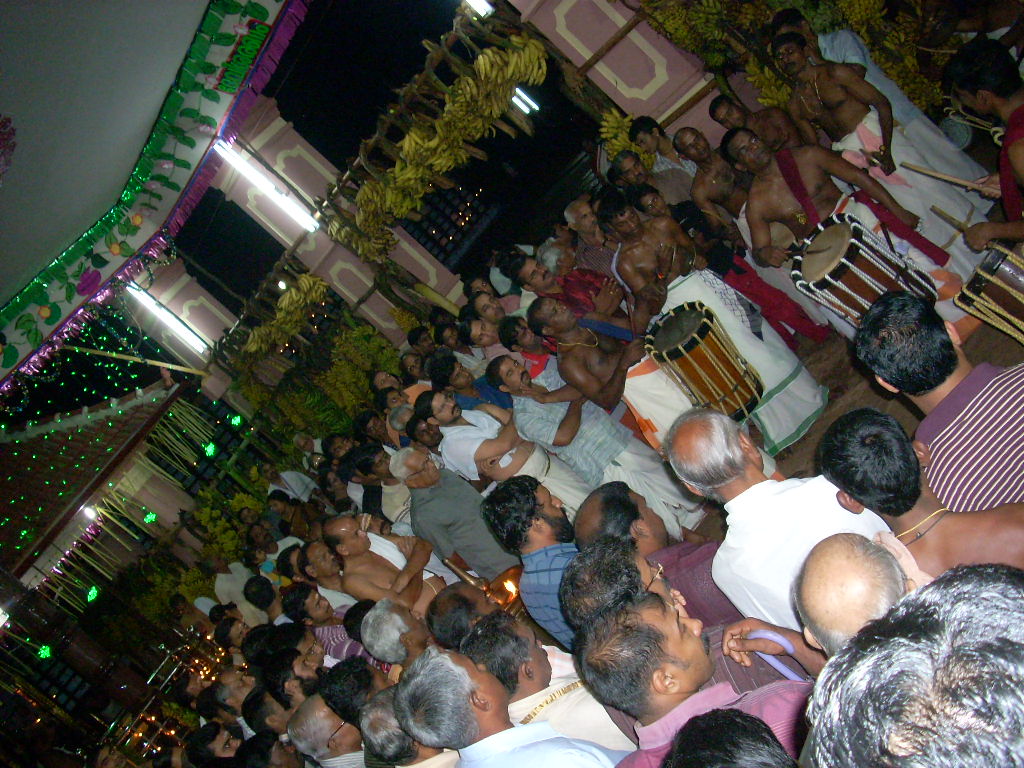
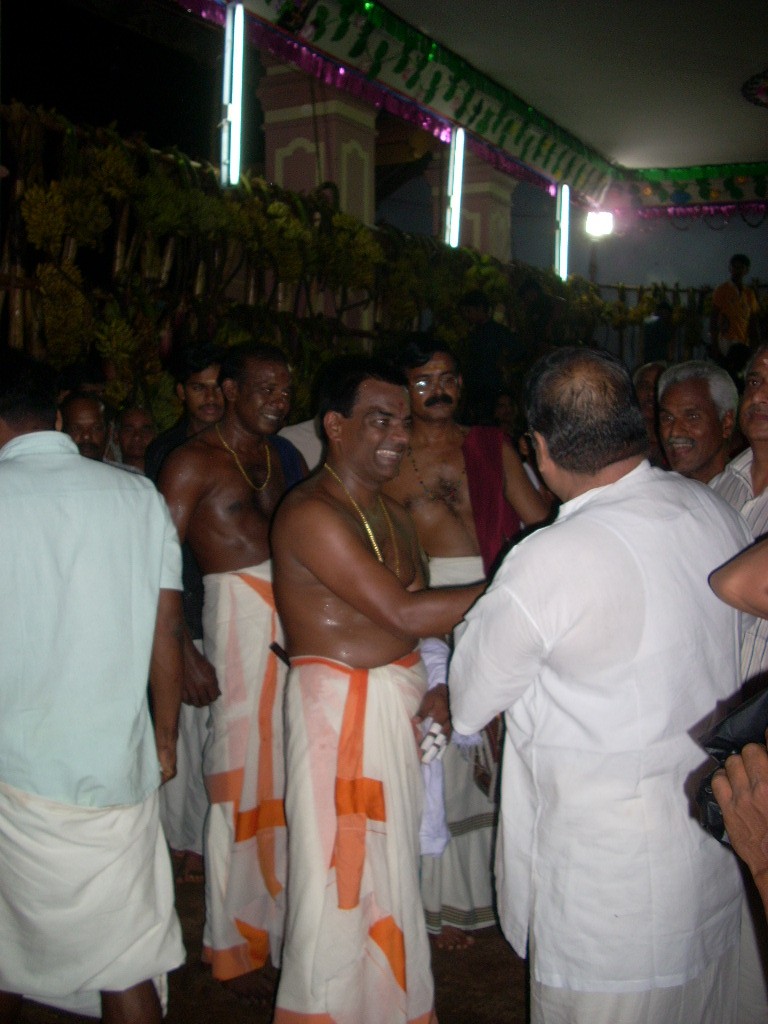
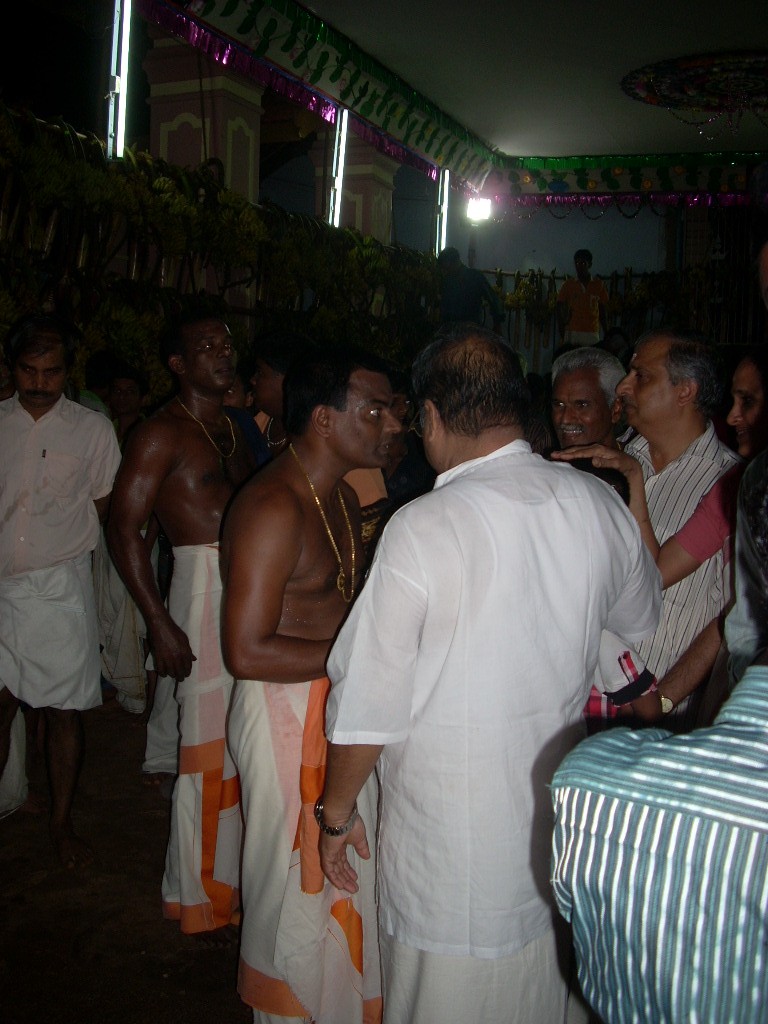
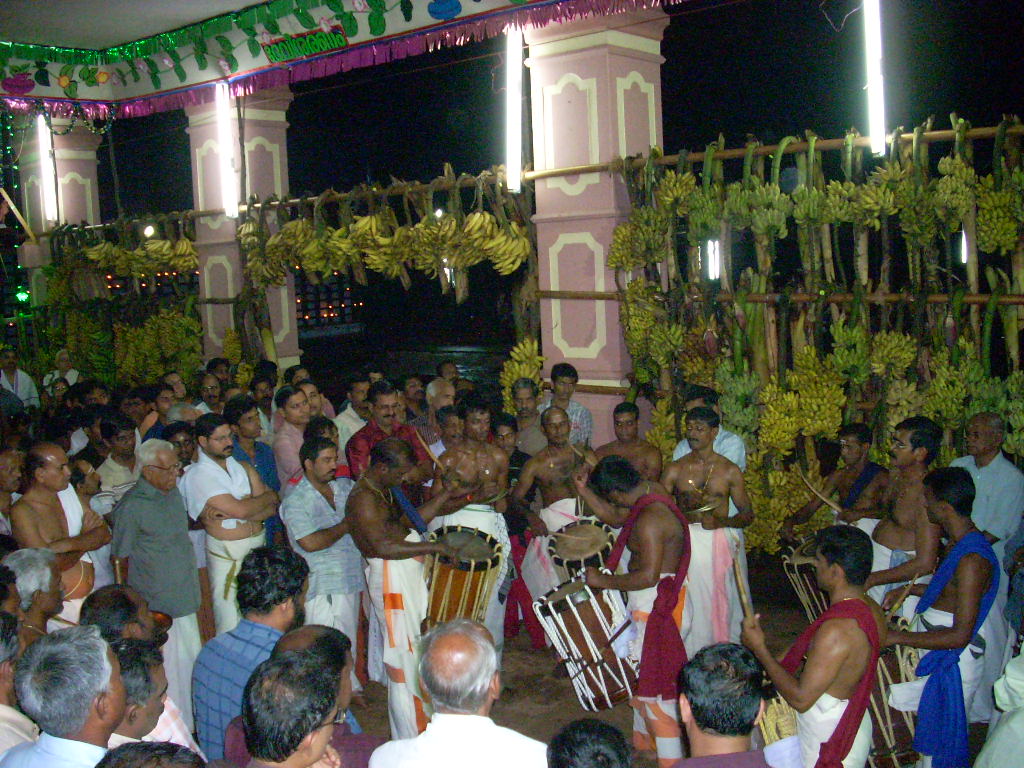
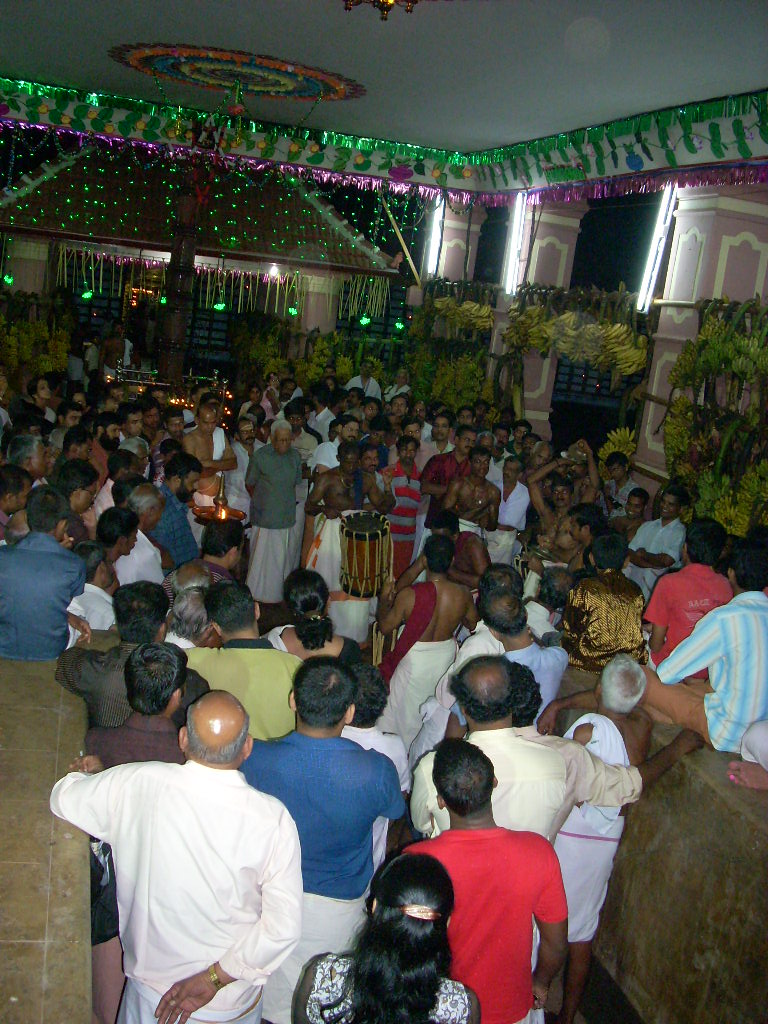
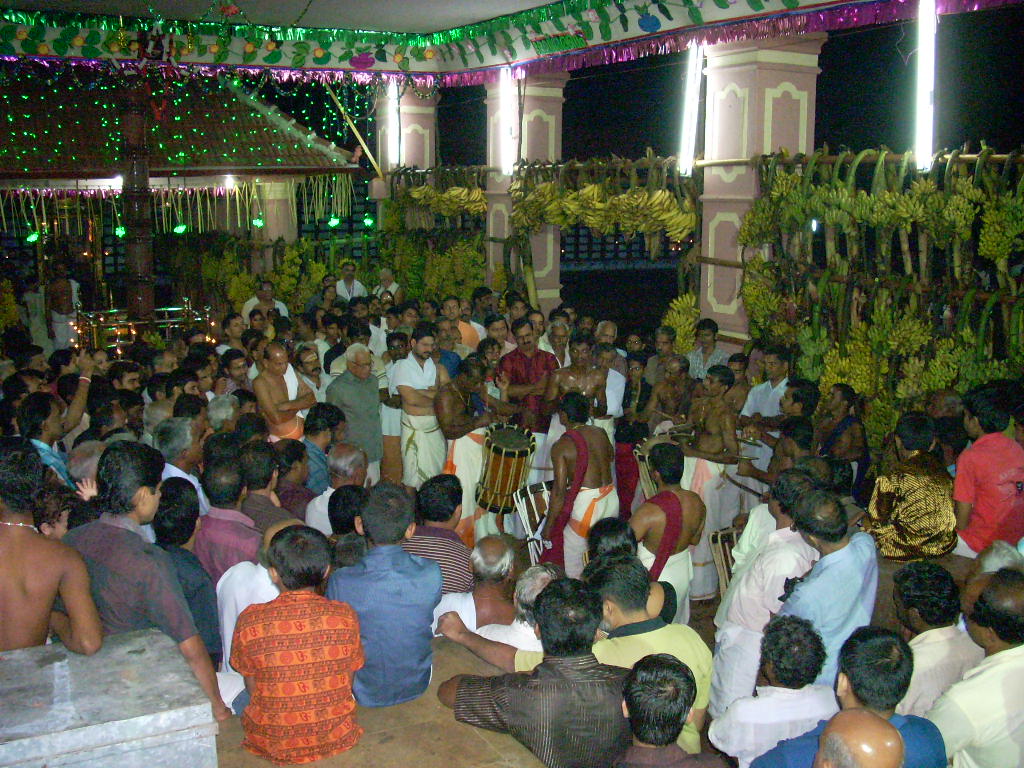
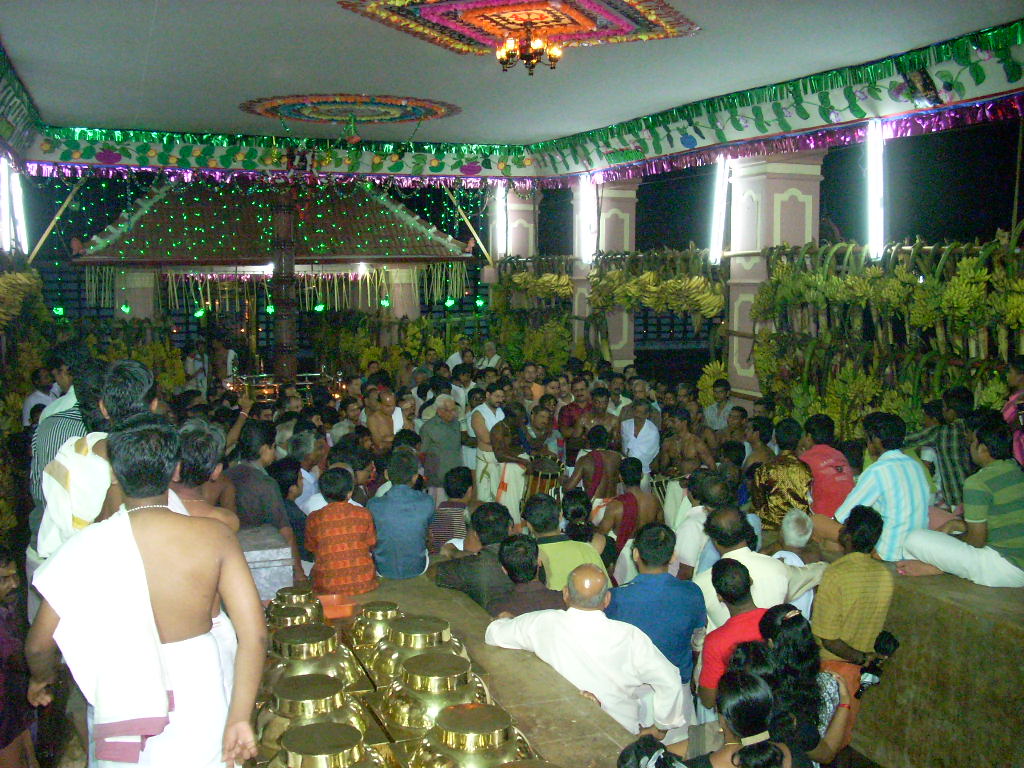
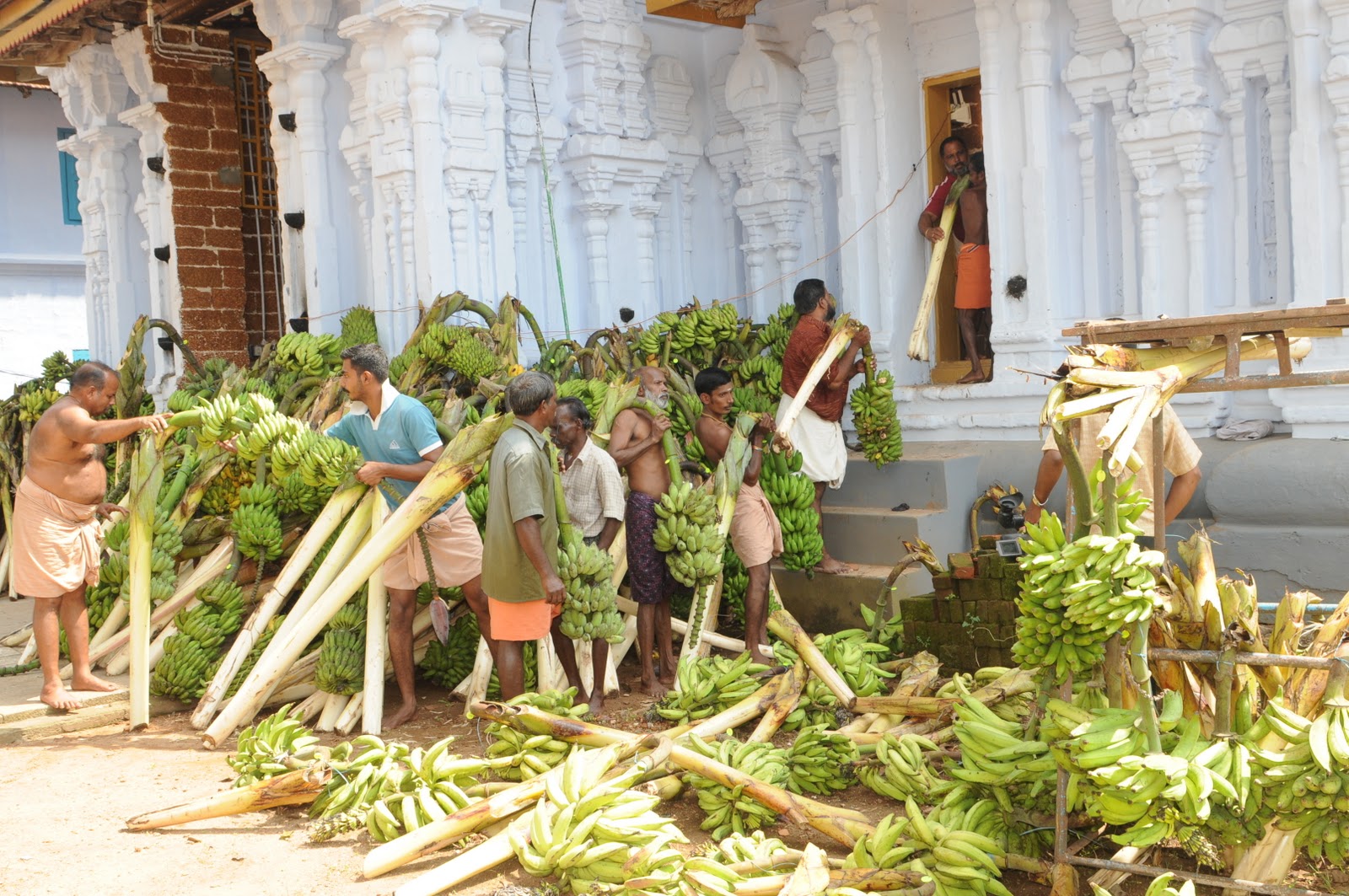
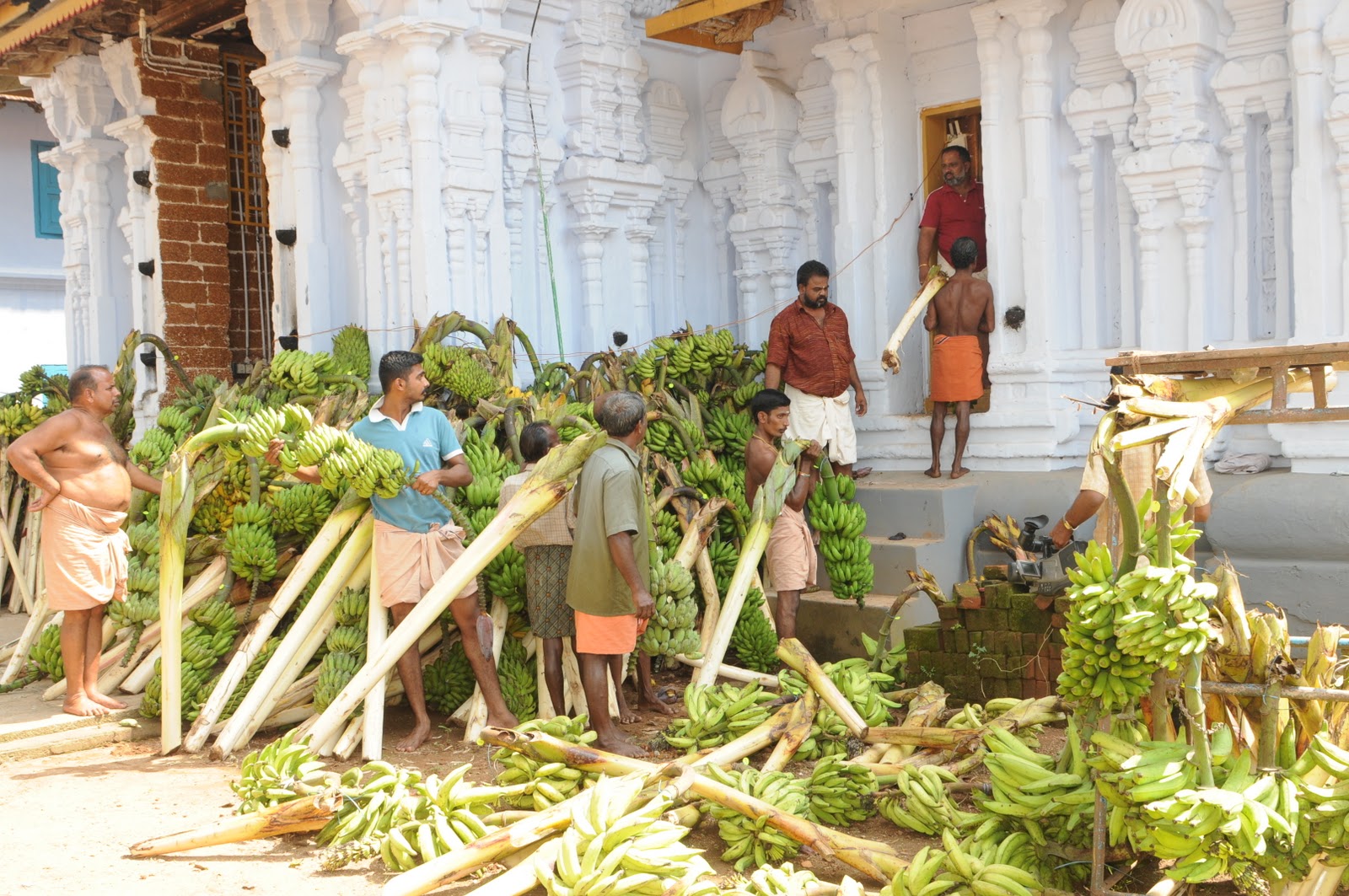
“Kulavazha acceptance and ripening process” – one of the important ceremonial ritual part of the Mahanavami Maholsavam at Urakam Ammathiruvadi Temple was performed by Vyloor Bhavadasa Warrier on 13th October 2010 morning. It marked the start of the decoration process of the temple premises with ripened banana bunches during the final days of the navarathri. The banana bunches, almost all types available and cultivated in Kerala now, are offered by the residents of Urakam Desham and farmers from nearby villages for this ceremony. They are then kept in specially made cells inside the Eastern gopuram of the temple and processed and prepared within two days. Then, the Western entrance of the temple and the Saraswathi Mandamp will be beautifully decorated on 15th October 2010 on Durgashtami day. This unique and extremely beautiful decoration, seen only at Urakam Ammathiruvadi temple, will remain till Vijayadashmi day (17th October 2010). On this auspicious day, special poojas performed during the morning shiveli, and then they will be offered as prasadam to the residents and devotees who presented them to Ammathiruvadi.
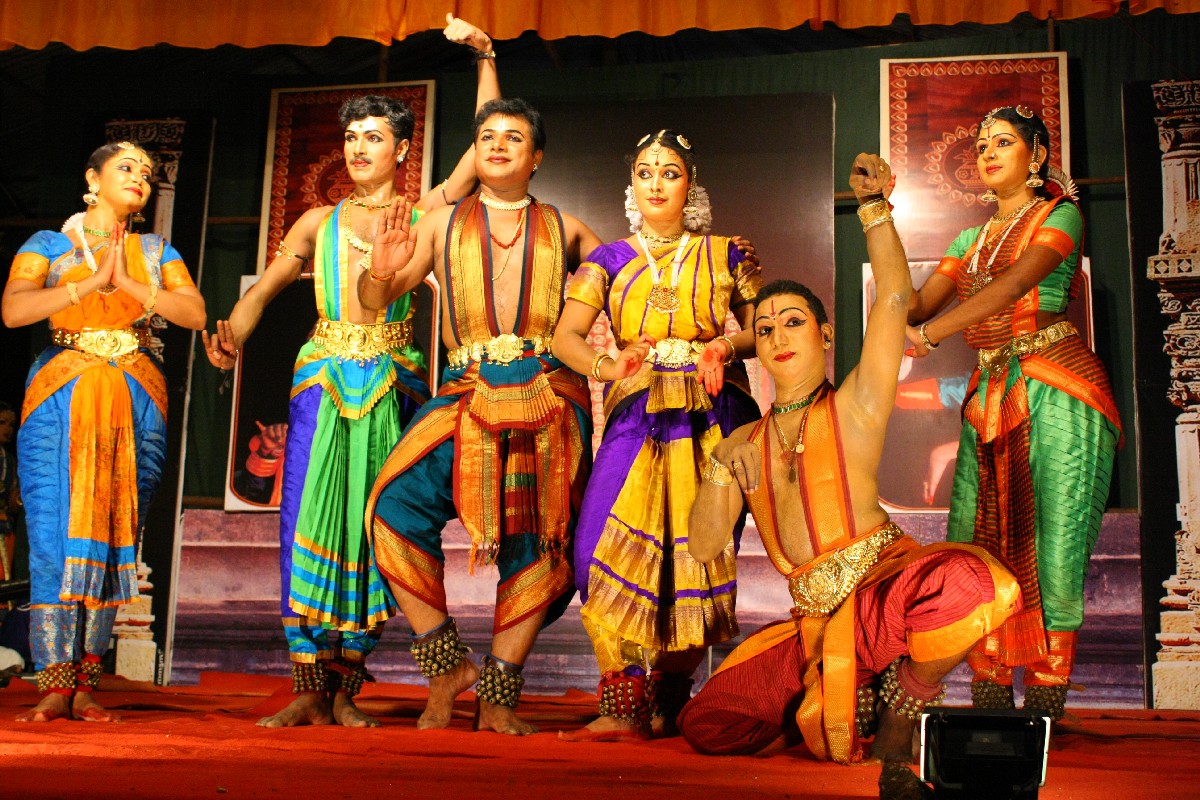
It is extremely auspicious to visit the temple during the three days, especially on Vijayadashami day and receive this prasadam. Devotees from all over Kerala visit the temple on this auspicious day. Devotees from Tamilnadu, Karnatak and Andra Pradesh on their way to Sabarimala temple make it a point to visit and take darshan of Amma Thiruvadi temple during this time.

If you have an opportunity, do visit Urakam Ammathiruvadi Temple during this Mahanavami. Important dates to visit during Mahanavami – 15th October to 17th October 2010.

Photos provided by urakathammathiruvadiksethra upadeshakasamathi

Photo Speaks – Urakam Ammathiruvadi Temple – Navarathri programmes 2010

Posted on Updated on

Photo Speaks – Urakam Ammathiruvadi Temple – Navarathri programmes 2010

Pancharatna keerthana alaapanam by Thrissur M Ramakrishnan
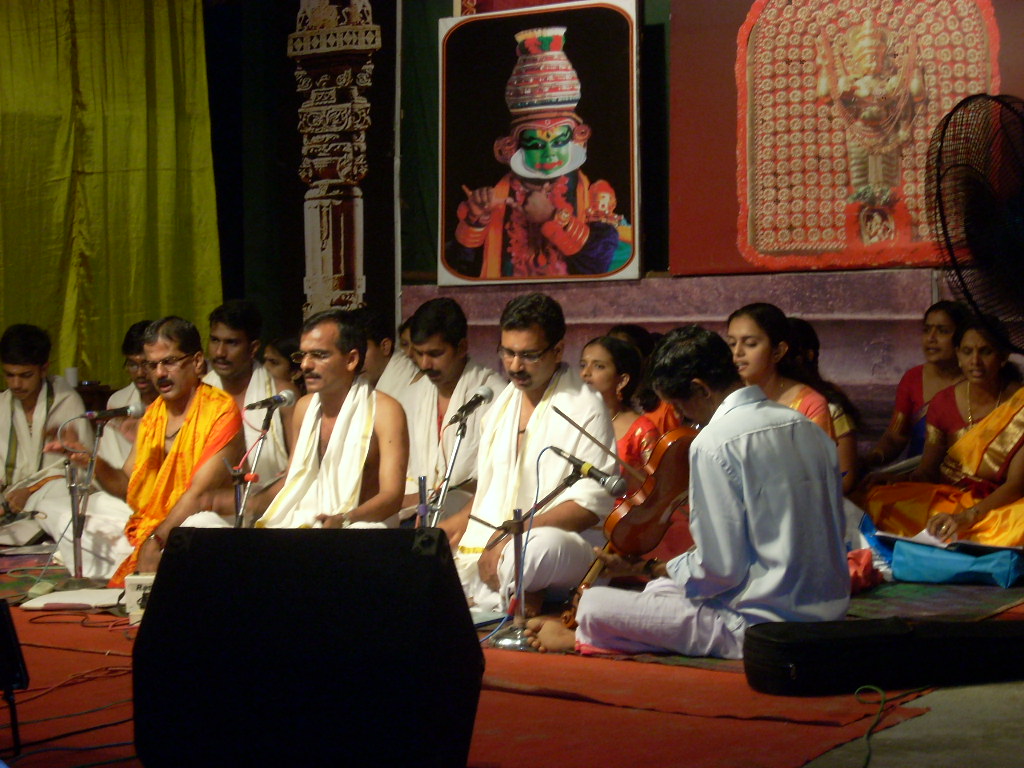
Photos provided by urakathammathiruvadiksethra upadeshakasamathi

Events – A concert on Mohanveena & One act Play by Poly Varghese

Posted on Updated on

Events – A concert on Mohanveena & One act Play by Poly Varghese

INVITATION

Strings n Moods … A concert on Mohanveena
concert on Mohanveena by Poly Vargheese (worthy disciple of Grammy Award winner Pandit Viswa Mohan Bhat.)
Wednesday, October 13 @· 8:30pm  at KERALA SOCIAL CENTRE, ABU DHABI
 
The cultural Evening also presents One Act Playby Poly Vargheese who has been widely acclaimed for exceptional talent in this field.
Entry  free. All music  & art lovers can attend. This will be a great experience.
 
More info.
Poly Varghese is a Hindustani classical guitarist and Mohan veena player based in Chennai performing raagas on a modified electric guitar and the mohan veena. He is the disciple of the renowned Mohan …Veena exponent and Grammy award winner, Pandit Vishwa Mohan Bhat.
He started his music career from the prestigious Kerala Kalamandalam,Trichur and later on went to the Viswa Bharati University at Santiniketan, Kolkatta. Thereafter under the tutelage and guidance of Pandit Vishwa Mohan Bhat, he was able to establish himself as an accomplished Hindustani classical guitarist, using his sound knowledge of classical raagas to create his own innovative and inimitable style.
He recently designed and created a new three neck guitar consisting of 40 strings to play Hindustani music. He sometimes improvises and plays his own compositions too and has a number of concerts to his credit having recently played for the programme ‘Sugamana Ragangal ‘ for Doordarshan Chennai. He has also performed at the Adishakthi Ashram (headed by Veenapani Chawla a renowned theatre exponent), in Pondicherry.
Having travelled with the Baul singers of West Bengal, he is familiar with their music and can render high-pitched Baul songs with ease. He is also trained in Rabindra Sangeet.
He is leading actor in south Indian films too.
Poly is also a music composer and has composed music for films and theatre. he was last asst of great music dir devarajan master and won the Jeevan Atlas Award in 2005 for the Best Music Director of the year for a Malayalam film. Poly is proficient in Malayalam but can also speak English, Tamil and Bengali Oriya, Hindi like 9 languages as well.

Fore more information , please visit ,

See you at “ Strings n Moods” ….
K B Murali
Kerala Social Centre
Abu Dhabi.

Photo Speaks – Urakam Ammathiruvadi Temple – Navarathri programmes 2010

Posted on Updated on

Photo Speaks – Urakam Ammathiruvadi Temple – Navarathri programmes 2010

Kurathiyaattam.

Chaakkyaar Koothu.
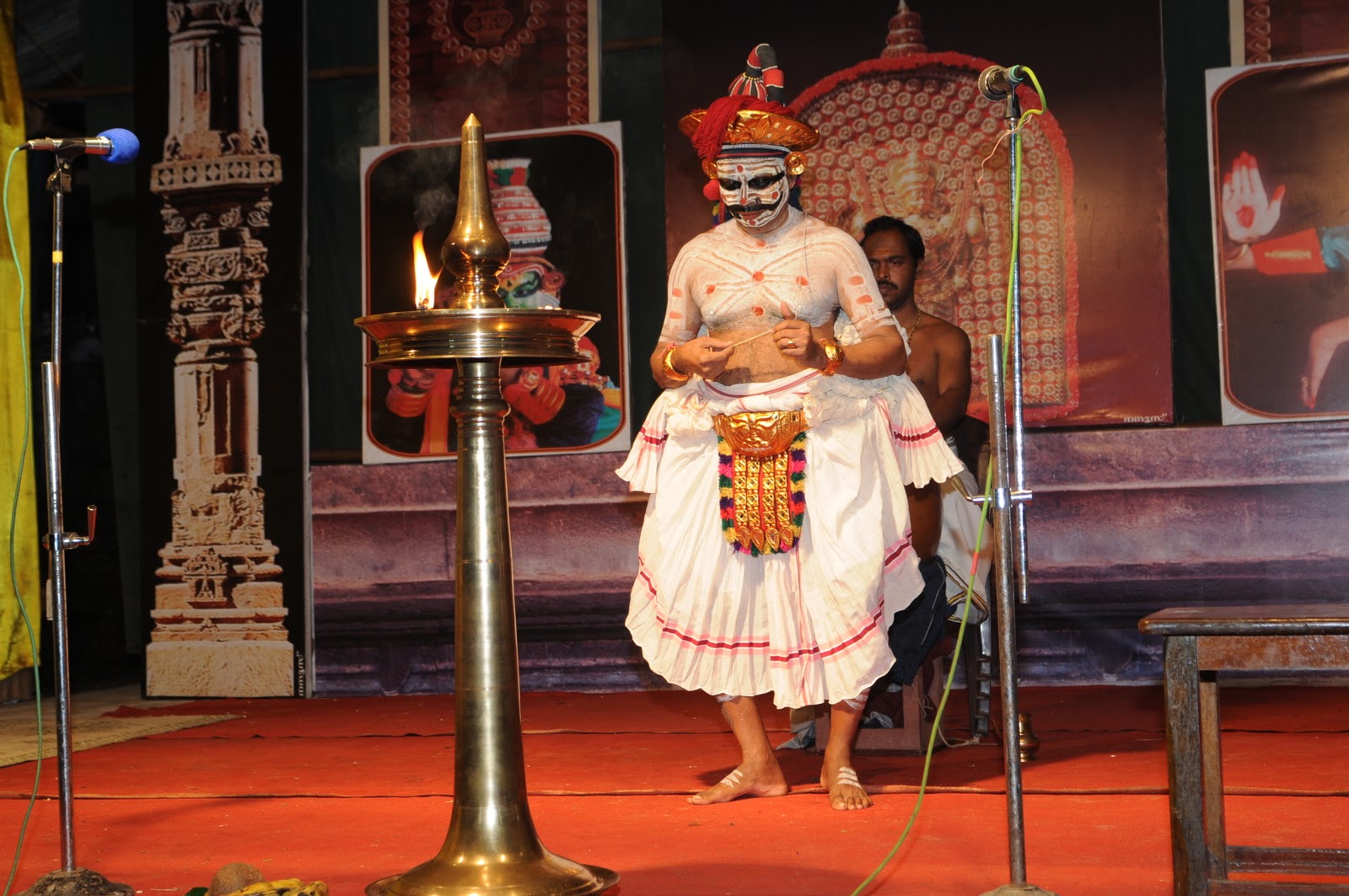
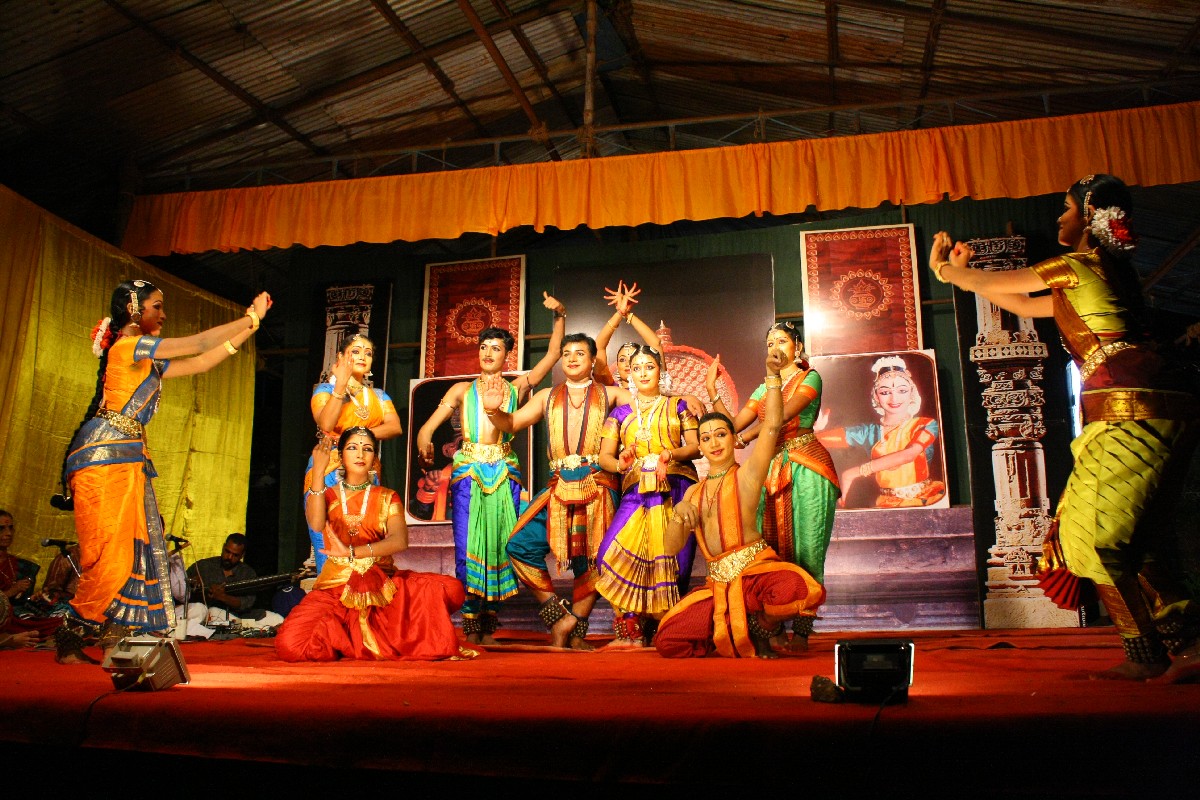
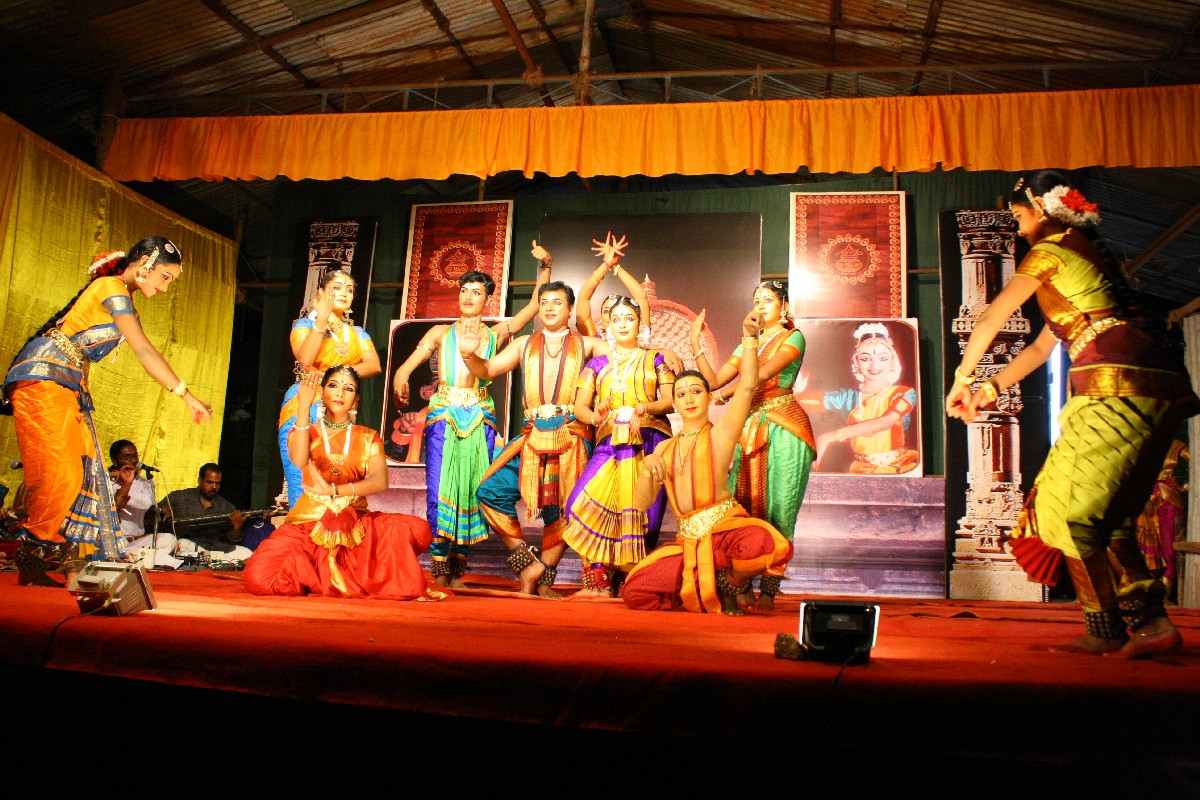
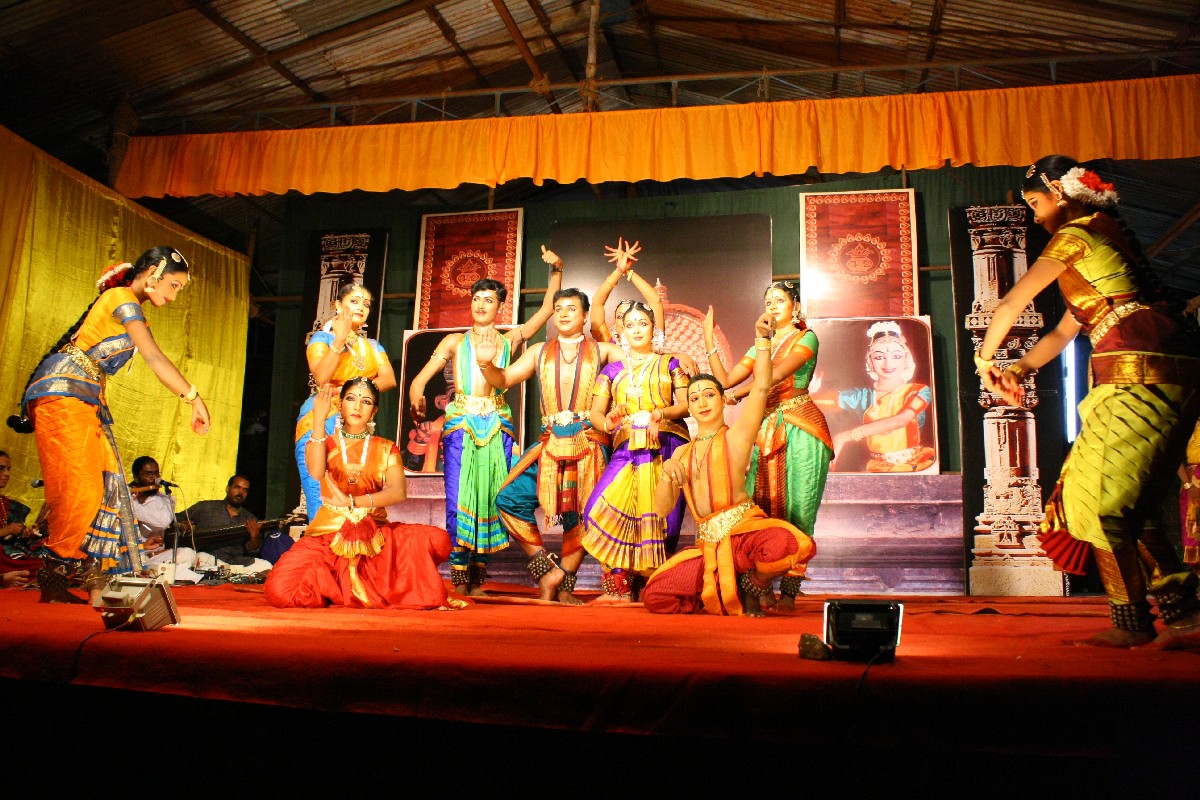
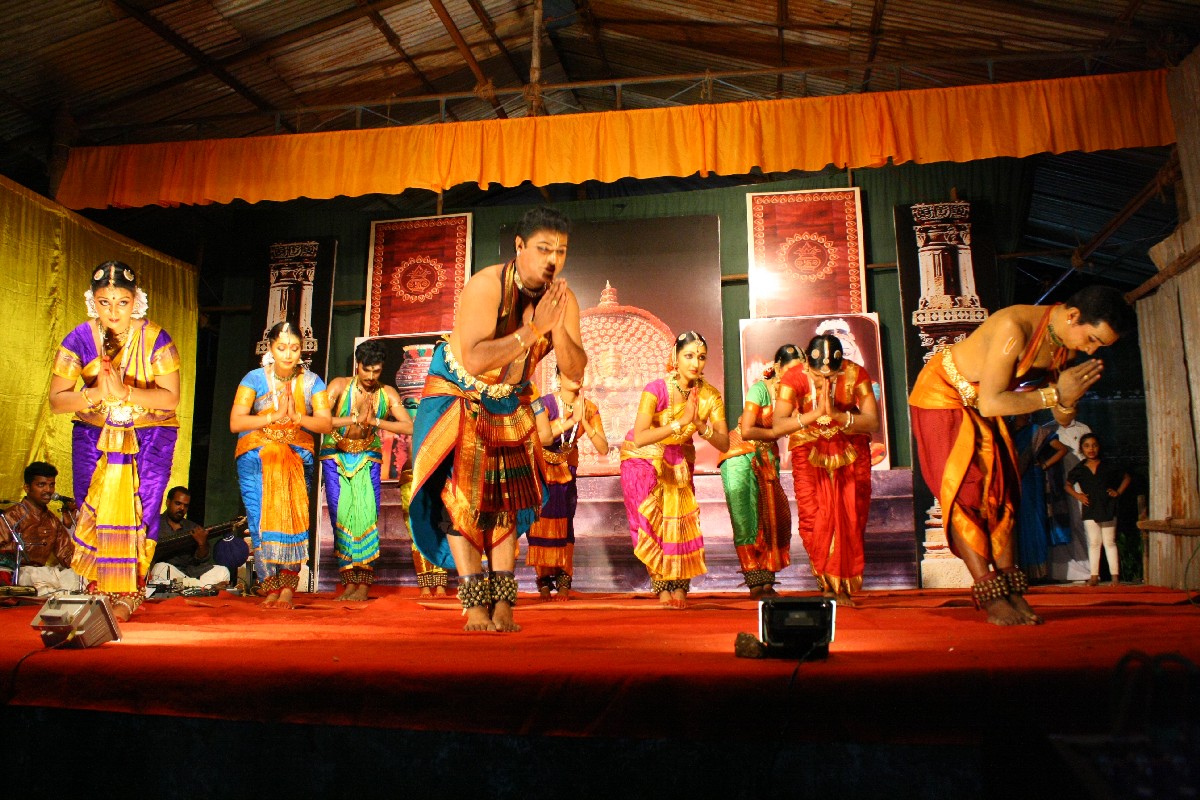
For Navarathri (Mahanavami Maholsavam) programme, only traditional temple art forms of Kerala are selected for presentation in the specially designed mandapam (stage).

Chaakkyaar Koothu is one such performance art from Kerala, South India. It is primarily a type of highly refined monologue where the performer narrates episodes from Hindu epics (such as the Ramayana and the Mahabharata) and stories from the Puranas. Sometimes, however, it is also a traditional equivalent of the modern stand-up comedy act, incorporating commentary on current socio-political events (and personal comments directed at the members of the audience).

Kurathiyaattam or Kurathi Attam is also a traditional folk dance form of southern India.

Photos provided by urakathammathiruvadiksethra upadeshakasamathi