Month: June 2008
Turmeric may help prevent diabetes, obesity
Turmeric may help prevent diabetes, obesity
Saturday June 21 2008 16:05 IST ANI
WASHINGTON: Turmeric, a common Indian cooking spice may play a vital role in
mbating diabetes and obesity, according to a new study.
Researchers from Columbia University Medical Centre have found that curcumin, the anti-nflammatory, anti-oxidant ingredient in turmeric can significantly reduce insulin resistance and prevent Type 2 diabetes. The component also reduced inflammation in fat tissue.
In the study using a mouse model, lead researcher Drew Tortoriello, an endocrinologist and esearch scientist at the Naomi Berrie Diabetes Centre found that turmeric-treated mice were less susceptible to developing Type 2 diabetes.
Moreover, the turmeric-fed obese mice exhibited reduced inflammation in fat tissue and liver ompared to controls.
They speculate that curcumin lessens insulin resistance and prevents Type 2 diabetes in these ouse models by dampening the inflammatory response provoked by obesity.
Curcumin administration was also associated with a small but significant decline in body weight nd fat content, despite level or higher calorie consumption, suggesting that curcumin beneficially influences body composition.
“It’s too early to tell whether increasing dietary curcumin [through turmeric] intake in obese people with diabetes will show a similar benefit,” Dr. Tortoriello said.
“Although the daily intake of curcumin one might have to consume as a primary diabetes reatment is likely impractical, it is entirely possible that lower dosages of curcumin could nicely complement our traditional therapies as a natural and safe treatment,” he added.
Dr. Tortoriello conclude that turmeric reverses many of the inflammatory and metabolic problems ssociated with obesity and improves blood-sugar control in mouse models of Type 2 diabetes.
The study was presented at at ENDO 2008, the Endocrine Society’s annual meeting in San rancisco this week.
Yoga classes
Yoga classes
Saturday June 21 2008 13:01 IST ENS
THIRUVANANTHAPURAM: Kerala State Jawahar Balbhavan will start the new batch of the yoga classes for elders on July 4. The classes are arranged in a way to keep the physical fitness and health and to cure various diseases like diabetis, hypertension, thyroid, hormonal imbalances, mental tension etc. The duration of the course is three months and the classes will be held on Fridays, Saturdays and Sundays.
There will be three batches and the classes will be arranged from 6.30 a m to 8 a m for the first batch, 10.30 a m to 12 noon for the second batch and 5.30 p.m to 7 p m for the third batch. The fee for the course is Rs 1200 and for those who pay in instalments Rs 500 for a month.
Saudi to raise oil output 2 per cent in July
Saudi to raise oil output 2 per cent in July
Bloomberg Published: June 21, 2008, 14:06
Jeddah: Saudi Arabia, which convenes a meeting of government and business leaders on Sunday to discuss world energy markets, will raise its oil output by 2 per cent in July, the country’s oil minister said.
The kingdom will add 200,000 barrels of oil to its daily production next month, taking its total to 9.7 million barrels a day, Ali Al Naimi told reporters in Jeddah, Saudi Arabia on Saturday. State-owned Saudi Aramco will soon add 500,000 barrels, or 4.6 percent, to the kingdom’s total production capacity with its Khursaniyah field.
The International Energy Agency estimates that world oil use this year will climb 800,000 barrels a day, or 1 per cent, as demand increases in emerging markets. Stagnating production from Russia and the North Sea are also contributing to higher prices, which have touched off strikes, riots and accelerating inflation in nations around the world.
Oil doubled in the past year, touching a record $139.89 a barrel on June 16, as investors bought commodities to hedge against a weakening US dollar and concern mounted that demand is growing faster than supply. At least 24 airlines failed this year because of rising costs, while $4 gasoline in the US sparked concern the economy may slip into recession.
A Saudi proposal, to be discussed at the meeting in Jeddah on Sunday, will seek measures against market speculators, Prince Abdulaziz Bin Salman, the kingdom’s deputy oil minister, said in an interview in the Saudi newspaper Asharq Al Awsat.
“The governments have a role to play in regulating and restructuring the markets so that the speculators are forbidden from actions that caused oil prices to reach the current level,” bin Salman said.
“We want stable prices on the long term, not high and not low, so that oil demand can grow, Saudi Arabia can increase its production and preserves its revenue on the long run,” the Saudi deputy oil minister said.
Saudi Arabia will present at the meeting a work document that outlines the reasons for the surge in oil prices, prepared in cooperation with the Organization of Petroleum Exporting Countries and the International Energy Agency, the Saudi official said. “It will be the only document that will be discussed.”
Bluetooth to the rescue

Bluetooth to the rescue
By Inam Abidi Amrohvi for GULF NEWS Published: June 15, 2008
Inam Abidi Amrohvi helps you pick the right wireless headset
Mobile phones have become an essential part of our lives. Businesses rely on them as much as they do on email. There are two issues, though, that must be addressed. One is obviously the battery. Although the average talk time across most models has improved considerably, it remains a problem, especially with smart phones. A possible solution is to carry an extra battery.
The other issue is its use while driving. You could use headphones, but using them is a pain; the wires get tangled most of the time. It’s here that the Bluetooth comes to the rescue.
Wired vs. wireless headsets
In simple terms Bluetooth is a short-range communications technology which does away with the need for wires. This wireless technology takes advantage of a 2.4GHz frequency to make it globally compatible. Using a wired headset is a cheaper option if you don’t mind wires hanging down from your ears. Bluetooth headsets on the other hand normally use only one ear.
And you need press just one button for calls. The headset needs to be charged, with the charge lasting a day or two depending on usage.
With advances in technology, the size and weight of Bluetooth headsets has gone down. As a friend of mine says about his Plantronics headset: “Sometimes I’ve to check whether I’m wearing one”, so small and light is the headset he is using.
Choosing the right one
For those graduating from wired to wireless the choice could be a tricky one. The Bluetooth market has flourished over the past few years. Now you have the basic models as well as the latest stereo headsets (you need them for a built-in radio and for a better music experience).
My advice is simple: look out for a reputed brand that offers a warranty on the model sold. Important considerations include the weight (as you have to wear it on your ear) and the talk time. As for the price, that’s something you pay for the quality.
My pick
There are a lot of Bluetooth headsets to choose from these days. I recommend the following:
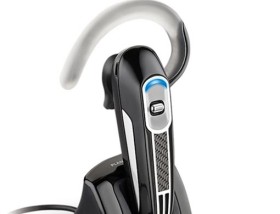
– Plantronics Discovery 665: A small and very light (only 9 gm) headset. A single charge gives up to 3.5 hours of talk time. Discovery comes with technology that automatically optimises audio levels for both caller and receiver. Needless to say all this comes at a price. The Discovery 665 will set you back about Dh350.
– Plantronics Voyager 520: Launched recently in the UAE market, it’s a robust headset that delivers good sound quality. You could expect a commendable seven to eight hours of talk time. It’s a simple model with an ear loop that will appeal to people who fear the set falling down. The Plantronics Voyager 520 weighs 16 gm and costs around Dh275.
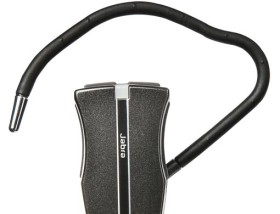
– Jabra JX10: This looks similar to Nokia BH-210 and weighs the same at around 10 gm. The talk time goes up to six hours. Price-wise it may be a little on the higher side at Dh265 but boasts good sound quality and an appealing style.
– Nokia BH-210: The features of this Bluetooth headset are more or less the same as the Jabra JX10. The sound quality may not be as good as Jabra but it is still pretty decent. You can own it for Dh140.
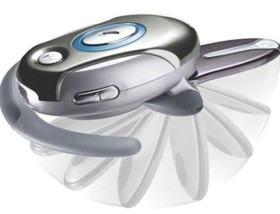
– Motorola H700: This again is a good looking headset that delivers good sound quality as well. It weighs 14 gm and has a talk time of up to six hours. H700 also has a folding microphone that turns the headset on and off. At Dh125 it’s a pretty good bargain.
– The prices mentioned above could vary from shop to shop.
Remember it’s all about ease of use; you could get a Bluetooth headset for as low as Dh50 but you may not be able to use it for long due to poor quality. I personally use the Plantronics Discovery and have no regrets whatsoever!
– The writer is a tecch guru who runs a trading
company in Dubai.
Disclaimer: The opinions and ideas expressed here are those of the author and in no way reflect the views of Notes on any technology.
Superfood for a super you
Superfood for a super you
21 June 2008 KHALEEJ TIMES
A week scarcely passes without us being told about yet another ‘superfood’. Recently we’ve learnt tomatoes prevent sunburn and premature wrinkles, purple grapes boost memory, while rhubarb is good for kidney disease.
But do all superfoods match up to their ‘super’ status? To help you sort the wheat from the chaff, leading American dietician, David Grotto reveals the foods that really are worth eating
ALMONDS
Obesity: Women who’d eaten a serving of almonds had higher levels of cholecystokinin (a hormone which helps you feel full) than men did, according to a study published in the American Journal of Clinical Nutrition. So while almonds may leave both women and men with a feeling of ‘satisfaction’, women may stay full longer.
Alzheimer’s: Mice with an Alzheimer’s-like disease were fed an almond-rich diet. After four months, those animals did much better on memory tests than those fed the usual food.
Heart health: American research has found that eating almonds reduces the risk of heart disease as effectively as some statins.
Top tips: Make sure you are buying ‘the real McCoy’ — many imported almonds are not almonds at all, they’re apricot kernels; these look similar but the taste and health benefits are not the same. Also look for almonds in the shell that don’t rattle when you shake them. Rattling may be a sign that the almonds are old.
ASPARAGUS
Digestive health: Asparagus contains inulin, a carbohydrate that is not digested but promotes friendly bacteria in the large intestine. Asparagine, a natural chemical in asparagus, encourages the body to excrete water.
Diabetes: A study reported in the British Journal of Medicine found that an extract of asparagus significantly increased the action of insulin, which helps mop up excess blood sugar.
Heart health: Just one serving of asparagus supplies almost 60 per cent of the daily recommended intake of folate, one of the B vitamins. Folate helps reduce levels of homocysteine, a substance in the blood, which at high levels can increase the risk of heart disease
Top tips: Trim off some of the bottom of the asparagus and store upright in a container with a little water to keep it fresh.
CAULIFLOWER
Cancer: Cauliflower contains a compound called indole-3-carinol (I3C) which has cancer fighting properties. Scientists have also found that the chemical sulphoraphane, found in cruciferous vegetables such as cauliflower, stopped lung cancer cells in an animal trial, and helped kill off and stop the growth of prostate cancer cells in a test tube study on human cells.
Dandruff: Biotin, a water-soluble vitamin found in cauliflower, has been shown to control dandruff.
Arthritis: A team of researchers who followed a group of women for more than ten years found those who ate more cruciferous vegetables had a decreased risk of rheumatoid arthritis.
Top tips: Munching crunchy foods such as cauliflower before bed may help stop jaw-clenching while sleeping.
EGGS
Vision: According to one study, people who ate foods high in the natural chemicals lutein and zeaxanthin had a 20 per cent reduction in developing cataracts and a 40 per cent reduction in developing macular degeneration, an eye disease that affects the retina and is more common in the over-60s. Eggs are a good source of these chemicals.
Obesity: The hunger fighting power of eggs means an egg first thing in the morning may lead to reduced calorie consumption for the rest of the day, according to a report in the Journal of the American College of Nutrition.
Top tips: Keep your eggs in the fridge and they will stay good for a month. The quality of egg protein is the highest of any whole food product, second only to human breast milk.
FIG
Skin disorders: Figs contain a substance that, when combined with exposure to ultraviolet light, was found to help several skin diseases and certain forms of lymphoma in some studies.
Diabetes: Figs are higher in fibre than any other fresh or dried fruit per serving, containing about five to six grams per portion of three figs. The type of fibre found in figs may reduce the risk of developing adult-onset diabetes (type 2) by slowing down the digestion and absorption of sugars in foods.
Top tips: The white ‘frost’ that occurs on dried figs is called ‘sugaring’. It’s caused by the sugars from the fig rising to the surface. Keep refrigerated to reduce frost.
GUAVA
Diabetes: Diabetic mice who received guava juice for four weeks experienced a reduction in glucose of nearly 25 per cent.
Heart health: Guava has been shown to markedly reduce bad cholesterol and improve the good kind and reduce blood pressure as well.
Antibacterial: Guava leaves have antibacterial properties and have been shown to have a highly lethal effect on salmonella and other harmful bacteria.
Top tips: Ripe guava bruise easily and are highly perishable. They must be eaten within a few days.
KIWI
Heart disease: Norwegian scientists have found kiwi fruit helps a component of red blood cells called platelets become less sticky.
Cancer: Eating kiwi fruit daily can protect DNA against damage that may lead to cancer. More significantly, kiwi seems to help repair the damage caused to DNA. A variety of naturally occurring substances have also been discovered in kiwi fruit that are effective in killing oral tumour cells.
Macular degeneration: Kiwi is an excellent source of lutein and zeaxanthin, natural chemicals found in the human eye. Diets rich in lutein are protective against cataracts and other forms of macular degeneration.
Top tips: The skin is an excellent source of nutrients and fibre.
MUSHROOMS
Prostate cancer: Many mushrooms contain large amounts of selenium, a cancer-busting mineral. In studies, white button mushroom extract suppressed the growth of prostate cancer cells and decreased tumour size.
Immune system: Mushrooms contain substances that may help the immune system remove abnormal cells that cause disease.
Migranes: Psilocybin, originally an extract of certain psychedelic mushrooms, is being studied for migraine headaches.
Top Tips: Don’t wash mushrooms, they act like sponge and can soak up water. Gently wipe them with a damp cloth or soft brush instead.
OREGANO
Cancer: A tablespoon of oregano packs the same antioxidant strength as an apple. It also contains important phenolic acids that might prevent certain types of cancers from forming.
Antibacterial: Oregano has been found to damage E. coli bacteria and Giardia lamblia, a nasty parasite that causes diarrhoea and abdominal pain.
Top tips: Fresh oregano can be kept in the fridge for up to three days.
POTATOES
Cancer: They contain proteins called lectins, which inhibit tumour growth.
Diabetes: Potato peel added to the diet of diabetic rats significantly reduced blood sugar levels.
Top tips: It’s a myth that all the nutrition is within the skin of the potato; more than 50 per cent of the overall nutrition content can be found in the potato itself! Washing your face with cool potato juice clears up blemishes.
QUINOA
Weight management: Quinoa (pronounced keen-wa) refers to the seed, about the size of millet, of the Chenopodium or ‘Goosefoot’ plant. It contains more protein than any other grain. Quinoa makes you feel fuller than rice and wheat, so it’s good for fighting obesity.
Vaccine helper: Research has shown the potential of quinoa as a ‘helper’ for vaccines. Quinoa enhances antibody responses in mice.
Top tips: Be careful not to add too much water or cook it too long, since quinoa can become mushy; it takes only 15 minutes to cook.
STRAWBERRIES
Anti-inflammatory: Strawberries block the enzymes responsible for promoting inflammation in the body.
Diabetes: Strawberries help control type 2 diabetes by reducing blood glucose levels after a starchy meal.
Thrombosis: An animal study found strawberries had a powerful anti-clotting effect.
Top tips: Don’t remove the stalks until after washing, or the berries will absorb excess water, damaging their flavour and texture.
TEA
Cancer: Tea contains antioxidants that help prevent certain types of cancer, such as oral, skin, digestive, ovarian and lung.
Obesity: Japanese research has found drinking green tea might reduce body fat.
Top tips: Teabag tea tends to be ground finer, providing more surface area to extract more antioxidants when submerged in hot water.
WALNUTS
Cancer: Walnuts are packed with a form of vitamin E that may help fight breast, prostate and lung cancer.
Diabetes: They might improve insulin resistance in those with type 2 diabetes.
Walnuts contain a powerful antioxidant melatonin, which promotes restful sleep. A U.S. study found eating walnuts increased blood levels of melatonin three-fold.
Top tip: Shake the nut; if it rattles or feels light it may be withered. Shelled walnuts will stay fresh for up to three weeks if refrigerated in a tightly covered container.
Extracted from 101 Foods That Could Save Your Life by David Grotto, published by Bantam








PGDCA
PGDCA
Friday June 20 2008 13:21 IST Express News Service
T’PURAM: The Thiruvananthapuram centre of C-DAC under the IT Department of the Central Government will conduct a Post-Graduate Diploma in Computer Applications course. The duration of the course is one year. Classes will commence on July 2. Classes on month-long Multi media basics will commence on June 25. For more details contact Manager, STDC, C-DAC, Chennankara buildings, Vellayambalam, Thiruvananthapuram (Phone: 2726531).
Journalism courses
Journalism courses
Friday June 20 2008 13:22 IST
T’PURAM: The Institute of Journalism, Thiruvananthapuram Press Club, has invited applications for post-graduate diploma courses – Diploma in Journalism and Diploma in Electronic Journalism.
The basic qualification for the courses is degree from any recognised university. Those who are awaiting final year results can also apply. Admission will be based on entrance and interview.
The age-limit for Diploma in Journalism course is 30 while the age limit for Diploma in Electronic Journalism is 25. Application forms and prospectus can be obtained from the Press Club. The last date for submitting applications is July 5. For more details contact over phone nos: 0471-2331642, 2338950.
Pooram Mahotsavam – 2008 – 20th June 2008 at Al Nasr Leisureland Dubai
Pooram Mahotsavam – 2008 – 20th June 2008 at Al Nasr Leisureland Dubai


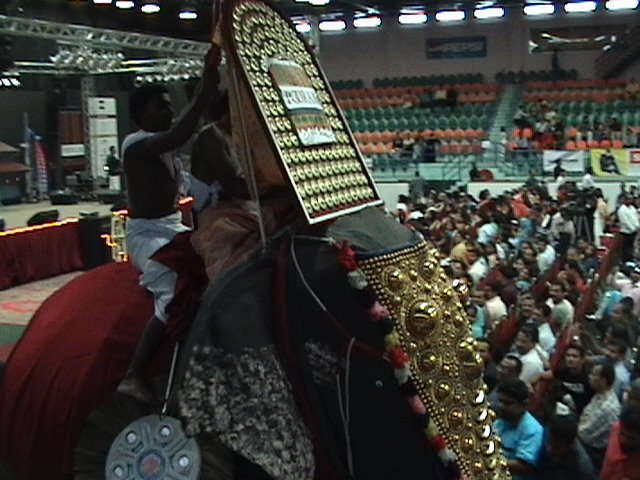
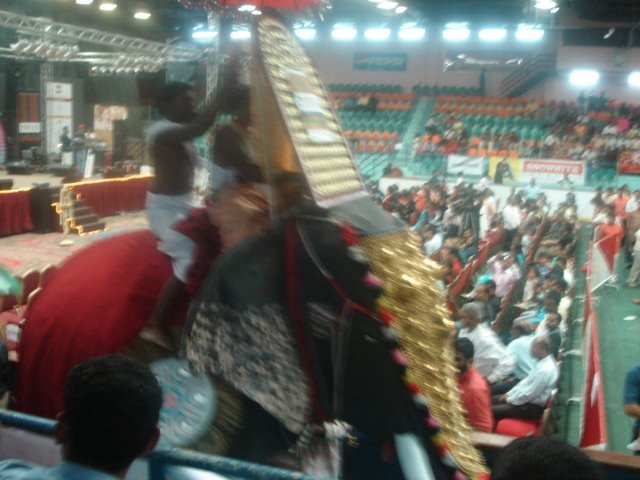



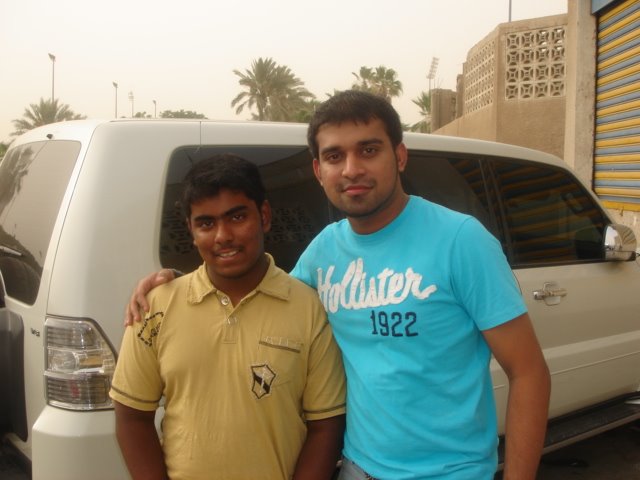
Focus, determination, skills, creativity, talent added with humble and simple self. You can name easily one person amongst the contemporary artists – a legend in the making – it is our One and Only STEPHEN DEVASSY. Back from a knowledge enhancement trip in US, he will be shortly touring Australia for a lenghty concert. Here is Stephen Devassy with one of his fan from Abu Dhabi.
Dr.M.Balamualikrishna
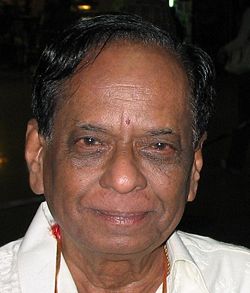
Mangalampalli Balamurali Krishna (transliterated variously as M. Balamuralikrishna, Mangalampalli Balamuralikrishna, M. Balamurali Krishna; Telugu: మంగళంపల్లి బాలమురళిక్రిష్ణ) b. Sankaraguptam, Andhra Pradesh, India, July 6, 1930) is a legendary Carnatic Music vocalist and musician. He has also composed a number of songs.
Balamuralikrishna was named Murali Krishna at birth. Musunuri Suryanarayana Murty Bhagavatar, a distinguished Harikatha performer, gave the prefix ‘Bala’ to the young Muralikrishna. This title has stuck to him ever since. Balamuralikrishna was a child prodigy and started performing vocal concerts from the age of five. His father was a well known musician and could play the flute, violin and the veena and his mother was an excellent veena player. Balamuralikrishna thus began his musical career at a very young age. He soon mastered a variety of instruments. He can play the violin, viola, khanjira, veena, mridangam and other instruments. He has been awarded the All India Radio’s “Top Grade” for seven different performance areas and is also the only musician ever to win National Awards in India for classical music, music direction and film playback singing.
Musical career
Not merely content with his fame as a concert vocalist, very soon Balamurali proved his immense versatility by playing the Kanjira, Mridangam, Viola and Violin. When he was barely 14 years old, he composed Raganga-Ravali, a detailed work on the 72 Melakarta scheme. He mastered all the 72 melakarta ragas by the age 16 and had composed kritis in all of them by then.
Poet composer and musicologist, balamurali krishna has restored the trinity’s composition to their original whole. he represents a new era in carnatic music. like the galaxy of giants before him, he has helped in tha preservation of the musical heritage in his own way
Concerts
Balamurali Krishna has been invited to give concerts in almost every country in the world, including USA, Canada, UK, Italy, France, Russia, Sri Lanka, Malaysia, Singapore, Middle East etc. He has given more than 26,000 performances[citation needed] throughout the world.
While his native tongue is Telugu, he sings not only in Telugu but also in Kannada, Sanskrit, Tamil etc.
Top Hindustani musicians have collaborated with him in “jugalbandhis” (duets): including Bhimsen Joshi, Pandit Hariprasad Chaurasia and Kishori Amonkar, among others.
He appeared as featured soloist with an award-winning British choir, performing the “Gitanjali Suite” with words from Rabindranath Tagore’s Nobel Prize-winning poetry and music by Dr. Joel, the noted UK-based Goan composer. His clear diction in several languages prompted an invitation to record Tagore’s entire Rabindra Sangeet compositions in Bengali, preserving them for posterity. He has sung in French, and even ventured into jazz fusion, collaborating with the top Carnatic percussion teacher, Sri T.H. Subash Chandran, in a concert for Malaysian royalty.
He has recently become increasingly interested in music therapy, and now performs only occasionally. He gave its authorization to S. Ram Bharati to found “Academy of Performing Arts and Research” in Switzerland and is also working on music therapy. He established the ‘MBK Trust’ with the objective of developing art and culture and for carrying out extensive research into Music Therapy. A dance and music school, ‘Vipanchee’ is a part of this Trust and is run by his managing trustee Kalaimamani Saraswati.
Famous Compositions
Omkaara Pranava- Shanmukhapriya (Padha Varnam), Amma Aanandha dhaayini-Gambheera Naattai (Varnam), Ye Naadhamu-Naatai (Varnam), Sri Sakala Ganadhipa Palayamam-Aarabhi, Mahadevasutham-Aarabhi, Gam Gam Ganapathim-Ganapathi, Ganaadhipam-Nattai, Pirai Aniyum Perumaan-Hamsadhwani, Uma Sutham Namaami-Sarvasri, Mahaneeya Namasulivae-Sumukham, Mahaneeya Madhura Moorthae-Mahathi, Guruni Smarimpumo-Hamsavinodhini, Heera Ganapathiki-Surati, Varuha Varuha-Panthuvaraali, Thunai Neeyae-Charukesi, Nee Dhaya Raadha-Poorvikalyani, Gathi Neevae-Kalyani, Sadhaa Thava Paadha-Shanmukhapriya, Thillana-Brundhaavani, Thillana-Chakravaaham, Thillana-Dhwijaawanthi, Thillana-Kunthalvaraali, Thillana-Kathanakuthoohalam, Thillana-Garudadhwani, Thillana-Behag (On Sri Thyagaraja), Thillana-Raagamaalika (Amruthavarshini/Mohanam/Kaanada/Hindholam), Thillana-Raagamaalika (Taaya Ragamaalika-Based on Sruthi Bedham), Thillana-Raagamaalika (Pancha “Priya” Raagas-Gathi Bedham), Maamava Gaana Lola-Rohini (Using Two Madhyamas), Maa Maanini-Thodi (Swara Saahithyam), Gaana Lola – Raagamaalika (on Thirupathi Venkateswara), Bruhadheeswara-Kaanada (on Tanjore Bruhadheeswara).
Dr.M.Balamuralikrishna (Gam Ganapathim)
Dr.M.Balamuralikrishna (Sri Rama Naamam)
Balamurali Sir remembers watching a video of me making some students sing this song along with me, uploaded at youtube by my friend musiquebox and suddenly asks us to join him, much to our surprise and delight. It is a composition by Bhadrachala Ramadas, tuned by Balamurali Sir in Shankarabharanam and set to Thisra Gathi Eka Thaalam.
 ClicksandWrites
You must be logged in to post a comment.