Month: December 2007
Exchange rates spark confusion
Exchange rates spark confusion
By Shakir Husain, Staff Reporter GULF NEWS Published: December 03, 2007, 01:41
Dubai: Arbitrary dirham rates offered by UAE money changers, in some cases as low as Dh3.05 per dollar or almost 17 per cent lower than the official rate, are sowing more confusion in the market where speculation on the dirham’s revaluation is already rampant.
The UAE currency has been pegged at 3.6725 to the dollar since 1997 and until Sunday there was no change in the official peg.
UAE Central Bank Governor Sultan Bin Nasser Al Suwaidi last month spoke about social and economic pressure to give up the dollar peg and to adopt a basket of currencies.
Saudi Arabia, the UAE and Bahrain have cut interest rates in the recent days to make it less attractive for investors to bet on the appreciation of their currencies. But that has not discouraged people from taking bets on the dirham’s revaluation.
The forward markets on Sunday were expecting the UAE dirham to appreciate to 3.54 against the dollar in a year.
“It is happening because there is a huge demand for Gulf currencies,” Monica Malik, senior economist at EFG-Hermes investment bank, told Gulf News.
“Increasingly we feel there is going to be some sort of currency reform in the next six months,” she said, but added that the two-day summit of Gulf leaders starting in Doha on Monday may not come up with a firm action on the issue.
Analysts have been expecting Gulf government action on the dollar pegs as the cost of living across the region has been rising as imports have become costlier due to the slide in dollar’s value.
Money changers, hotels and stores in shopping malls were accepting dollars at rates ranging from Dh3.05 to Dh3.50 per dollar yesterday.
They began revising the exchange rates on Friday and gradually raised the dirham rate against all other major currencies. Unofficial exchange rates of other currencies versus the dirham were similarly affected.
Tourists complained that they were getting fewer dirhams for their currencies.
“It is strange,” said Ahmad Jan from Saudi Arabia as he walked between a bank branch and a money exchange at Deira City Centre and noted that the bank offered 60 fils more per dollar.
“What you see here is the official rate,” a manager at the bank said.
Moroccan visitor Nasser Bin Omar said he accepted the lower dollar rate from the money dealer because he did not want to wait in the long queue at the bank.
“Offering a lower rate [than the official rate] to the US dollar against the UAE dirham is against the law. Money exchange houses should stick to the UAE Central Bank guidelines,” said B.R. Shetty, vice-chairman of the NMC Group that operates UAE Exchange.
However, UAE Exchange Centre was offering Dh3.30 per dollar, about 11 per cent lower than the official rate on Sunday.
As revaluation speculation gripped the market, many expatriates were also delaying their remittances. A manager at a money exchange in Dubai’s Al Ghusais area said there has been a decline in remittances.
36th UAE National Day Celebrations in Abu Dhabi – 2 Dec 2007
Happy Birthday, UAE!
On its 36th birthday, the UAE has much to celebrate. Right from the inception of the federation in 1971 when the emirates joined hands to form a progressive and stable nation, the UAE has gone from strength to strength. It has achieved within a short period of time socio-economic successes which only a few countries in the world today can match. Speaking on the creation of the nation, the UAE President, His Highness Shaikh Khalifa bin Zayed Al Nahyan, recently said, “December 2, 1971 will remain the most precious event in the country’s history… Our dream wouldn’t have come true without the support of great men and an ambitious, brave leader.”
With great honour and pride of being a resident here for half of my life time, I am happy to present through my page, a part of the celebrations that happened in Abu dhabi on 2nd December 2007.
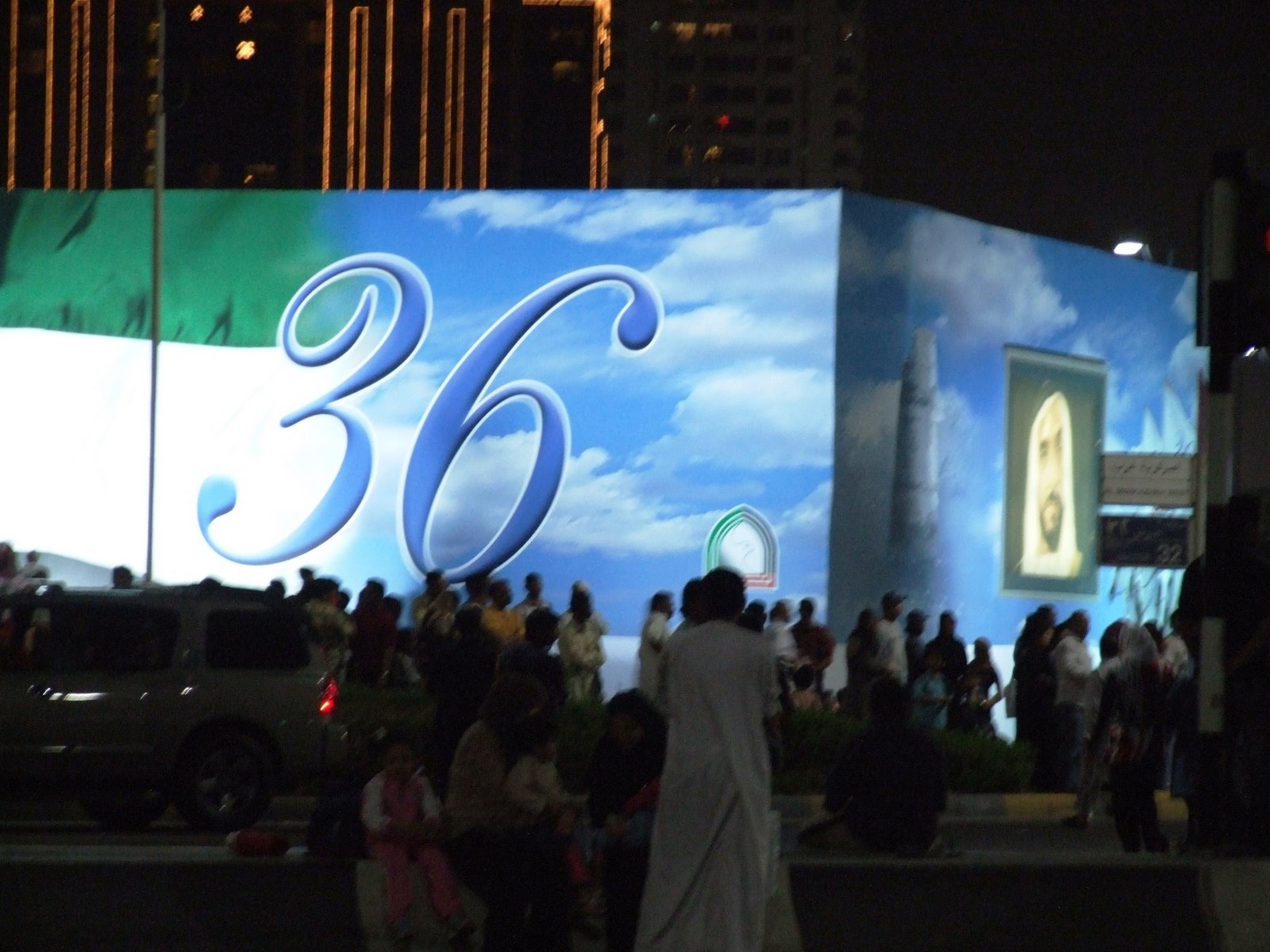
Decorative hoardings at Corniche Street

Cars and Procession at Corniche Street
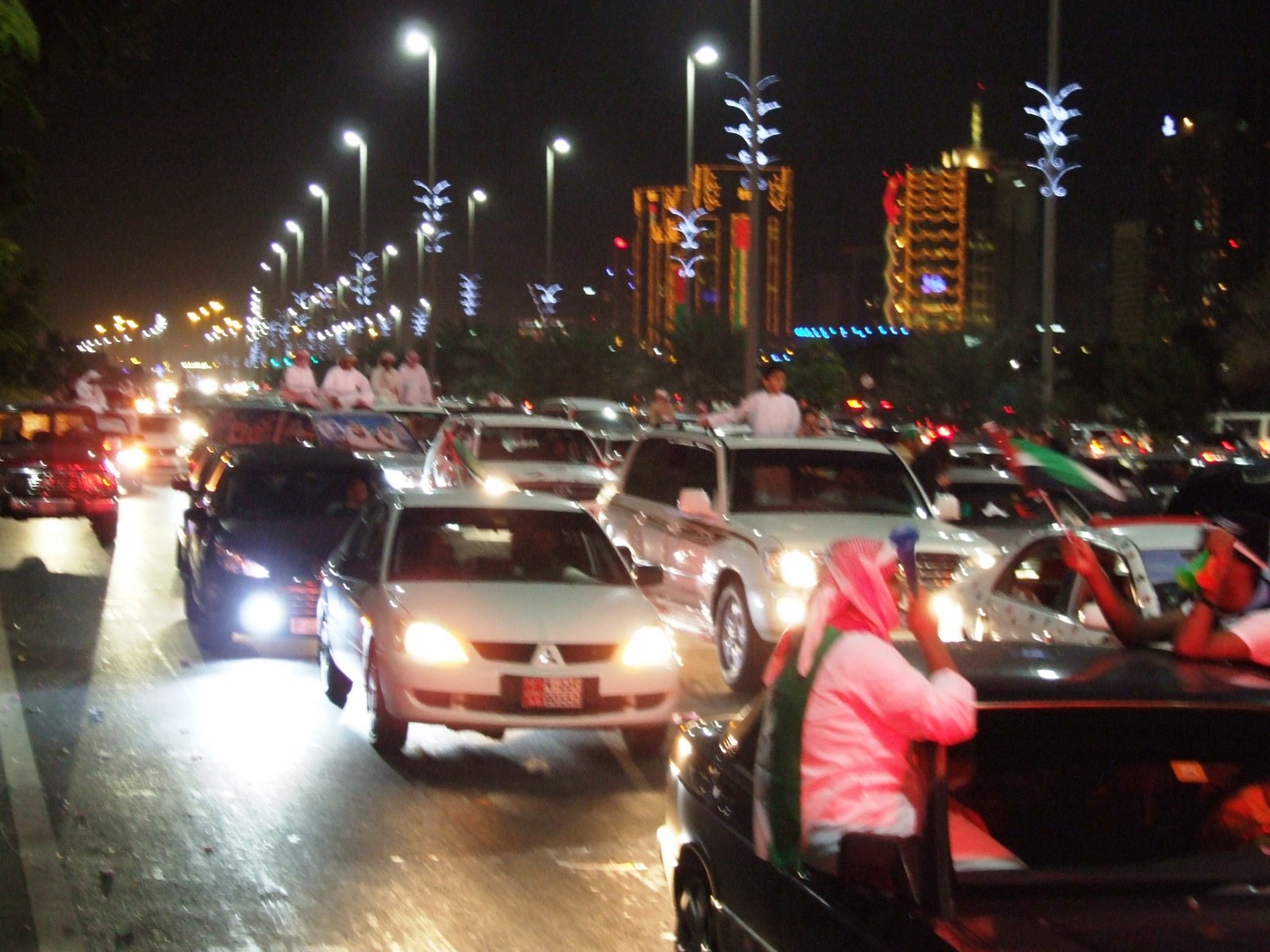
Cars and Procession at Corniche Street
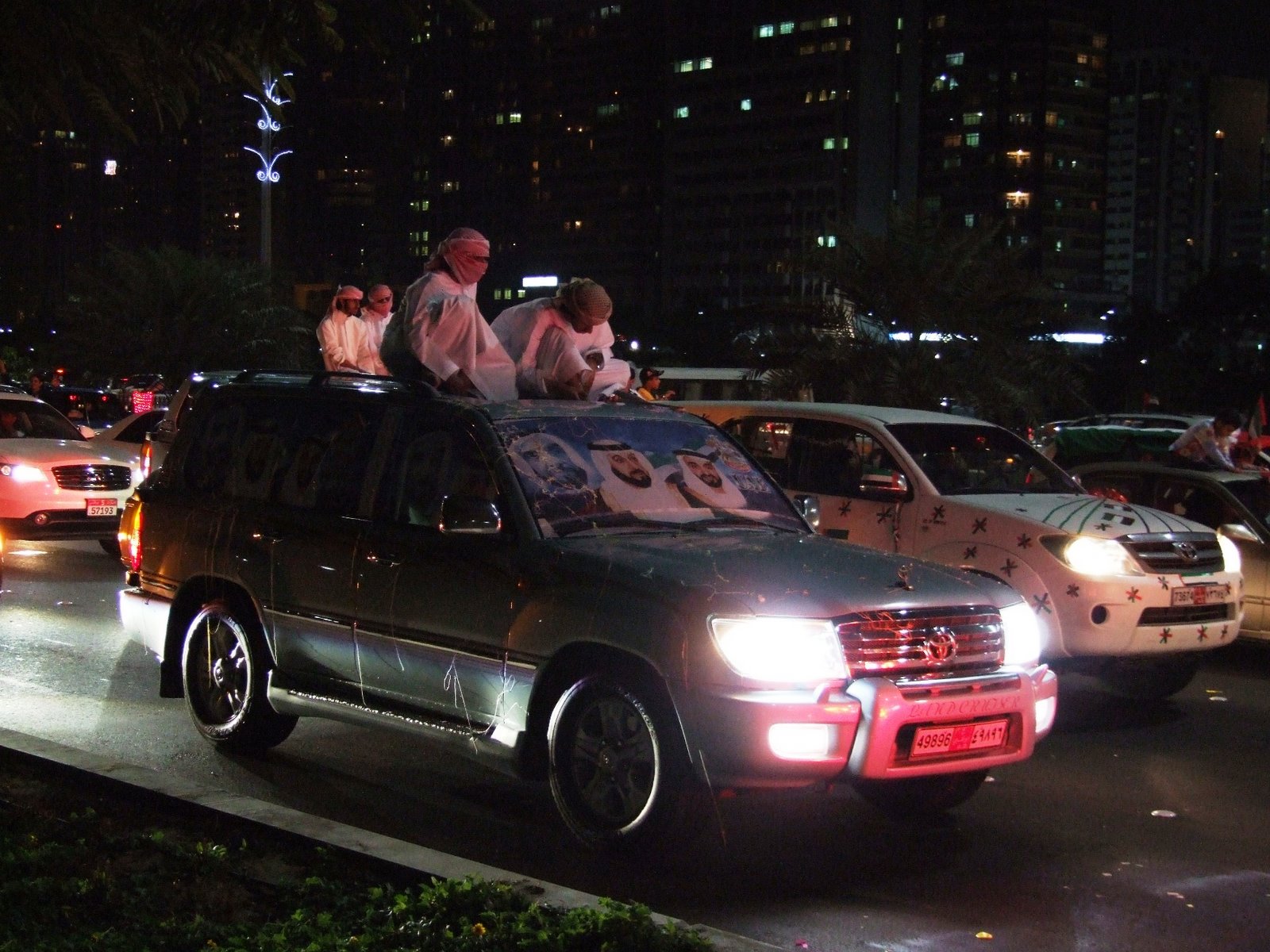
Cars and Procession at Corniche Street
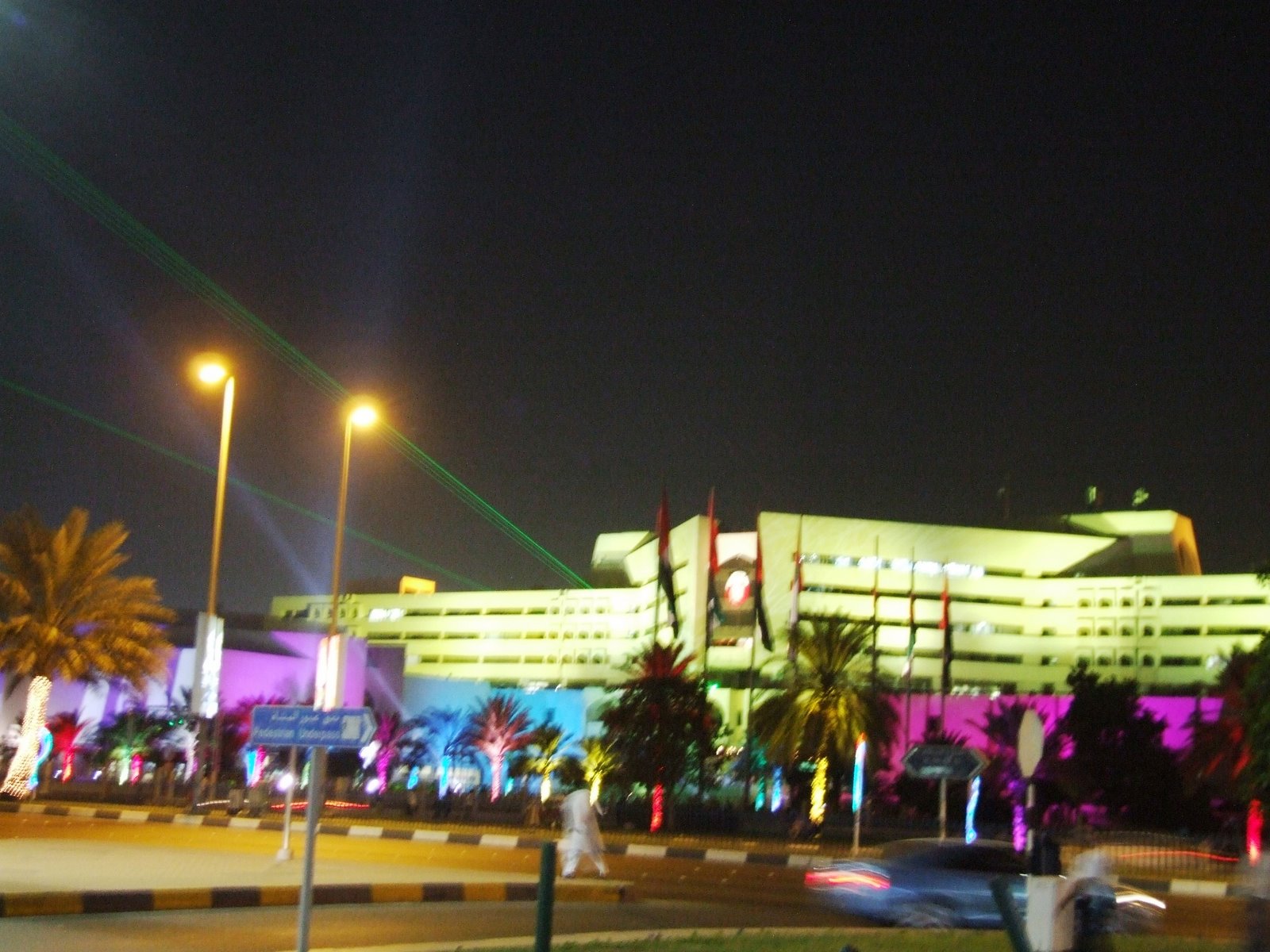
Laser show at Abu Dhabi Municipality building
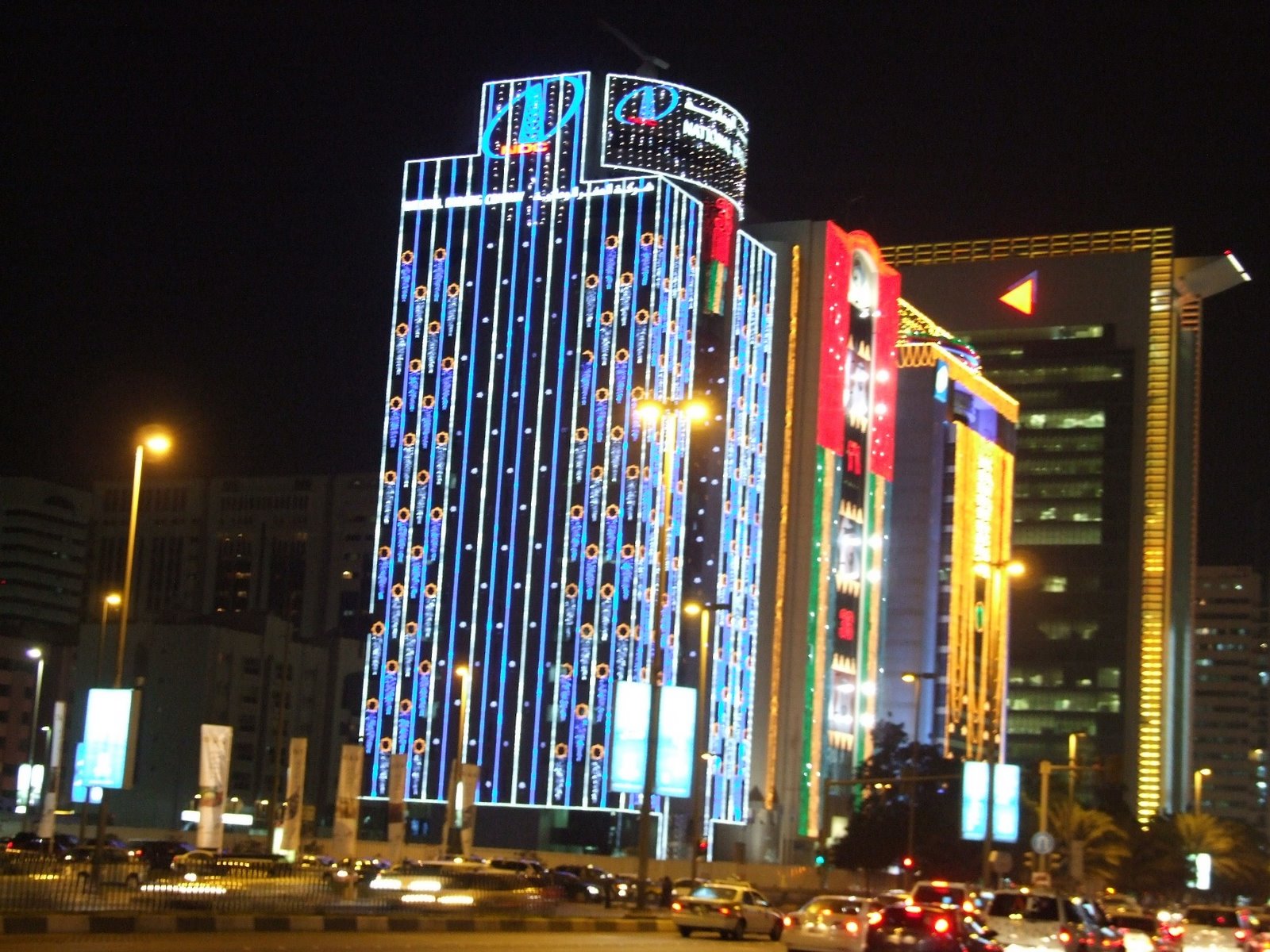
NDC Building
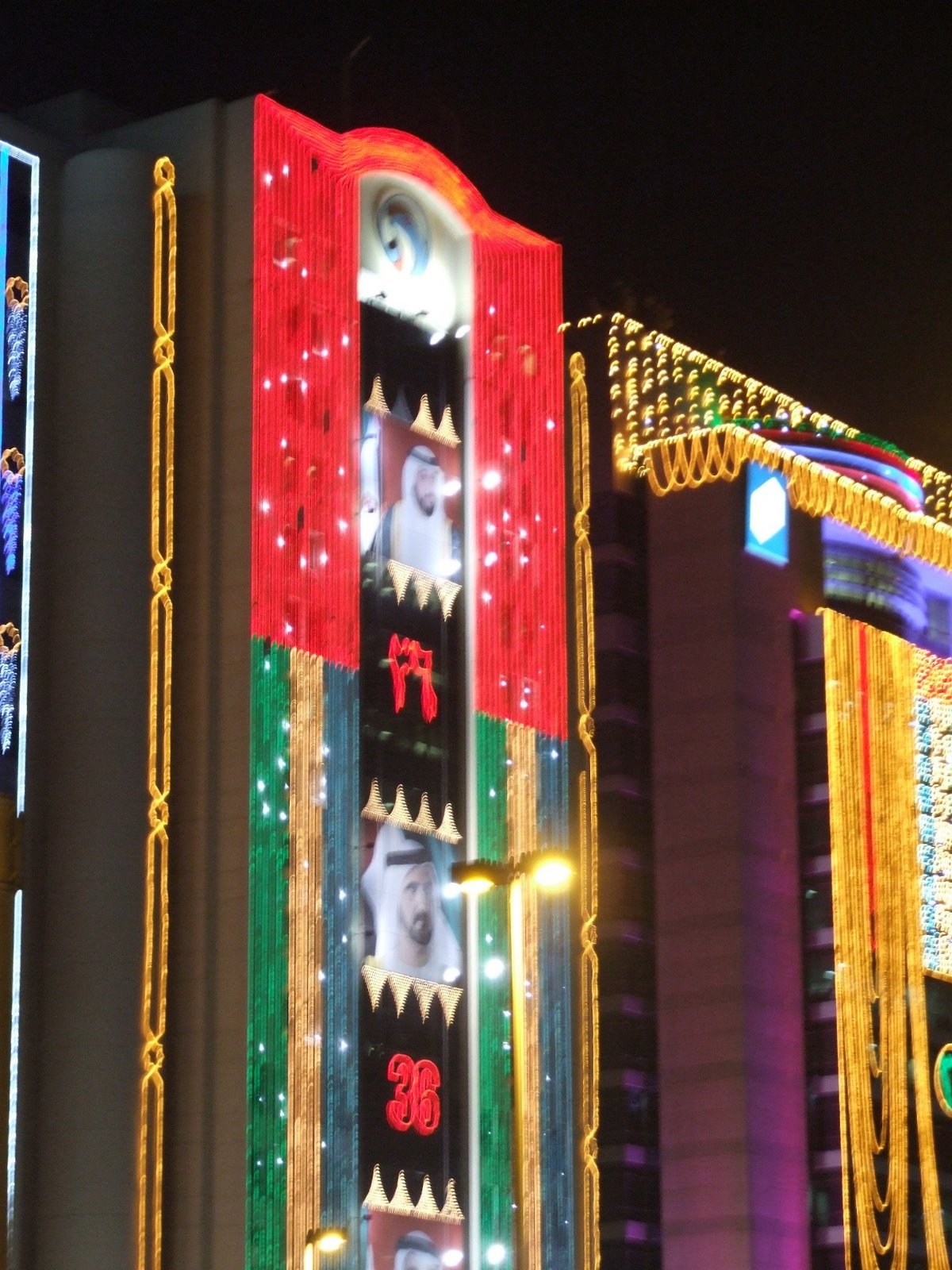
ADNOC Distribution Building

Union National Bank building
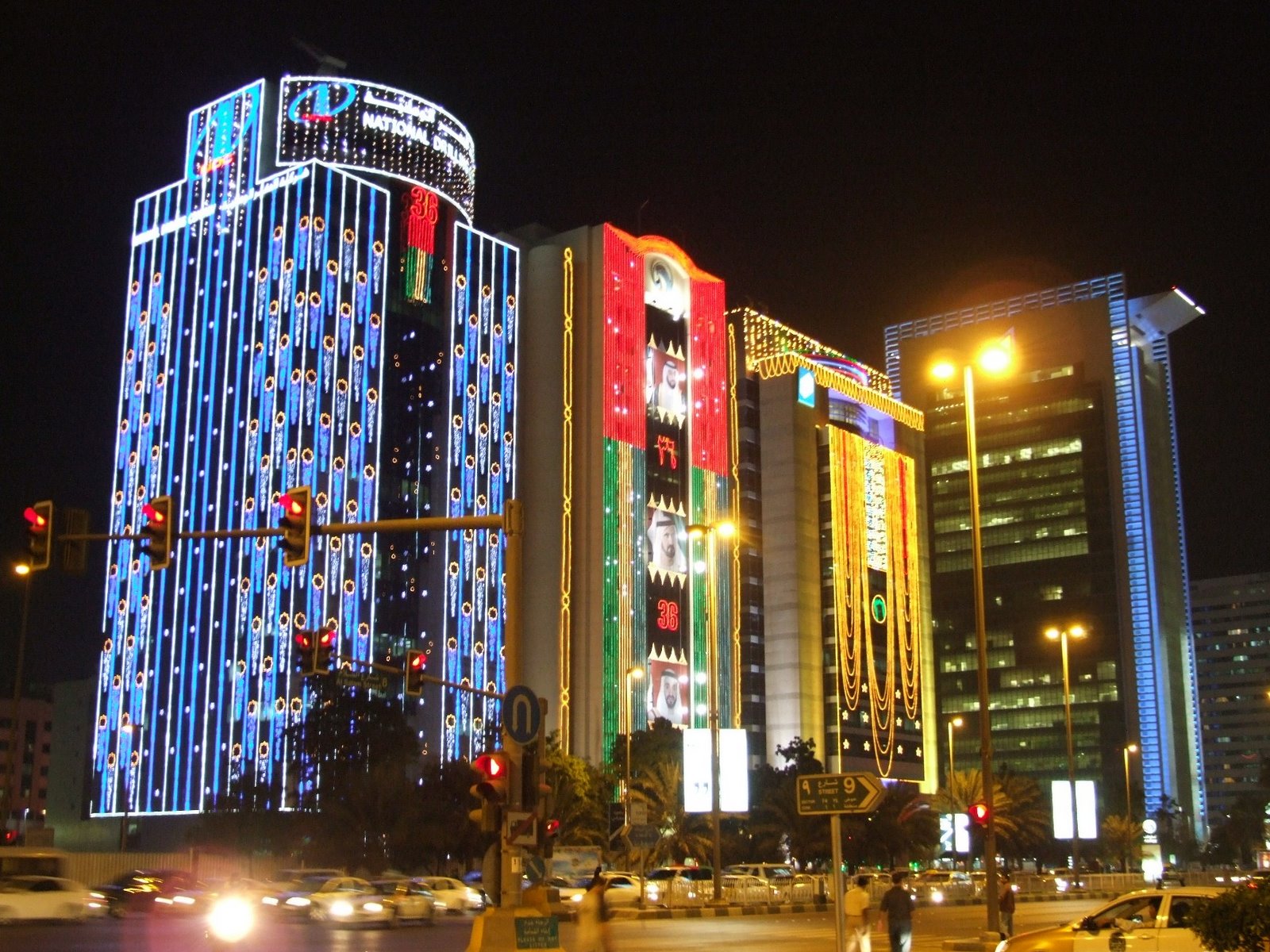
Buildings at Salam Street
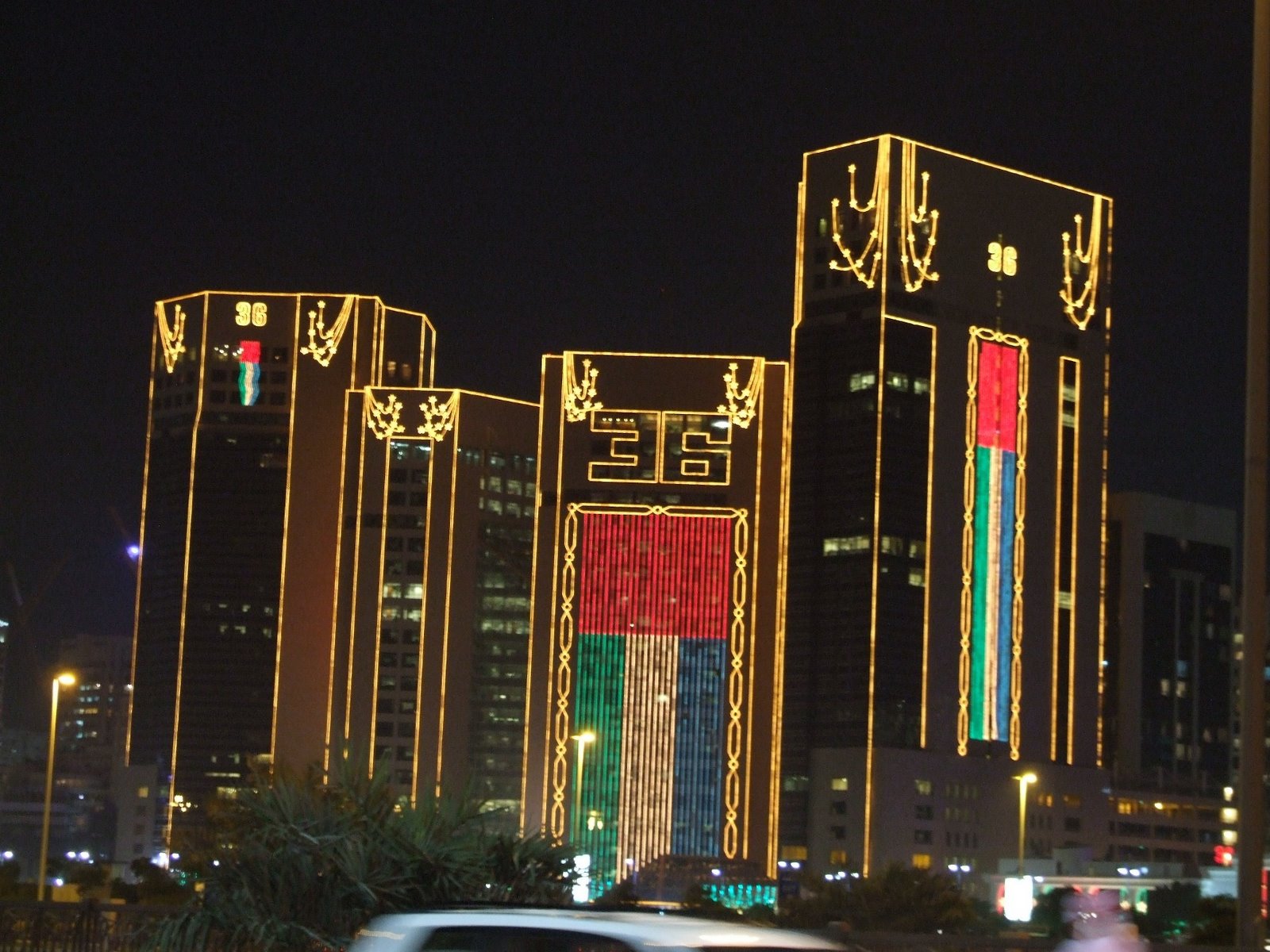
Sheikh Khalifa Energy Complex buildings
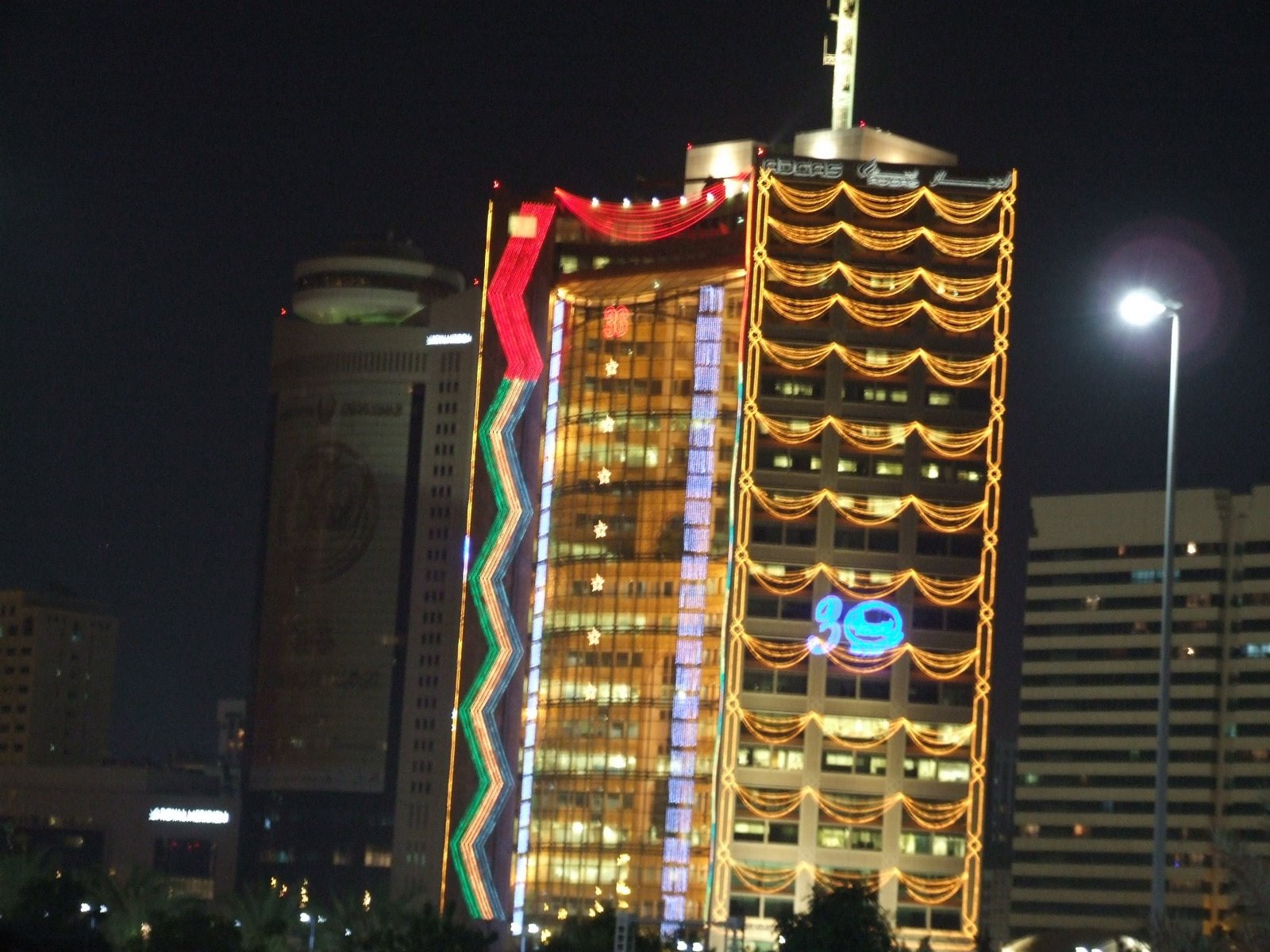
ADGAS and ADMA-OPCO building
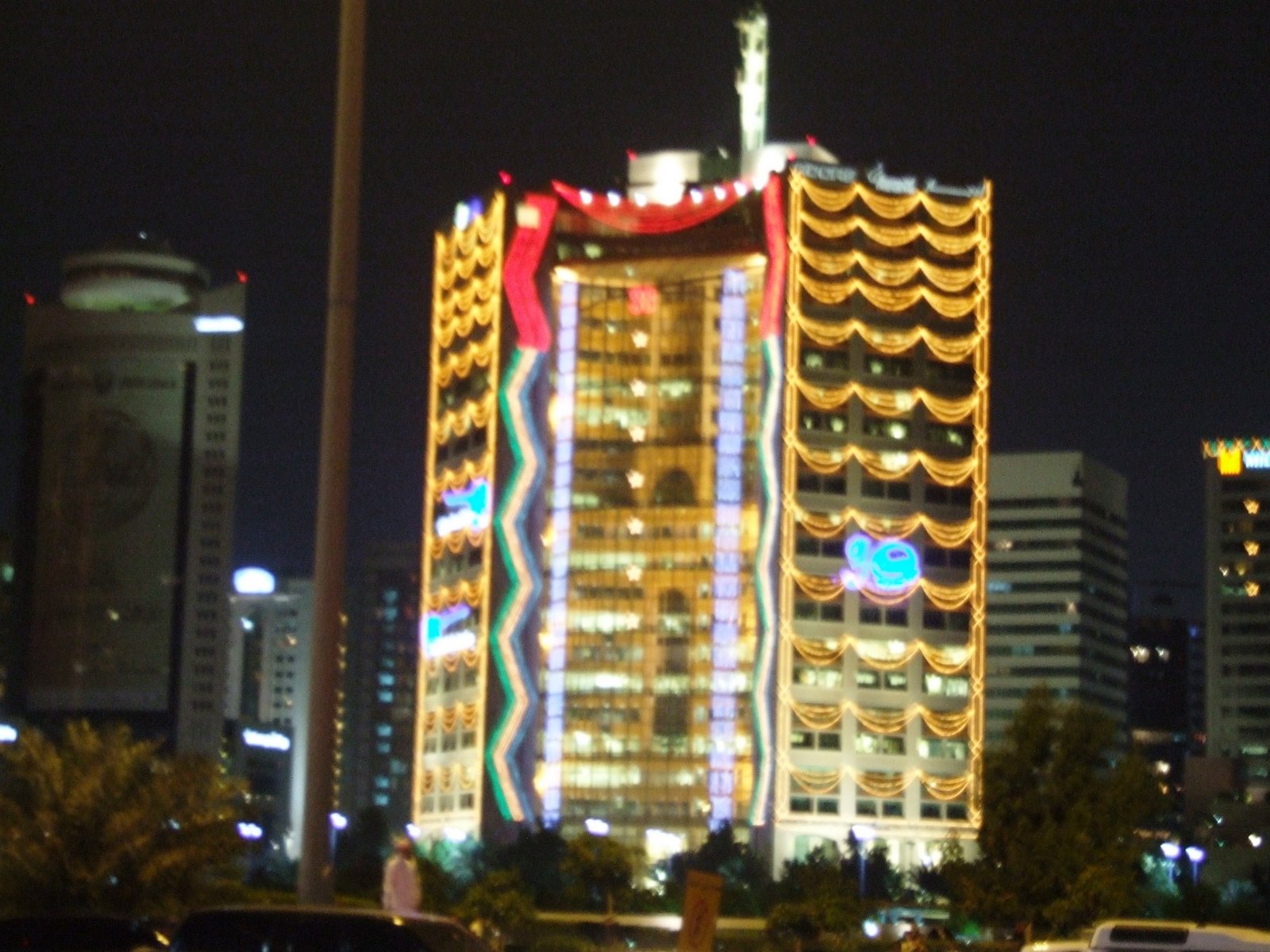
ADGAS and ADMA-OPCO building

Chamber of Commerce building
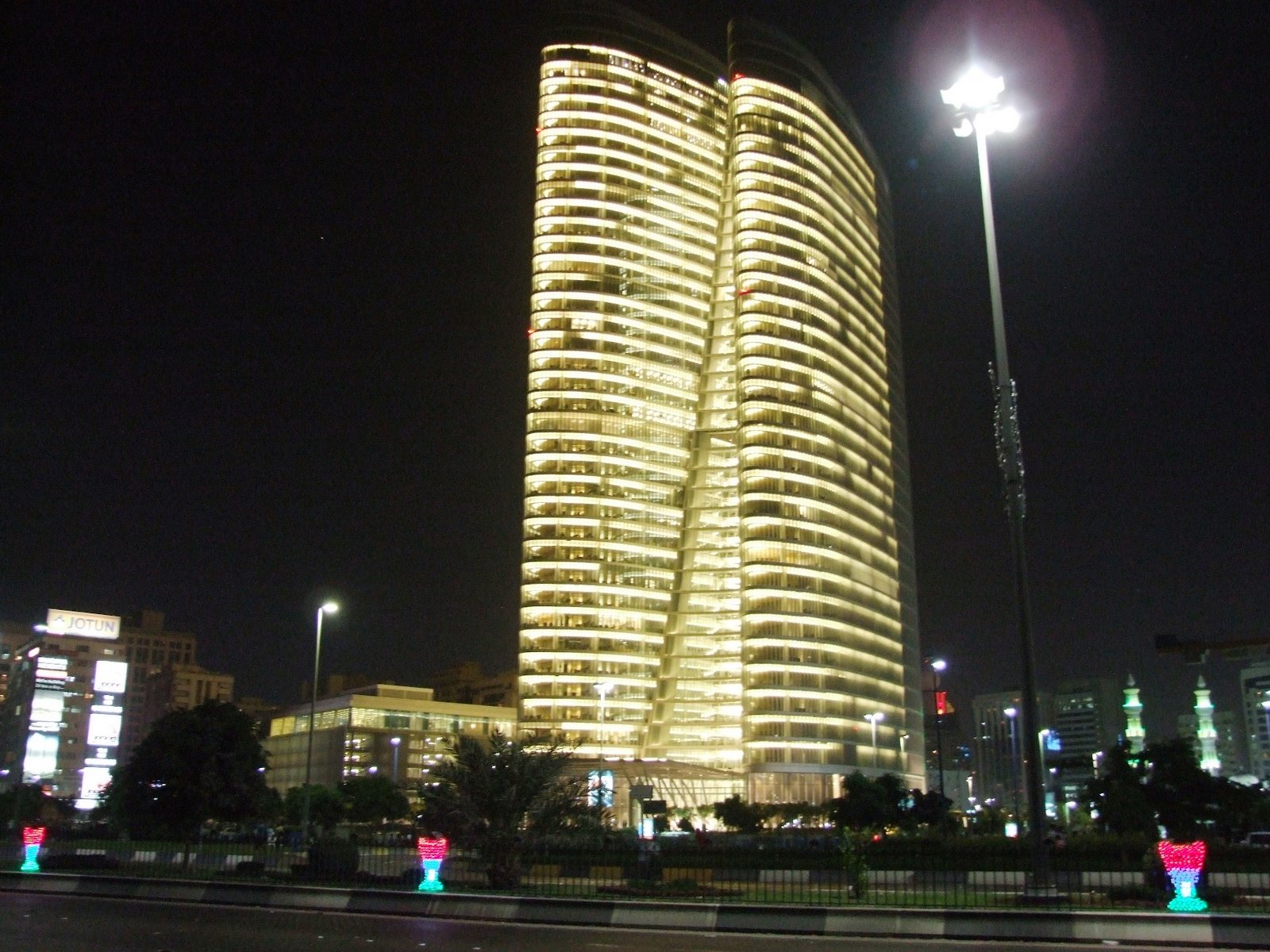
ADIA building
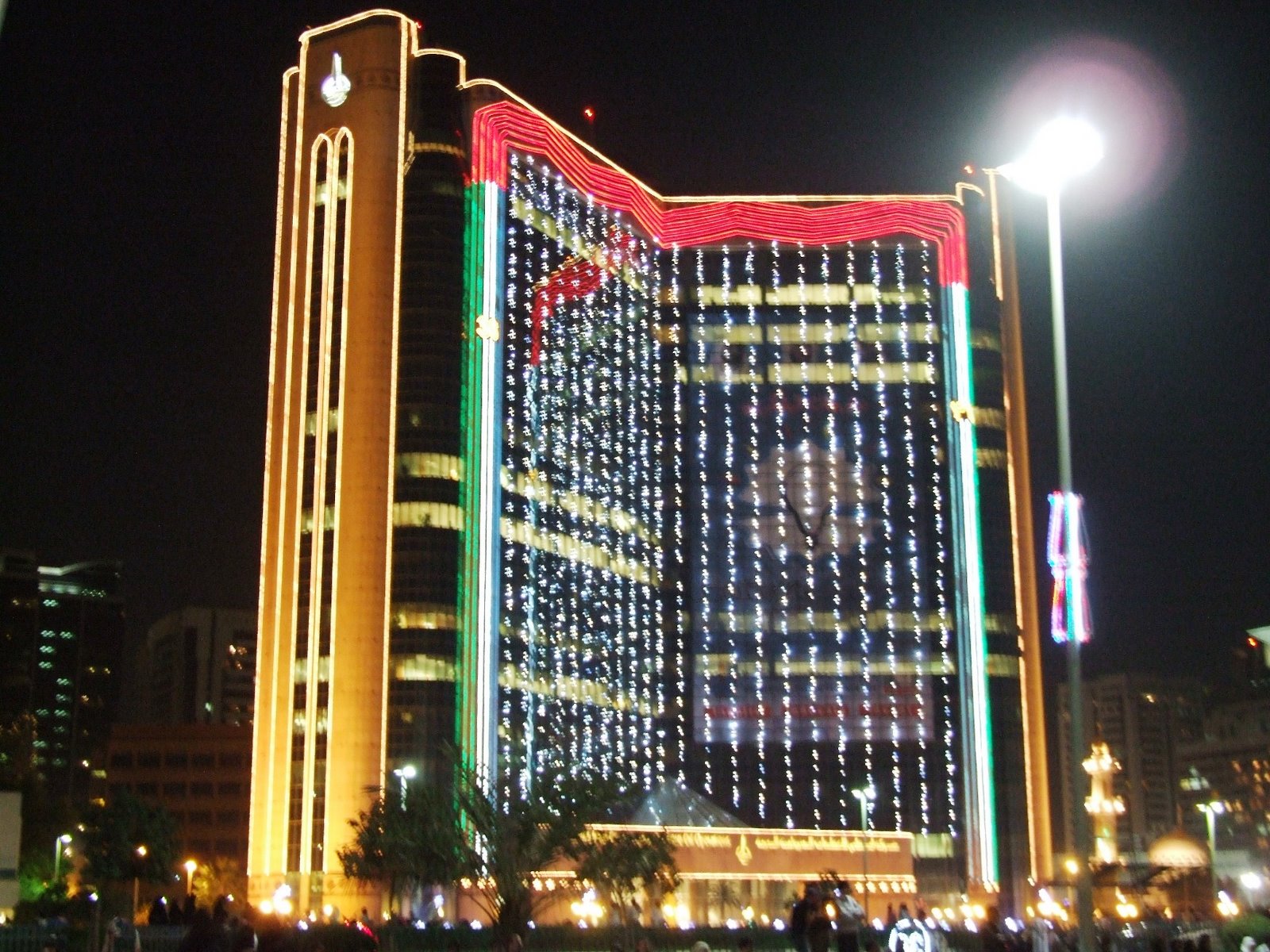
ADCO Building
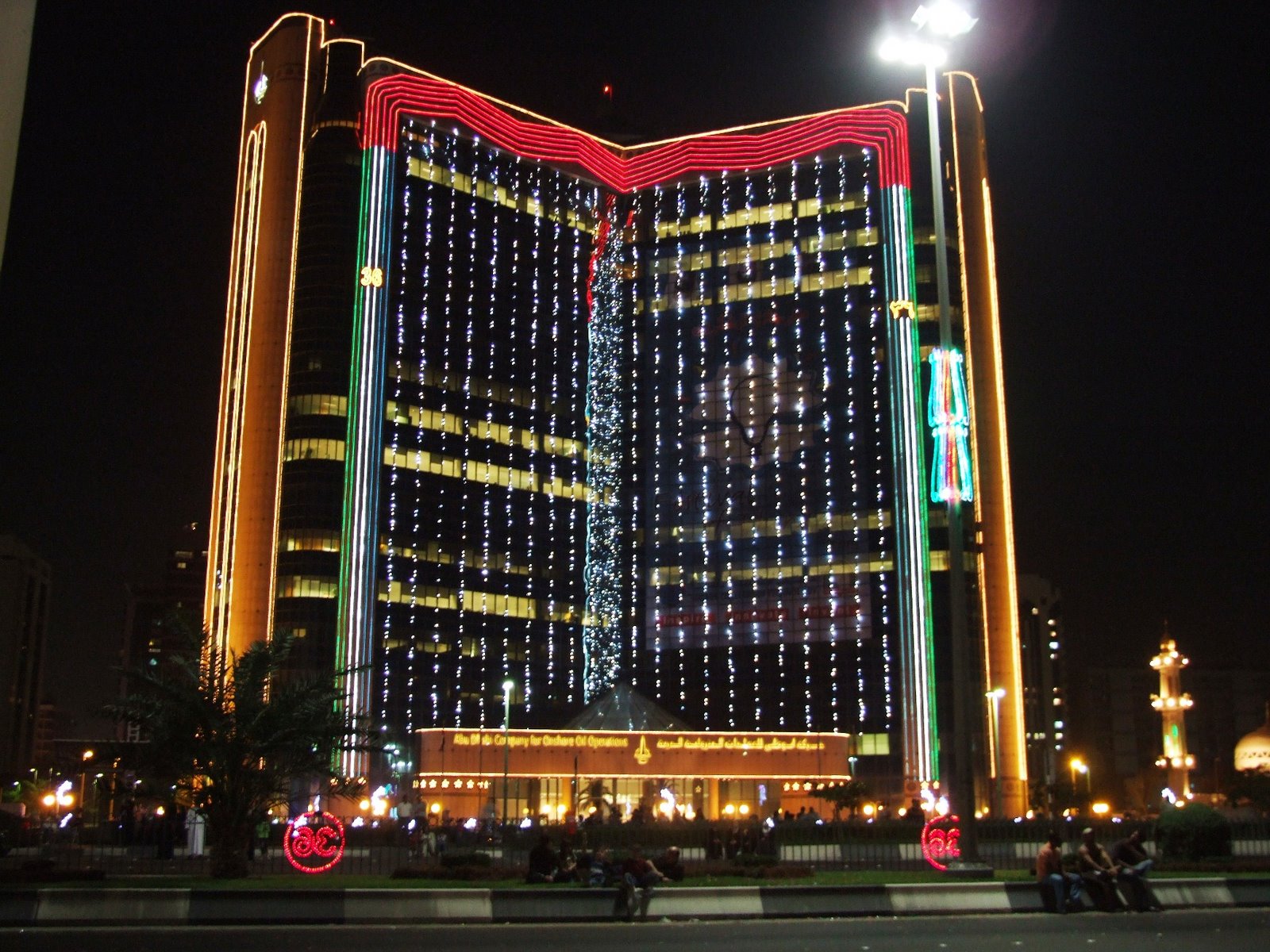
ADCO Building
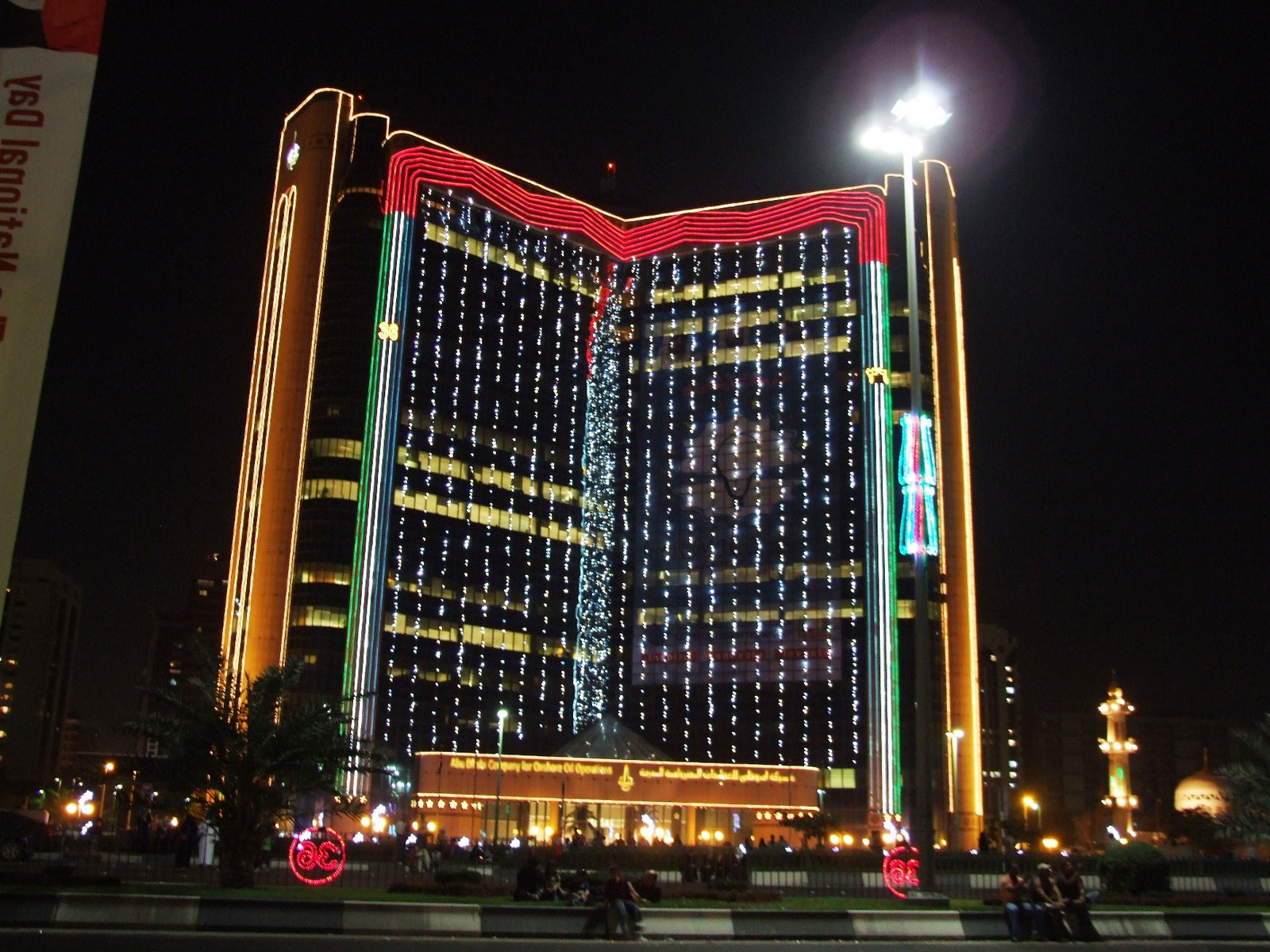
ADCO Building
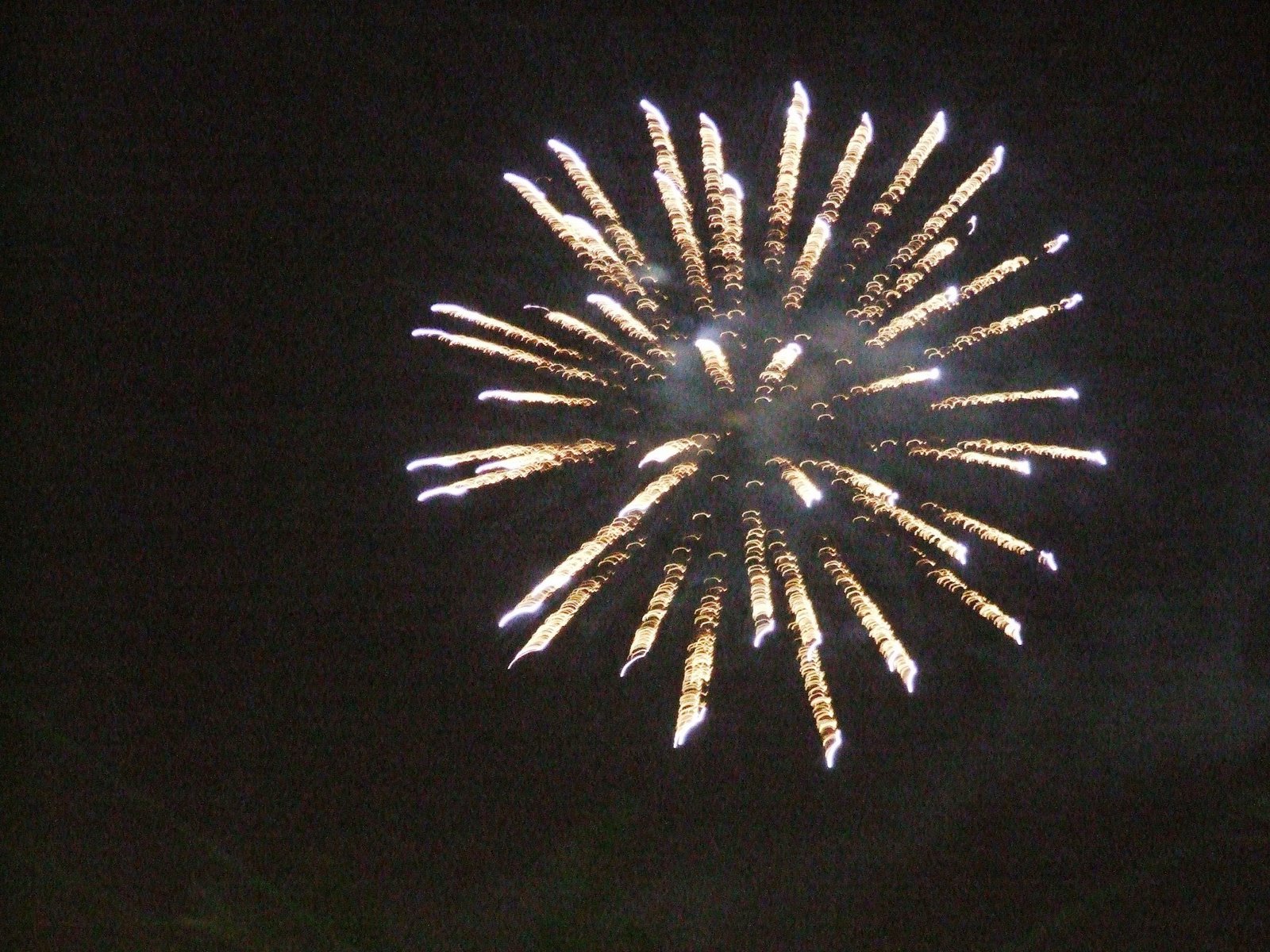
Fire works at Abu Dhabi Corniche
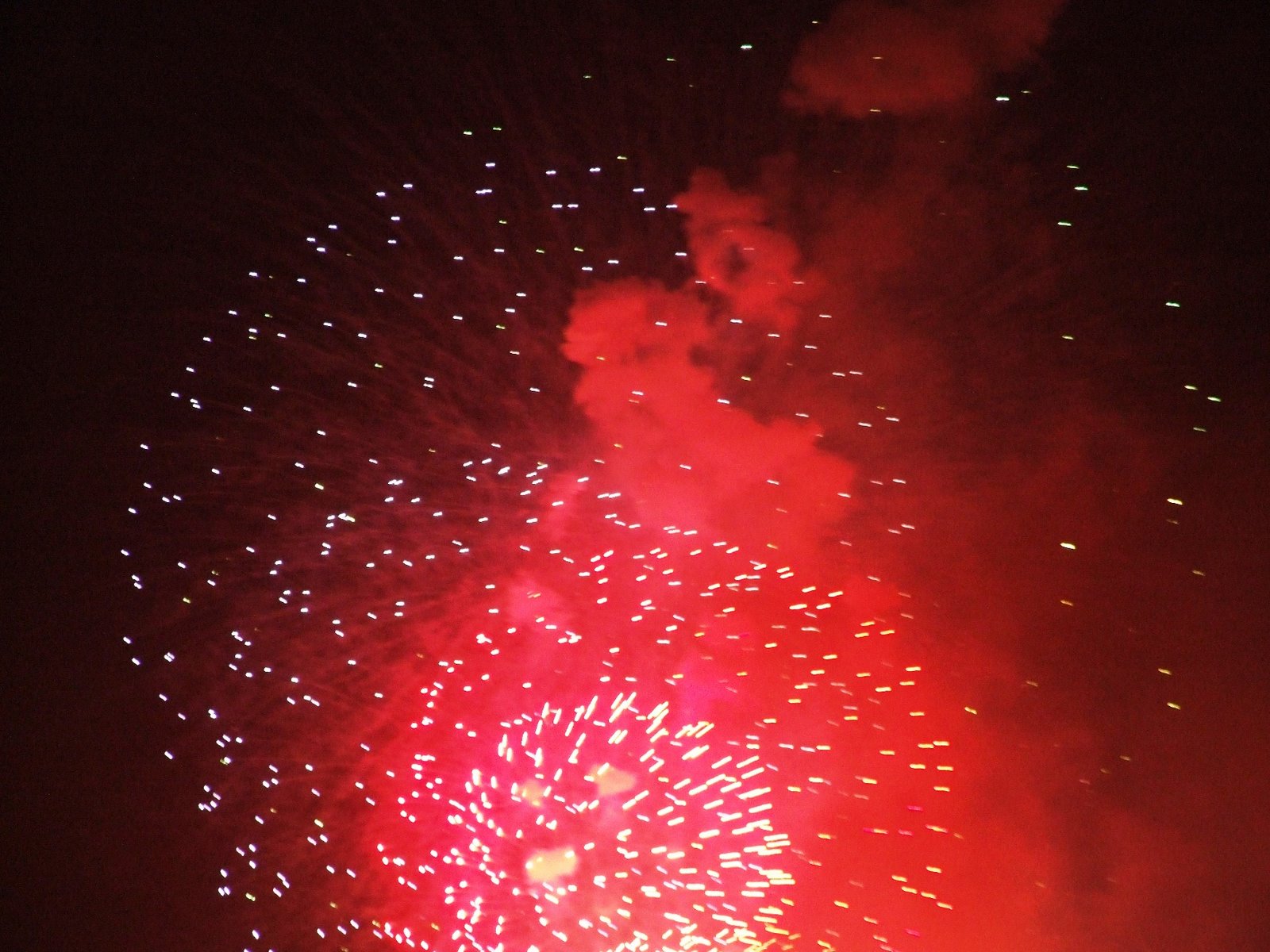
Fire works at Abu Dhabi Corniche
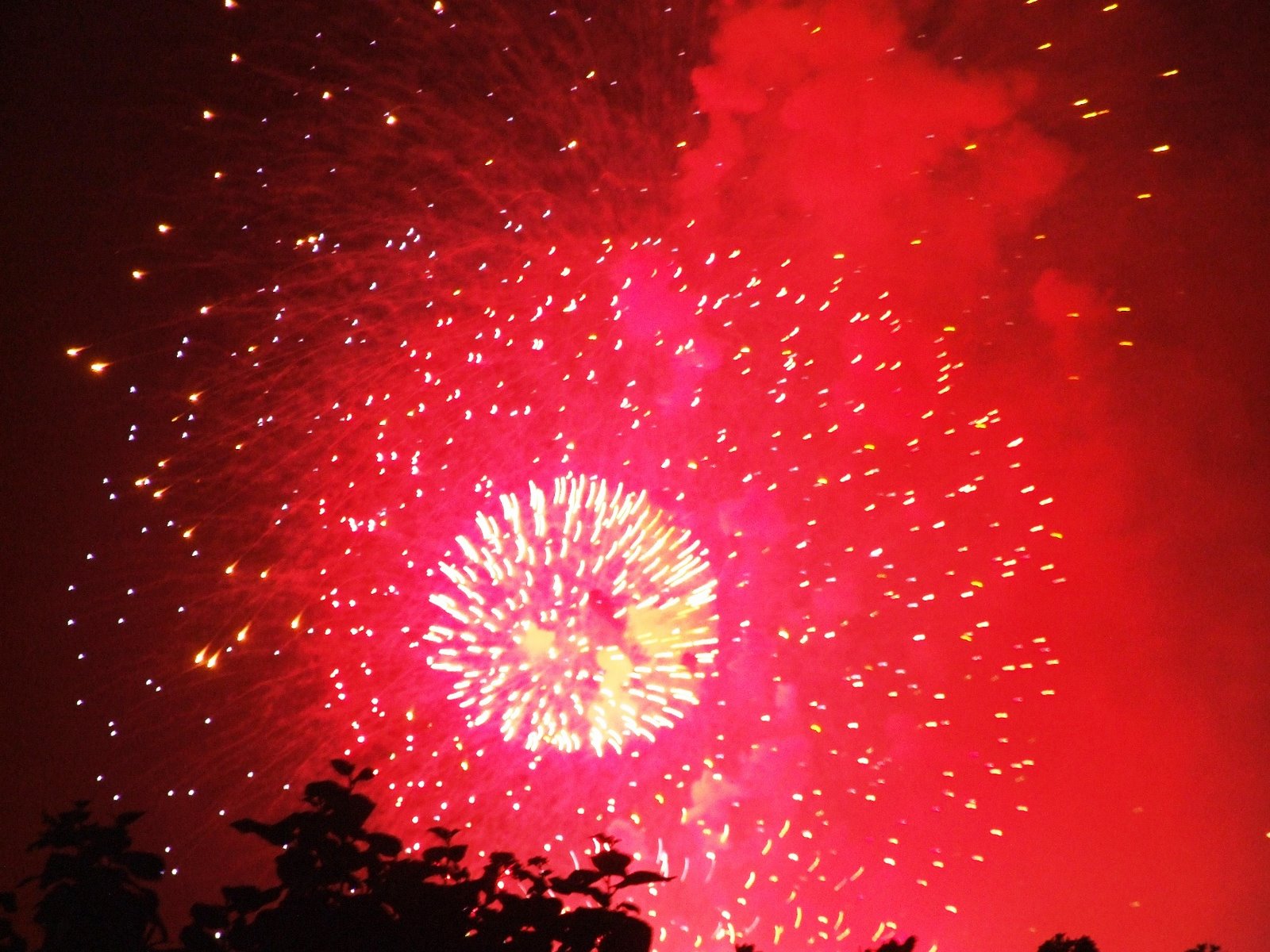
Fire works at Abu Dhabi Corniche
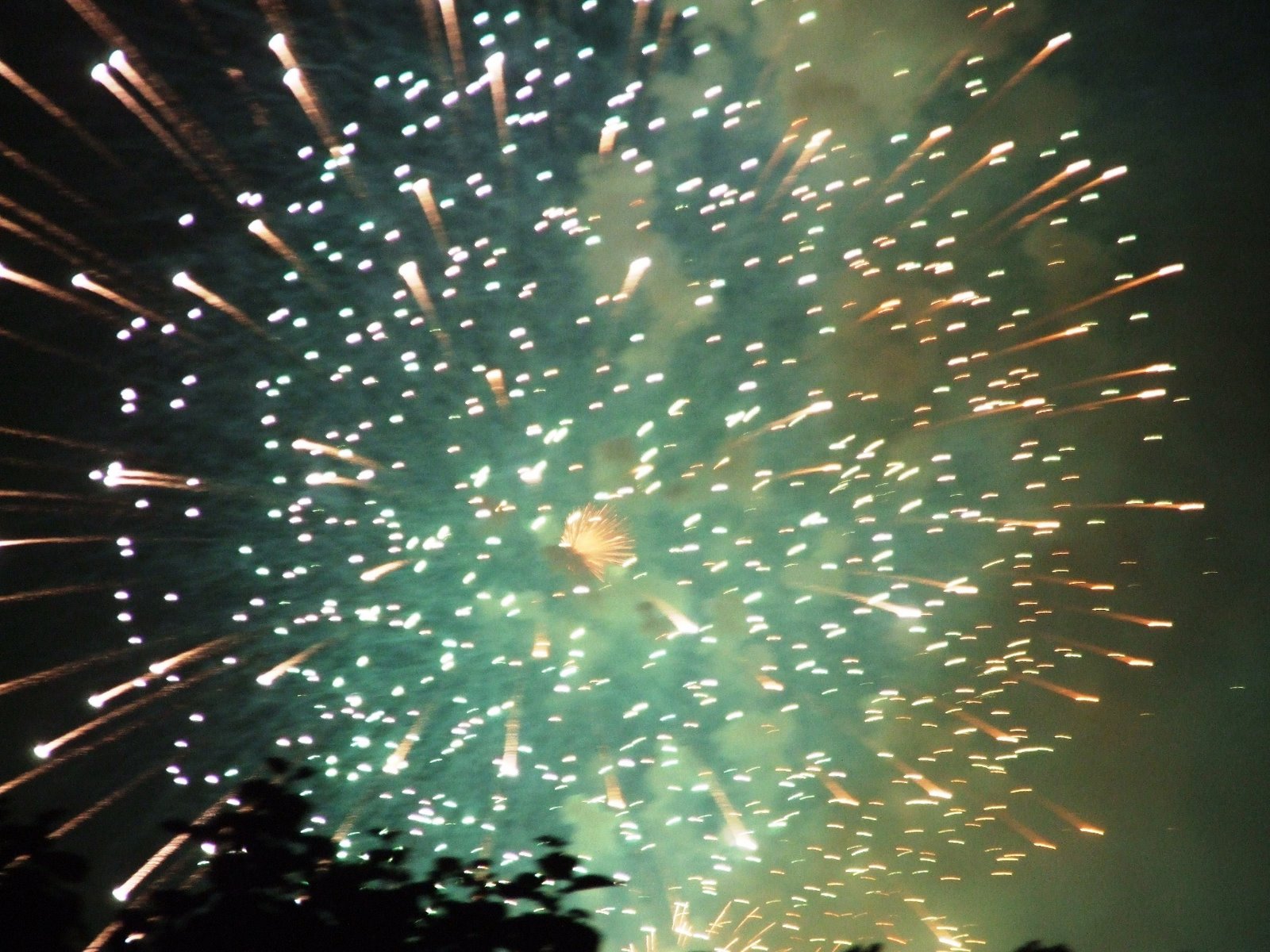
Fire works at Abu Dhabi Corniche
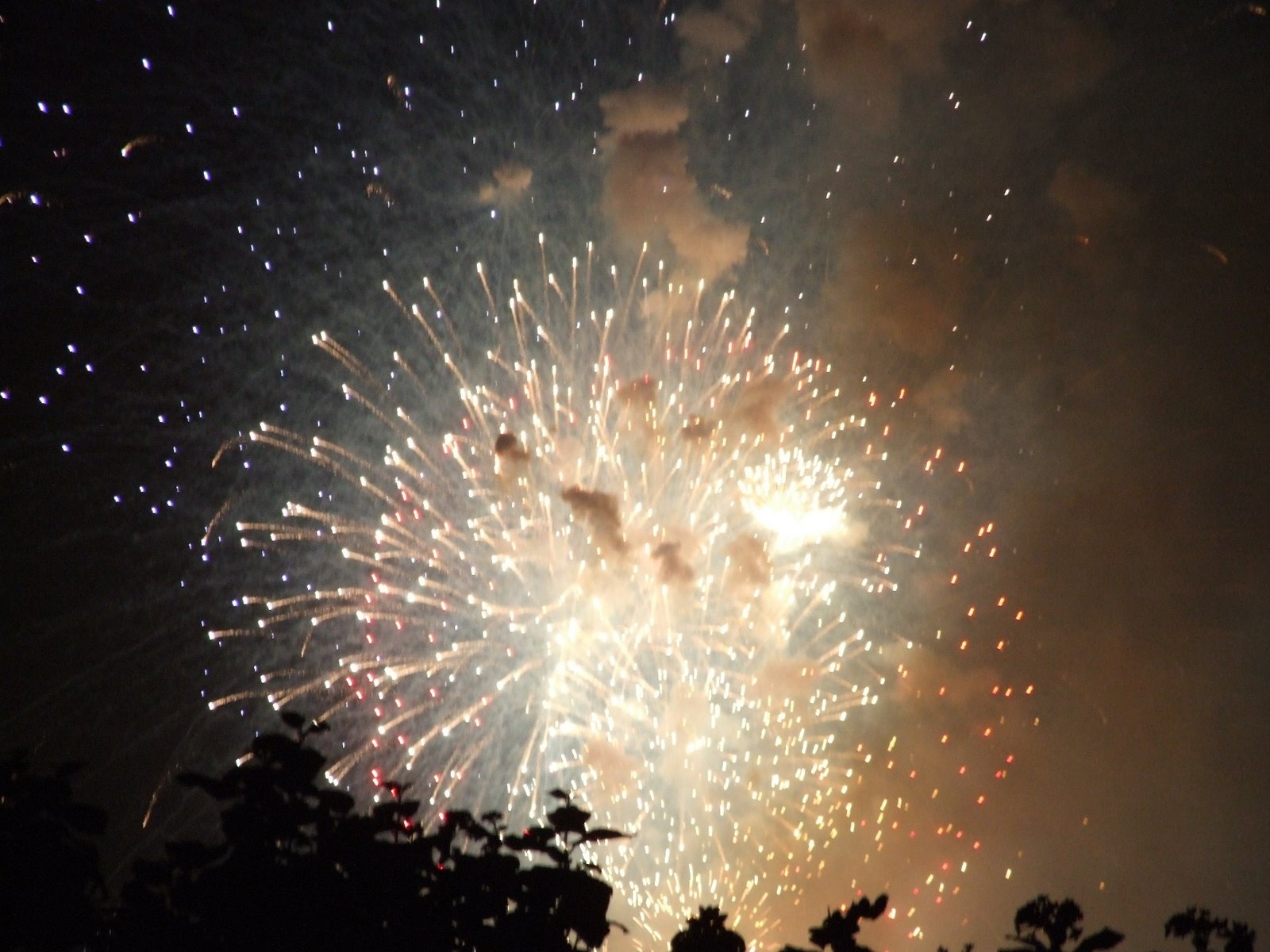
Fire works at Abu Dhabi Corniche
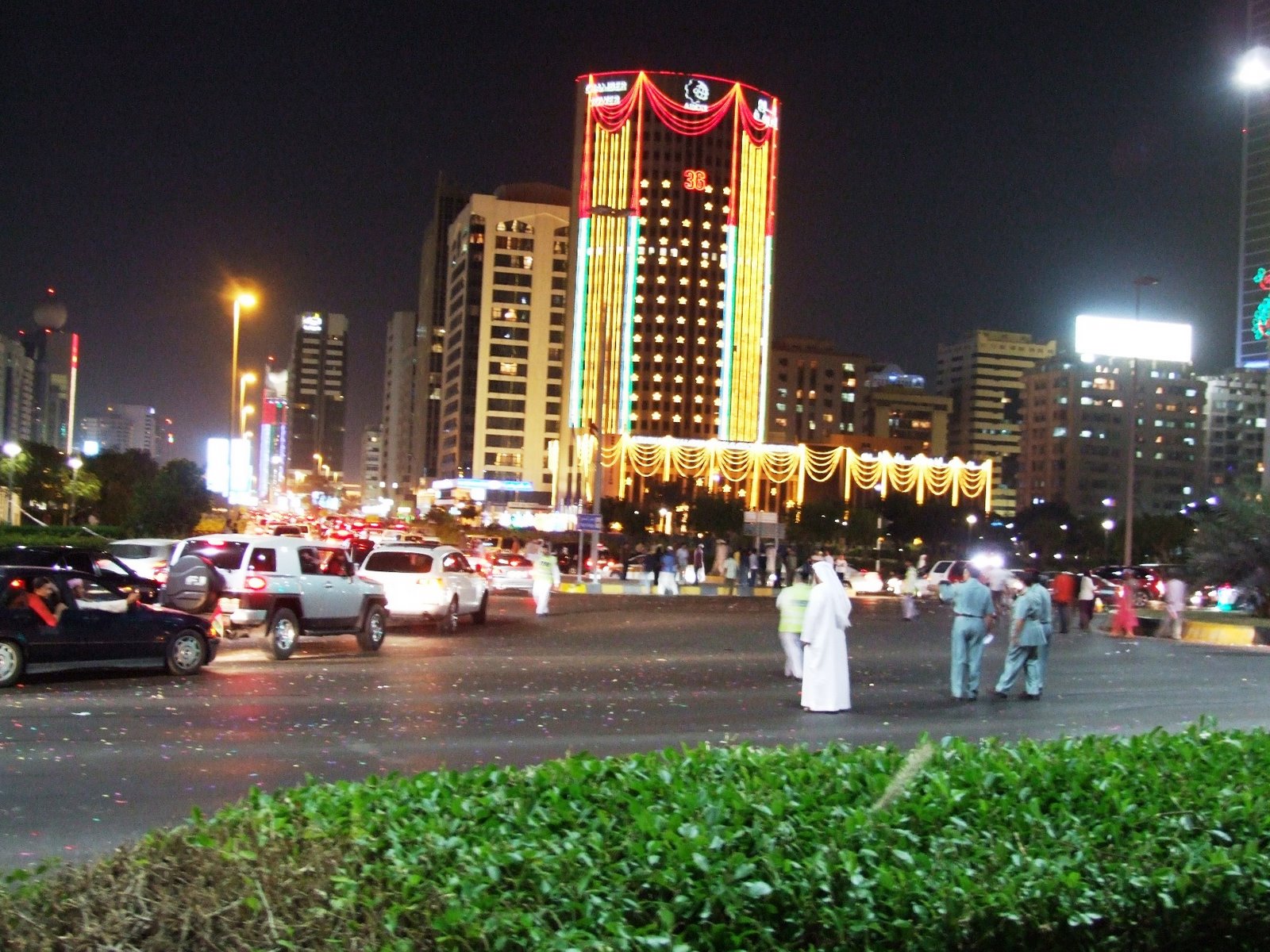
Traffic controlled by the authorities in Corniche Street
Health Tips – Sore Throat……
A sore throat can really get you down, so here are a few things you can use to take away the suffering.
Vinegar can ease the pain. Any type will do but wine vinegar or cider vinegar may taste better. Put a teaspoon of vinegar in a glass of water. Gargle, then swallow. Do this 3 times a day until things are on the mend.
Put some warm water in a glass and mix with some salt. Put in your mouth and gargle and spit out. Don’t swallow. This should get rid of the soreness.
Take a few almonds and mix them with a couple of teaspoons of honey. Sit down and eat away. This will give the pain of a sore throat nothing to moan about. Honey is a natural pain killer, so are almonds. The almonds will also help to relieve the inflammation.
Hope that one of these ideas will bring you some relief.
Health Tips – Snake Bite
Treatment:
* Keep the victim calm and still.
* Keep the affected area below the level of heart, so as to contain venom locally.
* Wash hands thoroughly or put on the latex gloves before attending the wound.
* If the bite is not bleeding, wash the wound well with mild soap and water and pat dry with clean swabs or other non-fluffy material.
* If the bite is actively bleeding, control the bleeding by applying direct pressure with a clean and dry cloth until the bleeding subsides.
* Remove any of the constricting items.
* Lightly compress the limb above the wound with a roller bandage.
* Immobilise the injury, immobilise an injured arm with a sling and an injured leg by binding it to the injured leg.
* If the patient stops breathing, be ready to resuscitate if needed.
* Observe the bite for signs of infection (increasing skin redness, swelling) and other vital signs (temperature, pulse, rate of breathing, blood pressure).
* If the area around the wound begins to swell and change colour, the snake was probably poisonous.
* Get medical help as soon as possible.
Warning
* Do not apply ice or a cold pack to snakebite because cold can cause the venom to spread further.
* Do not apply a Tourniquet such as a belt, necktie or cord.
* Do not slash the wound with a knife.
* Never try to suck the venom orally.
* Patient should never be put to strenuous physical exercises.
* Site of the bite should not be raised above the heart level.
* No stimulants or pain medicators should be taken without the prescription of the doctor.
* Removal of the dressing/elastic wraps to be avoided until you are at a facility ready and able to administer antivenom.
* Do not eat or drink unless told by the doctor.
Prevention
* Do not thrust hands or feet into any areas if you cannot see into the area.
* Avoid playing or picking up any snake unless you are properly trained.
* Wear long pants and boots if possible while hiking into an area known to have snakes.
* If given adequate warning, snakes will avoid coming near to you. Hence before entering an area with an obscured base, tap ahead with a walking stick.
36th UAE National Day Celebrations
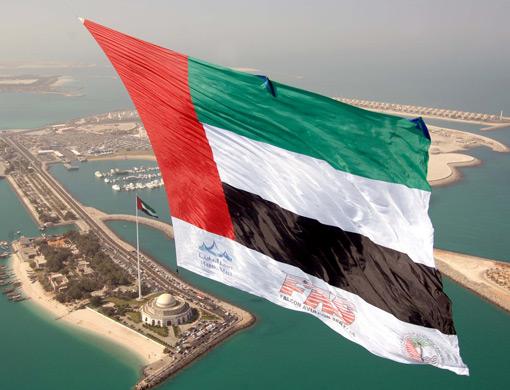
The world’s largest aerial banner takes to the skies above Abu Dhabi
Largest ever aerial banner flies over Abu Dhabi
Agencies Published: December 02, 2007, 15:23
Abu Dhabi: A new world record was set on UAE National Day as a UAE flag measuring 50,000 square feet flew over Abu Dhabi, forming the largest aerial banner ever flown.
The banner was towed by helicopter and was clearly visible from up to 20 kilometres away.
The route was specifically designed to take the flag right across the capital making it visible to virtually the entire population of the city of Abu Dhabi.


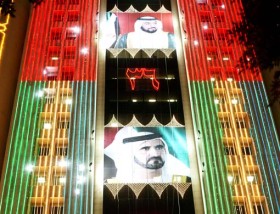
A building on Salam Street in Abu Dhabi is illuminated with the UAE flag and portraits of Shaikh Khalifa, Shaikh Mohammad and General Shaikh Mohammad Bin Zayed Al Nahyan.
Emaar EC signs MoU with Saudi Total to set up lubricant plant
BY OUR CORRESPONDENT
KHALEJ TIMES 2 December 2007
JEDDAH — A lubricant products plant is to be set up in the King Abdullah Economic City (KAEC) for which Emaar, the Economic City (Emaar. E.C.), has signed a memorandum of understanding (MOU) with Saudi Total Lubricants Company (SATLUB) to lease land in the industrial zone of KAEC.
Emaar, the Tadawul-listed company is developing King Abdullah Economic City, the largest private sector-led mega project in the region
SATLUB will manufacture and market the entire range of lubricants and specialty products for the automotive, industrial and marine sectors within the Kingdom and for future exports under the Total brand.
The state-of-the-art plant will be commissioned in two years and will be the most modern blending plant using fully automated technologies. The initial production capacity of the plant will be 35,000 MT of finished products per year, with the potential for capacity expansion.
Located in the KAEC Industrial Zone, the plant will be the first lubricant facility of Total in Saudi Arabia. Total is one of the world’s leading oil and gas companies, and marks the evolution of KAEC as a prime driver of the manufacturing sector of the Kingdom. SATLUB is a joint venture of Total and Al-Zahid Group, a diversified Saudi group.
Dr. Abdulraouf Mannaa, managing director and CEO, Emaar E.C. signed the MOU with Jacques Souplet, Total’s regional director, Middle East and Central Asia.
Shell and Occidental Petroleum vie for multi-billion dollar project
Shell and Occidental Petroleum vie for multi-billion dollar project(Reuters)9 November 2007
DUBAI —Royal Dutch Shell and U.S. Occidental Petroleum are the front-runners to win a multibillion-dollar project to develop sour gas reserves in the United Arab Emirates, industry sources said yesterday.
The project is one of the biggest this year available to international companies competing for limited access to the Middle East’s oil and gas fields.
“Shell and Oxy are still in the race,” said one industry source. “They’re in a sort of final within a final. It may be one or the other that wins, or they may work together.”
Shell and Oxy have the edge over the other two bidders for the project, US majors Exxon Mobil and ConocoPhillips, sources said. The four companies submitted bids to state-run Abu Dhabi National Oil Company (Adnoc) in August.
Adnoc was expected to decide on the winner of the project by the end of the year, a source at an oil major said.
Adnoc officials contacted by Reuters declined to comment.
Once a winner is selected for the project, Adnoc was expected to move ahead quickly as it needs to bring online new gas supplies to meet spiralling domestic demand.
Record oil revenues have fuelled economic expansion and boosted demand for gas from the power sector and heavy industry in the United Arab Emirates.
The winner will take a 40 per cent stake in the project, while Adnoc will hold the rest.
The bidding round was the second for the sour gas reserves after the UAE revised the terms of its initial tender in April that also included the Bab field.
The project to develop both fields had an estimated cost of around $10 billion. It is not clear what the cost of developing the Shah field alone will be.
The complexity of developing both fields led Abu Dhabi to split the tender. The UAE has said the Bab field would be developed later.
The UAE holds the world’s fifth-largest gas reserves at nearly 214 trillion cubic feet and is the world’s sixth-largest oil exporter.
The gas has a content of around 30 per cent of potentially deadly hydrogen sulphide, making it tougher to produce than conventional gas reserves.
- ← Previous
- 1
- …
- 12
- 13
 ClicksandWrites