Sharjah City for Humanitarian Services Celebrates World Down Syndrome Day
Sharjah City for Humanitarian Services Celebrates World Down Syndrome Day
Sharjah City for Humanitarian Services (SCHS), a non-profit organization located in the United Arab Emirates celebrates World Down Syndrome Day on 21 March every year.
This date (21/3) is symbolic for the 3 copies of chromosome 21, unique to people with Down syndrome. The aim of the World Down Syndrome Day celebration is to promote awareness, understanding, seek international support, and to achieve dignity, equal rights, and a better life for people with Down syndrome globally.
SCHS’s Al Wafaa School for Developmental Training decided to organize activities during the week of 21/3. Activities include sports at Al Thiqa Club for the Handicapped and Sharjah Ladies Club in which SCHS’s Down Syndrome students will participate. On Monday, March 21st, Dr. Latifah Rashied, Nutritionist at Al Qasimi Hospital, will provide a lecture to mothers of Down Syndrome children regarding healthy food. In addition, Dr. Eman Kashif, a Social Worker from Egypt, will provide a lecture regarding socialization in relation to Down Syndrome.
On Tuesday, 22nd, Dr. Eman will provide consultation to mothers of Down Syndrome children in private sessions. The sessions will take place in Parents of the Disabled Association. The week will be concluded by 24 of SCHS’s Down Syndrome students participating in a football match between Sharjah team and Al Ain team. Students from SCHS will accompany players when entering the field. The match is sponsored by National Soil Investigation and Bldg Materials Lab, Al-Romaizan for Gold & Jewellery, Al Thiqa Club for the Handicapped, and Parents of the Disabled Association.
Mrs. Mona Abdel Kareem, Head of SCHS’s Al Wafaa School for Developmental Training, considers this celebration a reminder of the importance of providing community assistance to this community. After all, it is a joint responsibility. She advices experts who work in hospitals and private clinics of the importance of benefitting the public in a scientifically positive fashion. They should focus on the mothers who have given birth to Down Syndrome babies in order to avoid trauma and its negative effects. This is to be done by giving parents accurate information about the condition of their infants. The positive effects of early intervention should be emphasized as well. Specialists must work diligently in order to help parents overcome this difficult time.
Mrs. Mona Abdel Kareem mentioned that the vital role of the community in raising Down Syndrome children with in a strong familial environment. The initial acceptance into society for children with Down Syndrome should begin with the medical crew who should try to instill the importance of parents accepting their child’s condition. The next step is to provide families with accurate and up to date information regarding the Down Syndrome. Parents should be aware of the significance that early intervention and a proper education can do to improve the quality of life for a child with Down Syndrome . These children need a great amount of care and passion. In this way they will develop socially, emotionally, and linguistically. In addition, they will learn how to become more independent. Moreover, the members of the community must respect the feelings of these families. The general view towards the disabled has become better over time due to the cooperation between various institutions.
Children with down syndrome tend to be compassionate and obedient, and often allows for much of the community to be compassionate towards them. If they receive the proper attention, they have the capability to learn. “Our children are persistent, innovative, and capable when the circumstances are optimal” said Mrs. Mona Abdel Kareem.
She advised mothers of the disabled not to be remorseful or embarrassed by their children. They should educate themselves by reading books and surfing the net for the latest information about Down Syndrome. Creating and maintaining communication with other families that have Down Syndrome children is very important in lessening the psychological burden imposed by disability. Recent researches show the social and psychological characteristics of children with Down Syndrome prove that children with Down Syndrome are often social, tender, merry, and have repetitive mannerisms. They are shy in front of visitors.
Individuals with Down syndrome may vary significantly in terms of physical and psychological characteristics. The list of possible characteristics however should not obscure two important facts: clearly individuals with Down syndrome are first and foremost people who have similar needs, desires, and rights as others; and, the effects of intensive interventions with young Down Syndrome children are only now being evaluated, but also making many historical descriptions of Down Syndrome no longer accurate. Some of the physical characteristics observed in persons with Down Syndrome include the following: the back of the head is often flattened, the eyelids may be slightly slanted, small skin folds at the inner corners of the eyes may be present, the nasal bridge is slightly depressed, and the nose and ears are usually somewhat smaller. In the newborn there is often an excess of skin at the back of the neck. The hands and feet are small and the fingerprints are often different from chromosomally normal children. Individuals with Down syndrome have loose ligaments and their muscle strength and tone are usually reduced. If the ligaments between the first two neck bones are loose, there may be a condition referred to as Atlanto-Axial Instability. About one-third of children with Down syndrome have congenital heart disease. Other congenital defects such as blockage in the bowels and cataracts, although rare, may also be present. Hearing deficits, visual problems, and thyroid dysfunction are also often observed in persons with Down syndrome.
Sharjah City for Humanitarian Services (SCHS) is a non-profit organization located in the United Arab Emirates who aims at providing education, advocacy, and independence for people with disabilities under the General Directorship of Sheikha Jameela bint Mohammed Al Qasimi. To know more about it, please visit http://http://www.schs.ae/
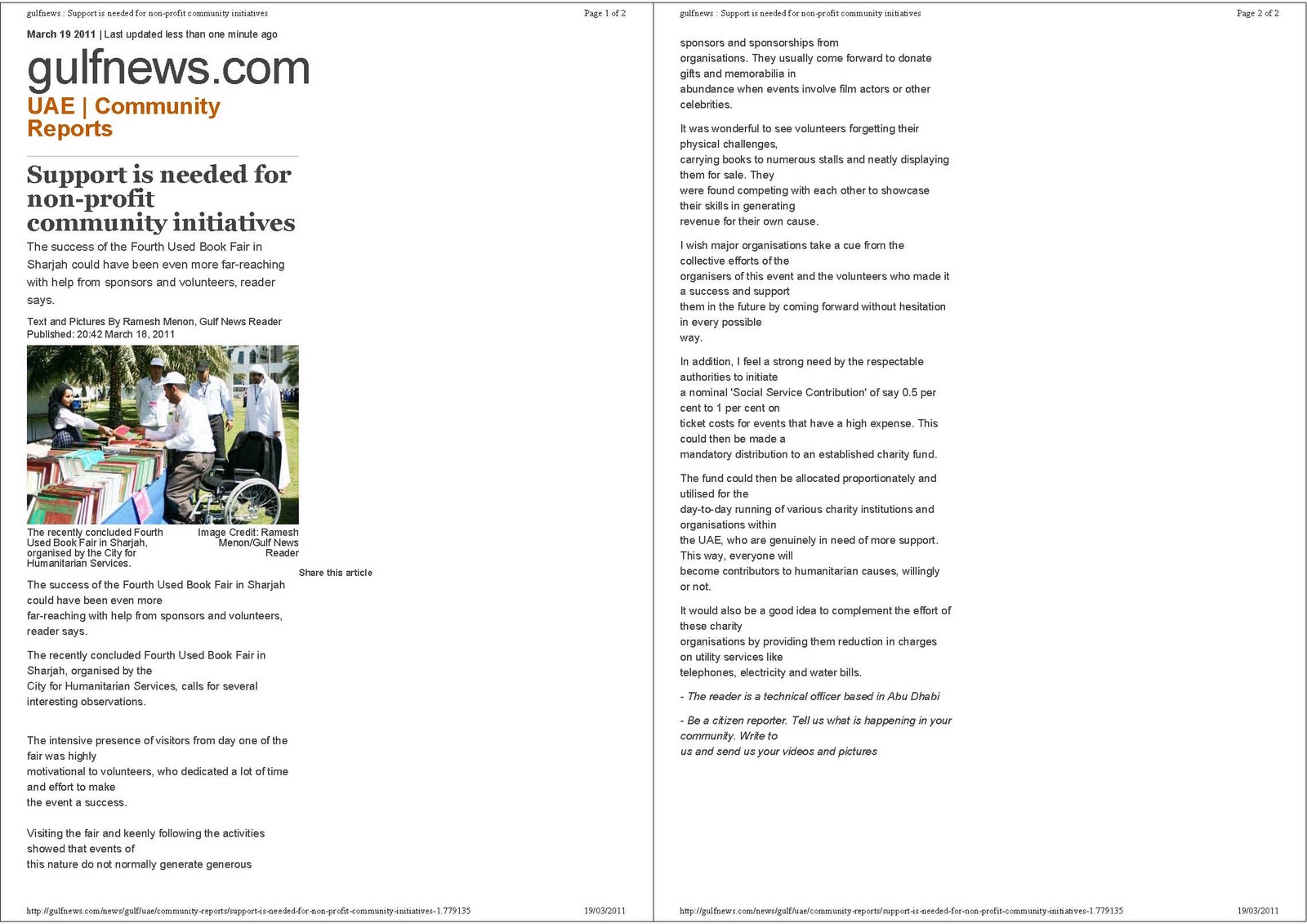
Community Report – Gulf News Dt. 19.03.2011 – Support is needed for non-profit community initiatives
The success of the Fourth Used Book Fair in Sharjah could have been even more far-reaching with help from sponsors and volunteers, reader says.
The recently concluded Fourth Used Book Fair in Sharjah, organised by the City for Humanitarian Services, calls for several interesting observations.
The intensive presence of visitors from day one of the fair was highly motivational to volunteers, who dedicated a lot of time and effort to make the event a success.
Visiting the fair and keenly following the activities showed that events of this nature do not normally generate generous sponsors and sponsorships from organisations. They usually come forward to donate gifts and memorabilia in abundance when events involve film actors or other celebrities.
It was wonderful to see volunteers forgetting their physical challenges, carrying books to numerous stalls and neatly displaying them for sale. They were found competing with each other to showcase their skills in generating revenue for their own cause.
I wish major organisations take a cue from the collective efforts of the organisers of this event and the volunteers who made it a success and support them in the future by coming forward without hesitation in every possible way.
In addition, I feel a strong need by the respectable authorities to initiate a nominal ‘Social Service Contribution’ of say 0.5 per cent to 1 per cent on ticket costs for events that have a high expense. This could then be made a mandatory distribution to an established charity fund.
The fund could then be allocated proportionately and utilised for the day-to-day running of various charity institutions and organisations within the UAE, who are genuinely in need of more support. This way, everyone will become contributors to humanitarian causes, willingly or not.
It would also be a good idea to complement the effort of these charity organisations by providing them reduction in charges on utility services like telephones, electricity and water bills.
– The reader is a technical officer based in Abu Dhabi
– Be a citizen reporter. Tell us what is happening in your community. Write to us and send us your videos and pictures
To read it in original, please visit GULF NEWS Online.
Short Take – Gulf Today Dt. 19.03.2011 – Nature’s wrath
Life on a Friday usually is quiet and relaxed at home, helping with family and greeting and treating occasional friends. But, Friday March 11 turned out to be a different one. Switching on the TV casually around 11 am, I was alerted about the evolving news of the tragedy happening in Japan at that moment.
Japan experienced the worst ever earthquake disaster in its modern history followed by a deadly tsunami leading to massive destruction in the northern part of the country. All happiness suddenly vanished as we watched with awe the reality happening in front of us through available TV channels transmitting the tragedy — our helplessness in front of Mother Nature on fully fury.
Boats, ships and cars were floating like they were made of paper. There was absolutely no question of human power against that rage. Every witness remained silent without knowing what to do next. All available modern technology were used to forewarn the danger to its next destination and although it saved many life from other parts, what happened in those few hours in Japan will remain forever in our mind.
Several times we, mankind boast of our knowledge and technology power. This tragedy happened like a warning to us that Mother Nature is beyond our control. Our silent prayers, sympathy and condolences are with the entire nation. Japan will recover and come back from this tragedy very fast. They have the will power and mental strength to regroup from tragedies. They have proved it before and we pray silently for all those affected to rebuild themselves and their dreams once again.
Sheikha Jameela bint Mohammed Al Qasimi Appreciates Arab Union of the Blind (AUB)
Sheikha Jameela bint Mohammed Al Qasimi, Vice President of Sharjah Family Supreme Council and Director General of Sharjah City for Humanitarian Services (SCHS) became an Honoree Member in the Arab Union of the Blind AUB.
She thanked the union for its non-profit efforts in rehabilitating, educating, and providing knowledge to the blind and visually impaired.
Dr. Khaled Ali Noaimi, Chairperson of the Arab Union of the Blind AUB, has sent a number of publications printed in Braille via Qatar embassy in the United Arab Emirates to SCHS.
AUB plans to provide publications in Braille based on a strategy which extends to 2020 and aims at educating, rehabilitating, and employing the blind and visually impaired. These publications include the Manual of Human Resources, which is a mutual cooperation between AUB and the Qatari Parliament, Criminal Law which is a mutual cooperation between AUB and District Attorney’s Office, and Labor Law in cooperation with the Qatari Ministry of Labor. According to the recommendations by AUB, SCHS has become a member in the union due to its wide reputation and great experience in humanitarian work. These negotiations took place in Morocco on 10th, January 2011.
Sheikha Jameela Bint Mohammed Al Qasimi has been chosen as an honoree member due to her insightful vision, deep experience, and determination that promises a better future for AUB.
Sharjah City for Humanitarian Services (SCHS) is a non-profit organization located in the United Arab Emirates who aims at providing education, advocacy, and independence for people with disabilities under the General Directorship of Sheikha Jameela bint Mohammed Al Qasimi. To know more about it, please visit http://http://www.schs.ae
Al Amal School for the Deaf Celebrates Traffic Week
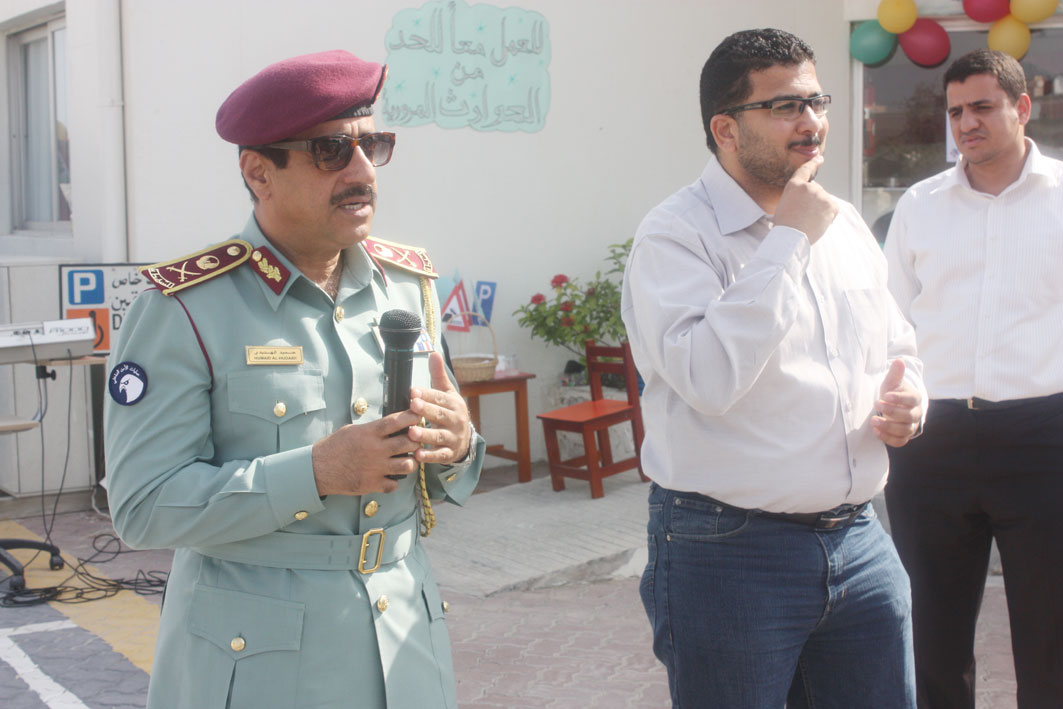
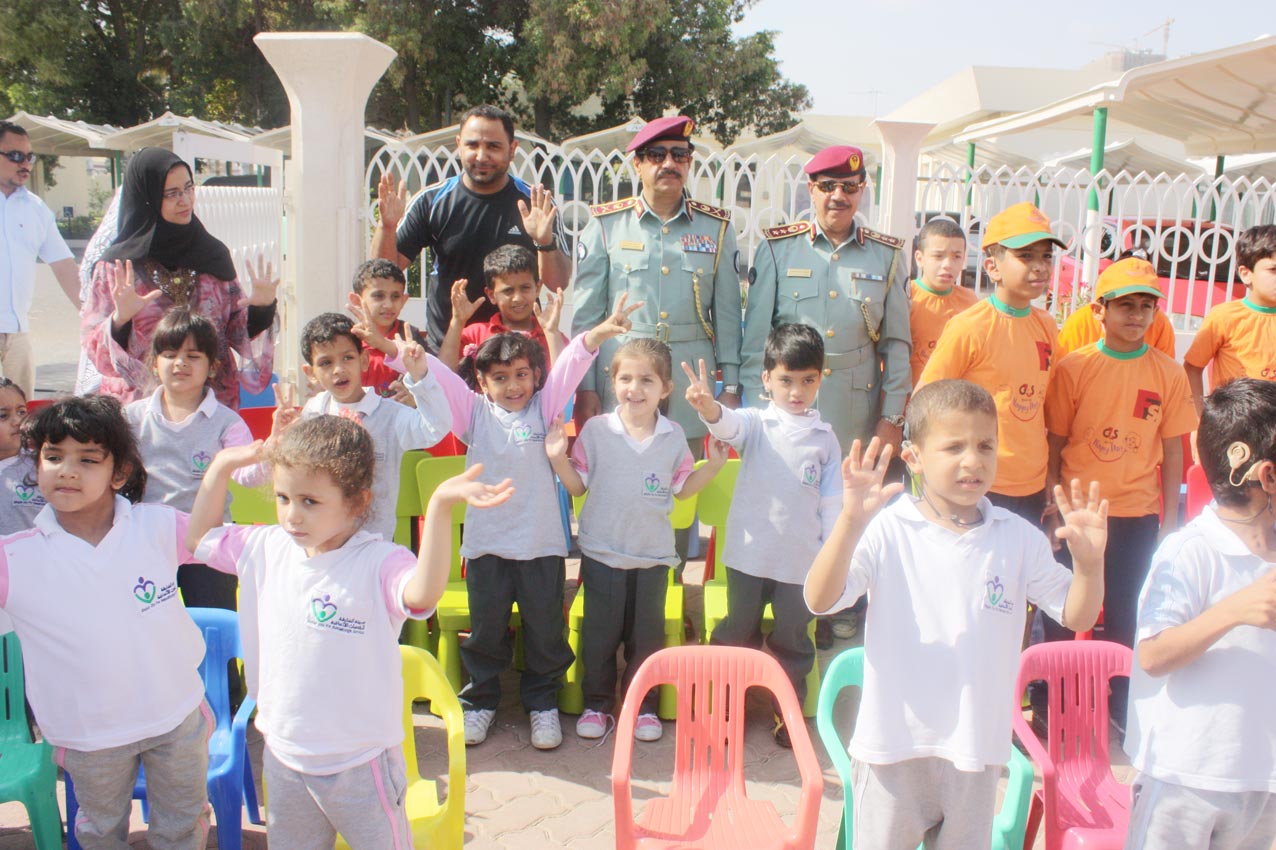
Major General Hamid Mohammed Hadidi, Head of Sharjah Police Department, is very proud to provide assistant to Sharjah City for Humanitarian Services (SCHS), a non-profit organization located in the United Arab Emirates who aims at providing education, advocacy, and independence for people with disabilities under the General Directorship of Sheikha Jameela bint Mohammed Al Qasimi.
The cooperation between Sharjah Police and SCHS is a very productive and socially relevant one.
Sharjah Police is carrying out a security program in about 21 different schools, including primary, preparatory, and high schools. At the end of the year the police department will evaluate students’ performance with the hopes of improving and implementing modifications for coming events.
Sharjah Police are working hard to educate teachers on security measures, which they in turn will explain to their students. Major General Hamid appreciates the efforts of SCHS’s Al Amal School wich has been an exceptional aid in providing the proper safety measures on roads. He said that Sheikh Sultan bin Mohammed Al Qasimi, Member of the Supreme Council and Ruler of of the Emirate of Sharjah, has given his orders to police forces to protect the lives of innocent people from tragic accidents. Major General Hamid thanked Sheikha Jameela bint Mohammed Al Qasimi and SCHS staff and wished them all the best.
On Tuesday, March 15th, 2011, SCHS’s Al Amal School for the Deaf celebrated the 27th, Traffic Week under the theme “Together We Can Prevent Accidents”. The school activated Traffic Village.
The ceremony was attended by Corporal Araf Mohammed Shamsi, Head of Sharjah Traffic & Authorization Deptarment, Major Lieutenants Ahmed Shahel and Hamad bin Dicemal, Lieutenants Jamal Bu Afrah, Rashied Hamadi, and Ali Salih, Sergeants Samirah Abdel Kareem and Bashir Abdel Kareem.
The ceremony, which was initiated by the Activities Department of Al Amal School and supervised by Manal Abdel Latif and Marym Abdel Kareem, began with the national anthem for the United Arab Emirates followed by a blessed recitation from the Holy Quran by the deaf female student Misk Ali.
Mr. Ailais Tabah, Articulation Therapist, then gave a speech in which welcomed guests. He said that SCHS has become accustomed to the Sharjah Police Department’s positive and constructive contribution to people with disabilities. “It is not strange that Sharjah Police educates the public on traffic safety measures especially, the schools of Sharjah Educational Zone which includes Al Amal School”, he added.
Deaf students were pleased to see Major General Hamid Mohammed Hadidi and his police officers at the school to support and celebrate with them. They thanked them for their sincere feelings.
A number of acts in relation to traffic safety were performed by SCHS staff. Then, a play was displayed using dolls. Finally, Traffic Village was officially opened and students drove their mini cars according to the traffic rules which they had learned.
Sharjah City for Humanitarian Services (SCHS) is a non-profit organization located in the United Arab Emirates who aims at providing education, advocacy, and independence for people with disabilities under the General Directorship of Sheikha Jameela bint Mohammed Al Qasimi. To know more about it, please visit http://http://www.schs.ae/
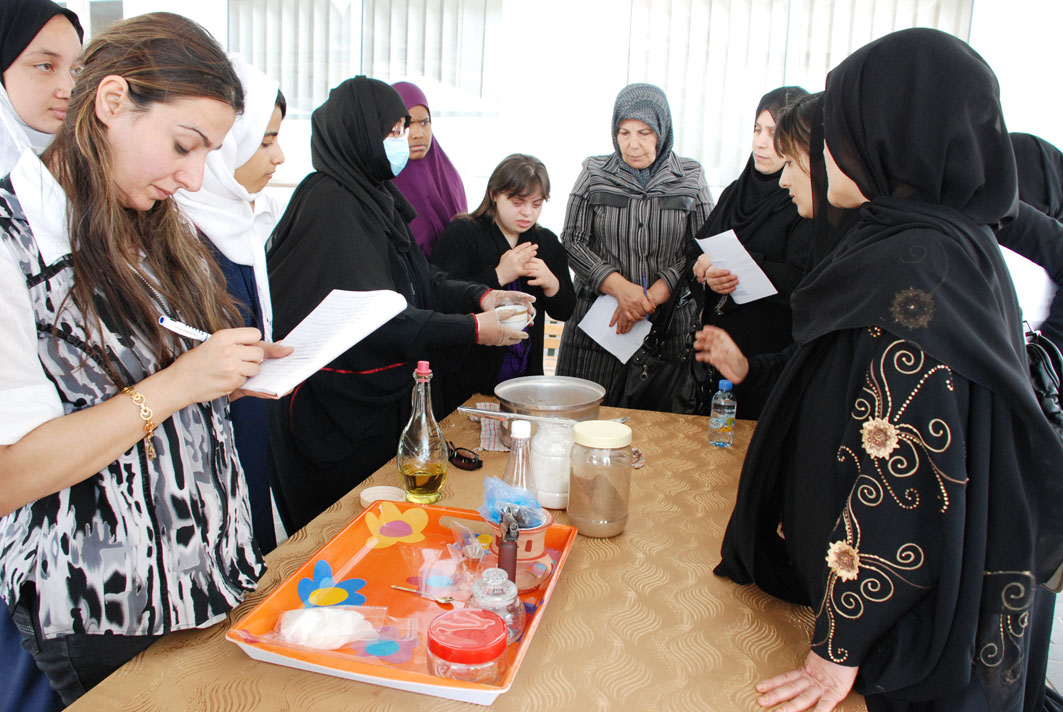
Sharjah City for Humanitarian Service’s Vocational Rehabilitation & Training Department organizes a (Bakhor) Incense Workshop
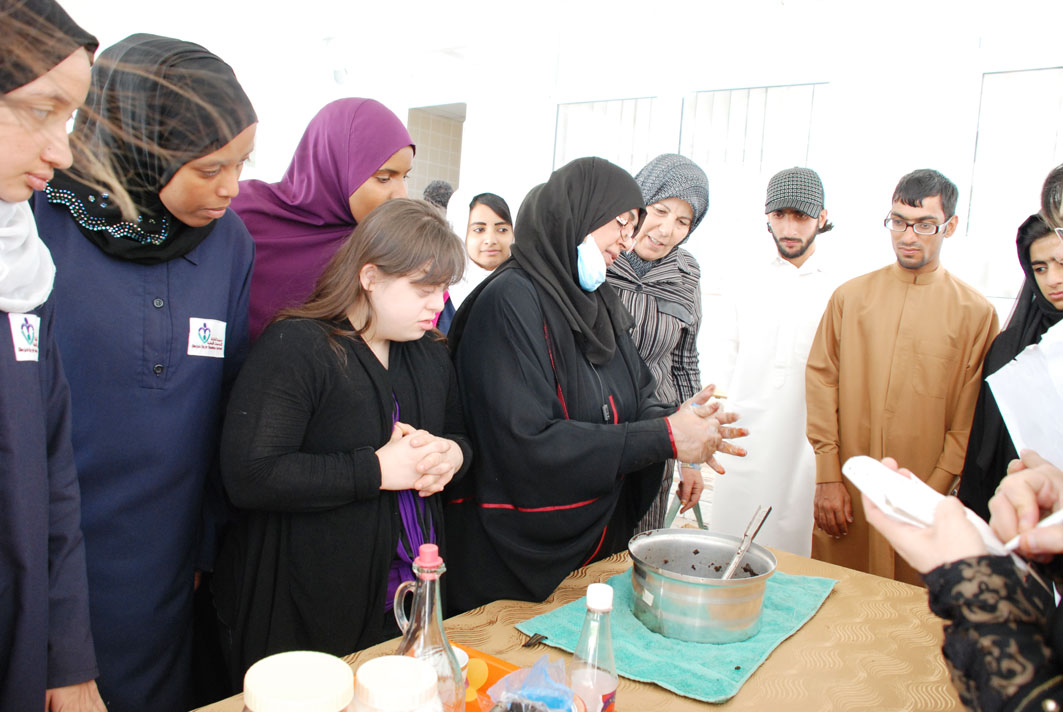
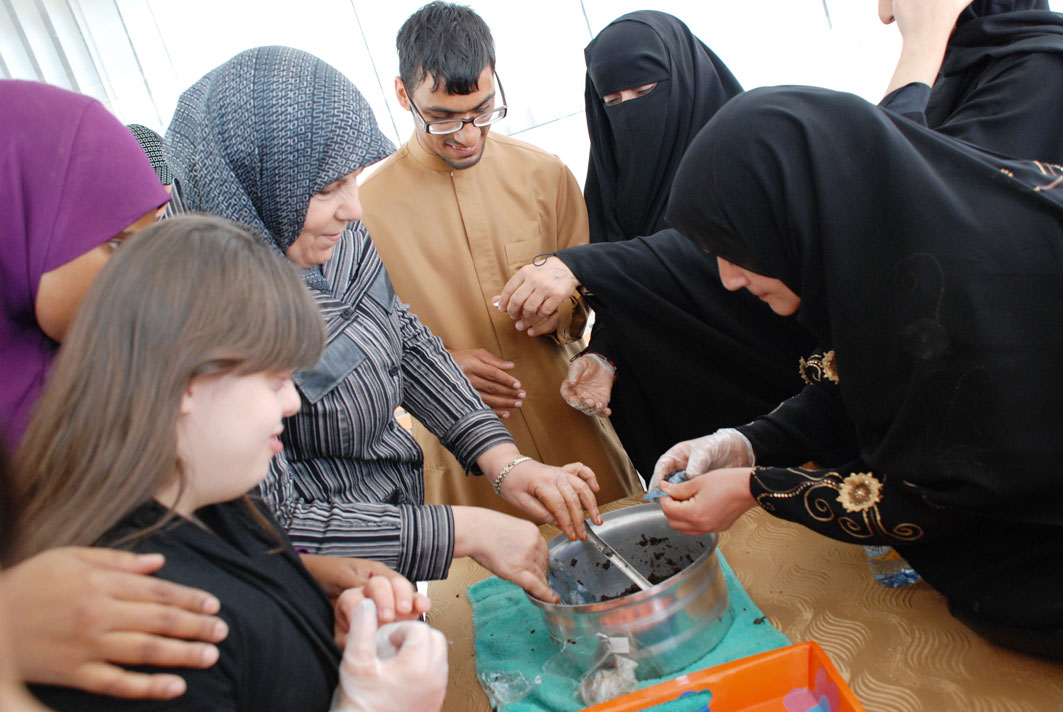
On Sunday, March 13th, 2011, Sharjah City for Humanitarian Services’s Vocational Rehabilitation & Training Depart organized av(Bakhor), incense, workshop.
The workshop targeted students who graduated from SCHS’s Vocational Rehabilitation & Training Depart and their families. The event, which is part of SCHS’s “Productive Families Program”, is conducted in coordination with Sharjah Social Service Department.
It aims at motivating parents to help their disabled children to work at home and refine their skills accordingly. Due to the limited number of vacancies or job opportunities SCHS’s Vocational Rehabilitation & Training Department encouraged graduates from SCHS to take part in the “Productive Families Program”.
Mr. Amjad Tawhee said: “The program is designed to keep SCHS’s graduates occupied with mini projects to produce wages and advance skills until they find suitable jobs”. The program includes 14 families who participated in the first bakhor workshop. There are additional activities such as nutrition, accessories, wax, textile, and ceramic workshops. The program, moreover, provides graduates with the raw material and anything they might need for their industry. In addition, SCHS will organize many exhibitions in order to market these products. This will also provide a decent income for these families.
Mrs. Mai Mohsin Ahmed, an Art Teacher at SCHS, said that the main focus of this program is to motivate handicapped persons to get involved in mini projects that can be ran from home. “We are insisting on making this program work through dedication and strategic planning. We want each graduate to work according to his ability. It is an innovative way of creating new jobs. It is, also, a clever way to raise the awareness of people with disabilities who have rights to work”. A volunteer, Ayash Said, supervised the training and provided the families with all the necessary information to continue the production of this product.
Sharjah City for Humanitarian Services (SCHS) is a non-profit organization located in the United Arab Emirates who aims at providing education, advocacy, and independence for people with disabilities under the General Directorship of Sheikha Jameela bint Mohammed Al Qasimi.
The Students of Al Amal School for the Deaf Visit Directorate of Human Resources
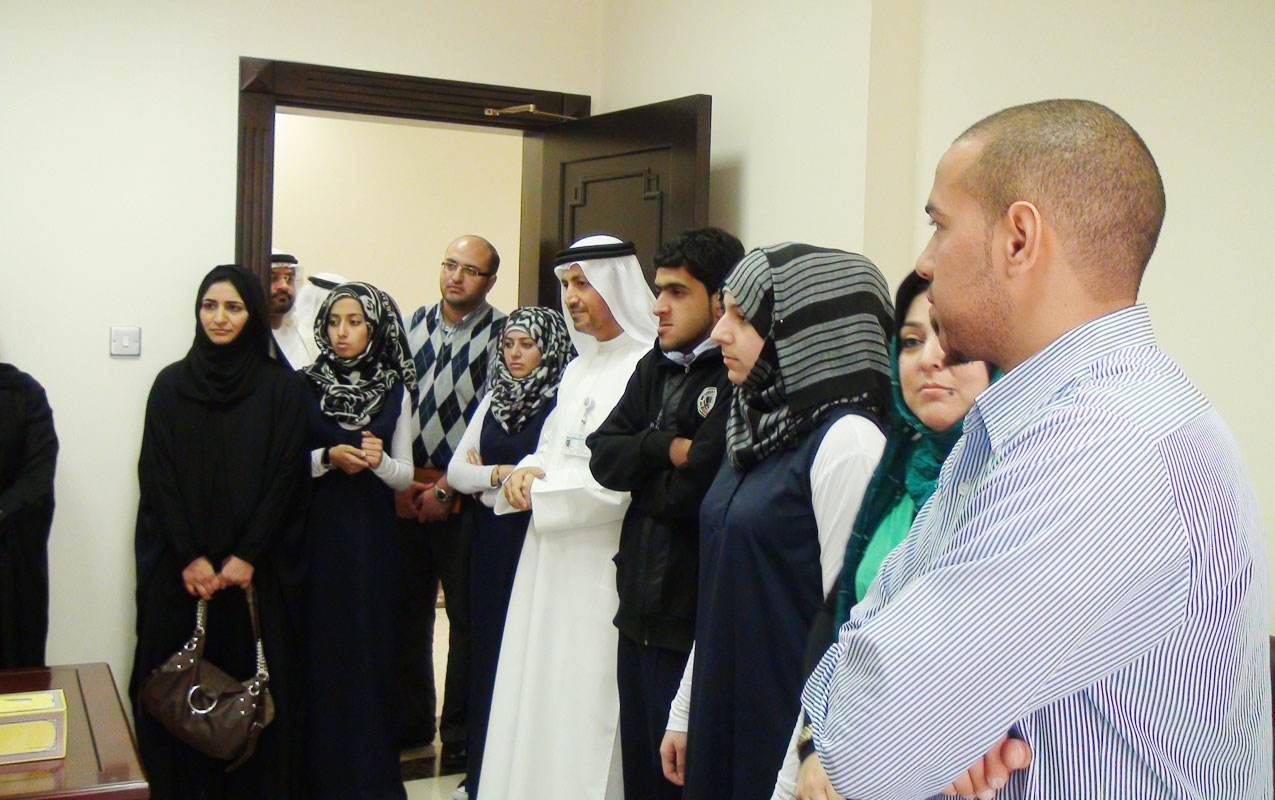
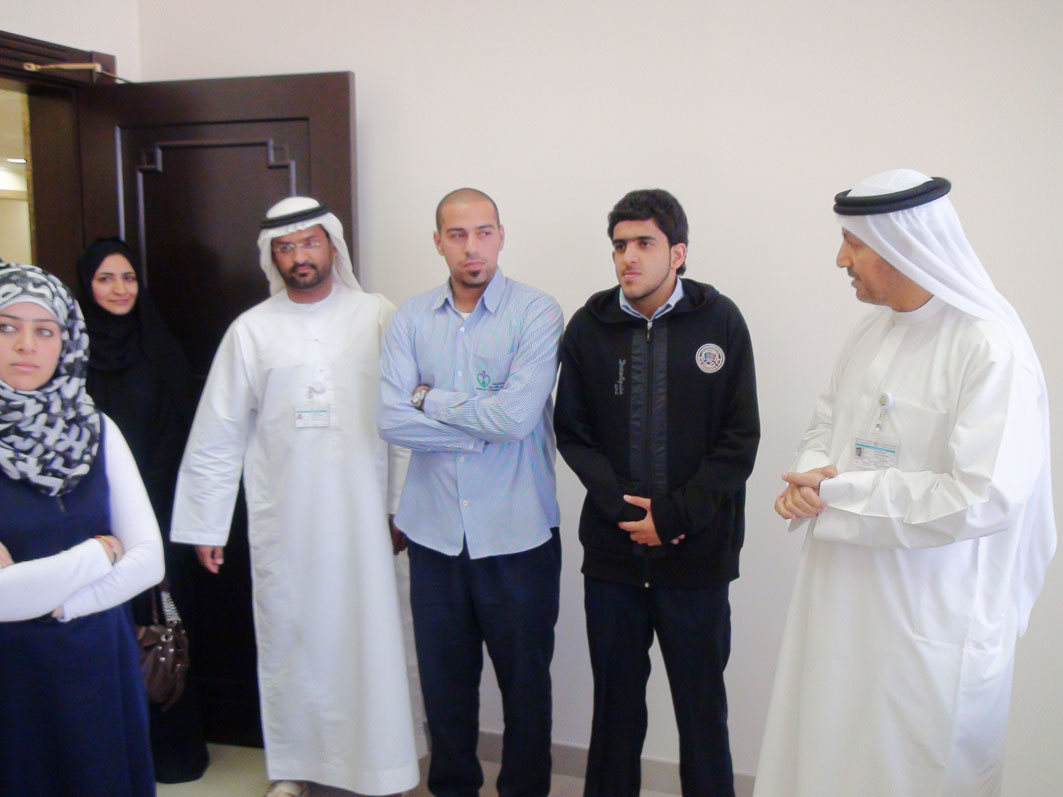
On Wednesday, March 9th, 2011, H.E Tariq Sultan Bin Khadam, Chairman of Directorate of Human Resources—United Arab Emirates—Sharjah Government, received a delegation from Sharjah City for Humanitarian Services (SCHS).
The delegation included students from SCHS’s Al Amal School for the Deaf, a number of teachers, and administrators.
Mrs. Hanan Zaki displayed a videotape about the school’s long journey in education, and the services it provides by specialists such as articulation therapy. The school, moreover, uses modern technology and advanced tools to teach students such as electronic blackboards. The videotape displayed the school’s accomplishments regarding activities, practical projects, and sports.
H.E Tariq Sultan Bin Khadam appreciates the rapid development of SCHS who has become a pioneer institute in the field of disability. Thanks to Sheikha Jameela bint Mohammed who has given great care of all parts of the community, especially those who need special care like the disabled.
The coordination between both sides is consistent in order to provide a higher standard of life for people with disabilities. The two institutes are doing are combining their specialties to integrate people with disabilities into the public and private sectors. There is a place for those students in the Directorate’s futuristic projects, plans, and employment. Arrangements will be made on public and private facilities to make them accessible and less intimidating for those who experience working for the first time.
The chairman of the Directorate of Human Resources has emphasized the quality of work that two deaf employees Asmah Fardan and Asad Hafith have accomplished stating that, “They are dedicated and hard workers. They have a great commitment to working hours, and are skilled in data processing as well as are clever.” He also appreciates the cooperation between Al Thiqa Club for the Handicapped and SCHS. The club is always open for handicapped persons to practice various sports under the supervision of club trainers and administrators.
“We don’t have disabled people. We only have people with great potential, energy, and capabilities. We are so proud of them and of their athletic achievements. We are proud of Mohammed Al Qaid, Thoraia Zahabi, and others who presented the flag of the United Arab Emirates in tournaments worldwide. We are excited by deaf participation in these international events” H.E Tariq Sultan Bin Khadam said.
SCHS’s deaf students were very pleased by H.E Tariq Sultan Bin Khadam’s great interest in them. They hoped to find a suitable job after graduation. Mrs. Manal Abdel Latif is pleased with this warm visit. She highly appreciated the plans of the Directorate of Human Resources—United Arab Emirates—Sharjah Government. Mr. Khaled Nofal said that in comparison with other disabilities, deaf persons are special in relation to psychology and physicality. They have exceptional capabilities and extraordinary innovations that require constant motivation and support. They should be allowed in all tournaments. H.E Tariq responded to these proposals by saying: “We have never stopped supporting them. There are special programs for them in our plans and the plans for the UAE Disabled Sports Federation. Therefore, they have to commit themselves to participating in these plans.” Mr. Bassem Abdel Ghafar thanked H.E Tariq who has an ambitious vision of motivation and support to people with disabilities.
To conclude the visit, the student Yousif Mohammed Abdullah presented an award to H.E Tariq who afterwards provided visitors with a tour on the different sections of the Directorate. Among SCHS’s delegation were the deaf students Abdel Salam Mohammed, Yousif Swadi, and others. Sign language interpretation was provided through by Mr. Wael Sammir.
Sharjah City for Humanitarian Services (SCHS) is a non-profit organization located in the United Arab Emirates who aims at providing education, advocacy, and independence for people with disabilities under the General Directorship of Sheikha Jameela bint Mohammed Al Qasimi.
Sharjah City for Humanitarian Service’s Early Intervention Center Organizes a Lecture on Autism
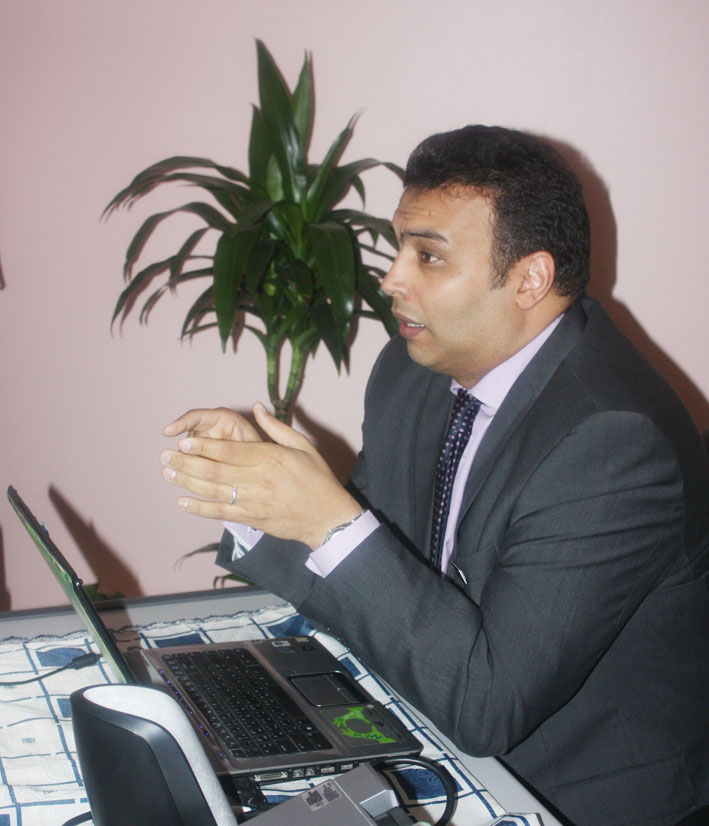
As part of the memo of understanding between University of Sharjah, Sharjah Educational Hospital, and Sharjah City for Humanitarian Service, SCHS’s Early Intervention Center organized a lecture about autism by Dr. Zahear Dean, a Neurologist in Sharjah Educational Hospital, on Wednesday, March 9th, 2011.
Mr. Wael Allam, Technical Director of SCHS’s Early Intervention Center, a number of specialists, trainers, and parents were present. “Autism varies across the world from one out of 150 to one out of 200 children.In many countries autism statistics are fairly consistent and there’s no reason to believe that the UAE is any different,” Dr. Zahear said. “Autism is a disorder that affects children’s social and emotional behavioral development,” he added. Autism spectrum disorder (ASD) is a range of complex neurodevelopment disorders, characterized by social impairments, communication difficulties, and restricted, repetitive, and stereotyped patterns of behavior.
The hallmark feature of ASD is impaired social interaction. A child’s primary caregivers are usually the first to notice signs of ASD. As early as infancy, a baby with ASD may be unresponsive to people or focus intently on one item to the exclusion of others for long periods of time. A child with ASD may appear to develop normally and then withdraw and become indifferent to social engagement. Children with ASD may fail to respond to their names and often avoid eye contact with other people. They have difficulty interpreting what others are thinking or feeling because they can’t understand social cues, such as tone of voice or facial expressions, and don’t watch other people’s faces for clues about appropriate behavior. They lack empathy. Many children with ASD engage in repetitive movements such as rocking and twirling, or in self-abusive behavior such as biting or head-banging. They also tend to start speaking later than other children and may refer to themselves by name instead of “I” or “me.” Children with ASD don’t know how to play interactively with other children. Some speak in a sing-song voice about a narrow range of favorite topics, with little regard for the interests of the person to whom they are speaking.
Scientists aren’t certain about what causes ASD, but it’s likely that both genetics and environment play a role. Researchers have identified a number of genes associated with the disorder. Studies of people with ASD have found irregularities in several regions of the brain. Other studies suggest that people with ASD have abnormal levels of serotonin or other neurotransmitters in the brain. These abnormalities suggest that ASD could result from the disruption of normal brain development early in fetal development caused by defects in genes that control brain growth and that regulate how brain cells communicate with each other, possibly due to the influence of environmental factors on gene function. There is no cure for ASD. Therapies and behavioral interventions are designed to remedy specific symptoms and can bring about substantial improvement. The ideal treatment plan coordinates therapies and interventions that meet the specific needs of individual children. Most health care professionals agree that the earlier the intervention, the better. Therapists use highly structured and intensive skill-oriented training sessions to help children develop social and language skills, such as Applied Behavioral Analysis. Family counseling for the parents and siblings of children with ASD often helps families cope with the particular challenges of living with a child with ASD.
Mrs. Ebeer Ahmed, a member in SCHS’s Early Intervention Center Lectures & Workshops Committee, confirmed that her team has distributed a questionnaire on parents to find out what topics that require more lectures. Most of the answers were ASD. Thus, the team contacted Dr. Zahear Dean, who responded to this invitation quickly.
To conclude the lecture, Mr. Wael Allam, Technical Director of SCHS’s Early Intervention Center, thanked the lecturer for providing such useful information and his willingness to answer the audience’s questions.
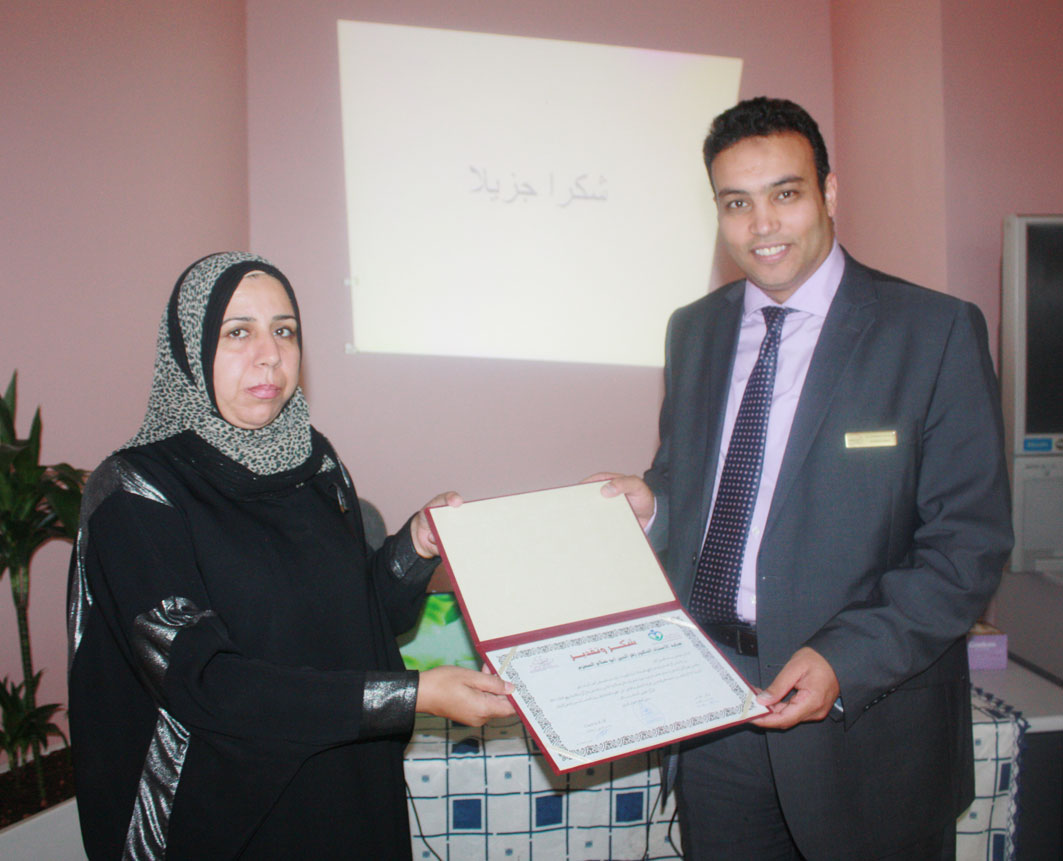
In addition, Mrs. Maha Jamal, Head of Training Programs at SCHS’s, presented an award to the lecturer and wished him the best of luck.
Sharjah City for Humanitarian Services (SCHS) is a non-profit organization located in the United Arab Emirates who aims at providing education, advocacy, and independence for people with disabilities under the General Directorship of Sheikha Jameela bint Mohammed Al Qasimi.









 ClicksandWrites
You must be logged in to post a comment.