UAE
Gulf between aspirations and achievements
Gulf between aspirations and achievements
– Inder Malhotra/MALAYALA MANORAMA English edition
As part of a periodic reshuffle of diplomatic postings, the ministry of external affairs in New Delhi has sent some very senior and experienced officers as ambassadors to countries of the Gulf – the latest being Talmiz Ahmad as ambassador to the United Arab Emirates (UAE) – a region of the greatest importance to India. To each the policymakers spoke at length about this country’s “enormous stakes” in the area and directed him to work for evolving a “role” for India there.
Indian stakes and interests in the Gulf region are as obvious as they are immense, but to talk of an Indian role is a tall order. Let the paradox be put in perspective.
Geographically, the Gulf is India’s extended neighbourhood and the only link with the no less vital Central Asia, with Pakistan denying this country transit rights and Afghanistan having sunk into chaos. Historically, a relationship between the subcontinent and the Gulf goes back to ancient, pre-Islamic days. Britain controlled the Gulf littoral tightly because of its overwhelming strategic importance for the defence of India, the brightest jewel in the crown.
Remarkably, however, this control was exercised not from London but from Calcutta (now Kolkata) first and then New Delhi. Even after the end of the British rule in the subcontinent, the Reserve Bank of India was the currency issuing authority in the Gulf; in the mid-1950s this arrangement was terminated at the instance of India, not of the littoral states.
The discovery of oil in the early years of the twentieth century had boosted the Gulf’s strategic and economic importance. Since the first oil shock of 1973, to say nothing of the Islamic revolution in Iran in 1979 and the first Gulf War in 1991, it has swiftly increased and is at a very high pitch today amidst the brisk competition between China, India, Japan and South Korea for securing oil and gas.
Overriding all this, in some respects, is what is sometimes called India’s “manpower bonanza” in the region. Three and a half million Indians live and work in the six states comprising the Gulf Cooperation Council. In some of these countries, the Indian workers form the majority of the population.
At first Indian manpower in the Gulf consisted almost exclusively of unskilled and semi-skilled workers. Now however the proportion of professionals has gone up to 25 percent. The Indian work force in the Gulf remits home a whopping sum of $20 billion a year, which, incidentally, is the vale of the Indo-Gulf trade also.
All this should normally be conducive to an active Indian role in the Gulf, especially because the entire region is within the operating radius of the Indian Navy, and to maintain the safe and smooth flow of oil is a crucial interest of not just India but also all energy-importing nations.
Unfortunately, however, rude ground realities often come in the way of even the most rational scenario. Until 1970, the Persian Gulf was a British lake. Now it is an American lake with the formidable presence of at least two carrier groups in the Gulf waters and the US bogged down in Vietnam-like quagmire in Iraq and apparently hell-bent on taking some kind of military action against Iran. Pakistan-specific issues also play a small but significant part in influencing attitudes in a predominantly Muslim area where the two South Asian neighbours often bicker.
More importantly this factor also affects America’s willingness to let India, its strategic partner, be active in the region, except in a subordinate position to it. It prefers Indo-US maritime cooperation to centre on the Strait of Malacca rather than the Persian Gulf. Only the other day the US secretary of state announced huge military sales and aid to Gulf and West Asian countries. India, itself dependent on imports of the main weapons systems it needs, is a non-player in this arena.
Nor is this all. Until two years ago, the Chinese navy hadn’t crossed the Malacca Strait. Now, there is a considerable presence of the Chinese navy in the Upper Arabian Sea. Moreover, China has acquired a major advantage over India by having the use of the Gwadar port at the mouth of the Strait of Hormuz that it has built on the Makran coast of Pakistan, its all-weather friend.
The crowning irony is that even in areas such as economic cooperation between the fast-growing India and the booming countries of the Gulf – in which India can make massive contributions in IT and other sectors and the oil-rich Gulf countries can meet India’s virtually insatiable needs for capital investment – little has been done.
It is not that the leaders on the two sides are lacking in imagination. Grandiose promises have been made during the visits to India of President Khatami of Iran in 2003, King Abdullah of Saudi Arabia, who was chief guest at last year’s Republic Day parade, and UAE Vice President and Prime Minister Sheikh Mohammed bin Rashid al-Maktoum, the Dubai ruler, who came here recently. But they all became victims of the principal Indian weakness of being long on declarations of intent and woefully short on implementing them.
And what can be more distressing than that no Indian Prime Minister has visited any Gulf country since P.V. Narasimha Rao went to Oman in 1993? Under the circumstances, it should be no surprise if there is a yawning gulf between Indian aspirations and achievements in relation to the Gulf.
Inder Malhotra is a veteran commentator on political and strategic affairs. He can be reached at indermalhotra30@hotmail.com
UAE revises up 2006 GDP growth to 9.4pc
UAE revises up 2006 GDP growth to 9.4pc
(Reuters)/21 August 2007
DUBAI — The United Arab Emirates revised up its 2006 economic growth rate to 9.4 per cent on faster expansion in the oil and gas sector, the economy ministry said.
The second-largest Arab economy expanded to Dh391.16 billion ($106.5 billion) last year, from Dh357.59 billion in 2005, according to the latest data published on the Ministry of Economy web site.
The ministry said in March real gross domestic product grew 8.9 per cent last year.
The ministry revised the growth rate to account for higher growth in the oil and gas output, which accounts for 25.9 per cent of GDP.
The value of petroleum sector output grew 6.5 per cent to Dh101.31 billion, the ministry said, compared with the Dh99.9 billion figure released in March.
“You’re not going to see a growth rate that fast in the oil sector this year,” said Giyas Gokkent, head of economic research at the National Bank of Abu Dhabi.
The Organisation of Petroleum Exporting Countries (Opec) agreed at two meetings late last year to cut production by a total of 1.7 million barrels per day or roughly six per cent of group output, in response to a sharp drop in oil prices. The UAE’s production was rolled back to 2.5 million barrels a day from around 2.6 million barrels as part of the cuts, Gokkent said.
Economic growth in 2005 was 10.5 per cent, ministry data showed based on revised 2004 growth data. In 2003, the economy grew at 11.9 per cent.
Quality scheme to win shoppers’ confidence

Quality scheme to win shoppers’ confidence
By Binsal Abdul Kader, Staff Reporter/GULF NEWS Published: August 20, 2007, 23:37
Abu Dhabi: Shoppers can soon confidently pick up quality products from the market thanks to a standardisation scheme introduced by a federal agency.
Manufacturers or producers can attain an ‘Emirates Quality Mark’ for their products which ensures UAE or regional and international standards, said Muammar Mustafa, Director of the Conformity Assessment Department of Emirates Standardisation and Metrology Authority (ESMA) in Dubai.
The Emirates Conformity Mark Scheme to “mark” imported and locally produced products, has received a good response from the industry, he said.
ESMA is a national standards body and a legally authorised agency at the federal level entrusted with activities related to standards and quality in all the emirates.
It ensures safety, health, economical and environmental protection. The scheme which came into existence last month is not mandatory but voluntary and encourages the participation of manufacturers.
It is a comprehensive standardisation scheme which assesses not only the quality of products but also their safety.
To grant the “mark” coded “Al Alama” to a product, the standards of the manufacturing or producing units will also be assessed, apart from the quality of the products, said Mustafa.
If it so requires, the officials of the agency will visit a foreign country to assess the standard of the manufacturing unit and the process, said the director.
Applications
He said so far about 15 manufacturers have submitted applications to get the “mark” for their products since the scheme was introduced on July 19.
The applicants include three multinational companies and local manufacturers in the steel, food and lubricant industries. The evaluation may take about six weeks and the first quality mark from ESMA will be presented soon, said the director.
He said ESMA’s aim is to raise awareness among the consumers to insist on a high quality of products so that a self-regulatory mechanism will be put in place.
If consumers insist on the products with the “mark” sellers will be compelled to give preference to such products.
The director made it clear the system will work in accordance with WTO’s TBT guidelines (Technical Barriers to Trade) which insists that export and import of countries must not be hindered by regulations which are against international law.
Many consumers who had a bitter experience with substandard products in the market welcomed the new move.
Yazer Essam, an Egyptian said he was shocked to get a plastic piece in a soft drink bottle purchased from a shop. Such an experience may not be repeated if there is a ‘quality mark’ on products.
Retailers also welcomed the move. Kamal Vachani, director of Al Maya group said the standardisation will attract more customers to the UAE as an internationally reputed market.
“It is the biggest market in the Middle East so most of the products are launched here. Customers confidence in the mark will be improved with the new scheme.”
Nine categories to get certified
Although ESMA encourages manufacturers to get all types of products certified, it proactively takes up the following nine categories initially in the scope of the quality mark:
– Electrical household products
– Food products
– Toys
– Cosmetics
– Detergents
– Construction materials (cement)
– Lubricants
– Paints
– Wires and cables
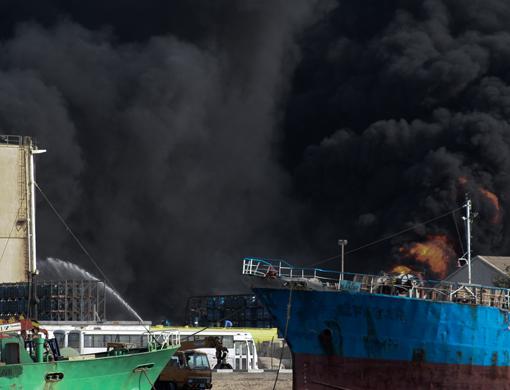
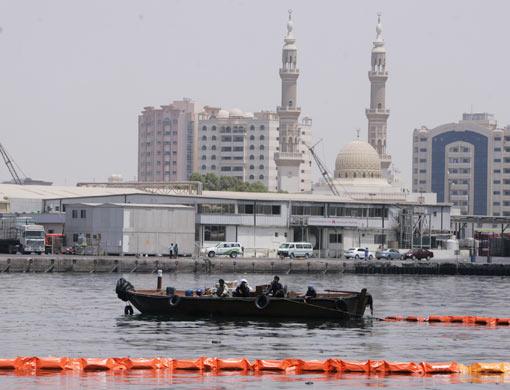
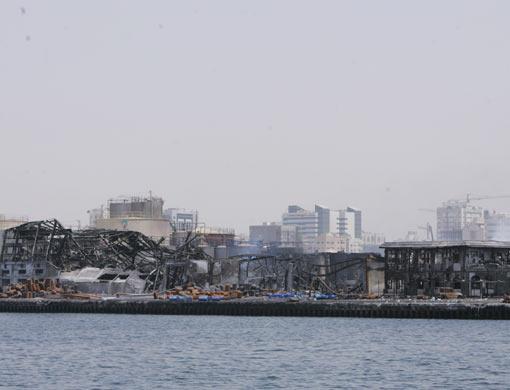
Sharjah Port fire – Heroes of the inferno
Heroes of the inferno 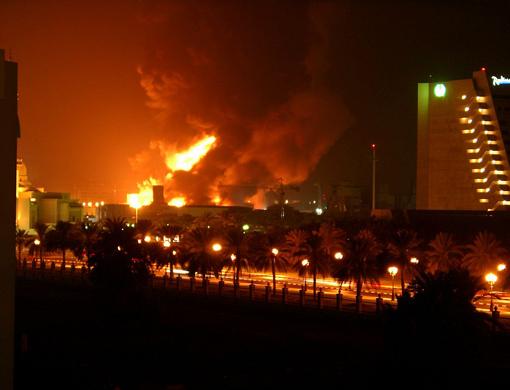

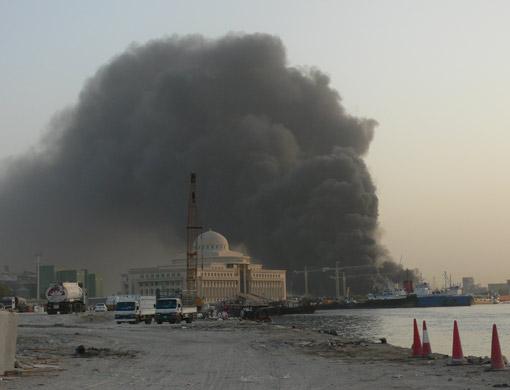
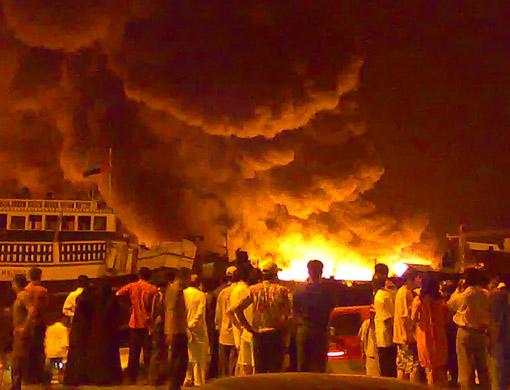
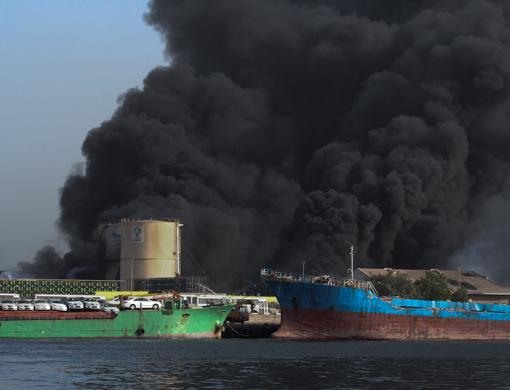


By Alia Al Theeb and Abbas Al Lawati, Staff Reporters/GULF NEWS Published: August 19, 2007, 23:05
Dubai: As the thick smoke cleared, they could finally breathe easy – firefighters from across the country fought valiantly to combat the blaze that spread panic in Sharjah.
Gulf News spoke to two of the brave men who battled the inferno all night.
Two firefighters from Dubai Civil Defence said they spent 13 hours fighting the fire that started at oil products storage facilities of Emirates Lube Oil Company in Sharjah’s Port Khalid.
Lieutenant Colonel Ebrahim Al Sayegh, Coordinator of the Dubai firefighting teams on the site, told Gulf News he did not sleep for two days guiding his men. He said some firefighters were even called back from their vacations to help put out the fire.
He said Dubai teams supported Sharjah teams by providing them with water and in putting out the fire and getting into the site. He said around 30 firefighters and four fire officers went from Dubai, 15 on the first day and another 15 on the second day.
Break for a breath
Lieutenant Colonel Al Sayegh, who has been in the Civil Defence for 20 years, described the fire as a “developed fire”. He said there was thick black smoke which was suffocating.
“We needed a place to rest at the site, so a tent was put up. We took a breath every now and then. Some of us even went to rest in our cars,” he said.
Lieutenant Colonel Al Sayegh said he rested his men, changing them every day, but he remained on the scene. “I did not sleep for two days as I was responsible for updating the firefighting plans depending on the wind direction as well as coordinating the teams,” he said.
Lieutenant Majid Bin Hafez, a field officer and Director of Al Ghusais Civil Defence Centre, said he spent 13 continuous hours on the site.
“The team spirit on the site made the job easier because teams from various emirates worked next to each other to confine the fire,” he told Gulf News.
Lieutenant Bin Hafez, who has been working as a field officer for the past six years, said exhaustion is always a factor, especially during the heat, but most of the firefighters were in good physical shape. “The experience was exciting and added to my knowledge,” he said.
A firefighter from Sharjah Civil Defence who was on site, Mohammad Guloom, told Gulf News he had been trying to douse the fire and cool the area since Saturday.
“We have been here all this time trying to put out the fire and prevent it from spreading. There seems to be a lot of damage but we managed to get it under control with cooperation from other emirates,” he said, adding that the fire was one of the biggest he had tried to fight. “This was probably the biggest on a national scale.”
The summer temperatures made the job more difficult, he said, but the water being sprayed played its part in keeping the firefighters cool too, he said as he filled his helmet with water and poured it over his head.
Firefighters stayed on site for seven hours before their colleagues took over.
The area Guloom was trying to cool is where containers of imported cigarettes once stood. “Hundreds of cartons of many different kinds of cigarettes were burnt,” he said.
An official from a marine services operator, which has an office at Port Khalid, said the company had lost two cars.
“Three thousand workers have been off work but hopefully they will be back soon.”
etisalat to offer ‘triple play’ service soon

etisalat to offer ‘triple play’ service soon
By Ivan Gale, Staff Reporter/GULF NEWS Published: August 19, 2007, 23:05
Dubai: etisalat expects to offer ‘triple play’ service to more than 100,000 customers this quarter once government regulators approve its pricing scheme, its chief executive said.
Triple play is a bundled service delivering fixed line and high-speed TV and internet over one cable into the home or office. It is often touted as producing cost savings to operators and customers.
“Customers will be able to receive state of the art technology at very high broadband speeds,” Mohammad Al Qamzi said. “This will be high-definition TV and internet will also be at very high speeds.”
Reduced costs
The etisalat CEO said an immediate benefit to the company would be reduced costs on maintenance and equipment.
“This is where the future of telecom is, where we can serve customers at a lower price and higher bandwidth.”
The product rollout will first be offered to subscribers of etisalat’s e-vision TV service because these customers already have installed the necessary cabling into their homes.
A pricing plan has already been submitted to the UAE Telecommunications Regulatory Authority.
The bundling will target higher sales of each of the three services offered, including the unprofitable e-vision division.
The initiative is the first step in a multi-year plan for the company, as it develops a next-generation network composed entirely of IP-based technology.
After completing its core network in Dubai and Abu Dhabi last year, the telecom provider will spend the next three years installing soft switches and fibre optic cabling throughout the country, Al Qamzi said. “We are now going for the ‘last mile’ – deploying fibre to the customer,” he said.
The first recipients of this high-bandwidth, all-IP network will be 27,000 residents in Abu Dhabi after etisalat successfully replaces the first of several hundred legacy switches. The new network should debut in Abu Dhabi in two months.
The project comes at a time when businesses and consumer are increasingly consuming higher data traffic, the CEO said.
“Internationally, voice [revenues] are declining, but data is increasing – that’s where the growth is.”
Wake up – it’s end of summer of holiday’s
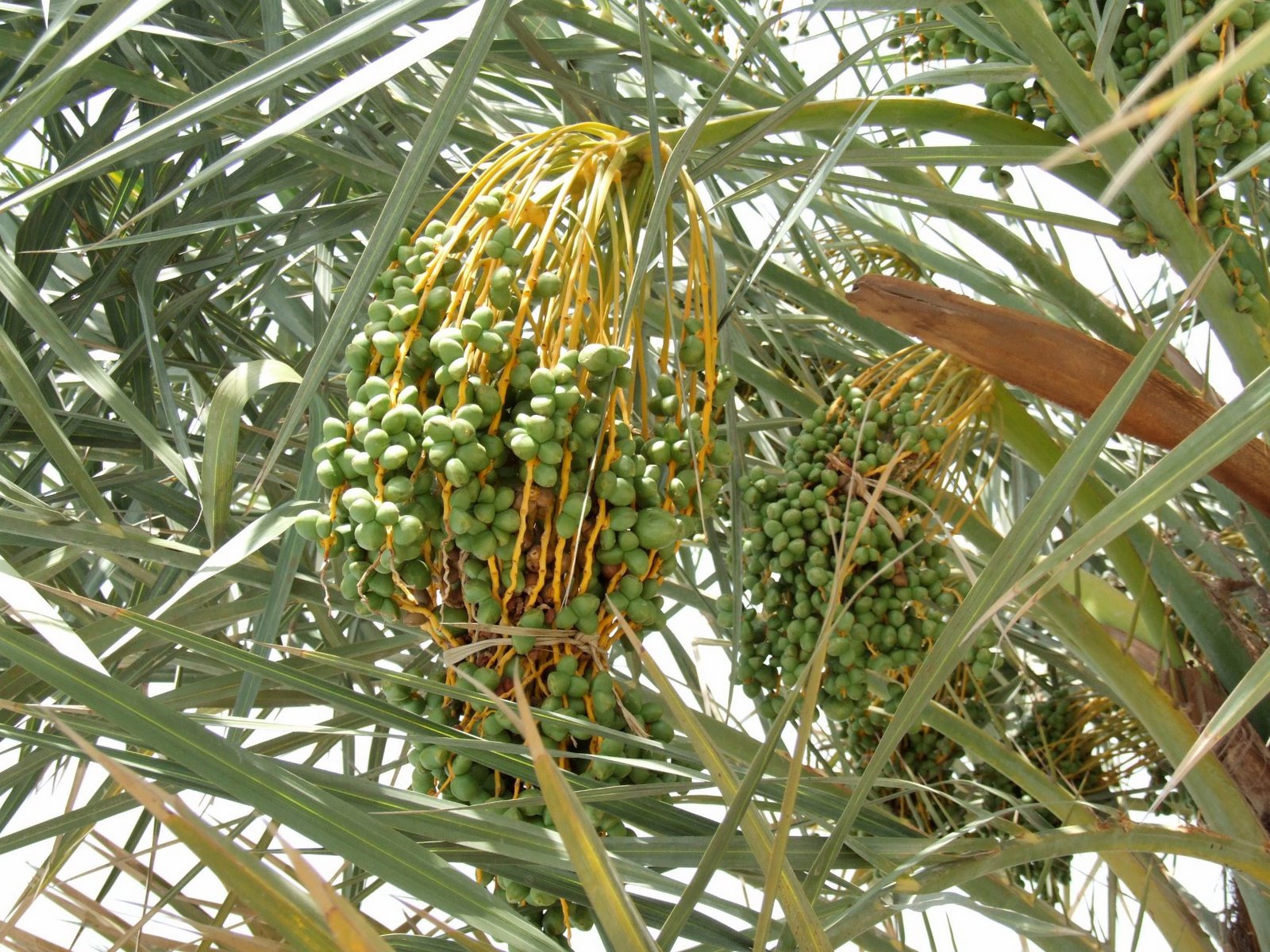
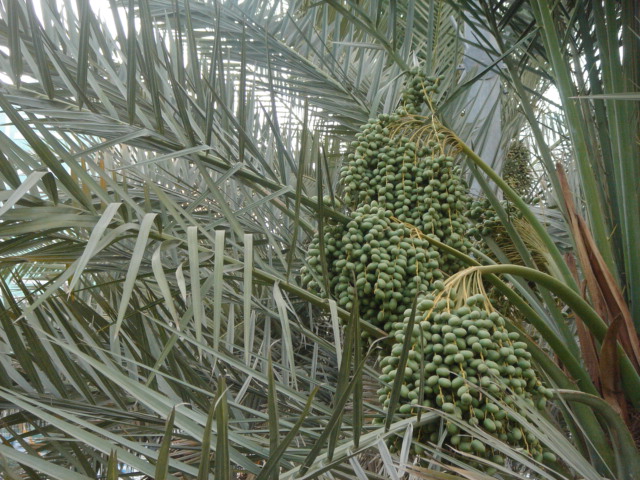
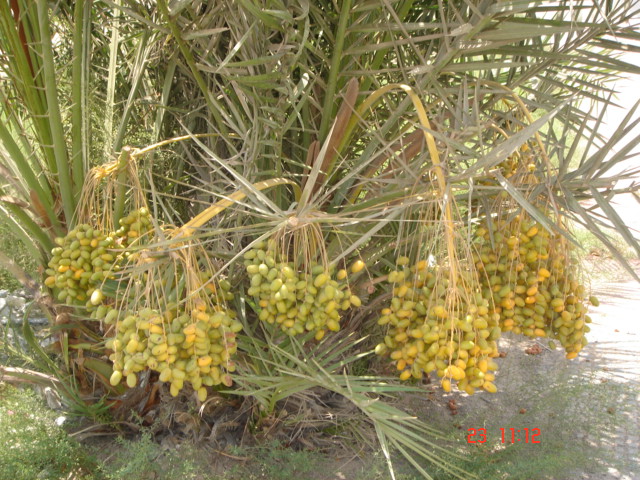
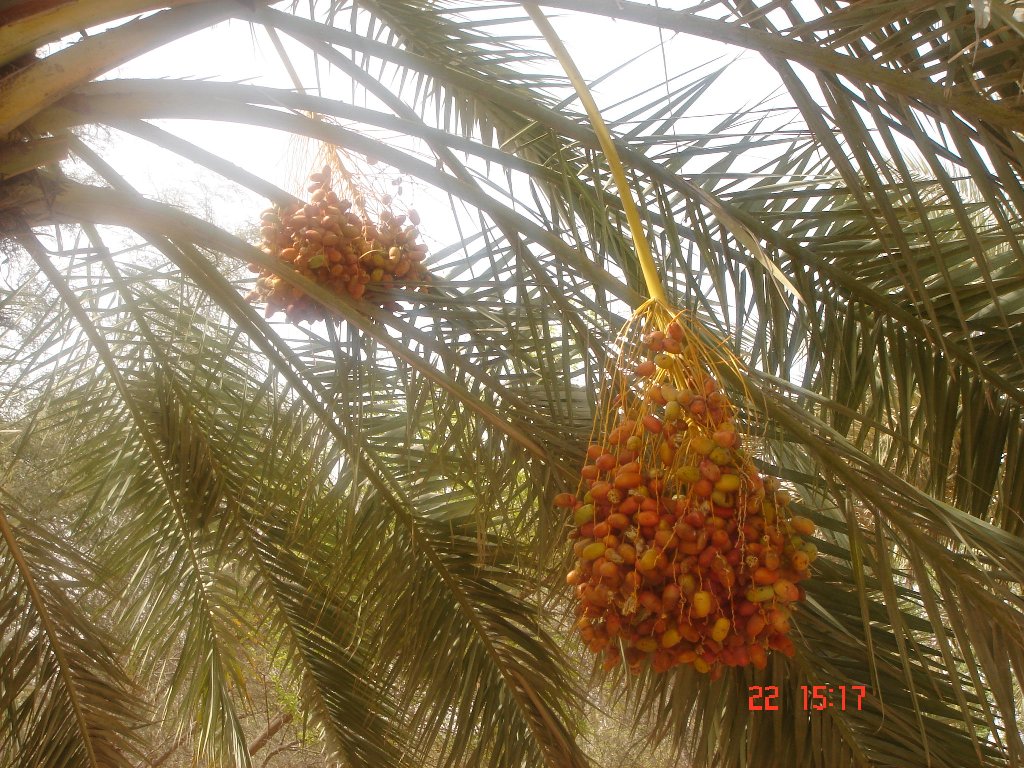
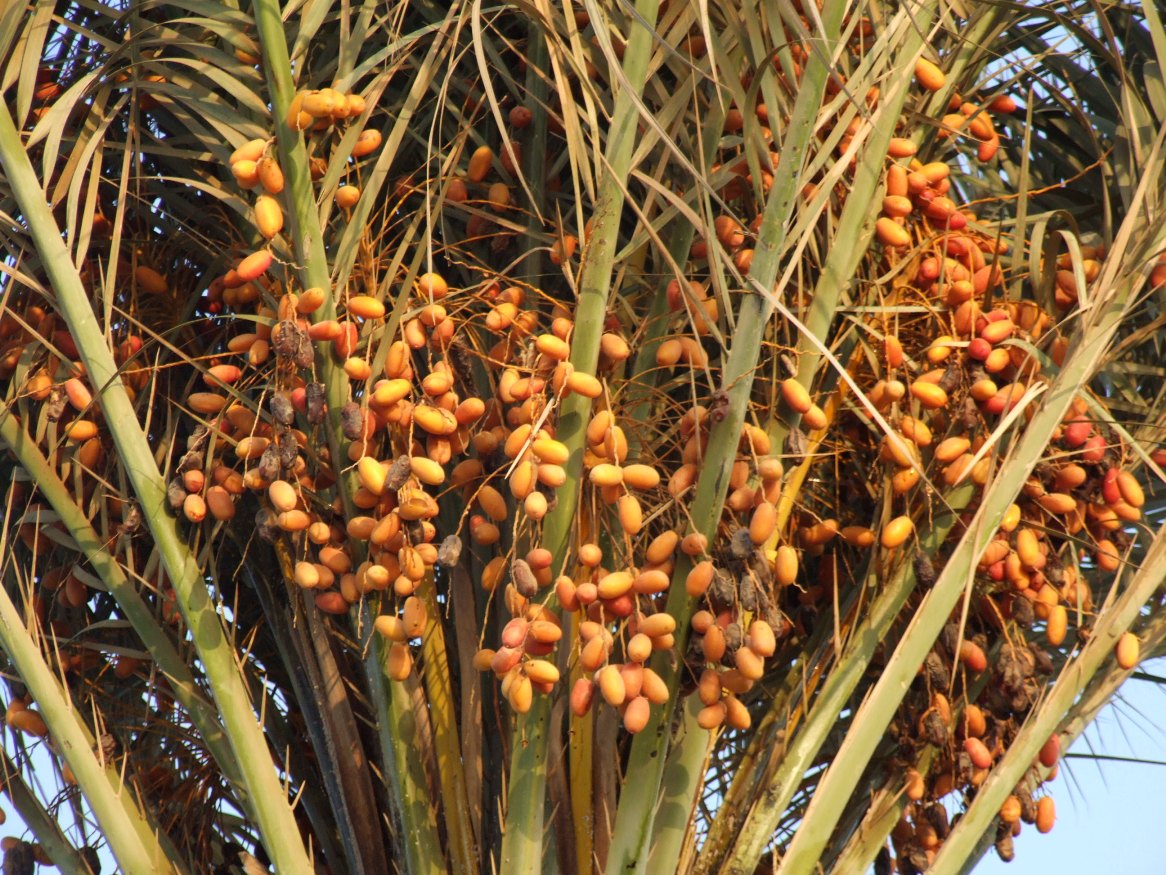
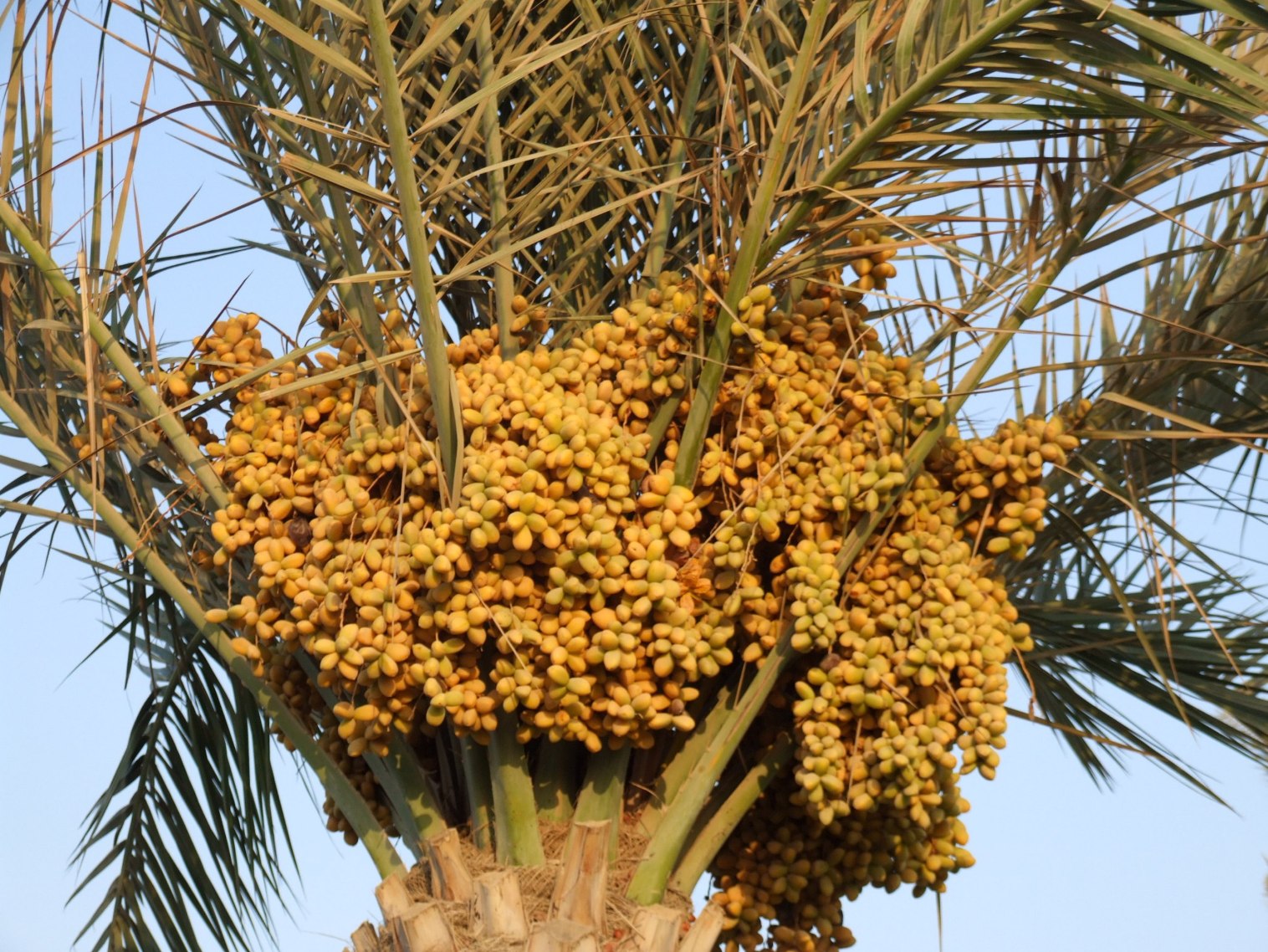
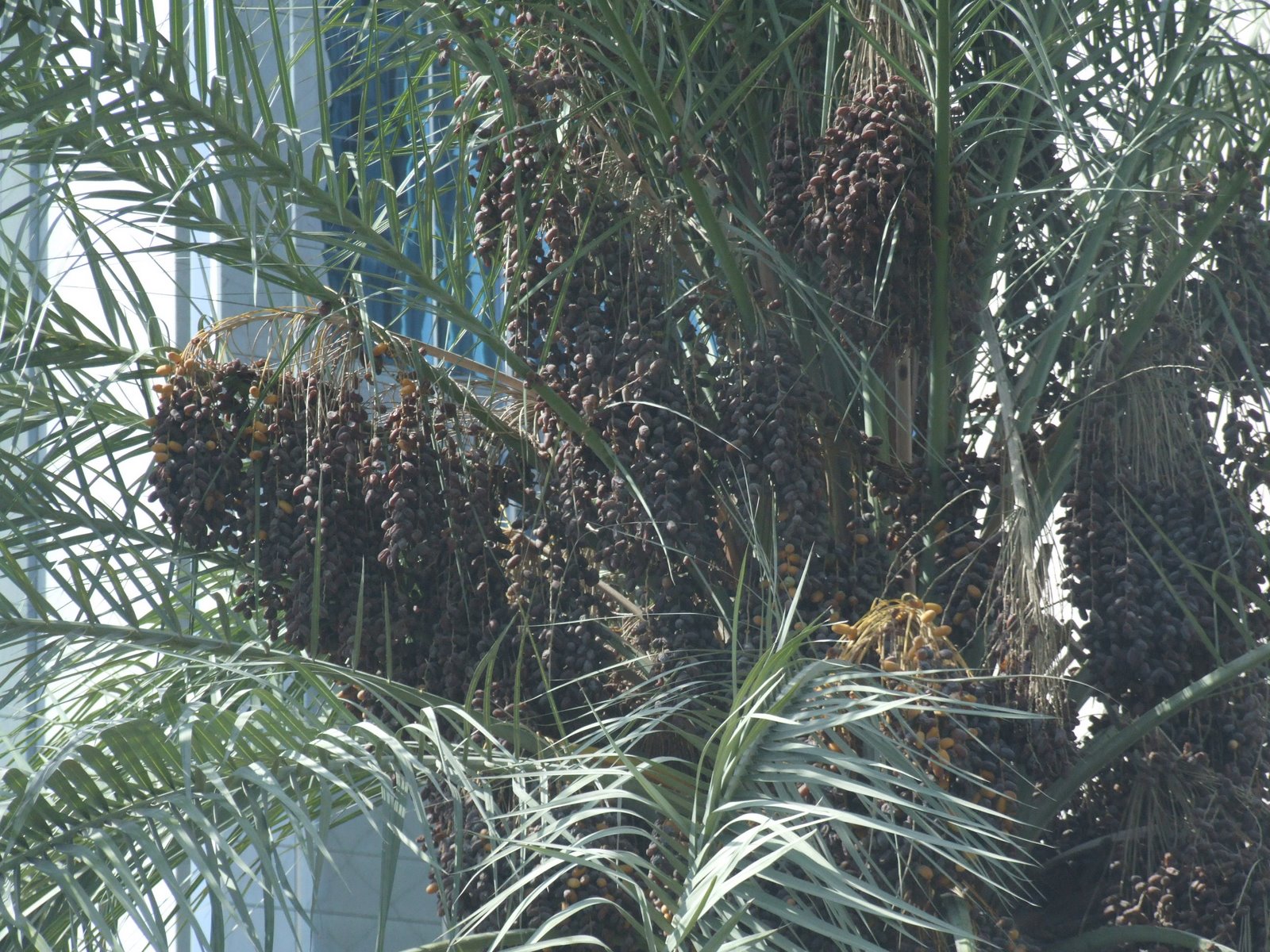
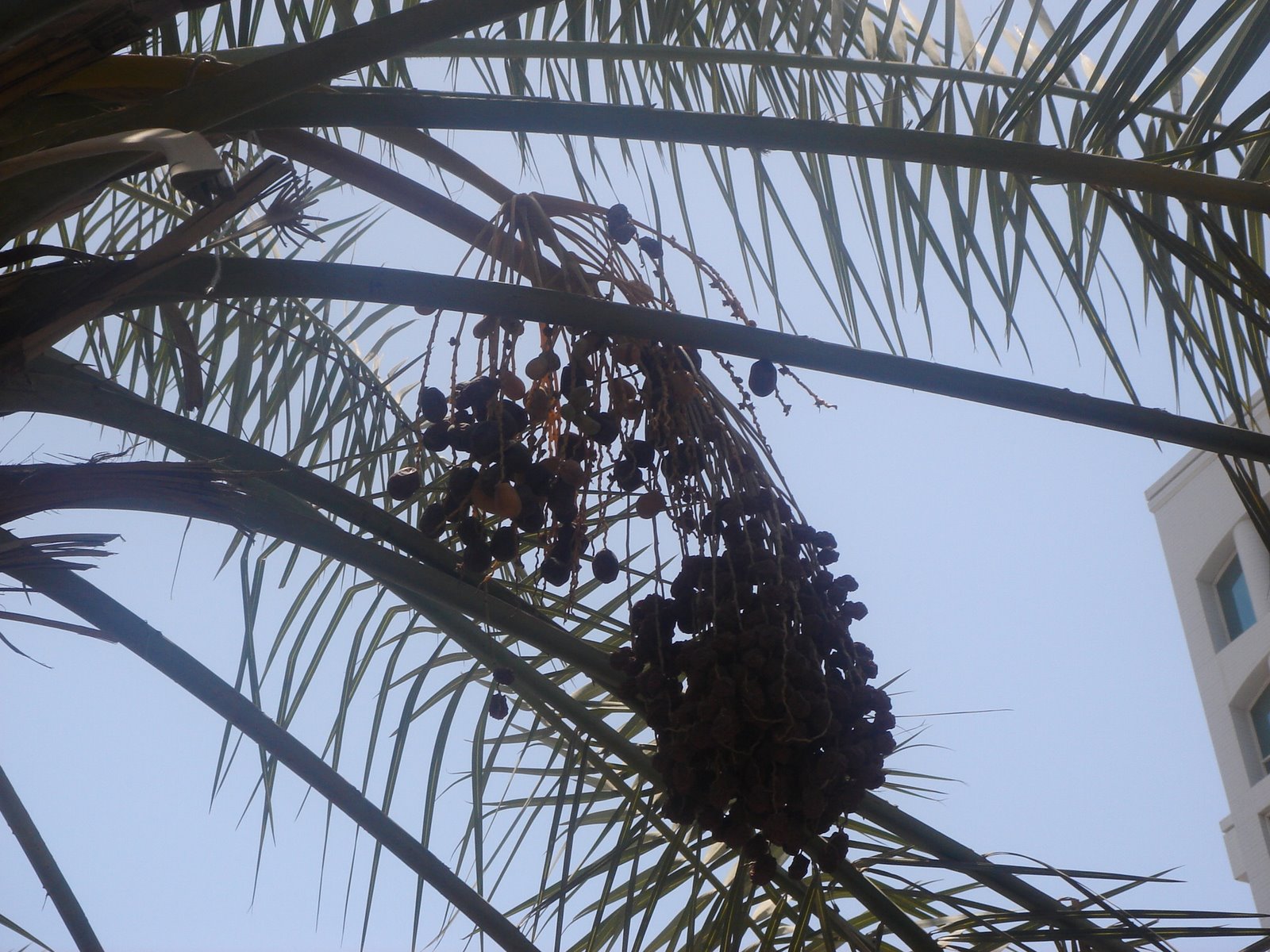
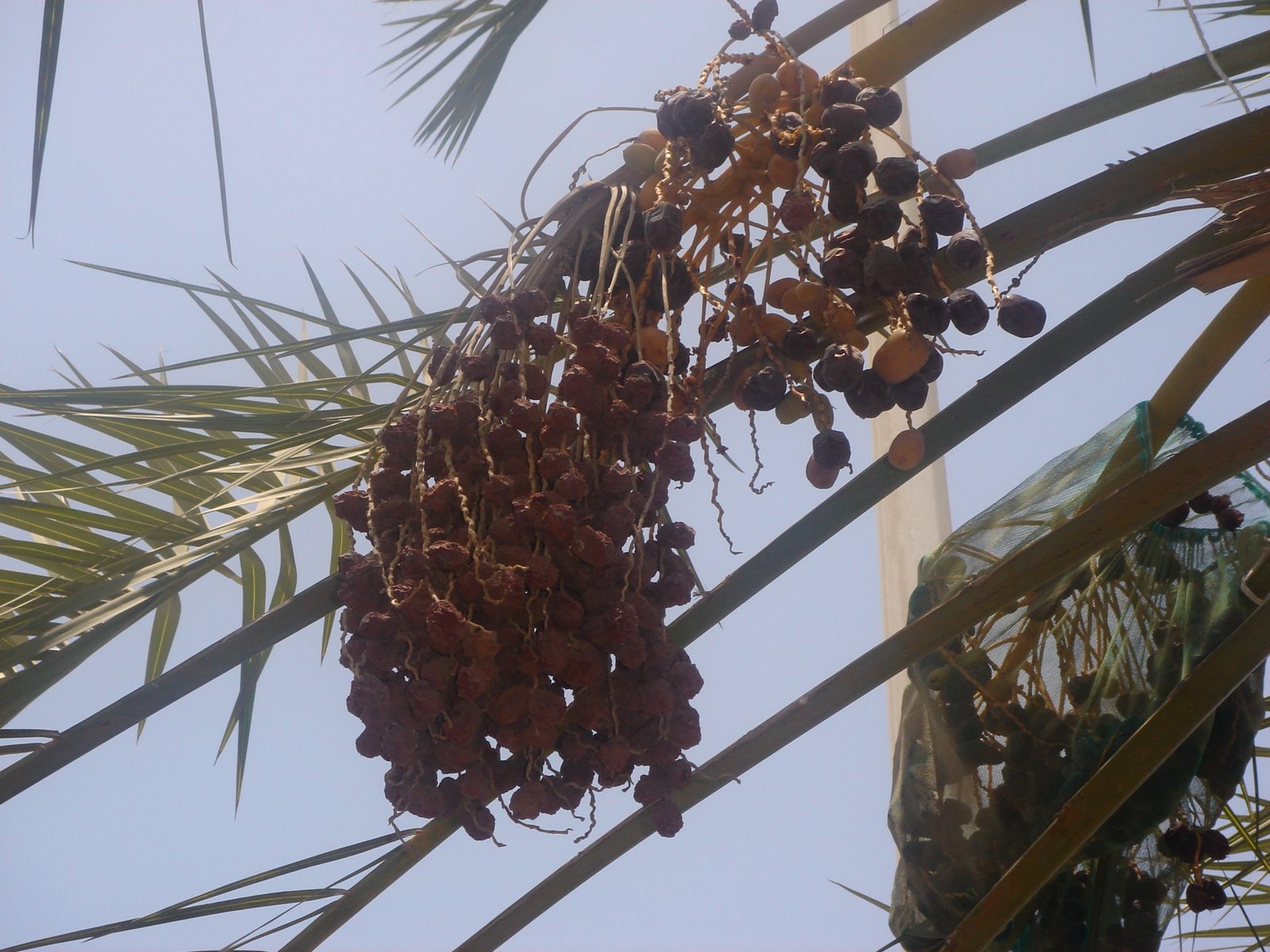
August 2007 is coming to an end. So fast the summer holidays got over. You don’t believe it – Look what the date palm trees tell you. From the time it flowers, it tells you that your summer holidays are here and the summer is near by, and to the time it grows in full when it tells you to pluck it and take it home to give to your loved ones, and to the time it fully ripen and falls down, when it indicates that your holidays are over and it’s time to get back to serious work once again. It also tells you that the Holy month of Ramadan is nearing and get ready for a period of religious fervour. Yes, it’s just another way of natures signage to warn you the seasonal changes and the activities ongoing and ahead.






UAE Essentials – Enrolling at university

Enrolling at university
By Bassma Al Jandaly, Staff Reporter/GULF NEWS Published: August 10, 2007, 23:43
Dubai: The UAE offers a wide-range of courses at its various universities. Academic programmes here include diplomas, degrees as well as post-graduate studies.
A student may also enrol for professional training to gain an internationally recognised certificate. Most of the universities in the UAE are open to both citizens and expatriate residents and foreign students.
Some colleges and universities in the UAE are open only for Emiratis such as the UAE University in Al Ain and the Higher Colleges of Technology. All the other universities, colleges and educational institutions are open to everyone.
Expatriate students can be admitted to universities here if they hold a General Secondary School Certificate and they should obtain required amount of marks in the high school certificate exams for admissions. Universities usually start their academic year in September.
The UAE educational system comprises of a variety of academic institutions and training institutes that offer programmes in various fields.
There are a few government universities and colleges in the country where admission is restricted to Emiratis only.
But the enrolment at many of the several private educational institutions is open to any student of any nationality from any country who meets the admission requirements of that specific university.
Students can also choose any programme and enrol in it. Those programmes are depending on the academic, technical and professional degree the students select.
If one wanted to apply at any university, college or educational institution here, he or she should choose the programmes they are interested in, depending on their marks.
The first step for the student is to be sure that the institution is willing to accept you. The institution will review the student’s academic background to determine if he or she is likely to succeed in its programme.
Each UAE institution sets its own admission standards. Some practices are common to many institutions; however, under-graduate and graduate admissions to the universities may vary from one institution to the other, also from one programme of study to another.
Student’s visa
Students who are living abroad can obtain a student’s visa and study at one of the universities in the country.
To enrol in an university here, the student visa is provided by all colleges and universities and also a few training institutes.
Some institutions may require all admission procedures and fees to be paid before visa issuance procedures can be started. Visa issuance procedure at the naturalisation department normally takes 10 to 30 days.
The administrative expense for a student visa is around Dh1,500 for a 3-year visa.
Some of the open universities
-Zayed University (ZU), which has campuses in Abu Dhabi and Dubai, which was earlier for Emirati women only.
-American University of Sharjah (AUS).
-American University of Dubai (AUD).
-Sharjah University.
-Ajman University of Science and Technology.
-Abu Dhabi University (ADU), which opened its doors in 2003.
-Al Ain University, which accepted its first students for the academic year beginning in September 2006.
-Al Hosn University in Abu Dhabi, opened in 2005. This new private university, which is supported by Abu Dhabi Holding Company (ADHC), will initially be operating from two separate premises for men and women. Starting with three faculties — Engineering, Business and Arts and Social Sciences — Al Hosn University will offer a unique set of disciplines, some of which are being introduced for the first time in the UAE.
-Abu Dhabi chapter of the Sorbonne University established in 2006.
-Dubai multi-university complex in Knowledge Village, established in 2003 in the Dubai Free Zone for Technology and Media, houses more than 200 companies and institutes for training and education. It offers undergraduate, postgraduate, MBA and PhD programmes in fields such as computing, technology, business management, life science, fashion and media.
In addition, there are also several professional and technical institutions such as the Emirates Institute for Banking and Finance, the Abu Dhabi National Oil Company Career Development Centre, the Dubai School of Government, and The Emirates Aviation College for Aerospace and Academic Studies.
UAE Essentials – Ensuring welfare of all in the country

Ensuring welfare of all in the country
By Bassma Al Jandaly, Staff Reporter/GULF NEWS Published: August 18, 2007, 00:04
Dubai: UAE as an Islamic country is keen on protecting human rights and to treat people equally and without prejudice and considers the welfare of all people here as its top priority.
The country’s constitution contains a number of rights and the various aspects of freedom residents can enjoy.
So whether you are an Emirati, an expatriate living in the UAE for many years or whether you are on short visit to the country, all your rights are protected.
If your rights are violated in any way by another person, company or institution, whether government or private, there are places you can approach to get a helping hand.
Labour dispute
If you are either an unskilled labourer or an educated employee working for any organisation in the private sector here which violated your rights, you can visit the labour department if you are living in Sharjah, Ajman, Fujairah, Ras Al Khaimah or Umm Al Quwain.
The labour dispute section will sort out the problem with the employer whatever the problem is. If the case is not solved, it will be transferred to the court.
If you are in Dubai, you will have more options such as complaining to the labour dispute section at the Ministry of Labour or the Labour Court, and you can call the hotline of the Permanent Labour Committee.
You can also approach the Dubai Police Human Rights Department, which sometimes accept cases from outside the emirate.
Employees in Abu Dhabi can complain directly to the Labour Ministry at the Labour Dispute Section in case they feel their rights are violated in any way. The case will be studied and the problem sorted out, or if it cannot be done, it will be transferred to the court.
In addition to that, workers and employees of government or public departments can also approach any of the police stations or courts in his or her emirate who can help and guide them.
Emirati employees can complain at Tanmia, regarding issues which offend their rights at work. This organisation takes care of not only getting employment for Emiratis but also follows up their issues.
Tenants
Tenants who have problems with their landlords in any emirate, can approach the Municipality Rent Dispute Committee to file complaints. The Committee will study the case and a decision will be taken to help protect the tenant’s rights.
If a woman is abused or tortured by relatives, the husband or family members, a newly-formed organisation, the Dubai Abused Women and Children’s Organisation, will be able to help soon, or by a similar named body in Abu Dhabi.
Some expatriate communities here have set up their own charity foundations, such as the Indian community, Egyptian and others. Such foundations are licensed by the authorities here.
Long arm of the law
The National Committee to Combat Human Trafficking and the anti-human trafficking department at the Dubai Police are open to receive complaints from the public regarding cases related to recruitment, transportation, transfer or harbouring of illegal persons.
Cases they will look into also include holding people by means of threat or use of force, or other forms of coercion, abduction, fraud, deception, abuse of power or of position, taking advantage of the vulnerability of the person, or the giving or receiving of payments or benefits to achieve the consent of a person having control over another person for the purpose of exploitation.
Stiff penalties against human traffickers range from one year to life and include fines ranging between Dh20,000 up to Dh1 million. They may face life sentence if the trafficker has created, organised, run, assumed a leading role in, or solicited others to join an organised criminal gang, or if the victim was a female, child under 18 years, or special needs person .
One can call 999 for emergency. If one is calling from a mobile phone and want to contact 999 they should dial the code of the emirate they are contacting.
One can file a complaint online at the Human Rights Department on http://www.dubaipolice.gov.ae or contact 04-2692222; 04-2014342; 04-2014343; 04-2014344; 04-201434 or 04-2014346 or Fax: 04-2014180 or by mail to PO Box 1493 Dubai, UAE.
Useful numbers
Abu Dhabi Police: 02-4461461; Al Ain Police: 03-7079999; Dubai Police: 04-6099999; Sharjah Police: 06-5631111; Ajman Police: 06-7409999.
Massive fire breaks out at Sharjah port

Massive fire breaks out at Sharjah port
By Sunita Menon and Bassma Al Jandaly, Staff Reporters/GULF NEWS Published: August 18, 2007, 01:28
Dubai: A massive fire raged on Friday night in Sharjah’s Port Khalid area, sending flames dozens of feet high.
The fire is believed to have started at a biscuit factory at the adjacent industrial area and spread to a depot of Emirates Lube Oil Company in the port, police and eyewitnesses said.
“We heard a loud explosion and soon a huge fire broke out,” an eyewitness told Gulf News.
Police said the fire started at around 11pm. Police immediately cordoned off the area around the depot and sealed all entry points on the Creek.
Firefighters and Civil Defence officers from Sharjah as well as Dubai and Ajman rushed to the spot to battle the blaze.
There were no immediate reports of casualties or estimated damages. Civil defence workers were fighting the blaze at the time of going to press.
System to monitor ministries
System to monitor ministries
Gulf News Report/Published: July 14, 2007, 23:31
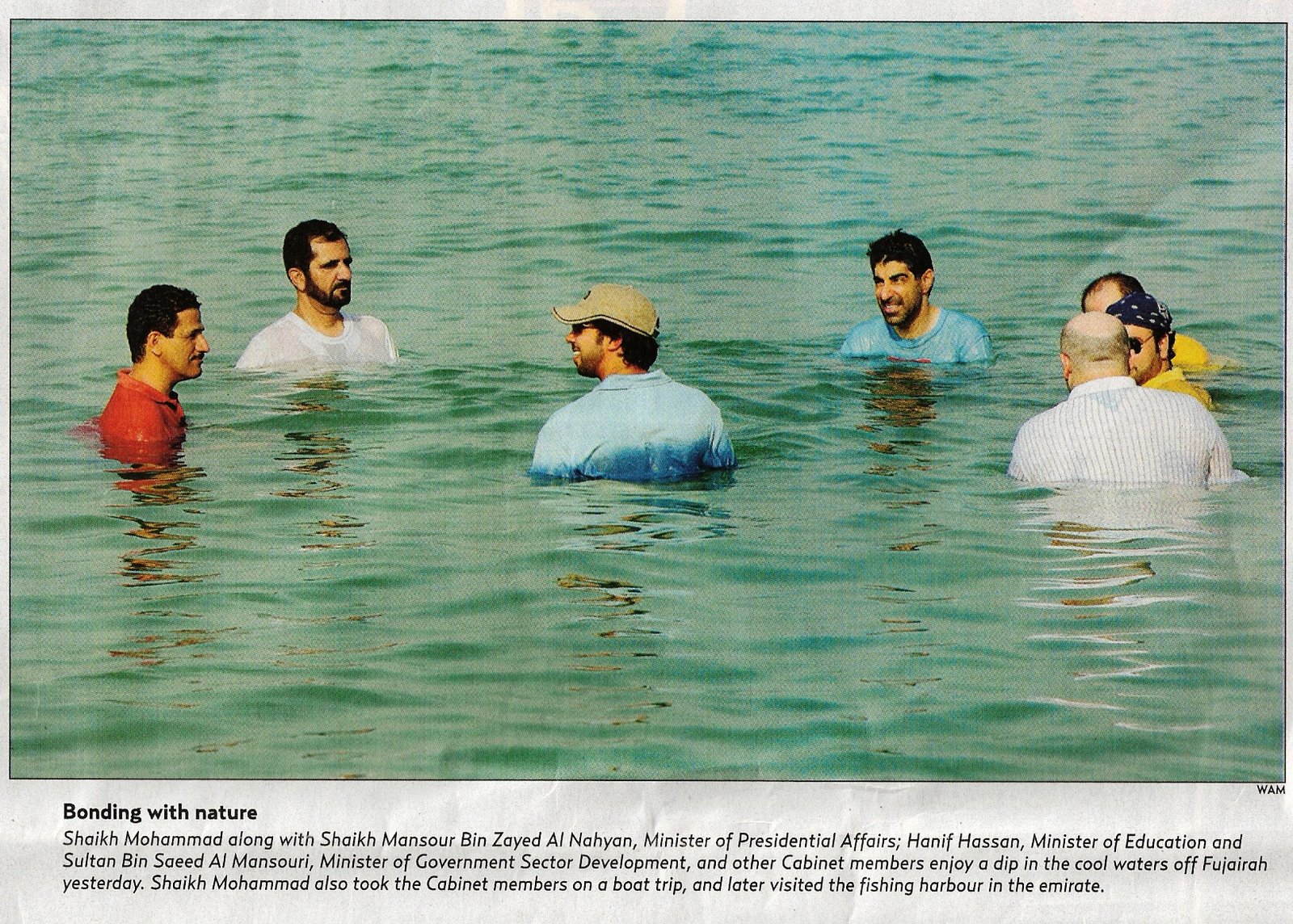
Dubai: His Highness Shaikh Mohammad Bin Rashid Al Maktoum, Vice-President and Prime Minister of the UAE and Ruler of Dubai, has announced the setting up of a special team of “mystery clients” and an integrated system of performance management to monitor ministries’ achievements and ensure proper implementation of the federal government strategy.
The announcement was made at a Cabinet meeting, held in an informal setting in Dadna in Fujairah yesterday, and was attended by Shaikh Hamdan Bin Zayed Al Nahyan, Deputy Prime Minister.
The two-day Cabinet meeting reflects Shaikh Mohammad’s keenness to adopt a flexible approach in government administration and follow up the progress of work on the government strategy that was approved by President His Highness Shaikh Khalifa Bin Zayed Al Nahyan in April.
The Cabinet reviewed the strategic action plans for 2008-2010 along with creative initiatives and key programmes adopted by ministries to achieve the strategy’s goals.
Shaikh Mohammad expressed satisfaction at the team spirit demonstrated by the ministerial working groups and termed it one of the most significant achievements of the strategy.
He also stressed the need to implement programmes and initiatives according to the specified timeframes and keep updating them to achieve better results and keep pace with the UAE’s rapid economic growth in the last few years.
During the meeting, Shaikh Mohammad announced that an integrated system is being developed to keep track of the performance of all ministries and ensure that the strategy’s recommendations are being implemented.
The Prime Minister’s Office was tasked with preparing the performance reports which will be submitted to Shaikh Mohammad. 
Stress on e-governance
As part of the system, a special team of “mystery clients” – government officials whose identity will not be disclosed – will be formed to monitor performance of ministries, and will directly report to Shaikh Mohammad.
He also called for widening the e-government programme and bringing 50 per cent of public services into e-services by the end of 2008 and 90 per cent by the end of 2010. He urged ministries to work towards achieving at least 70 per cent customer satisfaction.
Key decisions: What the Cabinet decided to implement
Establish an integrated system for performance management
Set up a special team of mystery clients
Implement action plans of government strategy within specified timetables
Widen e-government programmes and converting 50 per cent of public services into online services by 2008
Achieve 70 per cent of customer satisfaction for all ministries
 ClicksandWrites
You must be logged in to post a comment.