Photo Speaks
Photo Speaks – Now some rest
Photo Speaks – Now some rest
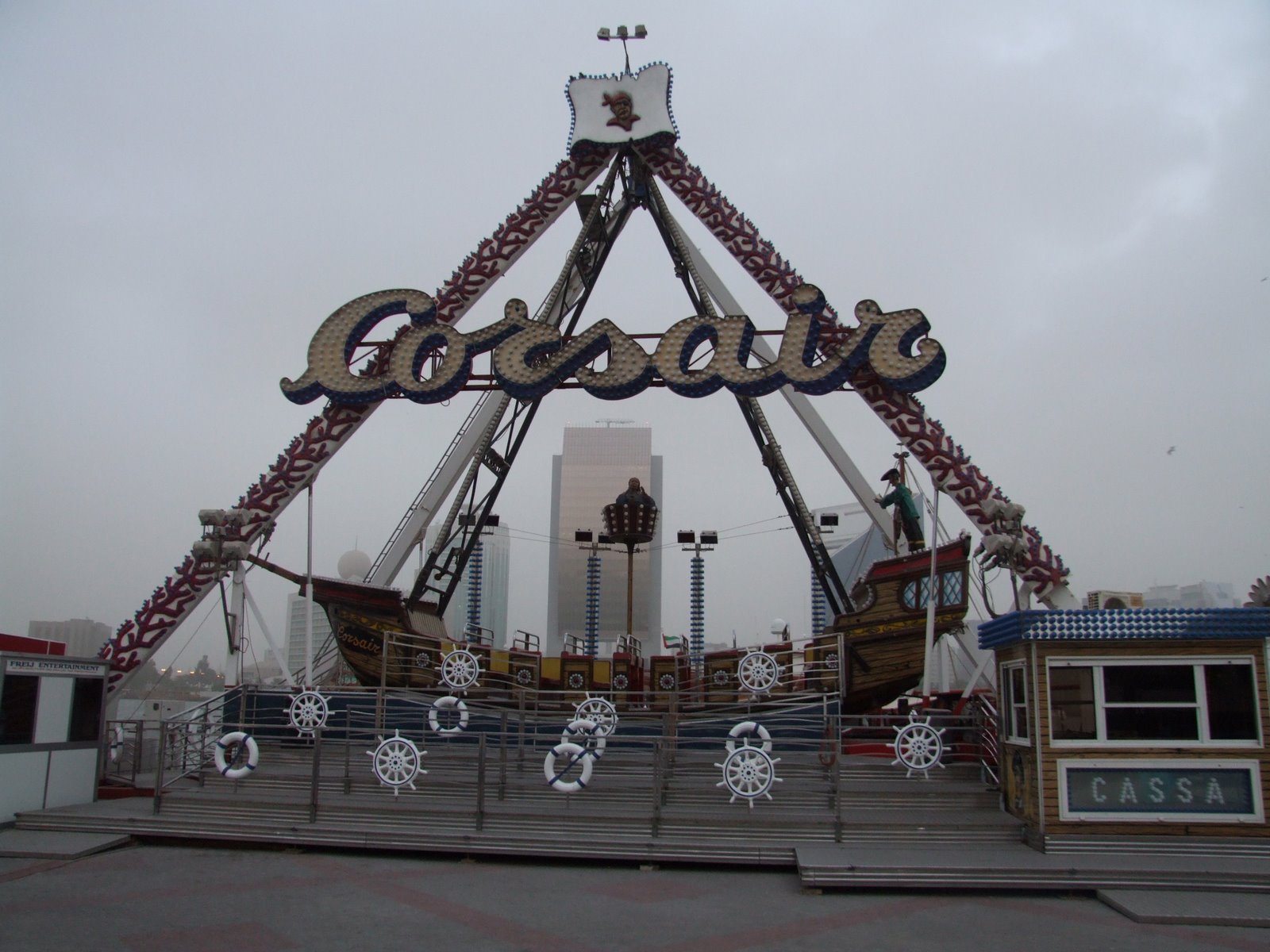
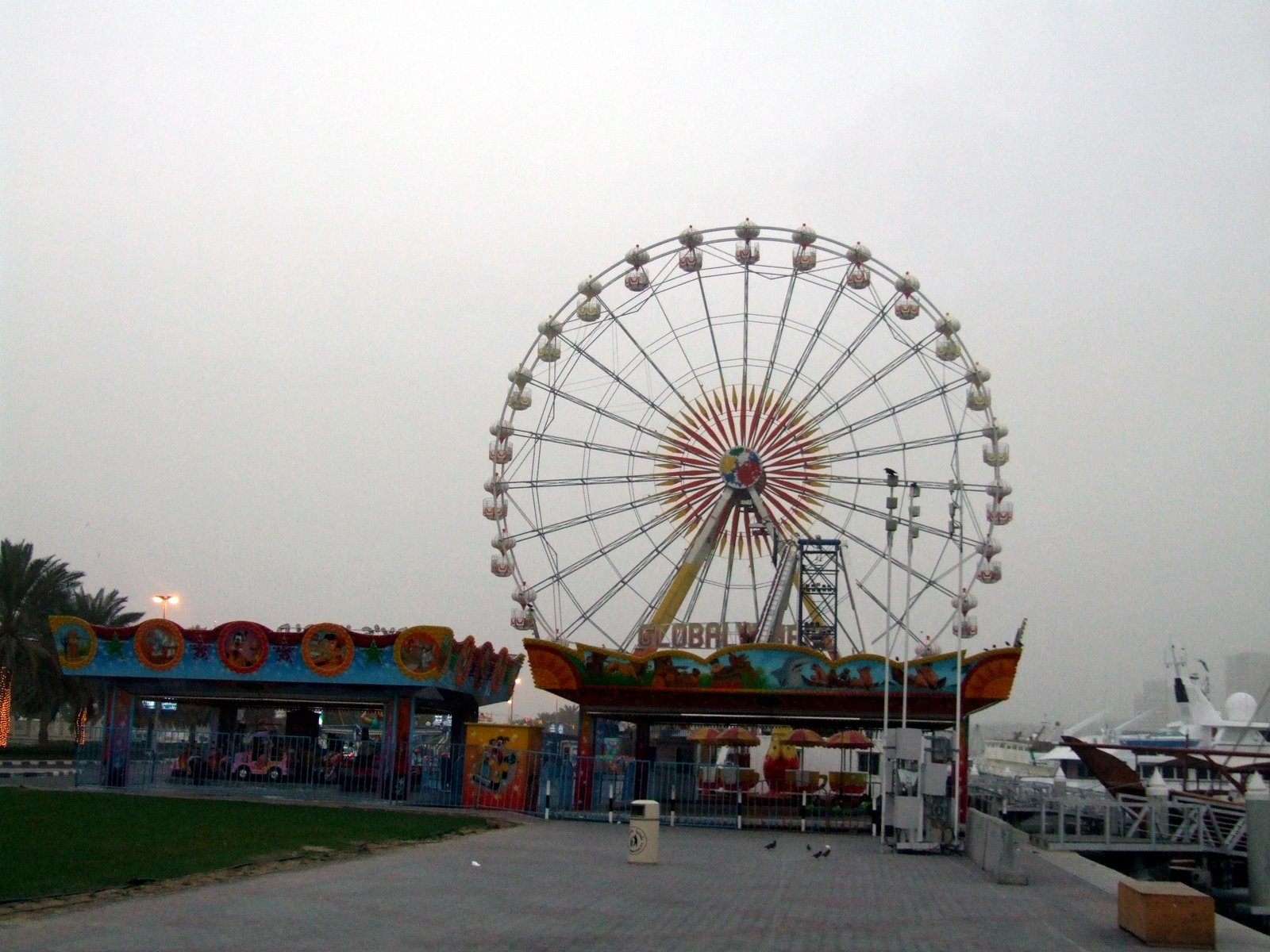
Curtain down for DSF and still the fun goes on. This was an early morning scene from the fun station at the Dubai Creek.

Simply natural!
Simply natural!
By Abigail Mathias, Staff Writer GULF NEWS
The appeal of black and white photographs never fades.
Life is like a good black and white photograph, there’s black, there’s white, and lots of shades in between. – Karl Heiner
Want to create an impression? Photograph your subject in black and white. Ever since the first film was shot and developed, black and white photos have been popular with photographers around the world because they have a classic and elegant look.
In many instances black and white photographs characterise the genre of social documentary photography, creating images that are seemingly natural, simply caught in an instant of life and, therefore, real, but stark and compelling in their absence of colour.
In spite of the invasion of sophisticated digital photography, black and white photography remains a popular choice for weddings as it portrays romance and lends a sense of timelessness to images. Its simplicity gives the subject a polished appearance. Without the distractions of colour, the picture commands the viewer to appreciate the individuality of the subject. This is why headshots of dignitaries and company presidents are often shot in black and white.
Unfortunately not many realise the true potential of black and white photography. Sue Johnston, who specialises in lifestyle photography, and has worked with the Dubai International Art Centre, is disappointed that black and white photography is under developed in the region. “Most of my friends are unhappy with the quality of black and white printing. I have worked with black and white films and developed my own photographs, but the results were never as expected. Newspaper photographs are often in colour these days and that’s a huge change. Earlier newspapers had just one or two colour pages. Similarly, only a few art publications focus on black and white photography these days,” says Johnston.
When learning photography, the simplicity of black and white helps students focus on the important aspects without getting distracted by colour. Black and white simplifies the scene and centres attention on form, shades, pattern, and other graphic concepts, to give them an unusual quality with tone and hue.
Mamoun Khalifa, Operations Manager, United Colour Films (UCF), says, “Black and white photography marks the birth of photography. It adds historic value to people’s photographs.”
Though the number of clients developing black and white photographs is comparatively few, Khalifa says, wedding photographers and corporate houses still prefer such prints.
“Black and white allows photographers more control in taking the picture and producing the print. One can more easily use shape, line, texture, form and tone to manipulate the picture and the viewer without the often-contradictory message of colour.
The graphic concepts are easier to see when shot in black and white. One can find interest in everyday objects and scenes, making them more dramatic. Black and white also works very nicely for portrait photography. Skin tones in black and white are mellowed; blotches, blemishes, and uneven shading is less noticeable than it is in colour photos. “I still get a lot of requests for black and white portraits,” says Johnston. “The shadows and lighting make the images appear kinder to people of all ages. People take time to look at the photograph and notice details,” says Johnston.
Sultan Roam, Laboratory Supervisor at UCF, says, “Black and white prints last longer than coloured ones. The lack of colour allows the photograph to withstand more wear and tear, whereas a colour photograph tends to fade after a while if it’s exposed to direct sunlight. The intensity of a black and white photograph remains the same even after 20 years.”
Photo Speaks – Bike rider

Tongsai Bumroongtai, 52, looks on her pet black spotted female frog ‘Nong Oui’ as it sits astride a toy motorbike in the resort city of Pattaya, Chonburi province, Thailand, on February 10, 2008. Tongsai found the amphibian eleven months ago and trained her pet frog, ‘Nong Oui’ to sits on toy motorbike, a battery-operated dumper truck and lies on a plastic bottle in various positions for show and claiming she could speak to the frog.
Internet outage a boon to tech firms
Internet outage a boon to tech firms
BY LUCIA DORE (Assistant Editor, Business) KHALEEJ TIMES 11 February 2008
DUBAI — The recent internet outage across large parts of Middle East is proving a boon for technology companies providing business continuity planning and disaster recovery services.
“We have definitely seen an increase in interest in business continuity planning,” said Aruba Networks’ vice-president Middle East and Africa, Khalid Ishruq Laban, but added, “Disaster recovery has always been there, the new trend is secure mobility.”
Speaking to Khaleej Times, he said that following the Internet outage he has “definitely seen an increase in interest in his firm’s mobility solutions, which allow data to be accessed everywhere, at all times. Organisations in the region are seeking not only to upgrade their current solutions to cater for longer outages but are looking to find ways to increase their productivity as well, he said.
“Firms have increased their productivity with mobile phones and now they want to do with same with mobile data,” he said, adding that this strategy goes one step beyond business continuity planning for which most reputable companies already plan.
Without giving specific figures, he said the company aims to “at least double business every year” in the Middle East. Whereas three years ago a big deal was $10,000 to $20,000 it is now $1 million to $2 million, Laban said. “Mobility is a must have,” he added.
But if organisations adopt secure mobile solutions in an attempt to increase productivity it becomes even more important for them to have contingency planning in place to cover any lengthy internet outage. But, according to data from Gartner, a research consultancy firm, organisations have not been very good at planning for a business outage lasting longer than seven days. The recent regional wide Internet outage in the Middle East, as a result of damage to undersea cables, could take weeks to repair.
“The fact that most organisations plan for an outage that lasts up to seven days indicates a huge hole in those organisations’ ability to sustain business operations if a regional disaster strikes,” said research vice-president at Gartner, Roberta Witty. “The impact of a disaster that lasts more than one week can have enormous negative impact on revenue, reputation and brand. Regional incidents, service provider outages, terrorism, and pandemics can easily last longer than seven days. Therefore, organisations must be prepared. More mature business continuity management/disaster recovery programmes plan for outages of at least 30 days.”
Although the data is gathered from organisations in the US, Canada and the UK, the results are deemed indicative of trends in other regions as well. It shows that more organisations are planning for a pandemic for example.
When planning for specific types of disaster scenarios, 56 per cent of the companies surveyed also have plans for key service providers’ failure, IT outages, computer-virus attacks and terrorism. “With the growing use of third-party service providers to conduct mission-critical business functions, organisations that don’t plan for this type of business outage can find themselves in a tough position in the event that this scenario becomes a reality,” said Witty.
The importance of business continuity planning is vital. According to an IDC report commissioned by data storage company, Commvault, losing control of data has a two-fold impact on Middle East organisations: risk and cost. Organisations risk being unable to comply with international regulations and face the risk of failing audits, being fined, ruining their reputation and losing customers due to unresponsive service, the report says.
And CommVault’s marketing director, Fiona Moon, said: “Data growth in the Middle East is progressing faster than most emerging markets, and we believe that this trend will continue.
“IDC’s view that the region is on the verge of a data boom fully supports our existing position that regional organisations should be moving now to establish a clearly defined storage investment policy the places crucial importance on leading-edge back-up and recovery technologies.”
For the tourists
For the tourists
Gulf News Web Report Published: November 02, 2007, 01:20
Climate: Dubai has a year round sunny climate with rain a very rare occurance, happening only a few times a year.
The winter months (November to March) are the most suitable for tourists, with the weather averaging a pleasant 30C and humidity on the low side. The summer months can become very hot, with frequent low visibility caused by sandstorms – with average daytime temperatures rarely dipping below 40C (and often rising about 45C) and high humidity to accompany the high temperatures at night.
Local laws: Although you are allowed to drink in many of Dubai’s numerous bars, remember this is a Muslim country. If you wander around the streets drunk then there is a good chance you will be arrested.
There is also zero tolerence towards drinking and driving. That means the legal limit is zero and being caught will usually end in a prison sentence.
Certain prescripton drugs which are legal elsewhere in the world are banned in Dubai. If you need to take these then you must ensure that you take a doctors prescription with you.
A list of which drugs are illegal can be found at the: US consulate to Dubai’s website
Clothing: You will only need summer clothes when you’re here, however it is a good idea to bring a few light sweaters or cardigans as the air conditioning in some restaurants and malls can be chilly.
While there is no official ruling about exactly what you can and can’t wear, Westerners will be expected to dress with more modesty than you would at home in similar temperatures.
This doesn’t mean that women have to cover up completely or wear a veil but they should try to wear clothes that are not too revealing. Men should avoid short shorts and bare chests. Dubai is a liberal emirate, but it is also part of an Islamic country. You should also be respectful of Gulf culture.
Transport: The car is king in this city, and with wide, fast roads criss crossing the emirate, it’s the easiest way to get around.
A car can be hired from any of numerous car-rental companies operating in the city and with such a competitive market, rates are pretty reasonable. A renter needs to provide original passport, two photographs, and a valid international driving license or national license.
Compared to Europe and the United States, taxis are very cheap in Dubai. They are also plentiful and you won’t usually have to wait more than a minute before one races past. An average 10km journey will set you back around Dh15 (around $3.50)
The bus service in Dubai is cheap, clean and popular, but it is also limited. It tends to run mostly in Deira and Bur Dubai although there are services running along the Shaikh Zayed Road.
If catching the bus, male tourists should be wary of sitting next to women they don’t know as this is frowned upon in Muslim culture.
A monorail system is currently being built in Dubai. It is due to be completed in 2009 and will be one of the longest mass transit systems in the world – stretching some 40km from one end of the city to the other.
The final – and most traditional way to get around Dubai is by abra. The abra has been the best method of crossing the creek for decades now and despite the presence of bridges and tunnels, each trip from Deira to Bur Dubai and back is crammed full of businessmen, workers and tourists.
Shopping: Many people come to Dubai solely to shop. Tax free Dubai is known as a shopper’s paradise. Most of the major designer brands in the world are available in the enormous shopping malls which populate every corner of Dubai.
Malls get much busier at the weekends (which are officially Friday and Saturday).
Annual shopping events include the Dubai Shopping Festival which usually takes place in February (see last years time table ) and Dubai Summer Surprises which runs during the scorching summer months.
Dubai is famous for offering top international brands at sale prices during these festivals. Independent shops are generally open from 10am until 1pm and from 4.30pm until 10pm.
Opening hours at shopping malls throughout the day are roughly from 10am – 10pm although some stay open until midnight. On Fridays, they open from 2pm – 10pm.
Away from the air conditioned haven of the megamalls, there are bargains to be had in Dubai’s souks (the gold souk and the spice souk are in Deira) as well as the textile specialist areas of Karama and Satwa where you will find both the material, and the tailor, to have bespoke clothing made for very reasonable prices.
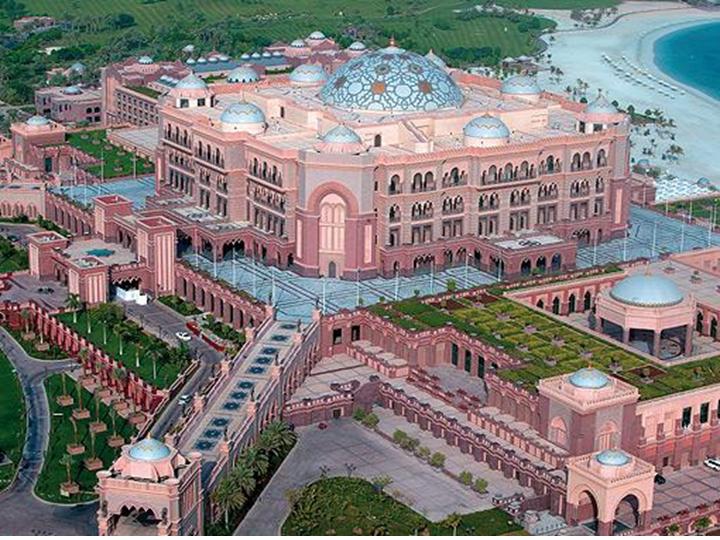
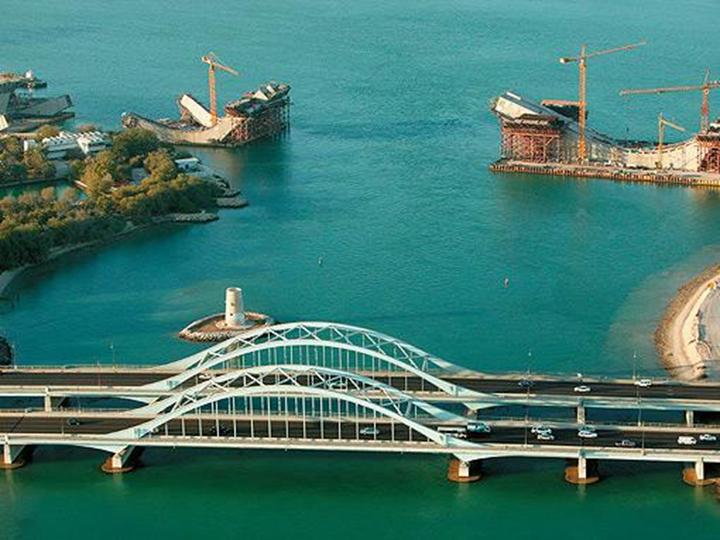
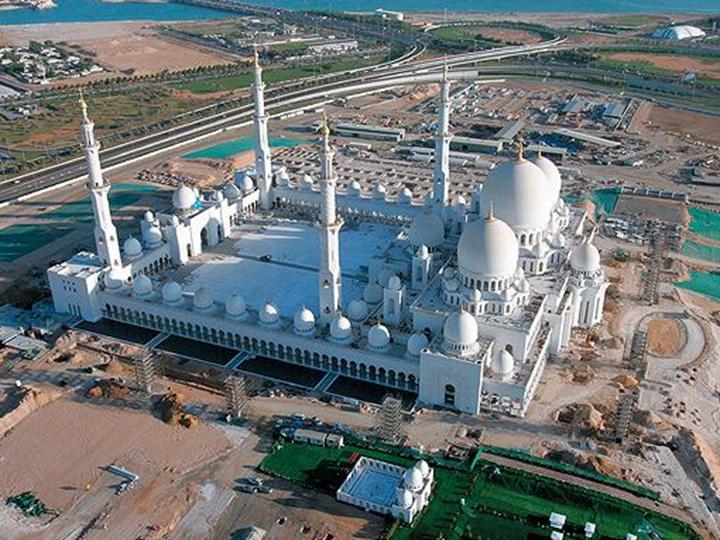
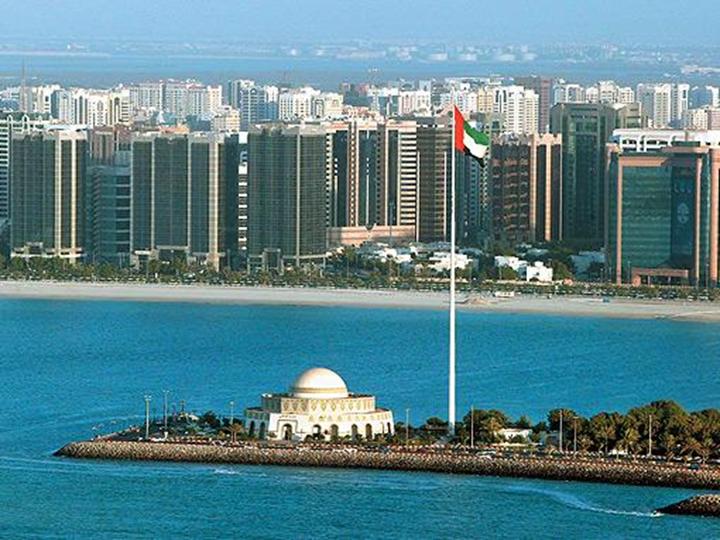
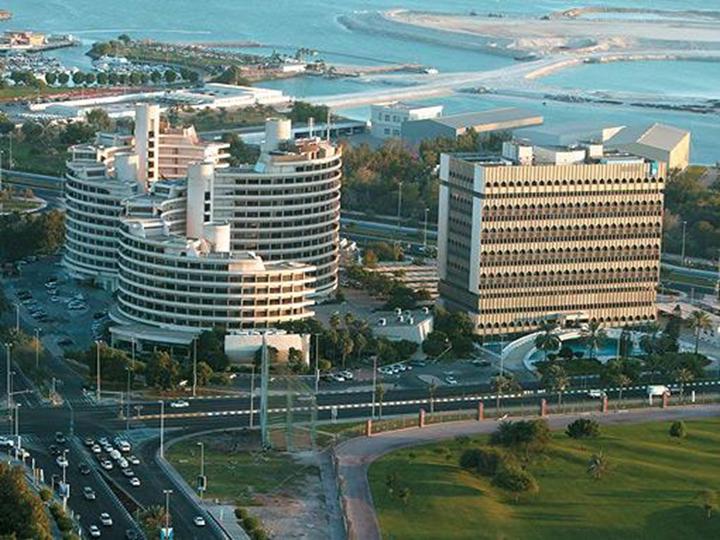
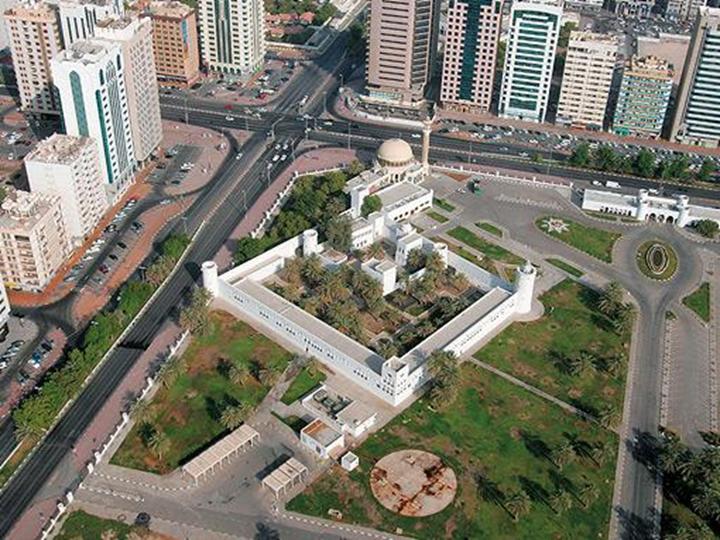
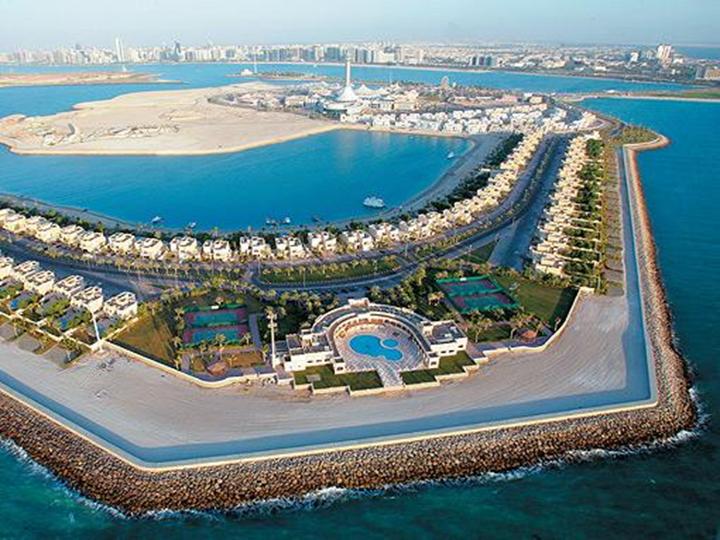
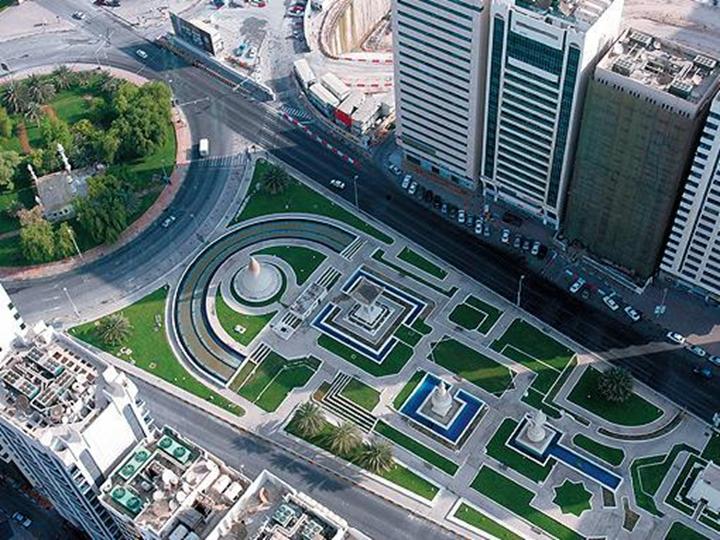
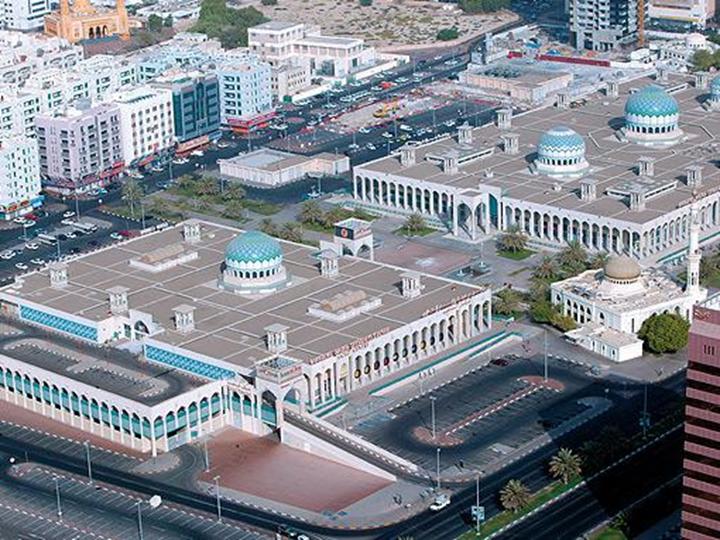
Photo Speaks – UAE Floral tribute






It’s a Friday special and it’s all happening in Abu Dhabi. Captured, as I always say, as passing shots at some point or other. Keep smiling.

Photo Speaks – Might is right
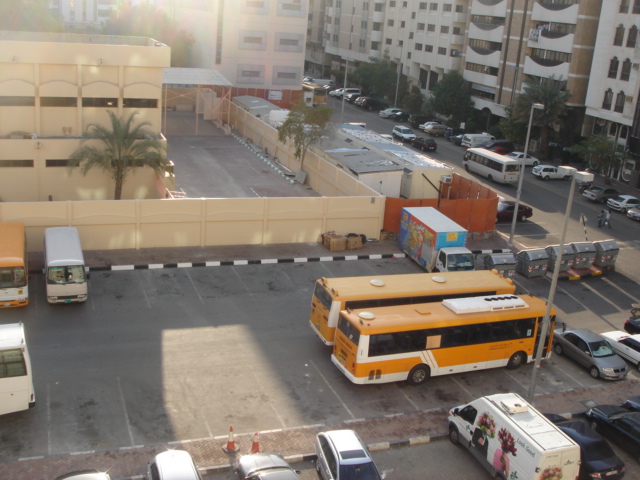
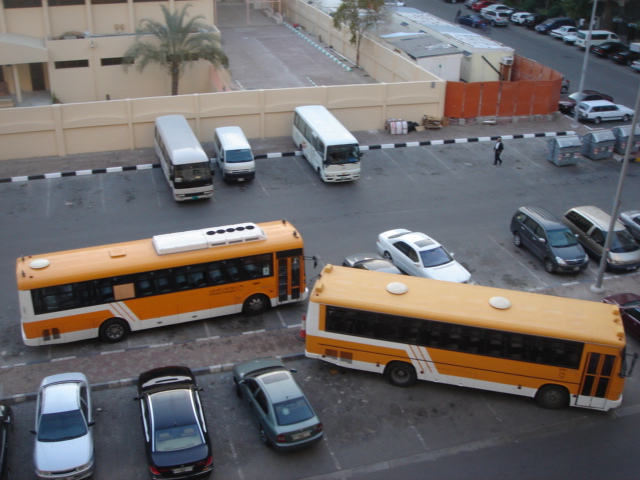
With the increase in number of vehicles and buildings, parking is difficult to find. However, there is a saying “Might is Right”. And these bus drivers knew it very well.
 ClicksandWrites
You must be logged in to post a comment.