HSE
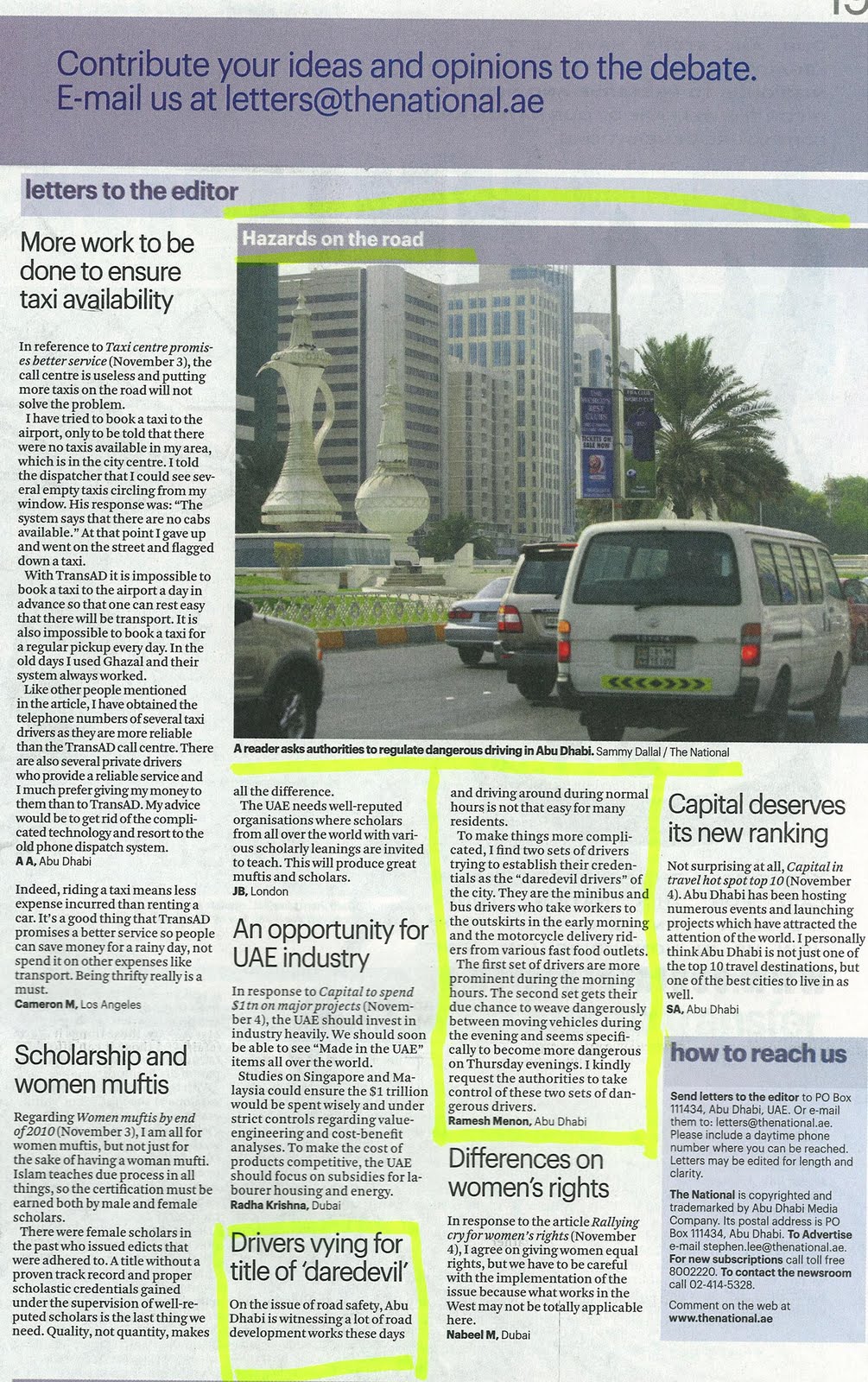
My Letters – THE NATIONAL – Drivers vying for title of "daredevil"
My Letters – THE NATIONAL – Drivers vying for title of “daredevil”
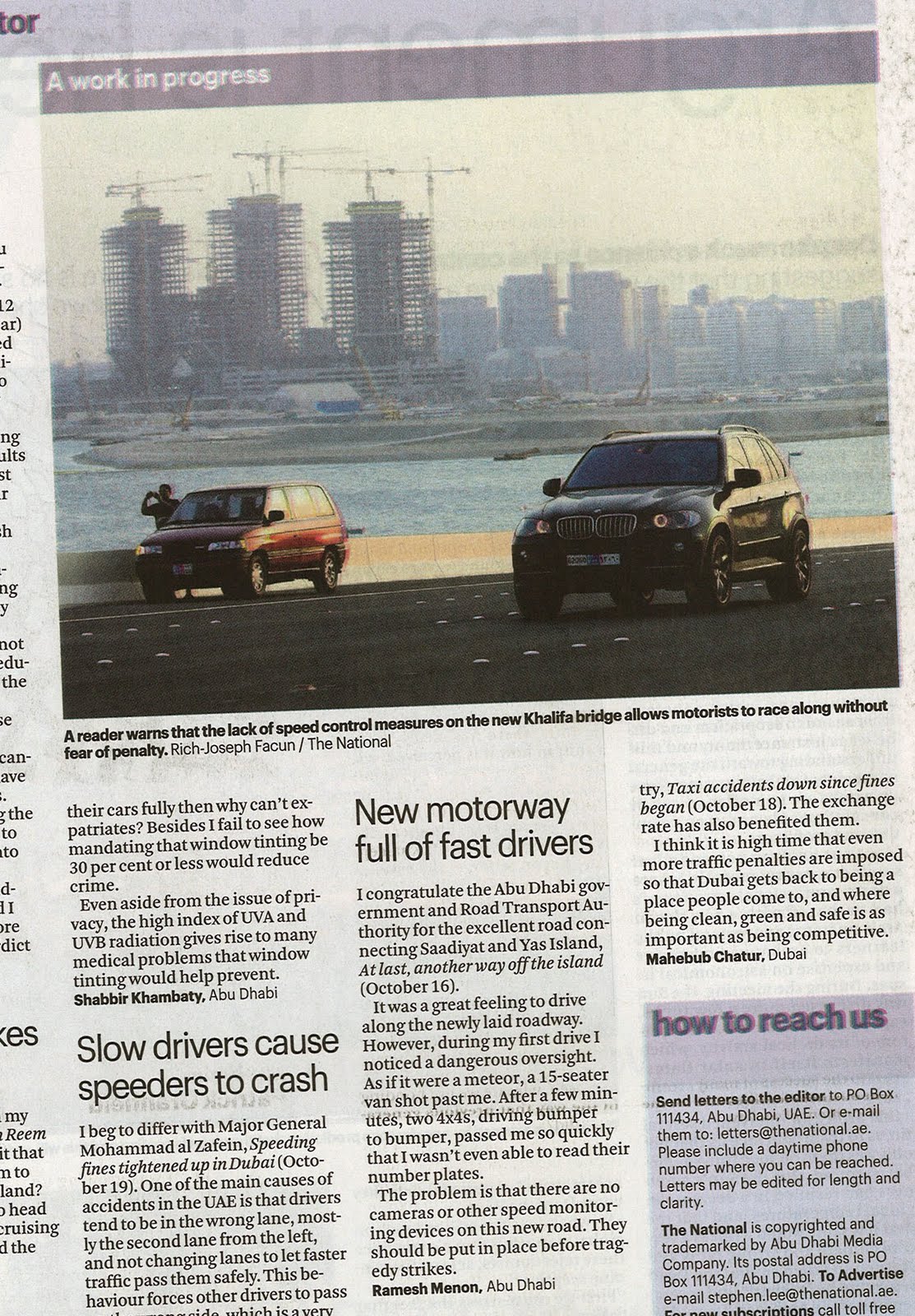
My Letters – THE NATIONAL – New Motorway full of fast drivers
My Letters – THE NATIONAL – New Motorway full of fast drivers
 To read my letters to the news, please bookmark and visit Letters to the Editor
Kadugodi Fly Over – A need for Bridging a commuting gap
Kadugodi Fly Over – A need for Bridging a commuting gap
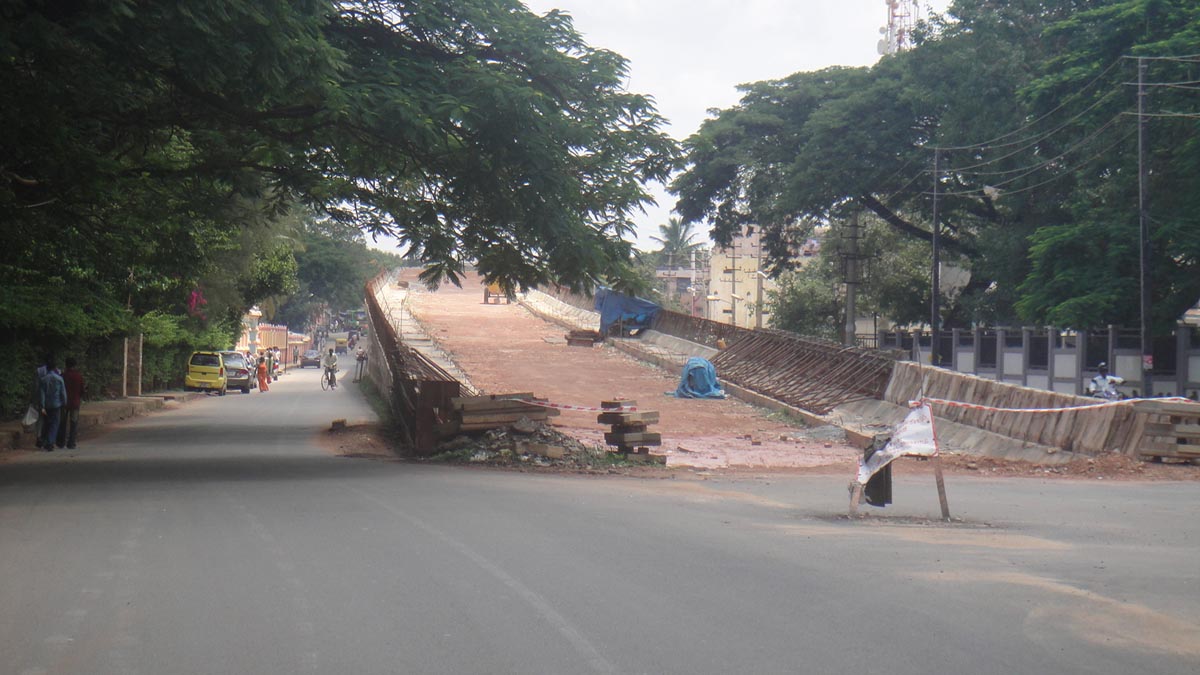
Being a resident of Kadugodi village, whitefield area, I always have to depend on the Whitefield railway gate to go across to the main town. The fly over to ease the smooth flow of traffic at the Kadugodi area / Whitefield station, which is situated just in front of the Sai Baba ashram has been remaining incomplete for a considerable period of time. Every train passing through the station, a lot of man hours is being wasted, waiting for the railway gate to be opened for another couple of minutes of traffic flow, before a train arrives. This is to be considered as this road connects the village to Whitefield and has an easy access towards the airport road and many prominent institutions situated in and around. Precious time lost by all every time they use this road, without any sign of this incomplete work being carried out in the near future enabling smooth passage too and fro. Photo of the incomplete bridge is attached herewith.
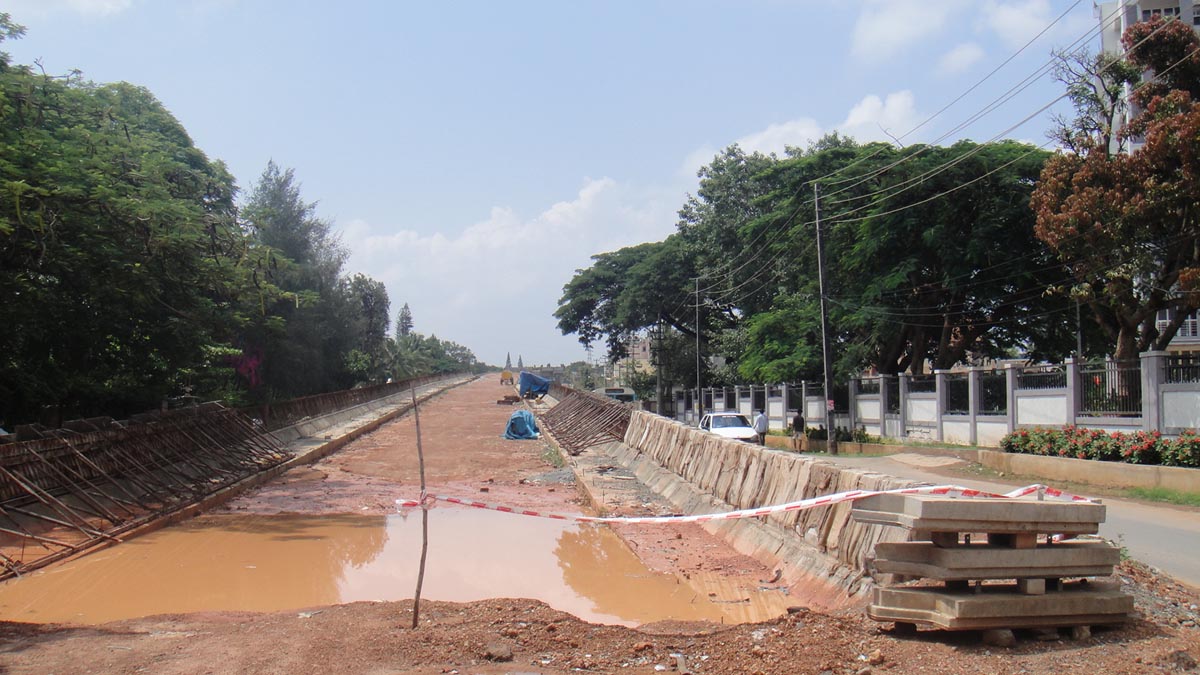
Through a series of email and news postings, I sincerely request authorities to consider completion of this essential fly over for general public without any further delay.
Thanking you in advance and sincere regards to all your excellent administrative and public convenience measures.
Ramesh Menon
Team 1 Blogs
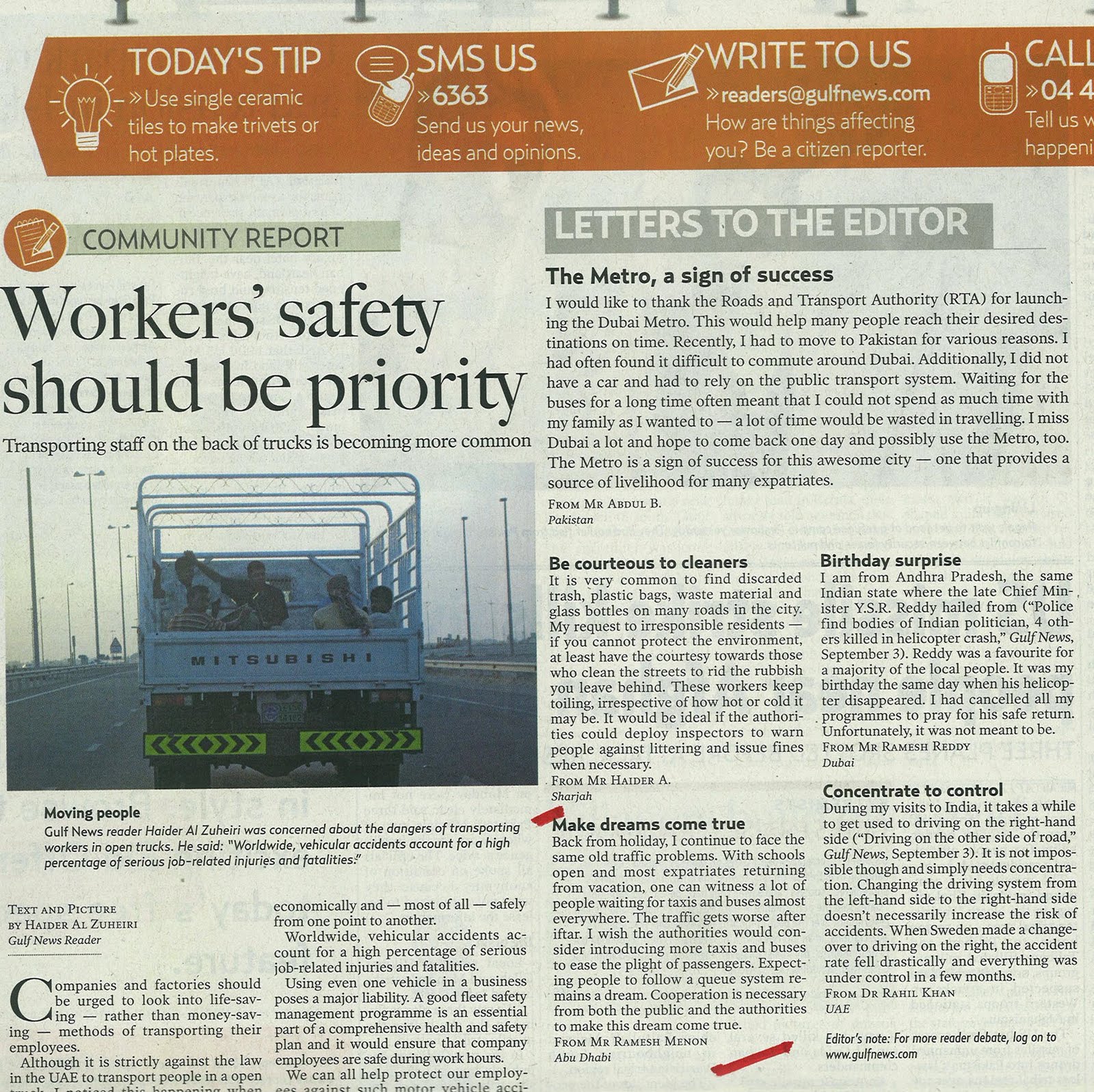
My Letters – GULF NEWS – Make dreams come true
My Letters – GULF NEWS – Make dreams come true
To read my letters to the news, please bookmark and visit Letters to the Editor
My Letters – THE NATIONAL – Anxious wait for taxis and buses
Anxious wait for taxis and buses
With schools starting and most expatriates back from holidays, we are facing the same old problem: no taxi or bus available in the morning. During post-iftar time, the scene is no different. Everywhere, huge crowds wait anxiously for a taxi or bus to come. I request the authorities consider more transport services during peak hours.
Ramesh Menon, Abu Dhabi
Anxious wait for taxis and buses
To read my letters to the news, please bookmark and visit Letters to the Editor
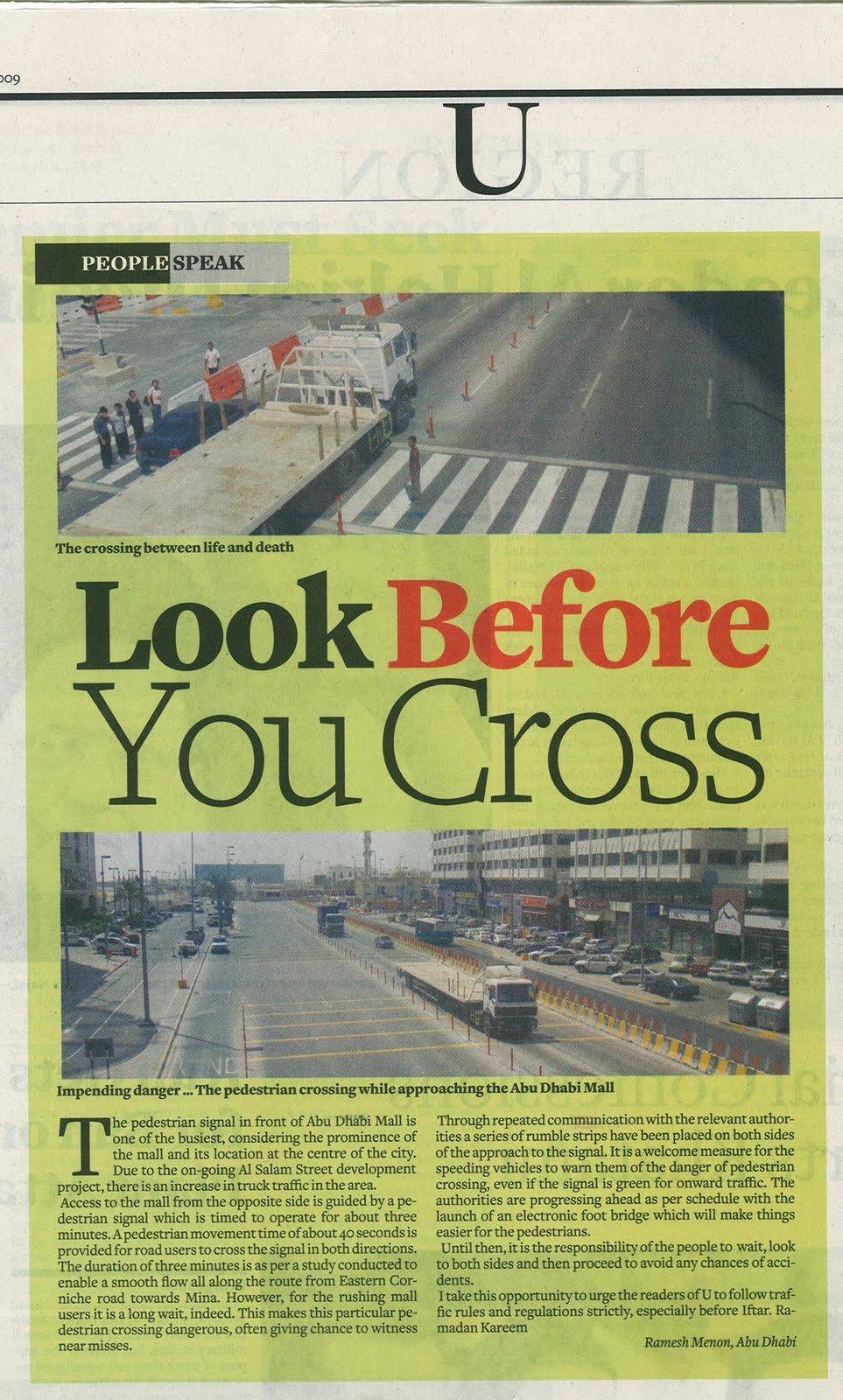
My Letters – Khaleej Times – Look Before You Cross
To read my letters to the news, please bookmark and visit Letters to the Editor
Red light cameras now check for insurance, too
Red light cameras now check for insurance, too
Tom Barlow Jun 29th 2009 at 4:30PM
Drive without insurance? Then you’d better stay out of Ohio, where the state is considering a program that uses red-light cameras and insurance company databases to check passing traffic for uninsured motorists. The system would use license plate numbers to verify driver insurance. According to the Columbus Dispatch, officials in Chicago, who are considering the same system, from InsureNet of Novi, Michigan, think that such a program could generate $200 million in additional revenue for the Windy City.
When the system identifies an uninsured motorist, the driver would be sent a letter instructing him to take care of the problem. If he doesn’t, a fine will soon follow. In Ohio, that fine is $125 for a first offense, $300 for a second and $550 for a third.
The system is already being provided to law enforcement, free of charge, so even those uninsured drivers who managed to dodge the cameras can be busted if they catch the attention of a local gendarme. The system can also provide them lien reports in real time.
I’m all for requiring drivers to carry insurance, but I’m not pleased by the prospect of insurance company databases being opened for InsureNet’s searches. I can see how this would be a good deal for the insurance companies, because it will drive business their way. For the general public, however, this feels like another step toward a Big Brother future.
To read the original article, click here
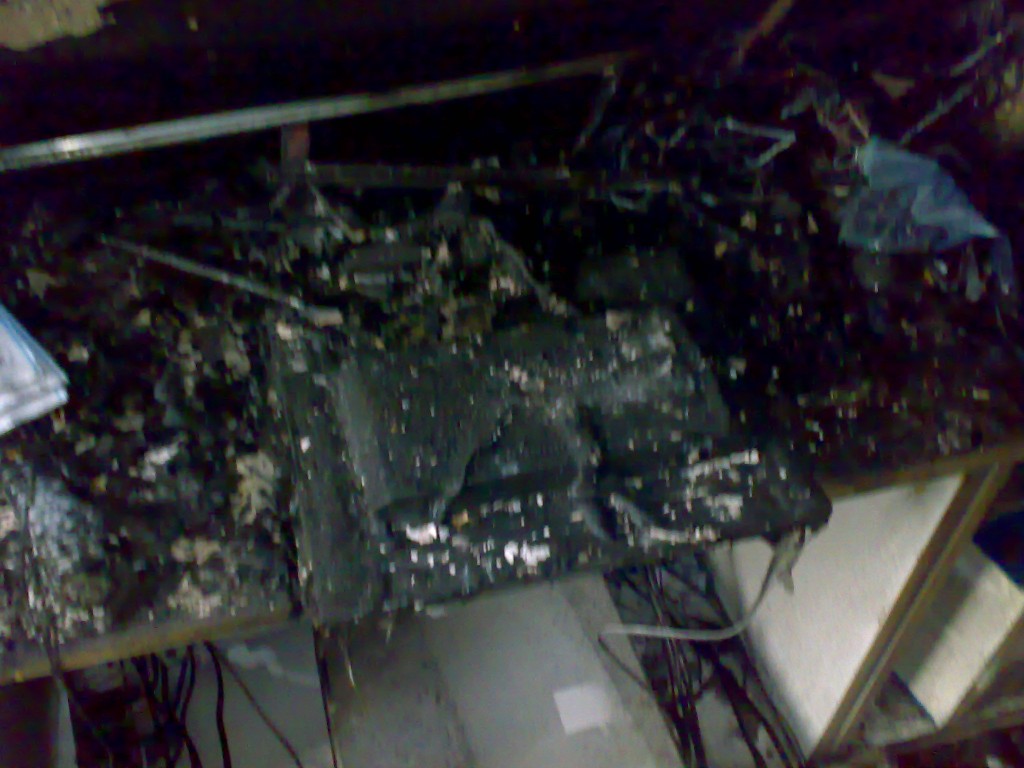
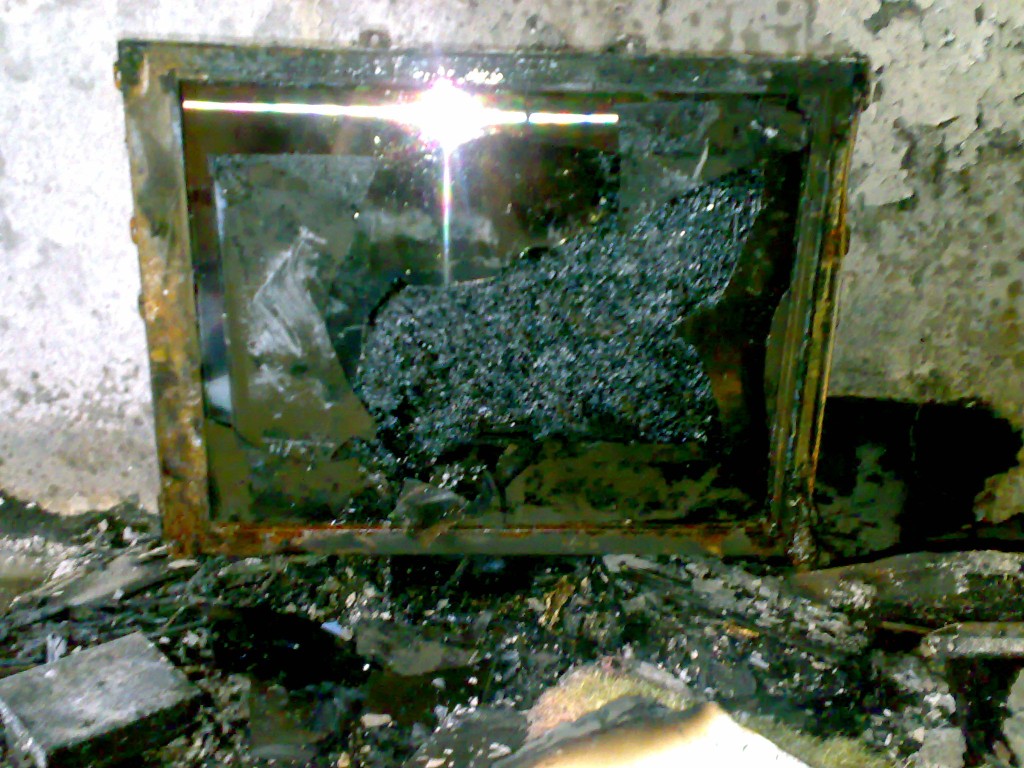
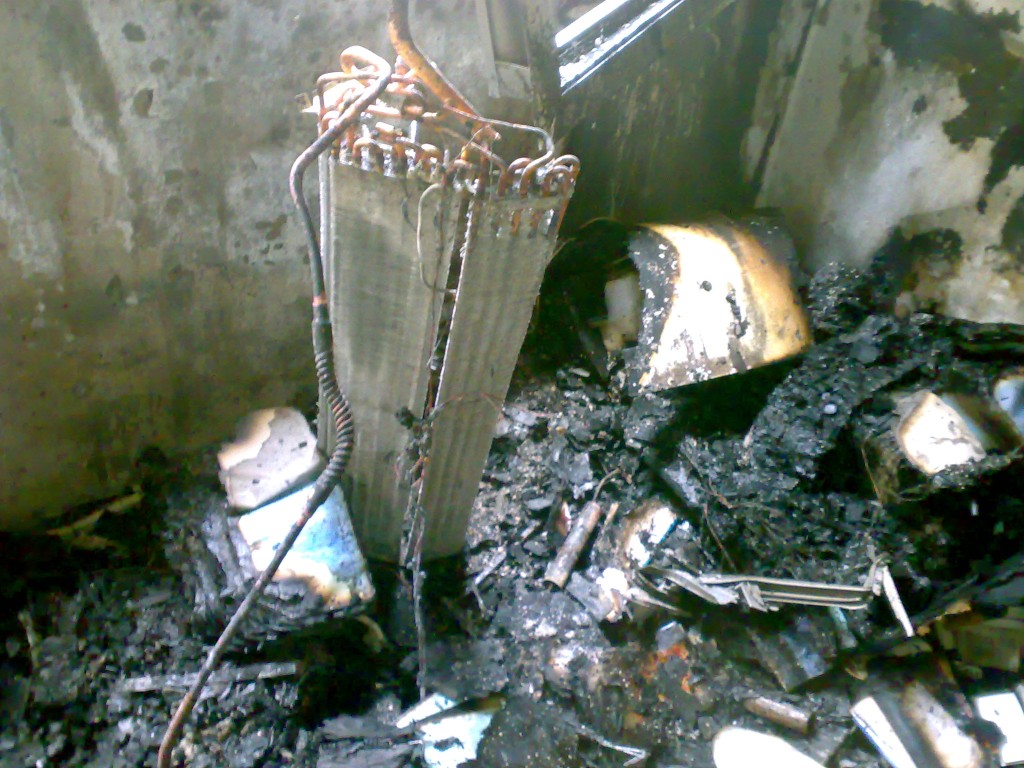
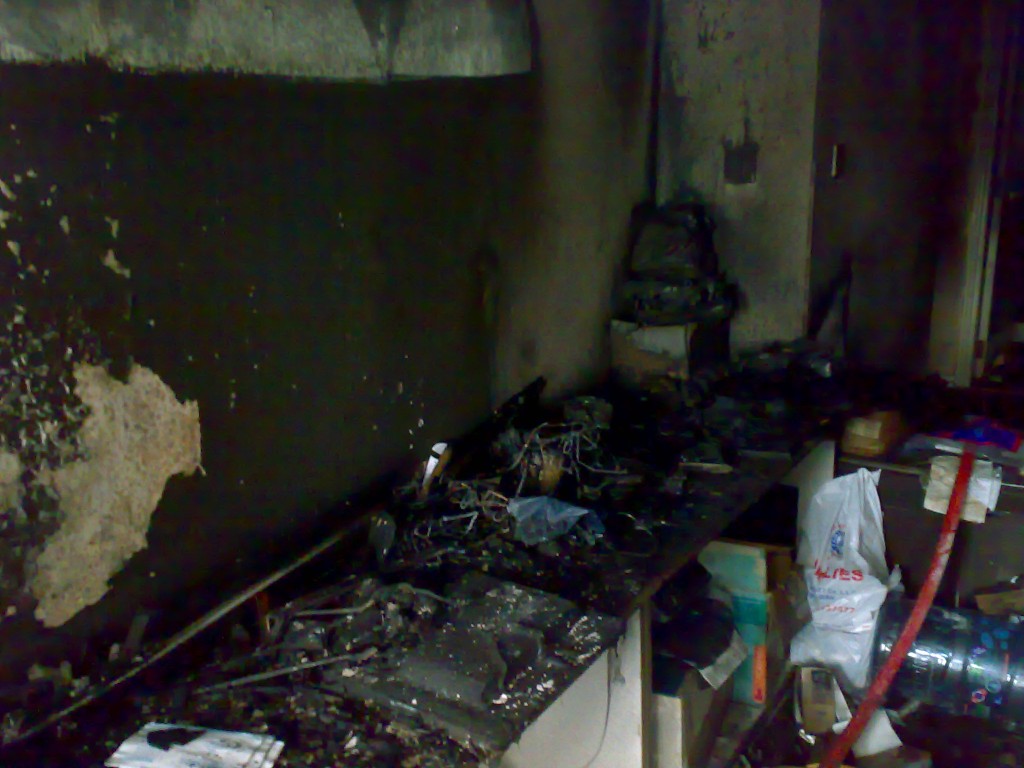
Photos of a recent fire incident – How do we forget?
Photos of a recent fire incident – How do we forget?
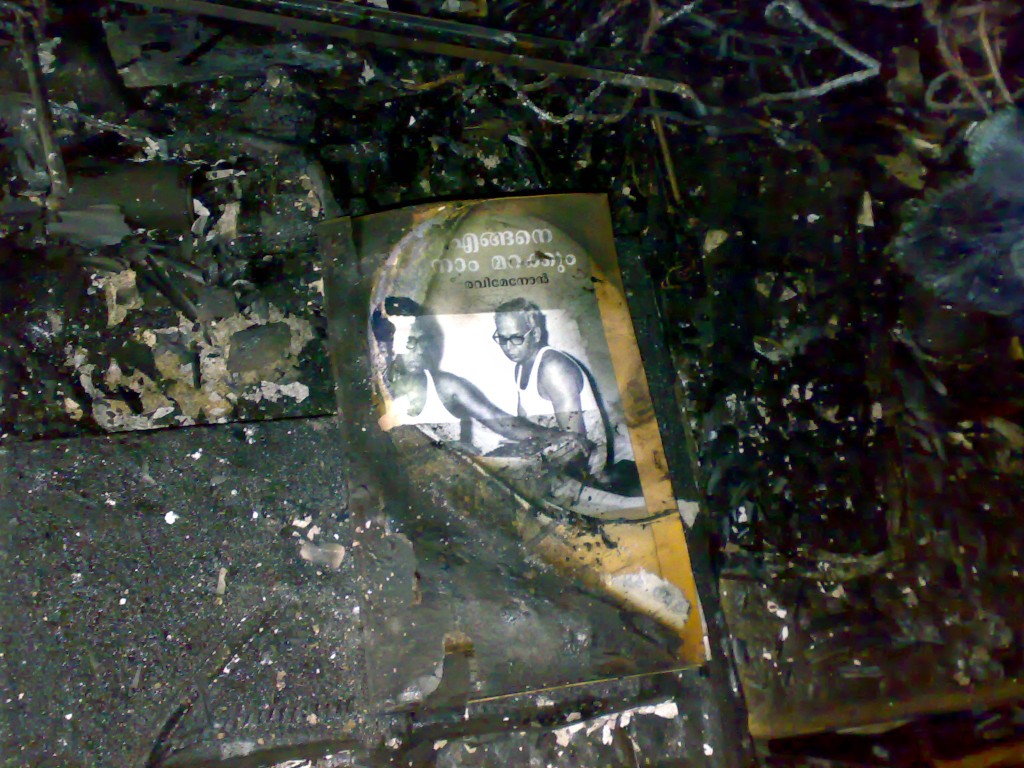
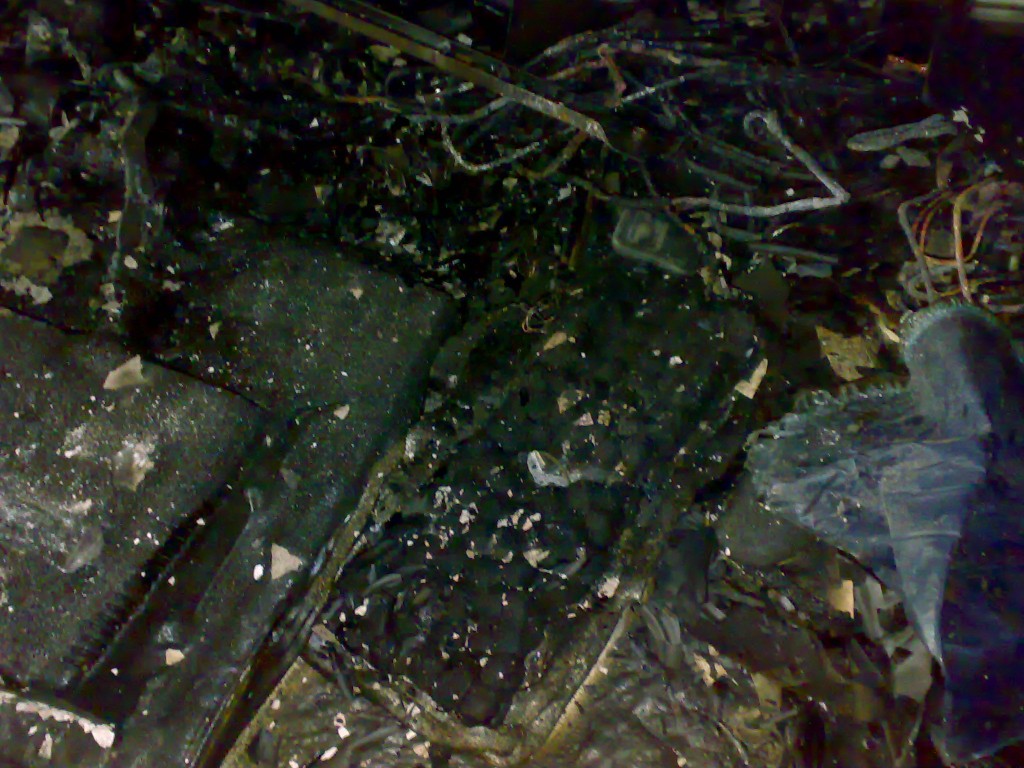
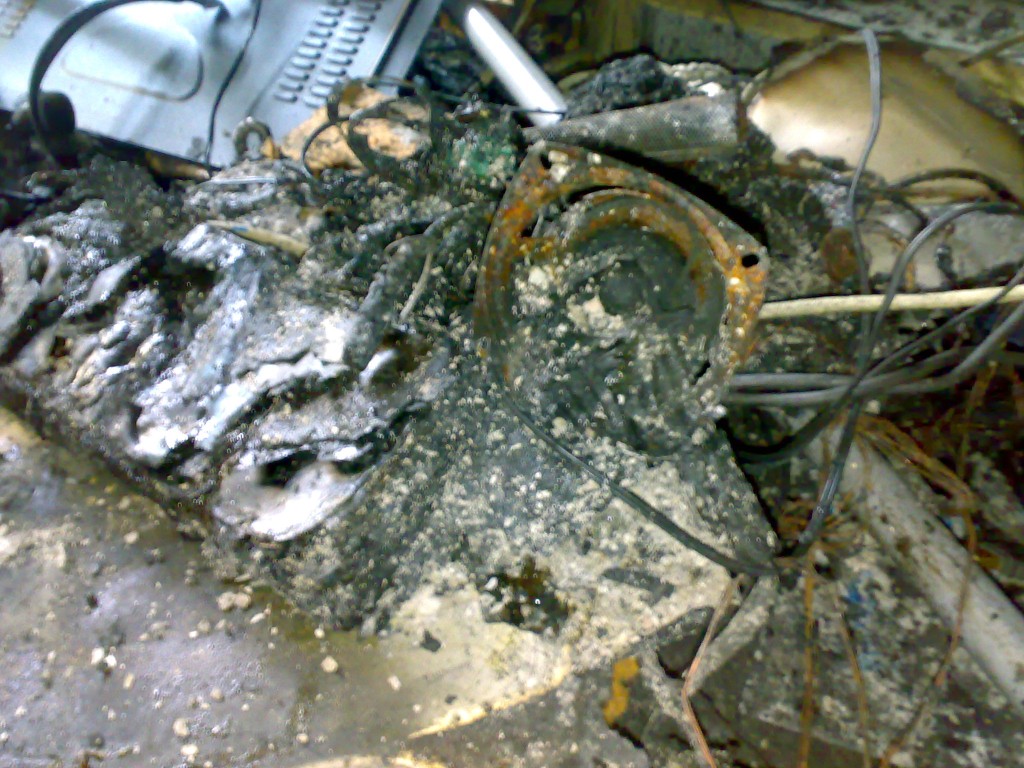
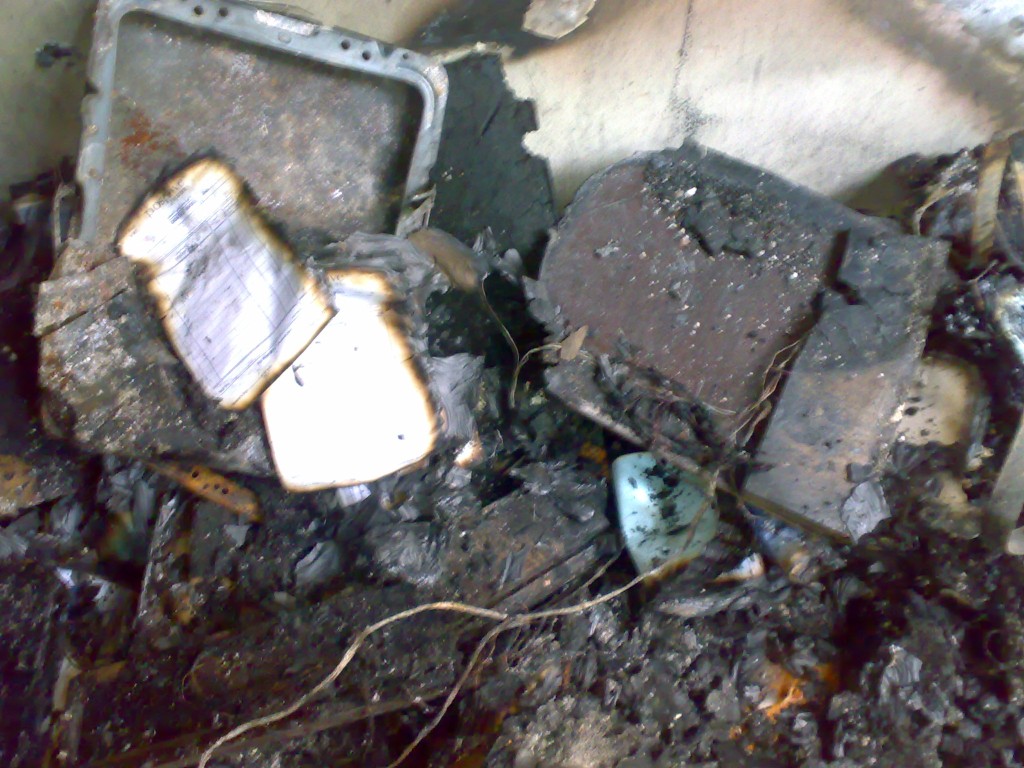
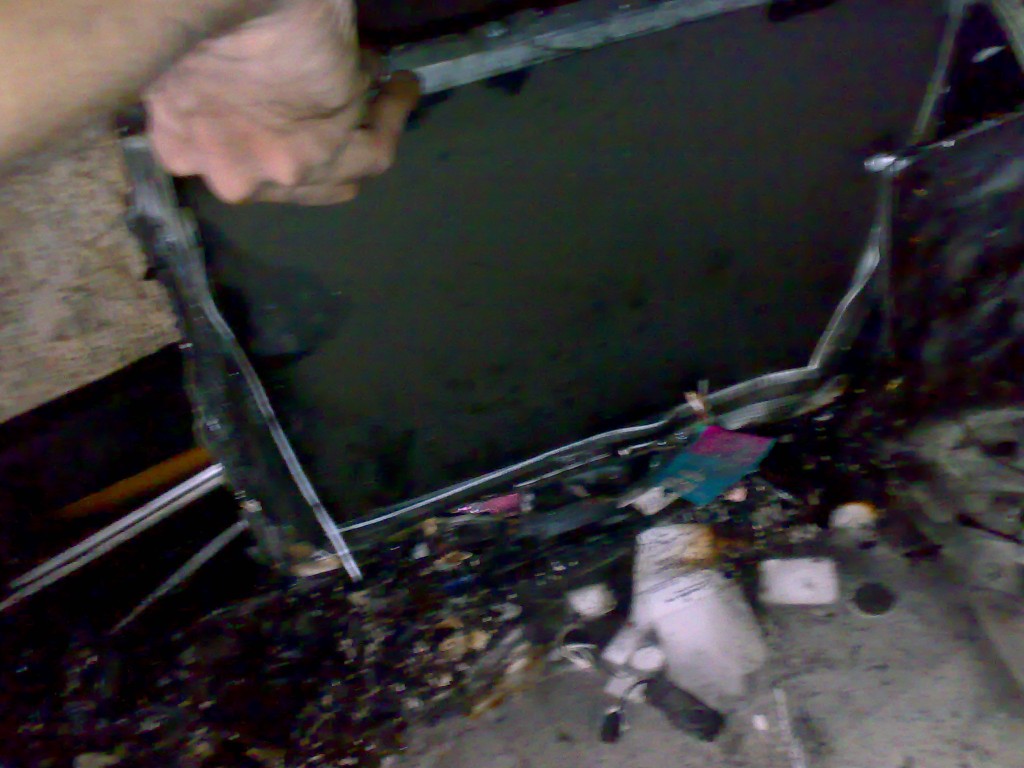
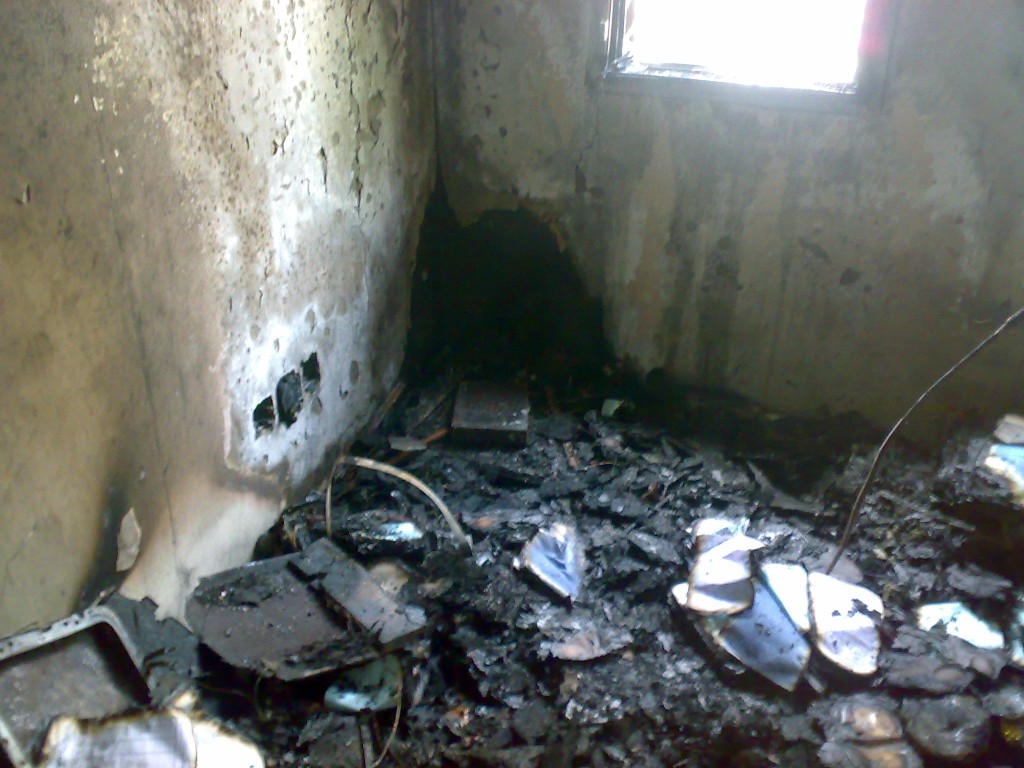
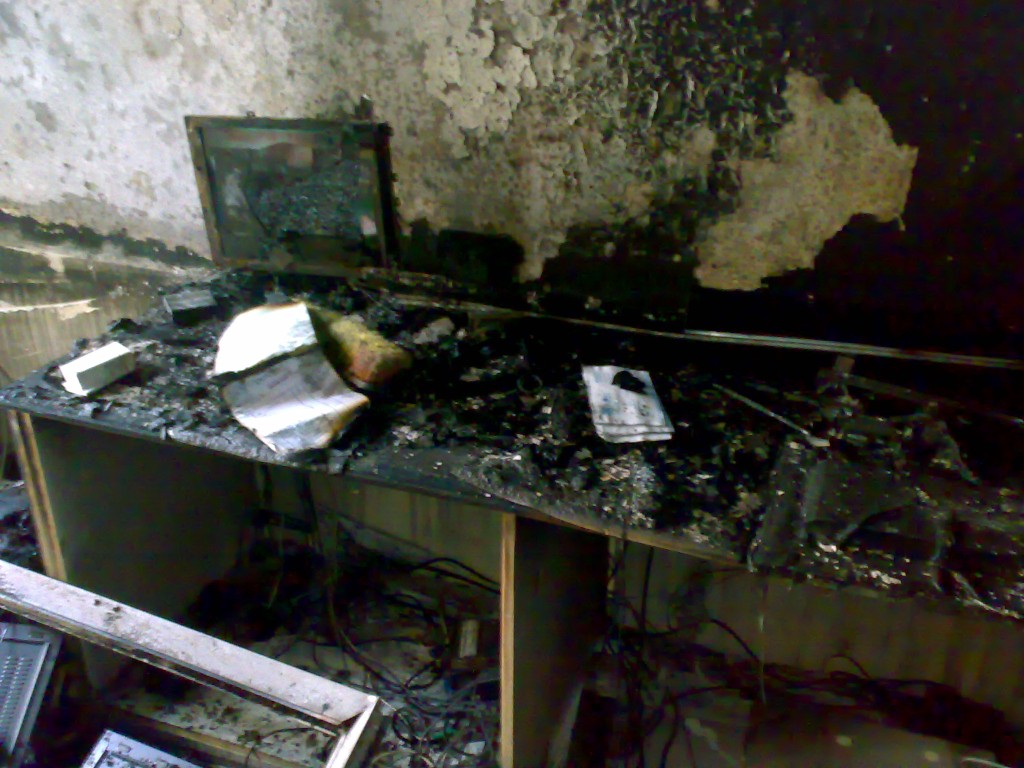
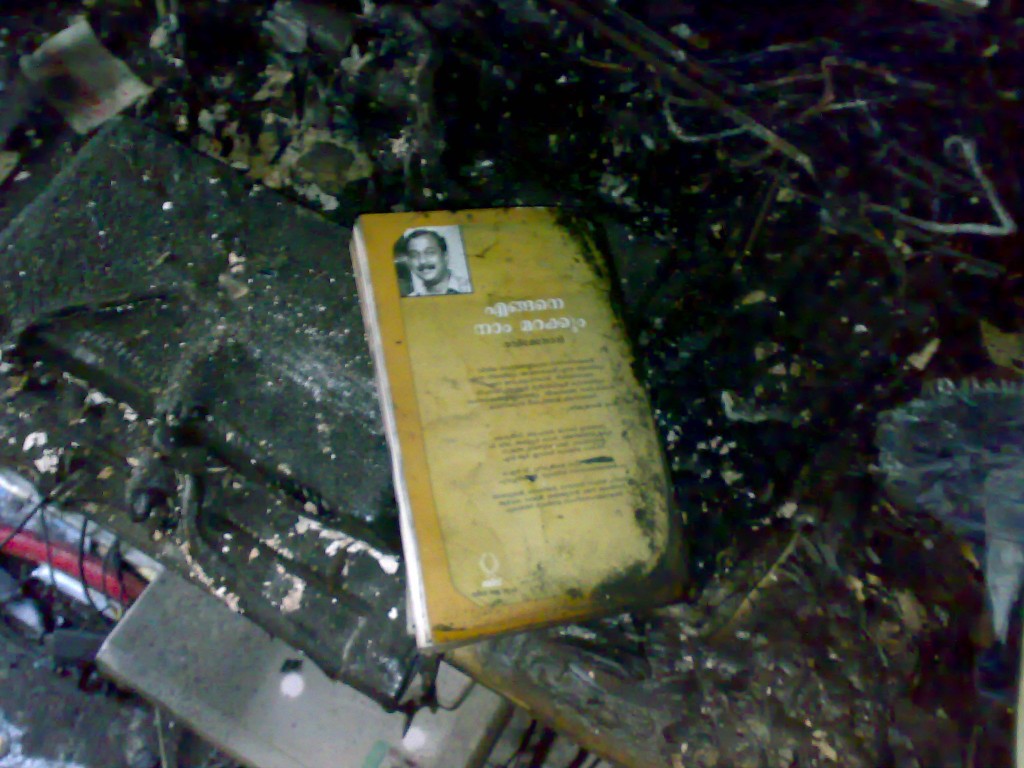 Accidents happen in many ways. Many times, it takes a lot from our life in not time. The photographs in this post is from a worksite accident that happened to one of my friend. In no time, his business was gutted. What surprised me from the photos he sent me of that incident was a book which remained partially burned. Titled in Malayalam “Engane Naam Marakkum” meaning “How do we forget”, this book was on his table as he was working on it for updating his collection of websites. Strange was the fact that the author of the book Ravi Menon happened to be also an email contact of mine. I consider this mortal remains as a a pointer to some of the principle values I carry on in life. One of them is sharing our knowledge. Whatever happens to us, end of the day or end of our life, what remains is what knowledge we had with us and what we shared with our daily contacts. All other things are mortal according to me.


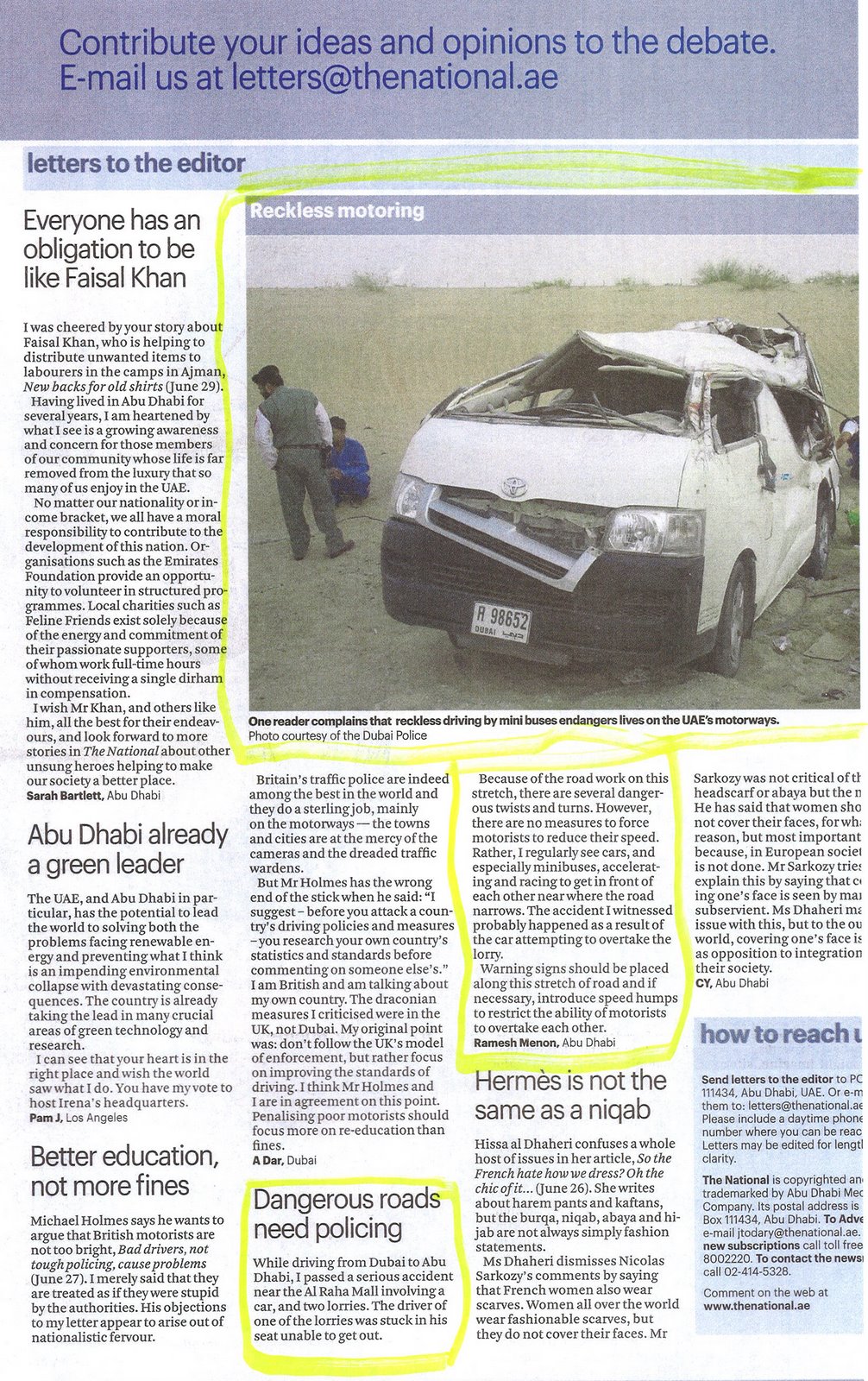
My Letters – THE NATIONAL – Dangerous roads need policing
To read my letters to the news, please bookmark and visit Letters to the Editor
Bridge plan aimed at saving lives
Bridge plan aimed at saving lives
Haneen Dajani, THE NATIONAL
Last Updated: June 22. 2009 1:40PM UAE / June 22. 2009 9:40AM GMT
A labourer crosses the eight-lane Highway 11 in front of traffic near Al Raha Mall. Ryan Carter / The National
ABU DHABI // More pedestrian bridges could be added to roads both within and outside city limits to reduce the growing number of people who are struck by vehicles.
At the launch of a three-month campaign to tackle jaywalking yesterday, Col Hamad al Shamsi, director of the police’s traffic and patrols department, said the department was looking at adding pedestrian bridges in more areas, including Mussafah and Shahama.
The colonel said the bridges were expected to be built in the coming years, although he could not give an exact date. The department has also asked the municipality to place barriers on pavements where pedestrians tend to jaywalk.
The number of pedestrians hit by vehicles in Abu Dhabi grew to 663 last year, up from 583 in 2007.
Yesterday the traffic department revealed it had issued Dh802,000 (US$218,000) worth of tickets since the start of this year, with 4,010 jaywalkers fined Dh200 each. Last year the fine for jaywalking was increased from Dh50.
Col al Shamsi said the department’s studies covered areas that lacked pedestrian crossings and were considered hot spots for accidents involving pedestrians.
Meanwhile, traffic police are focusing on educating the public on the rules for crossing roads and the dangers of jaywalking by increasing campaigns to fine jaywalkers. Patrols will be carried out by both traffic control police officers and undercover traffic officers.
“We have to consider the culture and background of pedestrians and make sure we get our message across,” said Col al Shamsi. “After last year’s campaign the number of accidents involving pedestrians dropped rapidly.”
He said pedestrians involved in accidents who were found to be jaywalking were liable to be fined.
Lt Col Ahmad al Shehhi, director of capital traffic police, said patrols would focus on hot spots including Mussafah, Shahama, Al Dhafra Road, the Corniche and Al Salam Street. “It is not possible to have a policeman on every road in every corner, so we assess which areas are the most dangerous.”
In the coming three months more police patrols will be dedicated to catching jaywalkers.
“We asked the municipality to place barriers on the pavements, especially in front of shops and public parks, to prevent people from crossing in areas where they are not supposed to,” said Col al Shamsi.
Brochures outlining the rules in Arabic and English are to be handed to pedestrians and motorists. One reminds pedestrians to look for the nearest subway or bridge before crossing the road, and to wait for the green pedestrian light before crossing at traffic lights.
Another brochure explains to motorists that white stripes across the road are pedestrian crossings and that priority should be given to pedestrians to allow them to cross.
The fine for not giving priority to pedestrians to cross is Dh500 and six black points.
Click here to read the original article
 ClicksandWrites
You must be logged in to post a comment.